


FAA removes cap on flights passing through space debris risk zones

4 min read
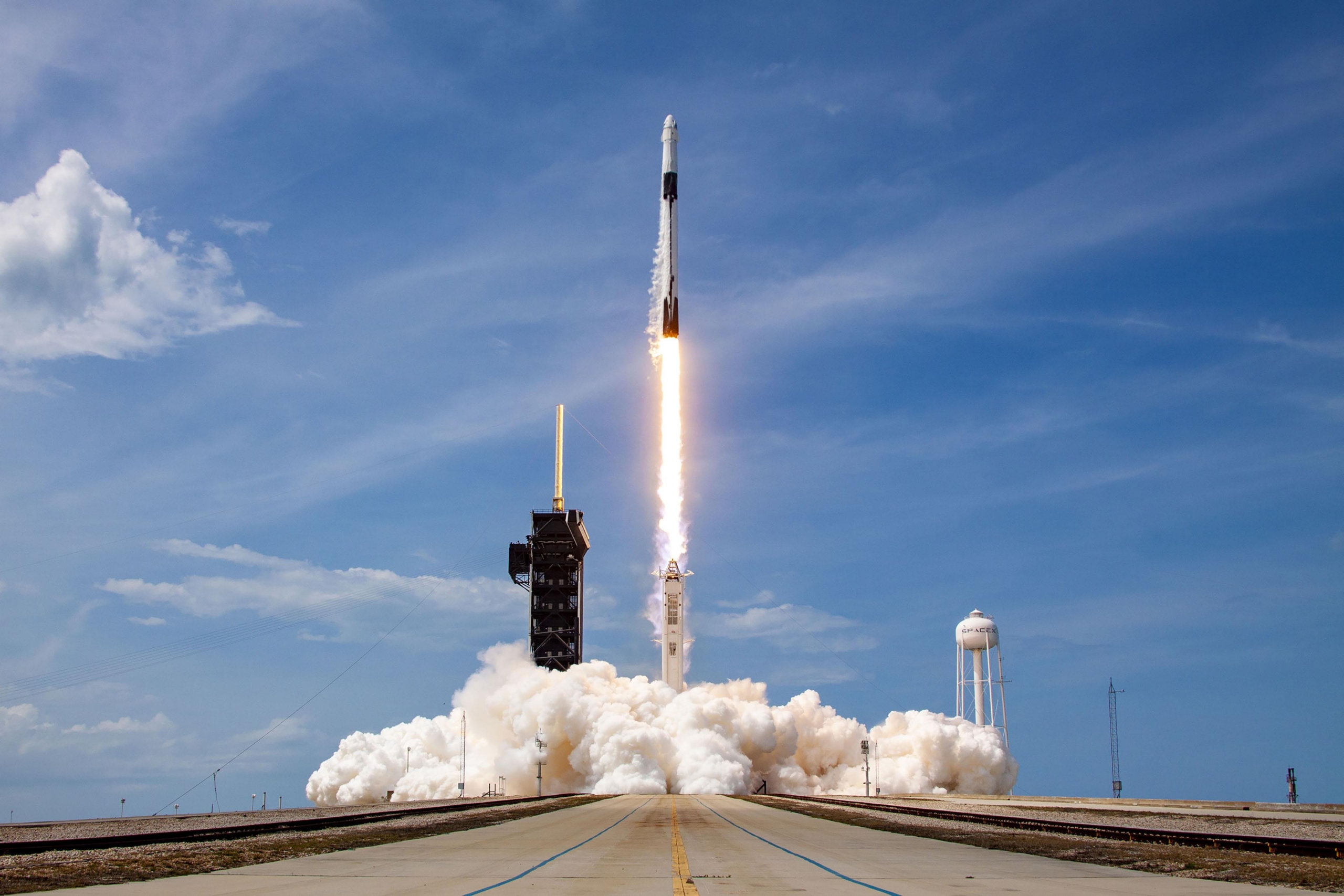
The US Federal Aviation Administration (FAA) has changed a policy governing the risks commercial aircraft face from falling rocket debris, removing a limit on the number of flights that may pass through certain higher-risk areas around space launches and re-entries.
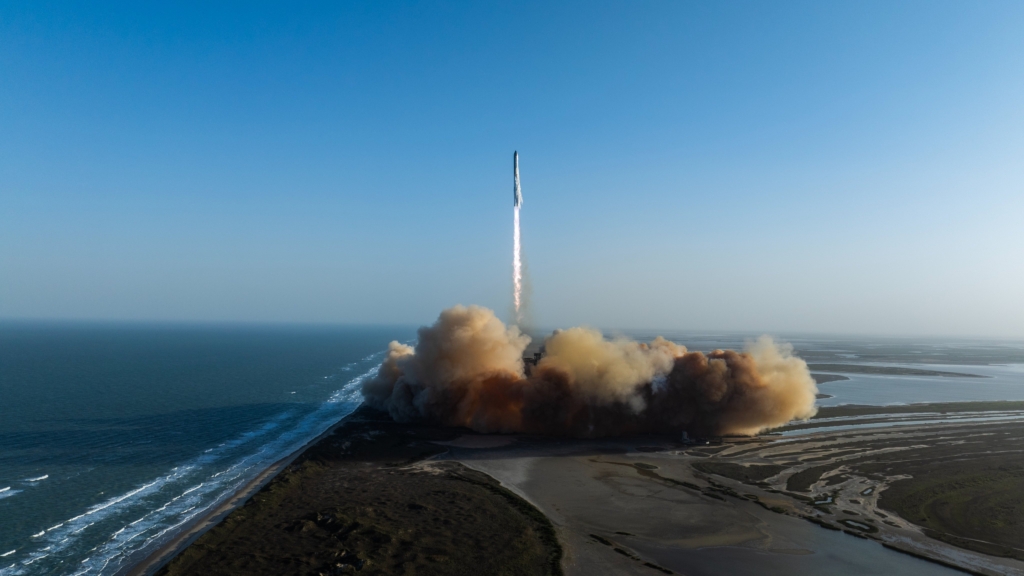
The change comes as commercial space operations are expected to grow rapidly, particularly as SpaceX pursues a dramatic increase in Starship launches.
The policy shift has prompted concern among airline pilots and safety advocates, who argue that accommodating more launches should not mean accepting greater risk to passengers and crews.
A new approach by the FAA to space debris risk
As reported by The Air Current, under the FAA’s previous acceptable level of risk (ALR) policy, aircraft could enter the outer portions of areas where falling space debris presented an elevated risk, but the agency imposed a rolling limit on the number of exposed flights.
That limit was set at 6,412 aircraft movements over 12 months. The FAA said the restriction provided 95% confidence that a fatal accident caused by launch or re-entry debris would not occur over an average human lifetime.
The most hazardous areas remain off-limits to aircraft. However, a decision made by the FAA’s Executive Safety Council on 8 June removed the numerical limit on flights passing through the less-dangerous portions of the affected airspace. The revised policy is scheduled to be implemented over the following year.
The FAA says its safety experts reviewed the available data and concluded that the revised approach remains safe. The Air Current reported that the agency also said the decision was not connected to SpaceX’s initial public offering.
The dilemma faced by the FAA regarding space debris
The disagreement centres on two hugely different measures of acceptable risk. Commercial aviation has traditionally worked toward a target of approximately 10⁻⁹, or no more than one catastrophic accident per billion flight hours. That philosophy has helped drive highly redundant aircraft systems and rigorous certification standards.
Commercial spaceflight operates under a less stringent framework. FAA regulations allow the probability of debris causing a casualty on an aircraft to reach 10⁻⁶ per launch or re-entry – roughly one event in a million operations.
The FAA’s previous policy attempted to reconcile these standards. Although individual flights could temporarily experience a greater risk than the aviation system normally accepts, limiting the number of exposed aircraft kept the overall risk within a level the agency considered tolerable.
With the rolling exposure limit removed, critics argue that the cumulative risk could rise substantially as launch activity increases.
Launch activity is set to accelerate in the future
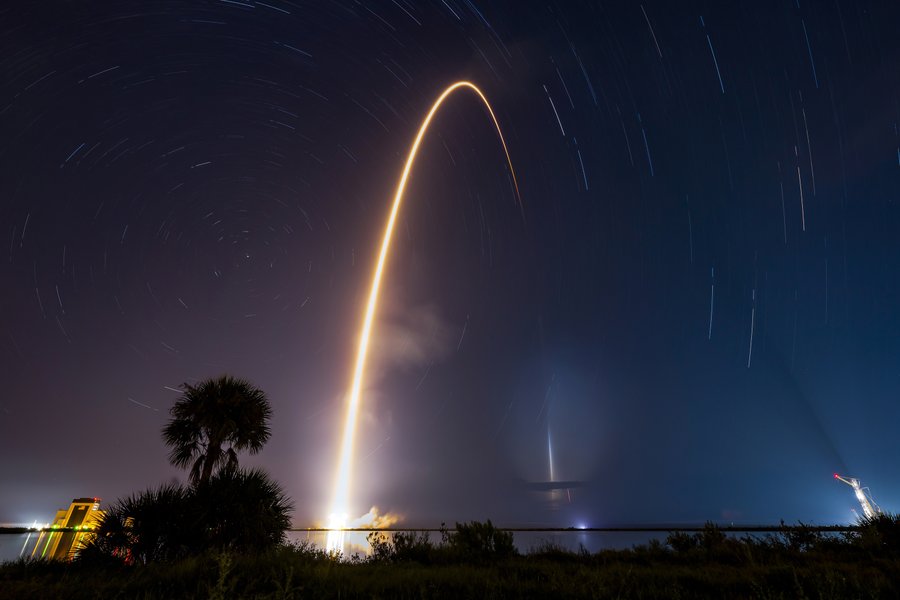
The policy change comes as the US space industry prepares for a significant increase in launch activity. FAA data cited by The Air Current show that the agency licensed 33 commercial space launches in 2018. By 2025, that figure had risen to 199, including 161 SpaceX operations.
The growth could accelerate further. The Trump administration has set a goal of supporting more than 1,000 launches and re-entries annually by 2030. SpaceX CEO Elon Musk has discussed an even more ambitious target of roughly 10,000 Starship launches per year by that time.
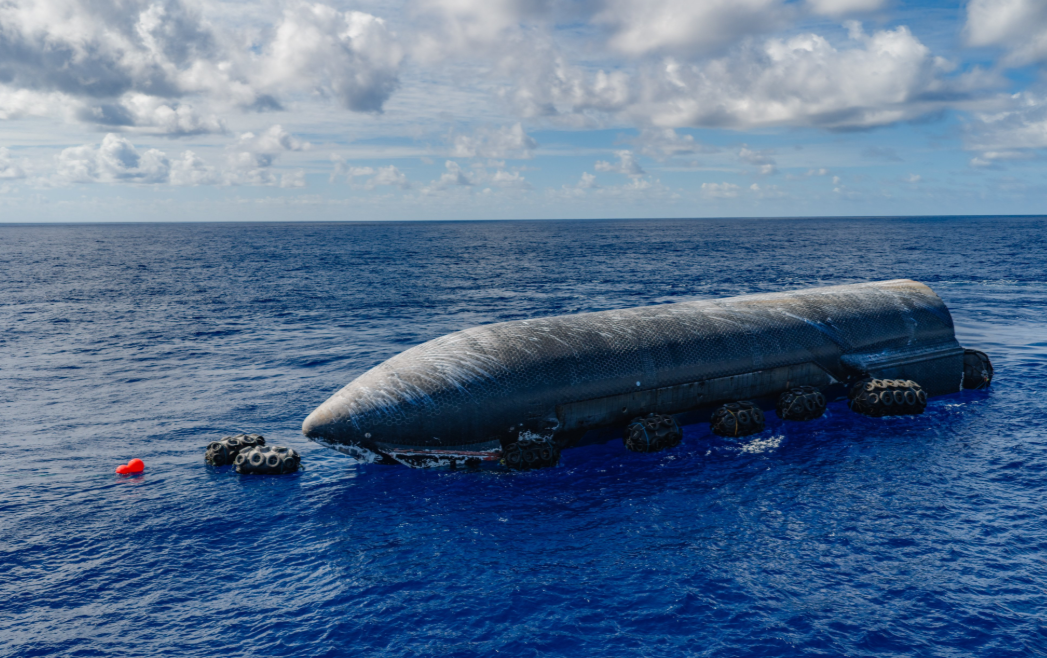
Starship’s previous failures have demonstrated why the issue matters to commercial aviation. When Starship 7 broke apart over the Caribbean in January 2025, falling debris prompted the creation of emergency debris response areas.
Several aircraft had to alter their plans, and three flights reportedly declared fuel emergencies while navigating the resulting restrictions.
Pilots want technology, not lower standards
The Air Line Pilots Association (ALPA), which represents about 80,000 airline pilots, has criticised the FAA’s decision. Steve Jangelis, ALPA’s aviation safety chair, said the organisation opposes using lower safety standards as the primary means of integrating commercial space activity into the national airspace system.
Tanner Furr, ALPA’s commercial space operations specialist, pointed instead to technological and operational improvements already being developed. These include tools that allow the FAA to model debris risks more quickly, reopen unaffected airspace sooner and refine the boundaries of temporary restrictions.
The Range Risk Analysis Tool, introduced after the Starship 7 incident, is one example. ALPA is also working with the FAA on a Real-Time Hazard Area Generation system intended to reduce the time required to calculate debris risks.
Other approaches include dividing aircraft hazard areas into smaller sections and using trajectory-based air traffic management so aircraft can be scheduled around space operations rather than relying on large, static airspace closures.
A bigger question for US airspace
The FAA says it will continue monitoring how many aircraft enter higher-risk areas and use that information to identify trends and strengthen safety oversight. The underlying challenge, however, is becoming increasingly clear: the US airspace system is being asked to accommodate two industries with vastly different approaches to risk.
As launch activity moves from dozens to potentially thousands of operations each year, the FAA will have to balance the rapid expansion of commercial spaceflight with the exceptionally high safety expectations that underpin commercial aviation.
For airlines and their pilots, the concern is not whether space launches should expand, but whether that expansion should require aircraft to accept risks that would normally be considered unacceptable.
Aerospace Global News has reached out to both the FAA and ALPA for further comment.


