Shotdown F-15E pilot recounts bizarre jellyfish drone formation in Iran

4 min read
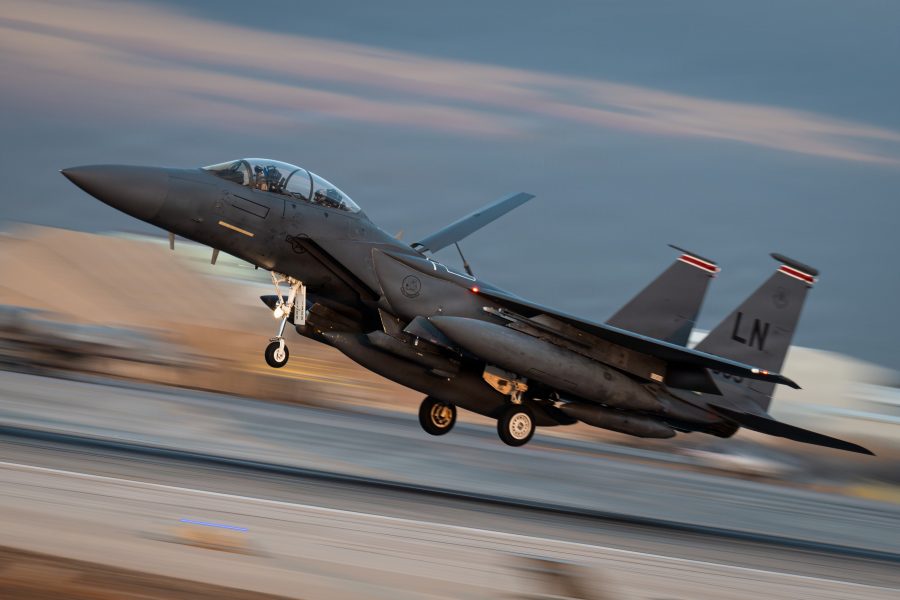
In another bombshell report on the saga of the US Air Force F-15E shoot-downs in Kuwait and Iran, the pilot has described a bizarre swarm of drones over Iran.
Carried exclusively by CNN, the report cited four unnamed sources who possessed knowledge of the pilot’s debrief testimony.
According to the sources, the pilot of the US F-15E Strike Eagle that was shot down over Iran described a “jellyfish” formation of drones, although they stopped short of saying the drones caused the crash. Rather, the pilot said they appeared after the shootdown occurred.
F-15E pilot claims they saw a “jellyfish” like drone swarm
According to the publication, the description was shared by the still-unnamed F-15 pilot with intelligence officials during a debriefing after being rescued. The rescue of the pilot and Weapon Systems Officer is one of the most dramatic stories of Operation Epic Fury.
A US fighter jet pilot rescued by special forces after being shot down over Iran in April described a shocking sight before ejecting from his aircraft: multiple Iranian drones hovering in the air, moving as one, in a formation that resembled a jellyfish, according to four sources… pic.twitter.com/RiAEUzEI3b
— CNN (@CNN) June 23, 2026
CNN writes that the account immediately “set off a firestorm debate” within the US intelligence community, which is still trying to work out what happened.
One source told CNN the pilot recounted seeing “Multiple drones interconnected and moving as one with smaller drones below the bigger drones like legs. Real alien sh*t.”
Another source relayed the pilot’s description as a “minefield of drones.”
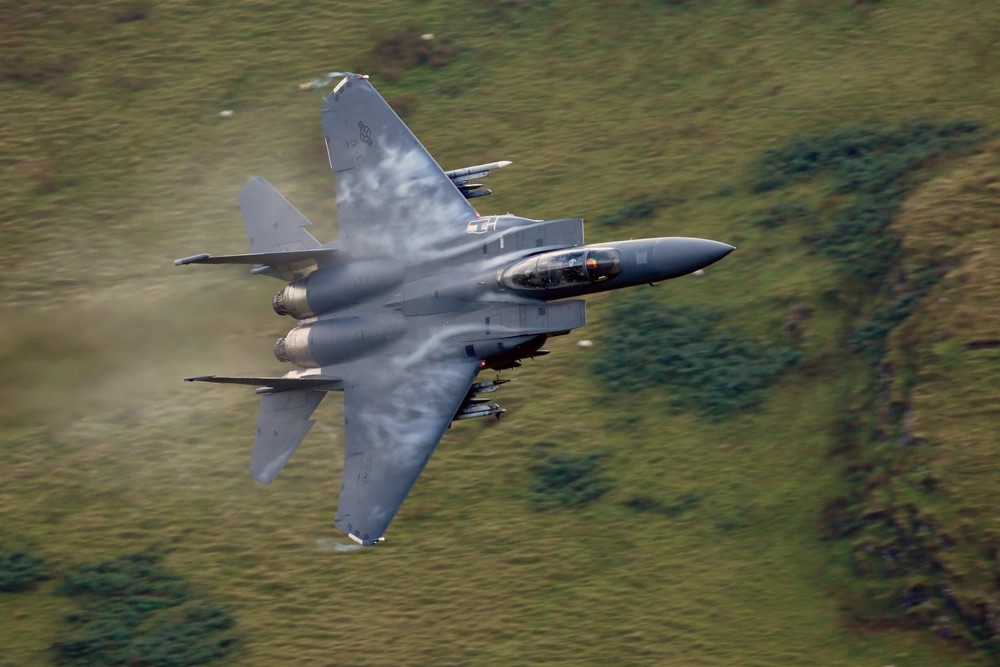
He painted a description of multiple Iranian drones hovering in the air, moving as one, in a formation that looked like a jellyfish.
Caution is needed before jumping to conclusions
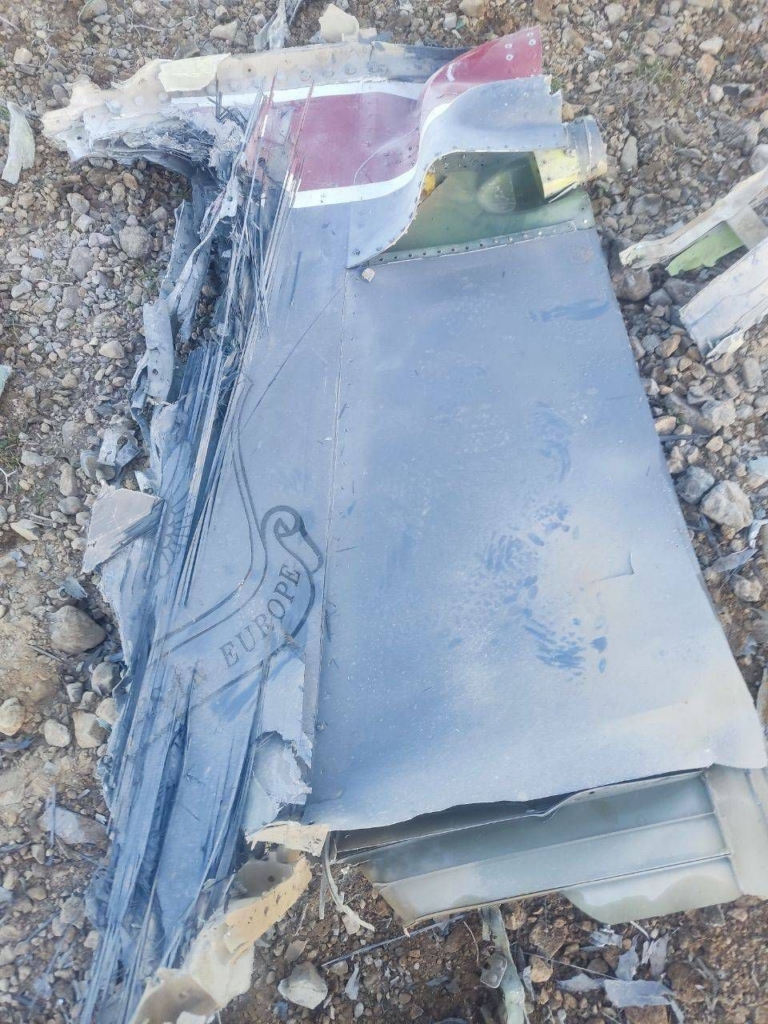
It remains too soon to draw any conclusions. The cause of the F-15E shootdown is still being investigated. NBC News has previously reported the jet was “probably struck by a Chinese-made shoulder-launched missile.
The drone formation may have enabled the shootdown to happen, rather than directly causing it. For now, US intelligence officials disagree on how to interpret the F-15E pilot’s account.
It is also unclear what type of drones would be able to threaten a fast jet and under what circumstances.
The kind of ‘jellyfish’ arrangement of drones has been described as one-to-many meshed networking – a communication and control architecture that enables effective drone swarming, particularly for allowing a single operator (or command node) to manage multiple drones simultaneously.
True drone swarming remains challenging and is often misrepresented in the media and in company marketing. Shield AI is one contractor working to develop true drone swarms.
There are also reasons to be cautious about the pilot’s recollection of events.
CNN writes, “For one thing, he was concussed in the crash. It was his second time being shot out of the sky during the Iran war… Had he witnessed a mature capability that US intelligence wasn’t aware of? A beta test? A mirage in the desert?”
It also paraphrased intelligence officials in the debrief as asking the pilot, “Are you sure you saw what you are saying you saw?”
There are reports that Iran has had help in developing its drone technology from China and Russia, although no similar reports have emerged from Ukraine. There, the drone advantage has swung decisively in Ukraine’s favour through the first half of 2026.
Get the latest aerospace defence news here on AGN.
An F-15E tale that just keeps on giving
As more information comes to light, the F-15E shoot-down becomes ever more intriguing. AGN has also reported that one of the downed pilots had already been shot down by a Kuwaiti F/A-18 Hornet by mistake. This was the first time an F-15 had been shot down in an air-to-air engagement.
Last week, AGN reported on an Iranian state news interview with a pair of Iranian Northrop F-5 pilots who apparently launched a daring raid on the US base in Kuwait. That raid led to confusion, which Iran claims resulted in three F-15Es being shot down in friendly fire, allowing the Iranian F-5s to escape.
A few weeks later, one of the downed pilots (all safely ejected) was back in the cockpit and was shot down a second time, this time by enemy fire. It is also known that the Weapons Systems Officer was a Colonel, a very high rank for a combat mission.
🇺🇸🇮🇷 An American A-10 Atack aircraft, flying over southern Iran, joined a search-and-rescue support operation for pilots. pic.twitter.com/s4jItfppkA
— Visioner (@visionergeo) April 3, 2026
The effort to rescue the WSO was an enormous undertaking deep behind enemy lines and saw more than 170 aircraft mobilised. The Iranians shot down one A-10 that was providing close air support, although the pilot made it to friendly Kuwaiti airspace, where he was able to bail out safely.
Rescue crews also destroyed two specialised MC-130Js and multiple Little Birds in place after they became stuck.
Featured Image: CENTCOM