Boeing 737 MAX software fault that can disrupt landing automation triggers FAA review

4 min read
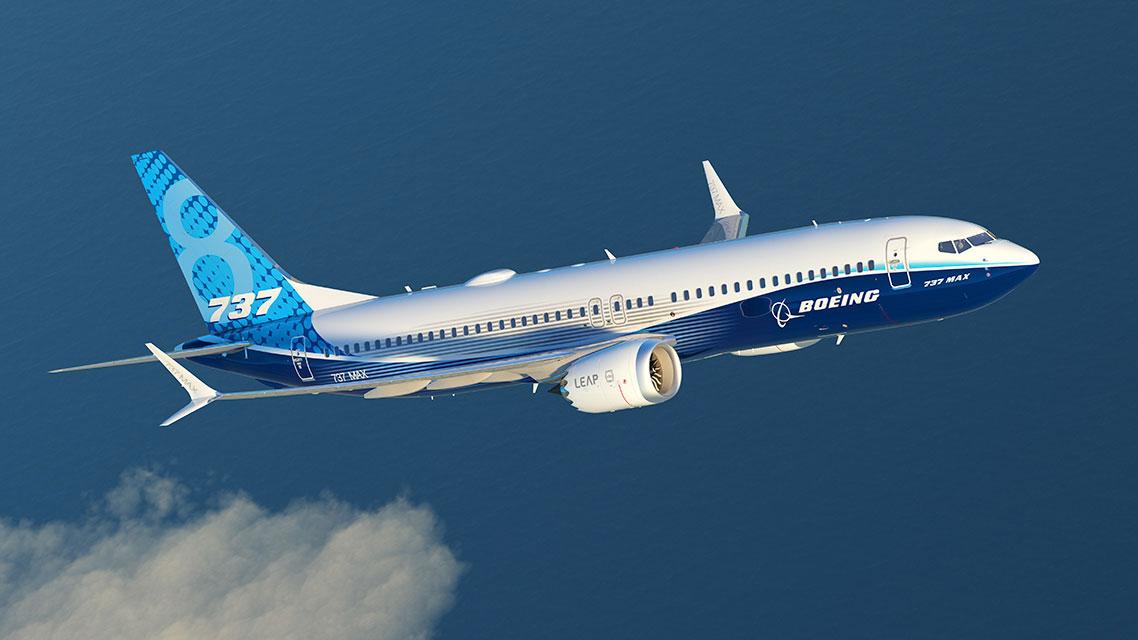
Boeing has identified a software fault in the 737 MAX flight management system that can cause pilots to lose automated vertical flight guidance during a specific missed-approach procedure. The fault has prompted a new Federal Aviation Administration (FAA) review.
The problem affects newer versions of the aircraft’s flight management computer software. It can occur after pilots abandon a landing attempt and change their programmed flight path.
Boeing says existing procedures let pilots handle the condition safely and keep the autopilot available. The FAA is reviewing the problem and Boeing’s proposed solution.
The discovery comes at a sensitive time for Boeing. The FAA certified the 737 MAX 7 on 3 August. Boeing CEO Kelly Ortberg said earlier this month that certification of the larger MAX 10 was coming “very soon.”
What happens when the Boeing 737 MAX software fault occurs?
The fault involves the 737’s flight management computer and its vertical navigation, or VNAV, function.
VNAV is an automated flight-management function that helps the aircraft follow a calculated vertical flight path, including programmed altitude constraints.
According to CBS News, the fault can occur during a specific sequence of events. An aircraft conducts a precision approach with the autopilot engaged and abandons the approach, changing its pre-programmed flight path. VNAV can then disengage.

Losing VNAV does not mean pilots lose control of the aircraft or necessarily lose the autopilot. The system can instead revert to manual control or secondary pitch-control modes. Pilots can still control the aircraft’s vertical path. However, the fault removes a layer of automation during a go-around — a phase of flight in which pilots are already changing configuration, managing power and following revised air traffic control instructions.
“Last month, we informed all 737 operators about a software issue where pilots may not have access to automated flight guidance during a specific landing scenario,” Boeing told CBS.
“We shared information with operators that reinforced existing pilot procedures for safely handling such cases. Our engineers are working on a software update to permanently address the issue,” Boeing told Reuters.
FAA launches formal review
The FAA said it is working with Boeing and airlines to determine whether further action is required.
“The FAA is aware of a potential issue in a software update for the flight computers on certain Boeing 737 MAX aeroplanes and is working closely with Boeing and the airlines,” the regulator told CBS.
The FAA plans to convene a Corrective Action Review Board (CARB) to assess the issue and Boeing’s proposed remedy. The agency said it would take immediate action if it identifies a safety concern.
Boeing first learned of the problem in 2024
The fault is not newly discovered. CBS reports that an airline first alerted Boeing to the behaviour in November 2024.
Boeing investigated and concluded in February 2025 that the condition did not represent a safety issue. However, subsequent information from operators prompted Boeing to undertake a formal safety review.
The manufacturer provided the findings to the FAA this month. The affected flight management computer software versions are U14 and U14.1.
FAA documentation confirms that U14 is a new generation of 737 flight management software.
US airlines say their existing MAX fleets are unaffected
The issue does not appear to affect the MAX aircraft currently operated by several major US airlines.
Alaska Airlines, American Airlines, Southwest Airlines and United Airlines told CBS that their in-service 737 MAX fleets do not use the affected software.
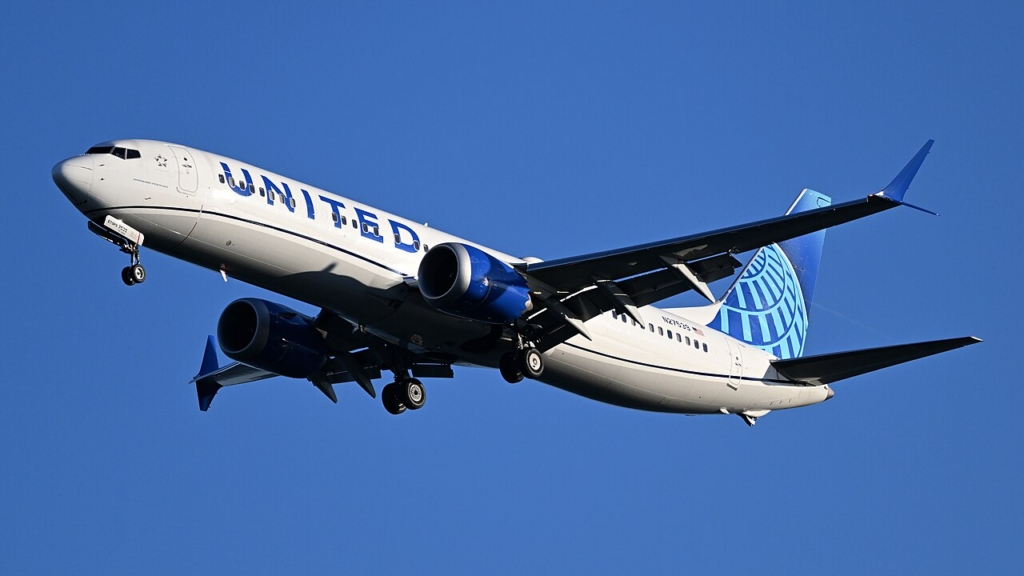
Southwest and United have also reportedly told Boeing they will not accept new aircraft fitted with the affected software and would instead take aircraft using an earlier version.
The number of aircraft worldwide currently fitted with U14 or U14.1 is unclear.
Software problem emerges as MAX 10 nears certification
The fault disclosure comes as Boeing anticipates certification of its largest 737 variant.
The FAA approved the MAX 7 on 3 August after what it described as almost a decade of review. The regulator said certification included extensive assessment of flight controls, system safety, human factors and flightcrew alerting.
Boeing said the programme had accumulated almost 700 flight-test hours across 440 flights. CBS reports that the MAX 7 was certified using version 14 of the software now under review.
The MAX 10 has used version 14.1 during certification testing. That aircraft is now close to a major regulatory decision.

Boeing CEO Kelly Ortberg said on 16 September that all MAX 10 certification flight testing had been completed.
“We’re in close coordination with them [the FAA], and I think you’re going to see that certification very soon,” Ortberg said. “We’ve completed all the flight testing. Now we’re just in the documentation phase.”
Boeing had already confirmed in its second-quarter results that certification flight testing was complete for both the MAX 7 and MAX 10. At the time, it expected certification of the MAX 10 in 2026 and first delivery in 2027.
The FAA has not said that the newly identified software issue will delay MAX 10 certification. However, the software review presents another regulatory hurdle as Boeing works to bring the 737 MAX 10 into service.
Boeing is developing a permanent software fix. For now, the FAA’s Corrective Action Review Board will determine whether the software behaviour represents a safety concern and what corrective measures, if any, are required.
Sign up for our newsletter and get our latest content in your inbox.


More from


October 17, 20264 min read