Boeing 737 MAX 7 finally cleared for service following FAA certification

5 min read
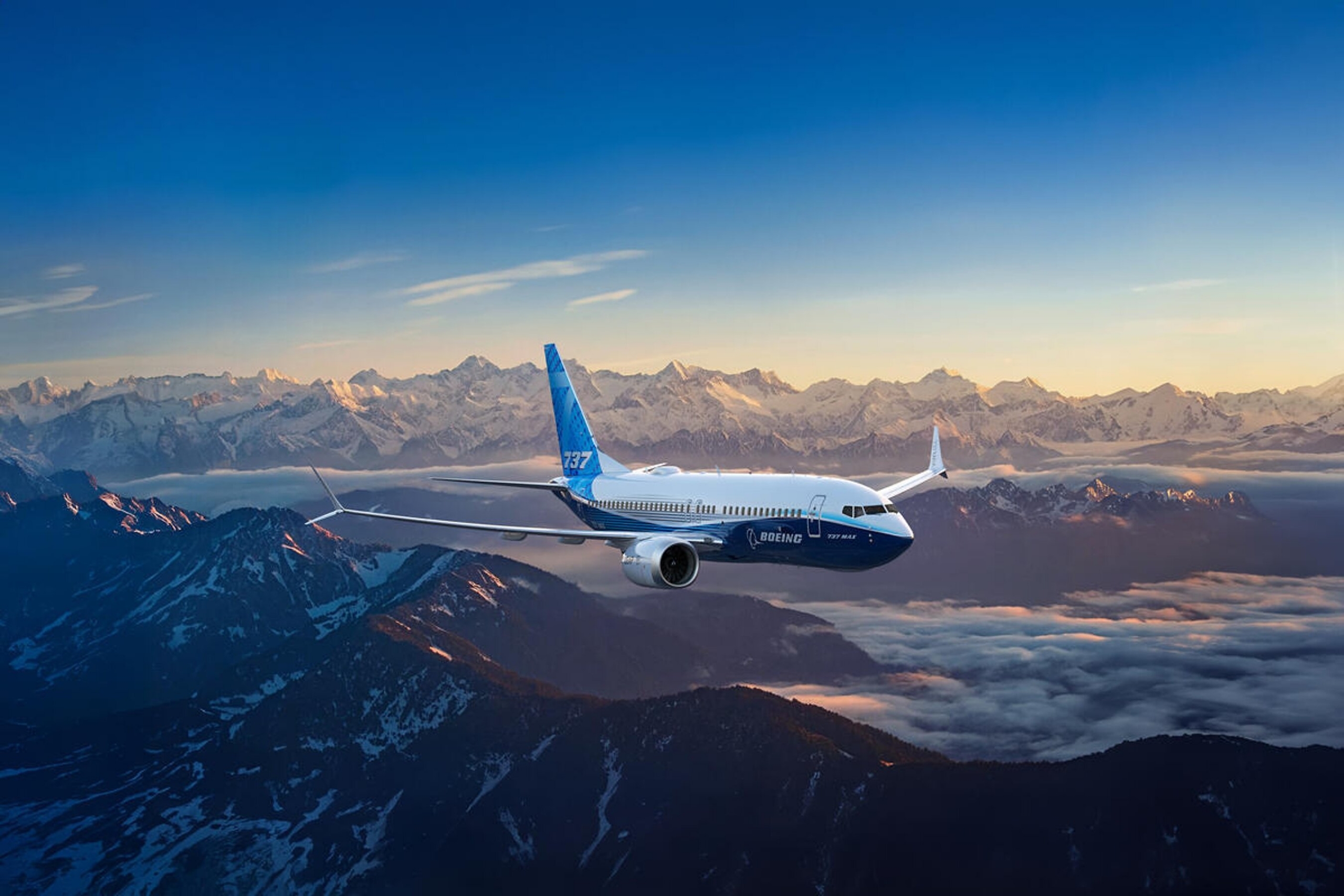
The US Federal Aviation Administration (FAA) has certified the Boeing 737 MAX 7, clearing the smallest member of the MAX family for commercial service after years of regulatory delays. It marks the end of one of Boeing’s longest certification campaigns, allowing deliveries to begin and giving the variant’s largest customer, Southwest Airlines, access to an aircraft they have been planning around for years.
The certification follows extensive redesign work, including changes to the engine anti-ice system, flight control software and cockpit alerting, alongside heightened FAA oversight introduced after the two fatal 737 MAX crashes, a mid-air door plug blowout, and subsequent production quality concerns.
Boeing’s rigorous certification process validated
The FAA granted Boeing an amended type certificate for the 737-7 on August 3, clearing the aircraft for commercial service after nearly a decade of review.
“The approval reflects years of sustained work to resolve complex technical issues and complete a thorough review of the airplane’s design and supporting safety analyses,” the FAA stated. “Throughout the process, the FAA performed or directly reviewed significant work involving flight controls, system safety assessments, human factors, flightcrew alerting, and other novel, complex, or safety-critical areas, while also requiring testing, design changes, and additional analysis where necessary.
“Before granting approval, the FAA required the MAX-7 to incorporate key improvements that address requirements in the Aircraft Certification, Safety, and Accountability Act and NTSB recommendations, including updates to the flight-control software, flightcrew alerting system, and a redesigned engine anti-ice system. These changes provide pilots clearer information and warnings and prevent the engine inlet from overheating and potentially weakening the surrounding structure.”
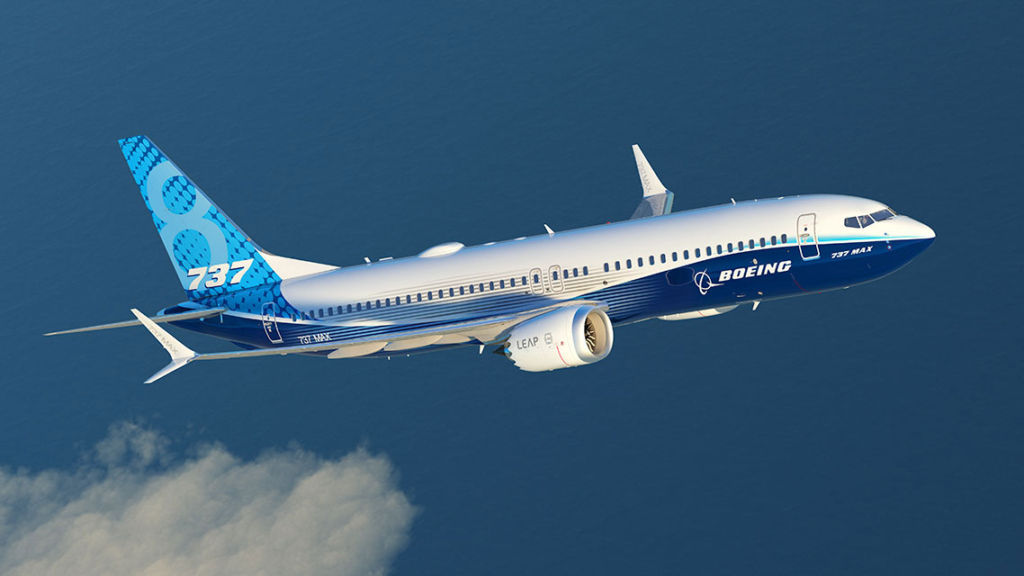
The FAA stressed that certification of the MAX 7 reflects years of detailed technical review and does not signal any easing of oversight. The agency said it will continue closely monitoring Boeing’s production and quality systems even as deliveries begin.
“This important certification validates the rigour of our aeroplane’s design and recognises the determination and resilience of our 737 MAX development team,” said Stephanie Pope, president and CEO of Boeing Commercial Airplanes.
“Our Boeing team held regular and detailed discussions with the FAA to ensure Boeing understood the requirements and provided transparency of our progress,” said Mike Sinnett, senior vice president of Product Strategy, Product Development and Development Programs. “With this certification program, Boeing has developed a clearer understanding of the latest regulatory requirements, which is expected to accelerate future aeroplane development with a renewed emphasis on human factors, safety and quality.”
The company is now preparing to deliver the first aircraft.
Why the Boeing 737 MAX 7 matters
Although the MAX 8 remains Boeing’s highest-volume seller, the MAX 7 fills an important niche.
Compared with the larger variants, it offers:
- Capacity for 135-160 passengers
- Up to 3,800 nautical miles of range
- Lower trip costs on thinner routes
- Better performance from airports with high elevation or hot operating conditions
- A natural replacement for ageing 737-700 fleets
The aircraft’s combination of long range and relatively small capacity allows airlines to serve routes that may not support larger narrowbody aircraft while maintaining commonality with the rest of the 737 MAX family.
Southwest Airlines tops the waiting list
No airline has more at stake than Southwest Airlines, which has built much of its long-term fleet strategy around the 737 MAX 7.
The Dallas-based carrier is the launch customer and has more than 300 MAX 7s on order, making it by far the largest customer for the type. Years of certification delays forced Southwest to repeatedly revise its fleet plans, accept additional 737 MAX 8 deliveries instead and postpone retirement of older 737-700 aircraft.

The aircraft is particularly suited to operations from hot-and-high airports and offers the lowest operating costs per trip in the MAX family.
While many airlines have focused on optimising trip costs, there are many underserved US markets better suited to smaller-capacity aircraft, where lower overall trip costs yields greater benefit than reducing individual seat costs. The 737 MAX 7 will allow Southwest to better serve these markets with low fares while remaining profitable.
Although certification is now complete, Southwest has indicated it does not expect to place the aircraft into scheduled service before spring 2027, allowing time for pilot training, fleet introduction and operational preparations.
WestJet may now reconsider the MAX 7
While Southwest dominates the order book for this 737 MAX variant, WestJet had previously ordered 23. It has converted many of these orders to the 737 MAX 8 as the MAX 7 certification timeline has been extended.
The airline evaluated the seat-cost vs trip-cost advantage of each 737 MAX variant and generally decided in favour of larger-capacity variants, placing an order for an additional 60 737 MAX 10s last year, bringing WestJet’s 737 MAX 10 orderbook to 107 aeroplanes.
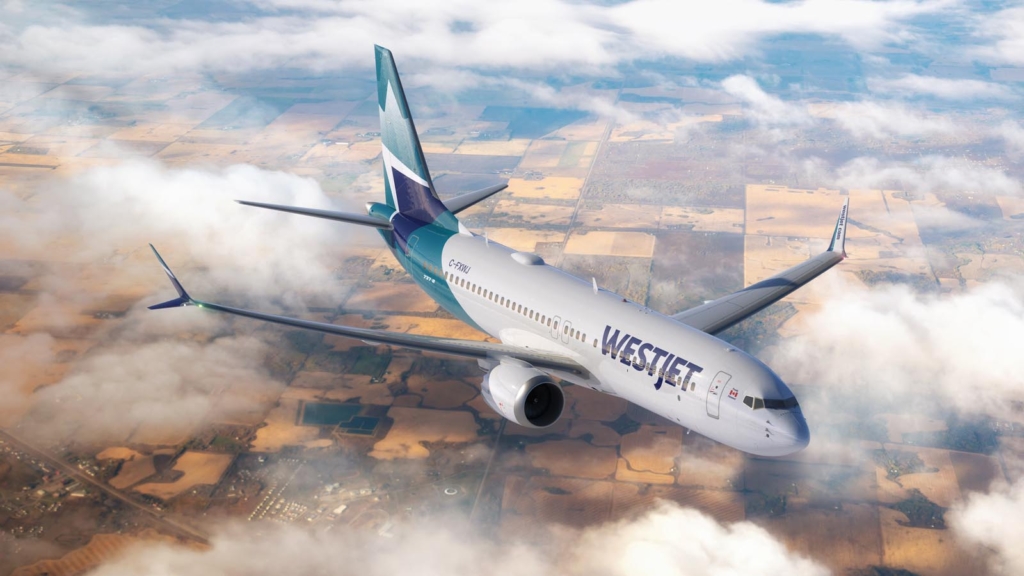
However, WestJet could still benefit from approval for the smaller aircraft. The Canadian carrier first ordered the MAX 7 because the aircraft closely matches the capacity of its Boeing 737-700 fleet. The airline still has 35 of these 737-700s in its fleet, with an average age of over 20 years, and they need to be replaced.
WestJet converted many of its initial MAX 7 orders to larger MAX 8s during the lengthy certification delays, but certification now allows Boeing to offer the variant to airlines seeking a direct 737-700 replacement.
Boeing Business Jets (BBJ) customers will also welcome certification of the smallest MAX variant, which combines long range with relatively low operating costs and the cabin space required for VIP completions. According to Planespotters’ data, Indonesia’s Jhonlin Air Transport has been awaiting the VIP aircraft variant.
Future operators of the Boeing 737 MAX 7
The certification also opens the door to airlines operating ageing Boeing 737-700 fleets, and to other carriers that want to take advantage of the variant’s optimal trip costs to profitably tap into markets where passenger demand is constant but smaller.
With seating capacity similar to the -700 but significantly improved fuel efficiency and greater range, the MAX 7 offers an attractive replacement for carriers looking to modernise their fleet without upgauging aircraft size.
Next milestone: The 737 MAX 10
With the MAX 7 now approved, attention shifts to the largest member of the family, the 737 MAX 10. The aircraft can seat between 185 and 230 passengers and offers a range of up to 3,100 nautical miles (5,740 km).
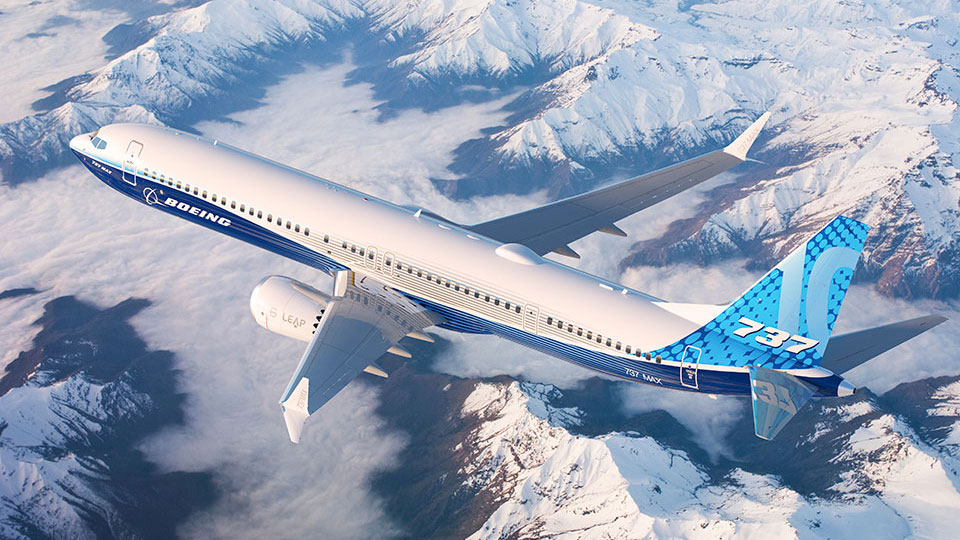
Boeing completed certification flight testing on the aircraft in July, and executives have said they expect FAA certification before the end of 2026. The MAX 10 is particularly important for United Airlines, which will use the variant to compete more effectively in the high-capacity single-aisle market.