Conventional bladed disks or blisks? The MRO perspective

3 min read
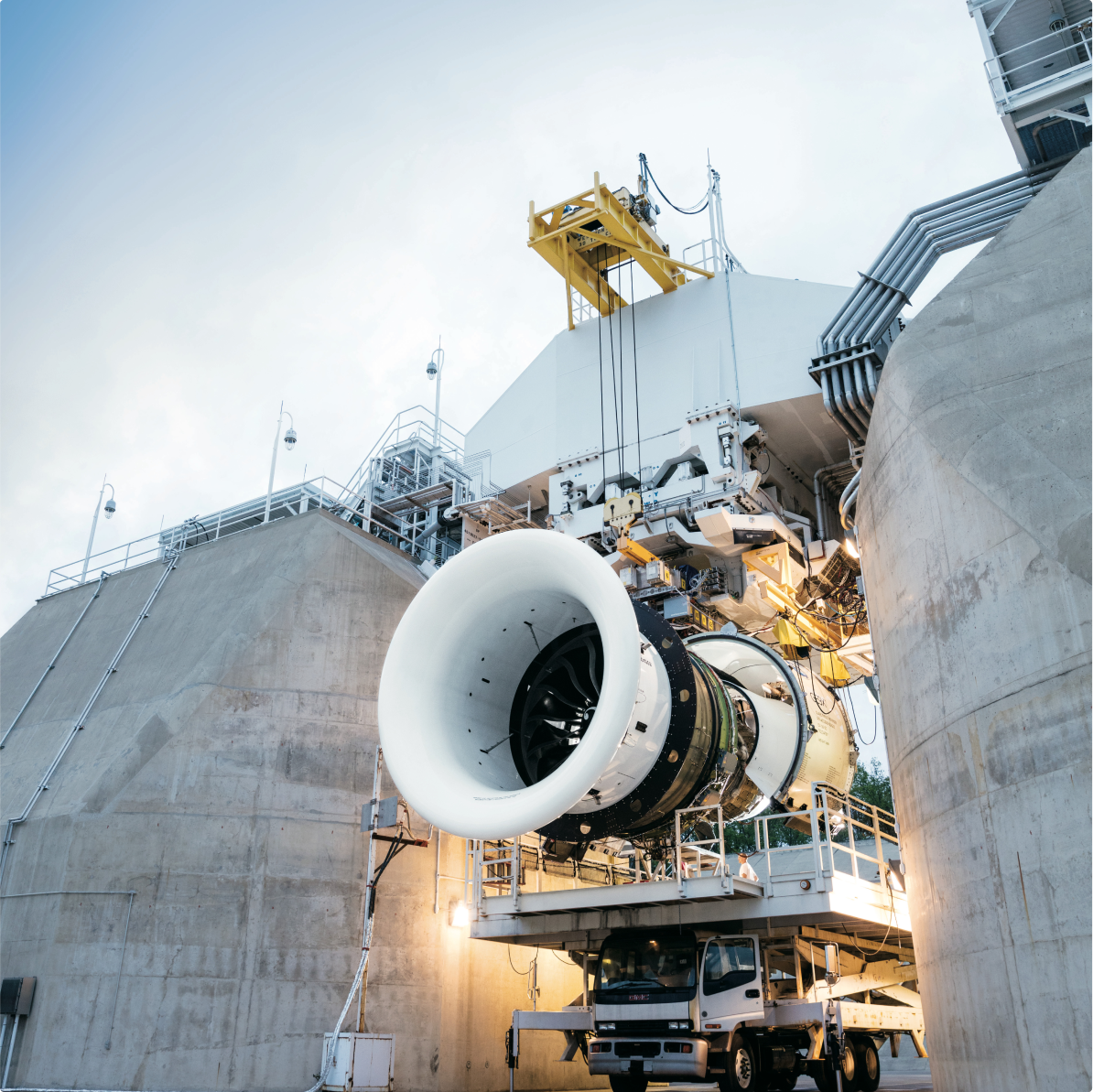
Jet engines work by compressing cold ambient air through a series of compression stages before igniting it with fuel. During expansion, hot gases from the combustor pass through multiple stages of turbines. Each stage comprises rotating blades and stationary vanes, allowing a smooth transition of thrust-generating flow.
In conventional jet engine designs, blades and disks are manufactured separately and then fastened together. In newer, more efficient designs, rotating disks and blades are manufactured from a single piece of forged metal, a blisk. While fewer parts and attachments make blisks highly efficient, the cost and complexity of repairs pose a challenge.
Blisks are operationally more efficient
Unlike traditional bladed disks, a blisk eliminates the need for additional parts such as bolts, retainers, and spacers. Blisks require fewer attachment points, reducing engine weight and design complexity.
The GE9X engine, which powers the Boeing 777X twinjet, features a blisk design in its high-pressure compressor (HPC). The first five stages of the HPC are blisks, combining hundreds of individual parts into just a few.
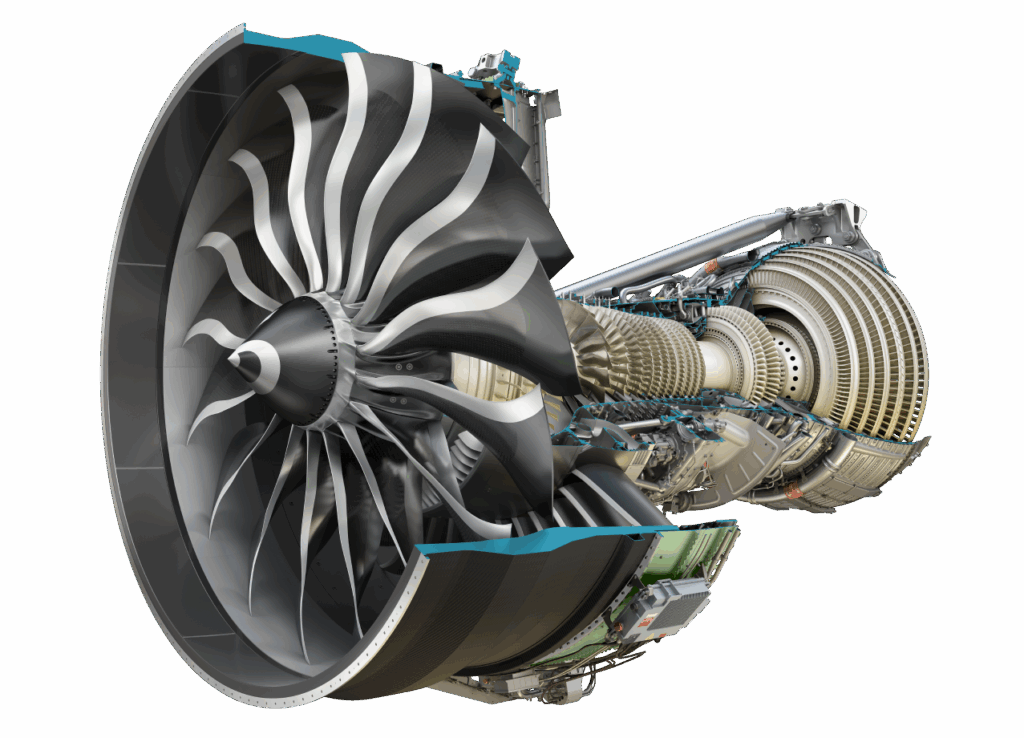
Blisks significantly minimise drag and enhance engine efficiency. GE Aerospace claims that the GE9X engine achieves a greater pressure ratio (60:1) compared to its predecessor, GE90 (42:1), delivering approximately 10% greater fuel efficiency. With fewer attachments, the likelihood of crack development during normal operation is significantly lower.
The Maintenance, Repair, Overhaul (MRO) perspective
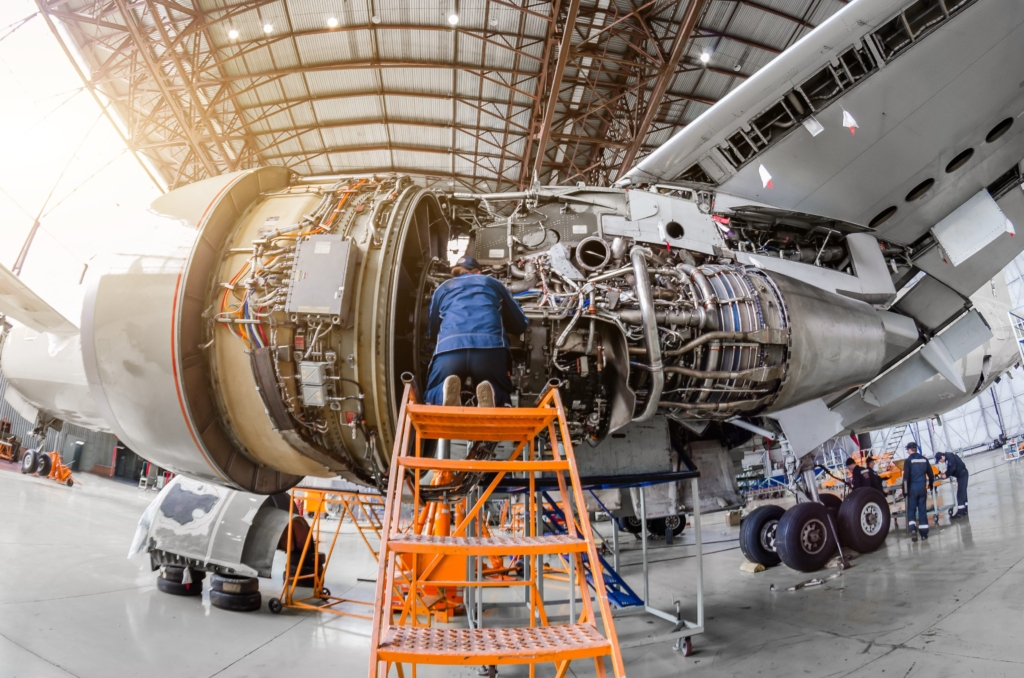
Despite the design and operational advantages of a blisk, the cost to repair it is concerning. On traditional disks, individual blades can be replaced in case of damage. During an MRO shop visit, damaged blades can be replaced through what is called a top-case repair. Only the top section of the compressor casing is removed to carry out blade replacement.
With an aircraft powered by GE Aerospace or one of our partners taking off every 2️⃣ seconds somewhere in the world, we're beefing up our global maintenance, repair, and overhaul (MRO) network.
— GE Aerospace (@GE_Aerospace) August 28, 2024
Through our $1 billion dollar investment in facilities, we'll be able to shorten… pic.twitter.com/e5FXhOdNuN
If a blade on a blisk is damaged, the entire section must be disassembled to repair or replace the blisk. The maintenance visit incurs high cost and downtime, posing a challenge to the operator’s bottom line.
Development in repair technologies of blisks
Newer repair technologies are being researched to mitigate challenges associated with cost and serviceability compliance. The University of British Columbia (UBC), along with the Canadian Neuron Beam Center (CNBC), is testing an advanced welding technology known as linear friction welding to repair blisks.
A damaged blade can be cut out from the blisk, and a new blade can be welded onto the alloy without melting it. Professor Lukas Bichler from UBC-Okanagan states,
“We are studying how linear friction welding could be used to repair blisks effectively and efficiently, thereby helping to provide the assurance that the industry needs before deploying blisks more widely.”
While linear friction welding changes the material properties of the alloy, realistic operational conditions are thoroughly researched to understand how the repaired material would perform in service. Researchers from UBC and CNBC aim to measure material stress precisely. The non-destructive stress data at precise locations of the newly-welded block show how welding affects the material’s microstructure.
Another blisk repair method that is extensively tested and perfected is Laser Engineered Net Shaping (LENS). This additive manufacturing technique uses a laser to melt and deposit powdered material into the damaged area. LENS may be followed by precise machining to restore the original shape and configuration.
With further development of repair technologies, innovative blisk designs can be adopted for next-generation turbine engines.
Featured Image: GE Aerospace