


Which airlines were most punctual during August’s peak travel rush?

6 min read

The peak northern hemisphere summer month of August traditionally tests the airline and airport sectors as they face surging passenger numbers – often at the same time as thunderstorms, industrial action and staffing shortages put additional pressure on the network.
Many carriers run at near maximum capacity over the busy summer season as millions of passengers travel for their holidays, leaving little slack in the system when things don’t go to plan.
The most punctual airlines in August
OAG’s latest on-time performance data shows a wide variation in how airlines coped with the pressure, with some maintaining impressive punctuality despite the challenges, while others relied on cancellations or absorbed significant delays to keep flying.
South Africa’s Safair was the standout performer, recording an on-time performance (OTP) rate of 94% across 5,139 flights in August. It cancelled just three services last month, and comes as Africa’s wider aviation market shows signs of robust growth.
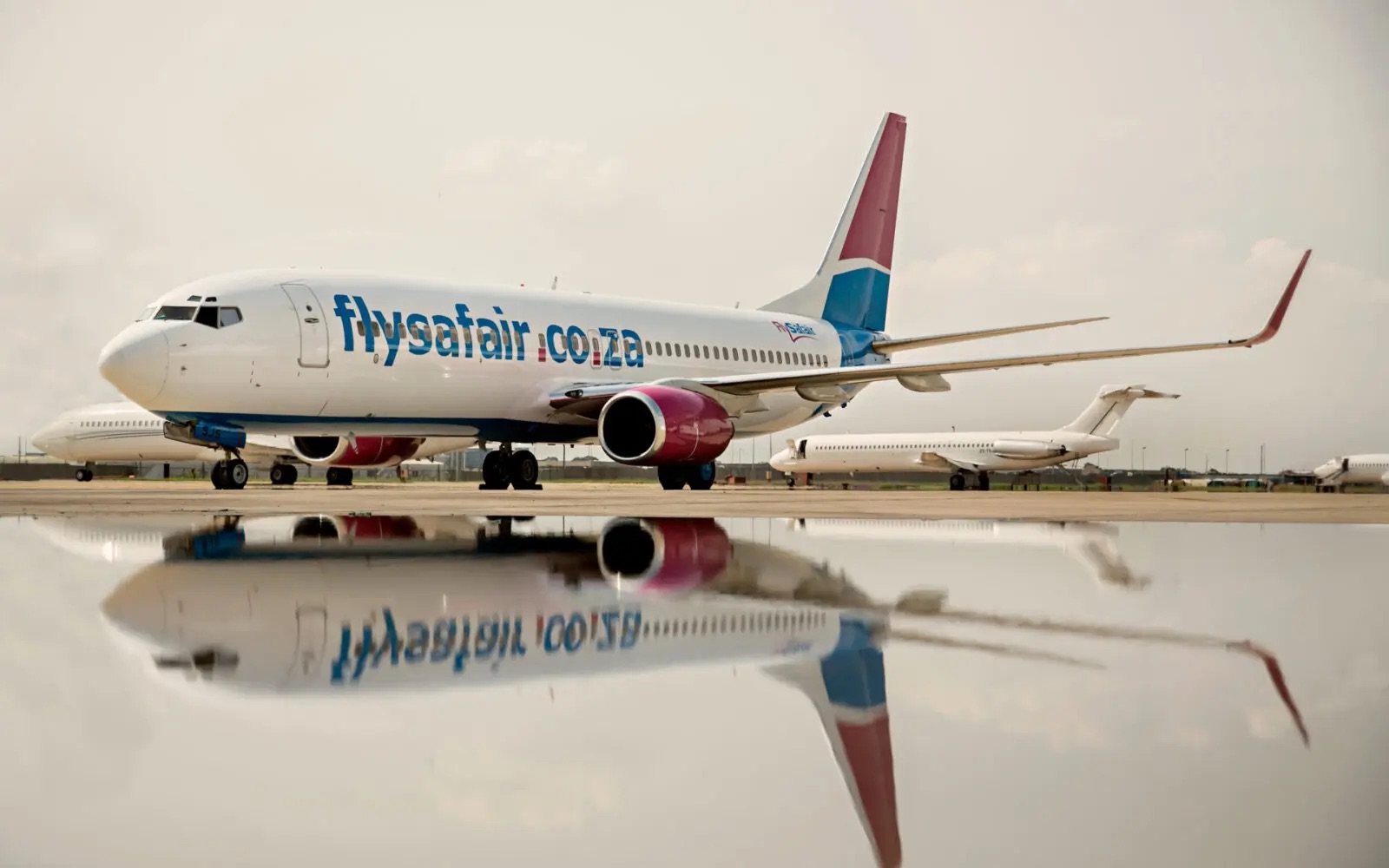
Four other airlines achieved an OTP of at least 90% while keeping cancellations below 1%. Japan’s Fuji Dream Airlines recorded 93%, Royal Jordanian 91% and Gulf Air 90%.
The performance of the latter two is particularly notable given the disruption affecting aviation in the Middle East.
Both airlines maintained their position among the strongest performers despite the operational challenges in the region.
How airlines coped with August’s travel surge
John Grant, OAG’s chief analyst, described August as the busiest month of the year, with many airlines operating at maximum capacity.
“August is the busiest month of the year, and with many airlines operating at maximum capacity, it demands high on-time performance,” he said.
The figures also show that punctuality is not the only measure of how an airline manages a busy schedule.
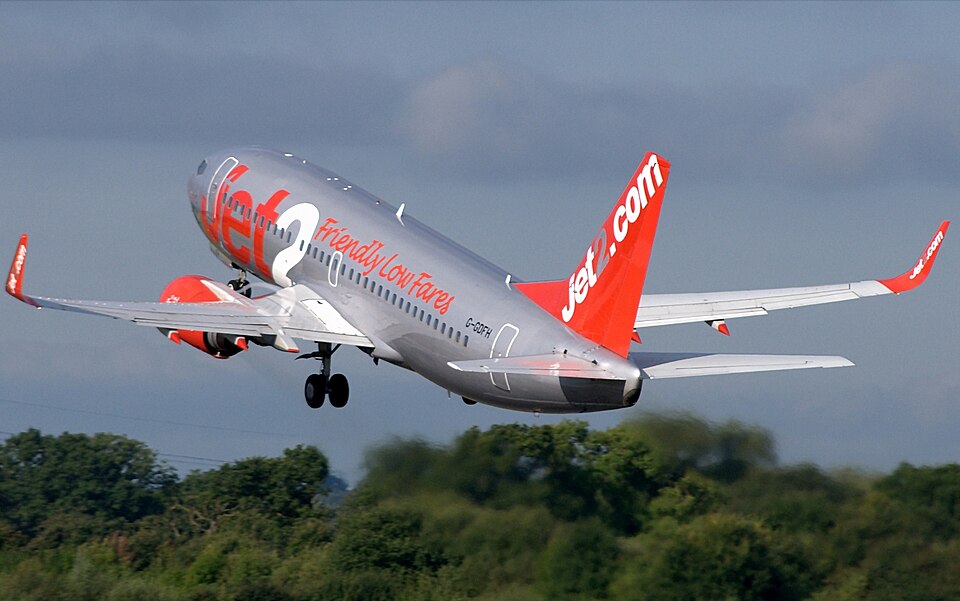
Seven airlines completed August without cancelling a single scheduled flight. Among them was UK leisure carrier Jet2, which operated 16,160 scheduled flights without a cancellation. On the flip side, however, its OTP rate sat at only 60%.
Greece’s SkyExpress also recorded zero cancellations across 6,772 flights, but just 52% of its services arrived on time (measured against whether a flight arrives within 15 minutes of its scheduled time, with cancellations counted as not on time).
Global flight cancellations decline month-on-month
Separate figures from Cirium show that globally, flight cancellations declined from 71,840 in July to 59,785 in August, representing a 17% month-over-month improvement.
Asia Pacific recorded the strongest reduction at 23%, followed by North America at 20% and the Middle East and Africa at 15%.
However, cancellations rose 34% in Latin America and were also up 0.36% in Europe.
Aeromexico topped the global and Latin American rankings with an on-time arrival rate of 89.74%, while Singapore Airlines led the Asia-Pacific region at 87.91%.
WestJet, SAS and FlySafair retained their regional leadership positions in the Americas, Europe and Africa respectively.
SAS leads Europe for punctuality
OAG’s figures showed that Scandinavian Airlines was Europe’s most punctual airline in August, with 87% of flights arriving on time. Aer Lingus followed at 83.1%, while Icelandair recorded 81.7%.
SAS said that despite August being one of the busiest months for European air travel, with high passenger volumes, crowded airspace, and demanding operational conditions across major hubs, the carrier still managed to deliver a “stable and predictable performance” across its network.
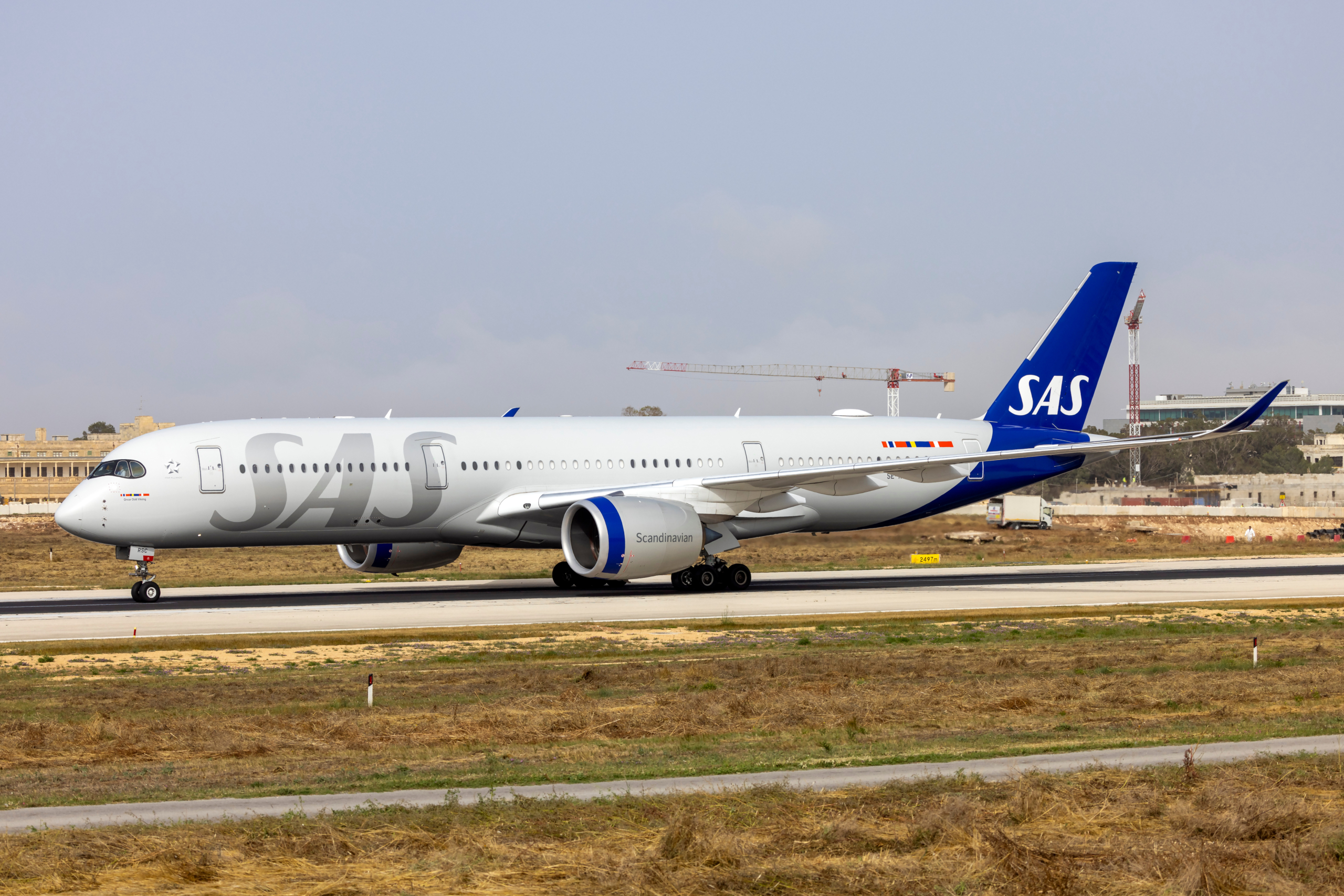
“Being named Europe’s most punctual airline once again is important because punctuality is one of the clearest ways we deliver value to our customers,” said Paul Verhagen, chief commercial officer at SAS.
“Whether they are travelling for business, connecting to another flight, or heading home to their families, our customers rely on us to get them there on time. This result reflects the dedication of colleagues across SAS and our continued focus on making travel as smooth, reliable, and predictable as possible.”
The performance of Europe’s major low-cost carriers was considerably more varied.
Ryanair operated 114,852 of its 116,221 scheduled flights, giving it a cancellation rate of just 0.4%.
Wizz Air performed even better on cancellations, with only 19 flights cancelled, equivalent to 0.1% of its planned operation.
London Heathrow Airport witnessed its busiest ever day on 2 August, with nearly 272,000 passengers passing through the hub.
Heathrow ended the peak summer period with 23 million passengers from June to August. In August alone, 7.8m passengers used the airport.
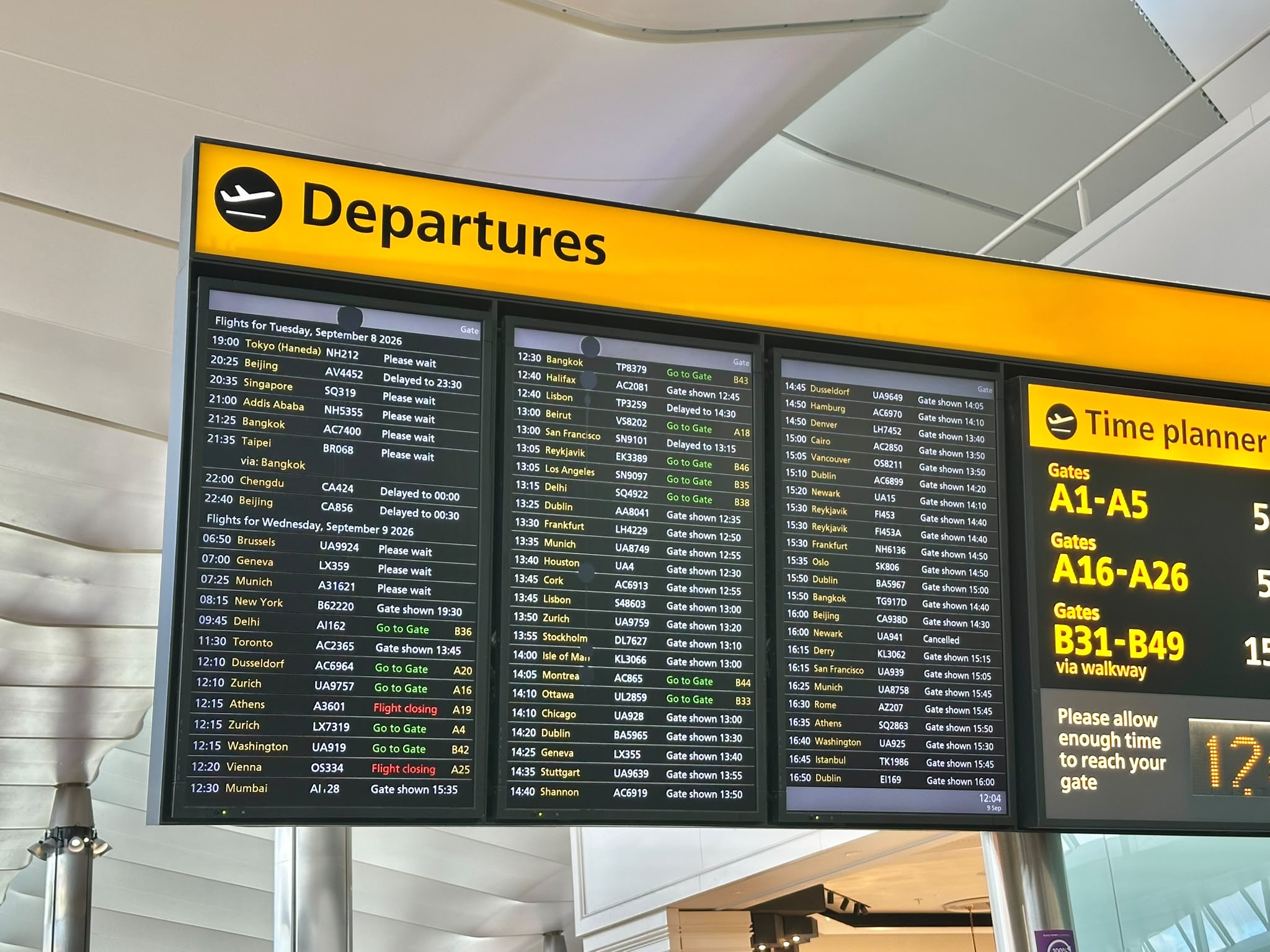
Heathrow CEO Thomas Woldbye said: “This summer Heathrow remained Europe’s most punctual hub.
“The longest queue at Heathrow is now the one made up of over 40 airlines that want to better connect the UK but can’t secure a slot because our runways are full.”
Storms and geography challenge North America airlines
The picture was more difficult in North America, where summer storms and the continent’s geography contributed to significant disruption.
Five airlines cancelled more than 5% of their scheduled flights. Air Inuit had the highest cancellation rate at 6.8% and achieved an OTP of just 56.7%.
Among the larger Canadian carriers, WestJet cancelled 6.3% of its planned services, while Air Canada cancelled 5%.
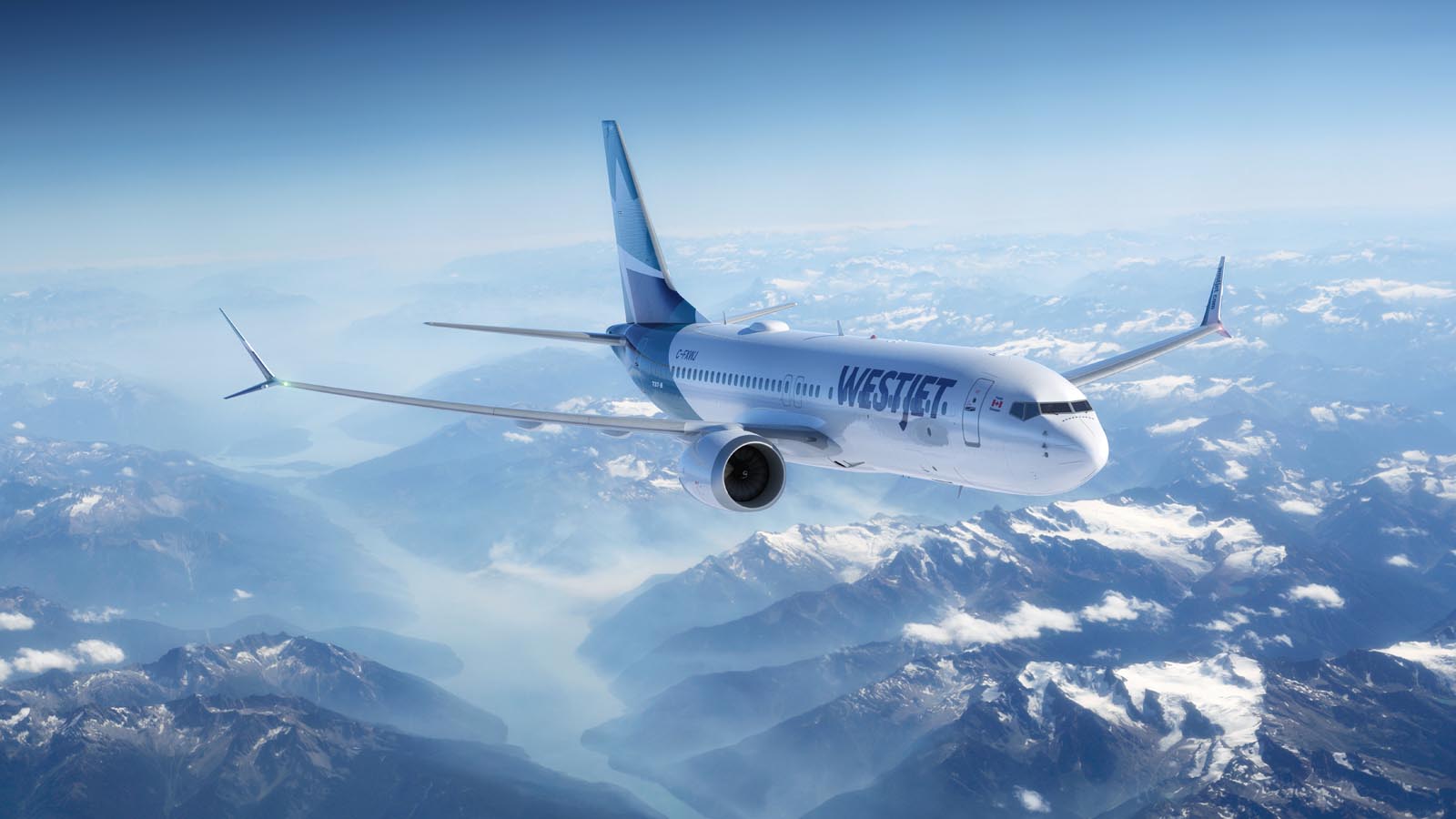
The US major airlines generally fared better. Southwest Airlines cancelled 816 flights, equivalent to 0.7% of its schedule, while achieving an OTP of 70.7%.
American Airlines had the largest number of cancellations, with 4,828 flights affected across its extensive network.
Middle East performance impacted by ongoing conflict
Airlines in the Middle East produced a similarly mixed picture.
Saudi Arabian Airlines cancelled 1,263 flights, representing 7.5% of its planned August operation, a sharp contrast with its normally strong performance in OAG’s rankings.
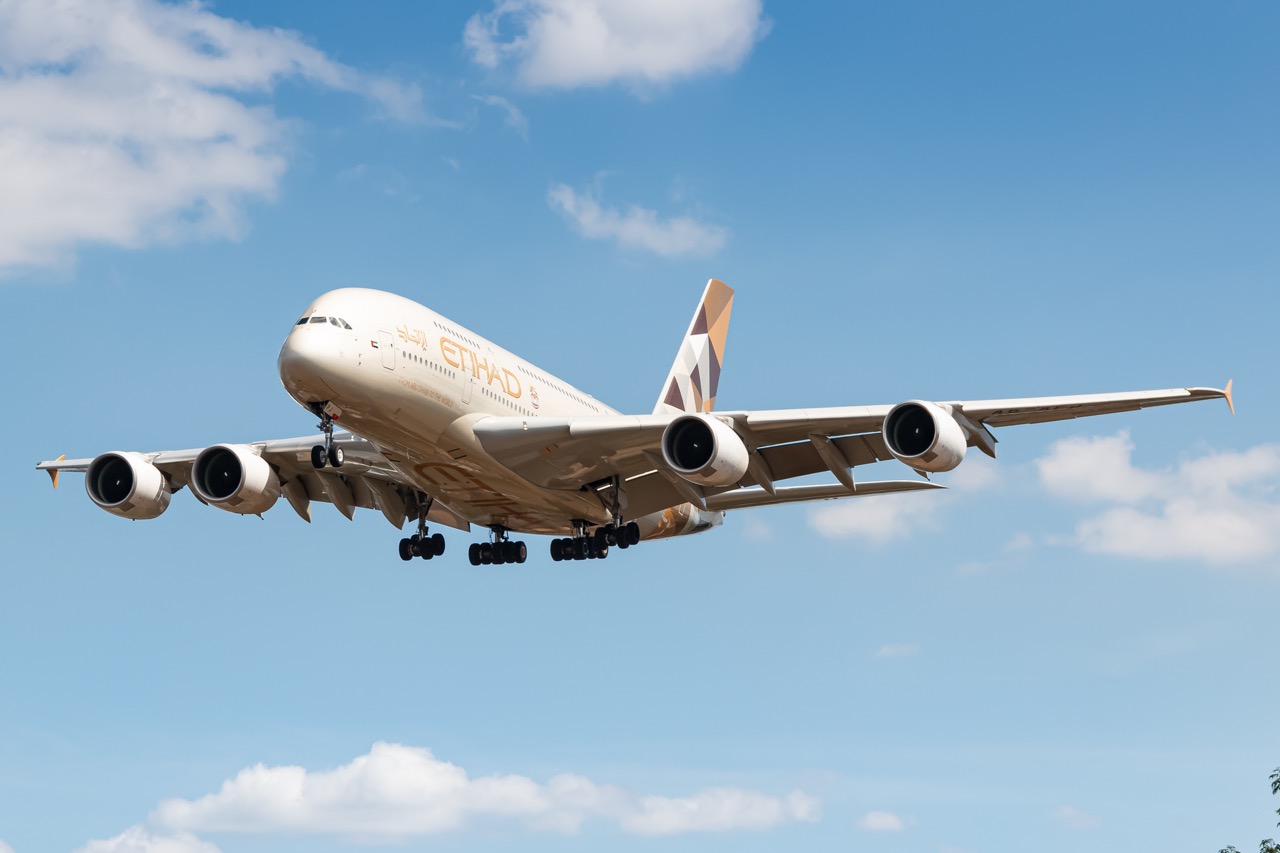
Etihad cancelled only five flights during the month, while Emirates cancelled 27, equivalent to just 0.2% of its planned operation.
“Airlines appear to have performed well in August despite the regular challenges faced from various sources,” said OAG’s Grant.
“September may bring some relief to that pressure with slightly reduced levels of frequency, but every day still presents its own new set of challenges.”
European airspace comes under pressure
EUROCONTROL, which manages airspace in Europe, reported a 2.6% increase in European air traffic during August compared with the same month last year, with challenging weather contributing to a deterioration in punctuality.
The increase was particularly concentrated in southern Europe, with Spain recording an additional 134 daily departures and Italy 110. Both markets saw traffic grow by 6% year on year.
Israel recorded the largest year-on-year change, with traffic up 22%, reflecting changing traffic patterns linked to the crisis in the Middle East.
Despite the higher traffic levels, arrival punctuality fell by one percentage point to 71.8%.
EUROCONTROL attributed part of the deterioration to weather, with weather-related delays increasing by 26% compared with August 2025.
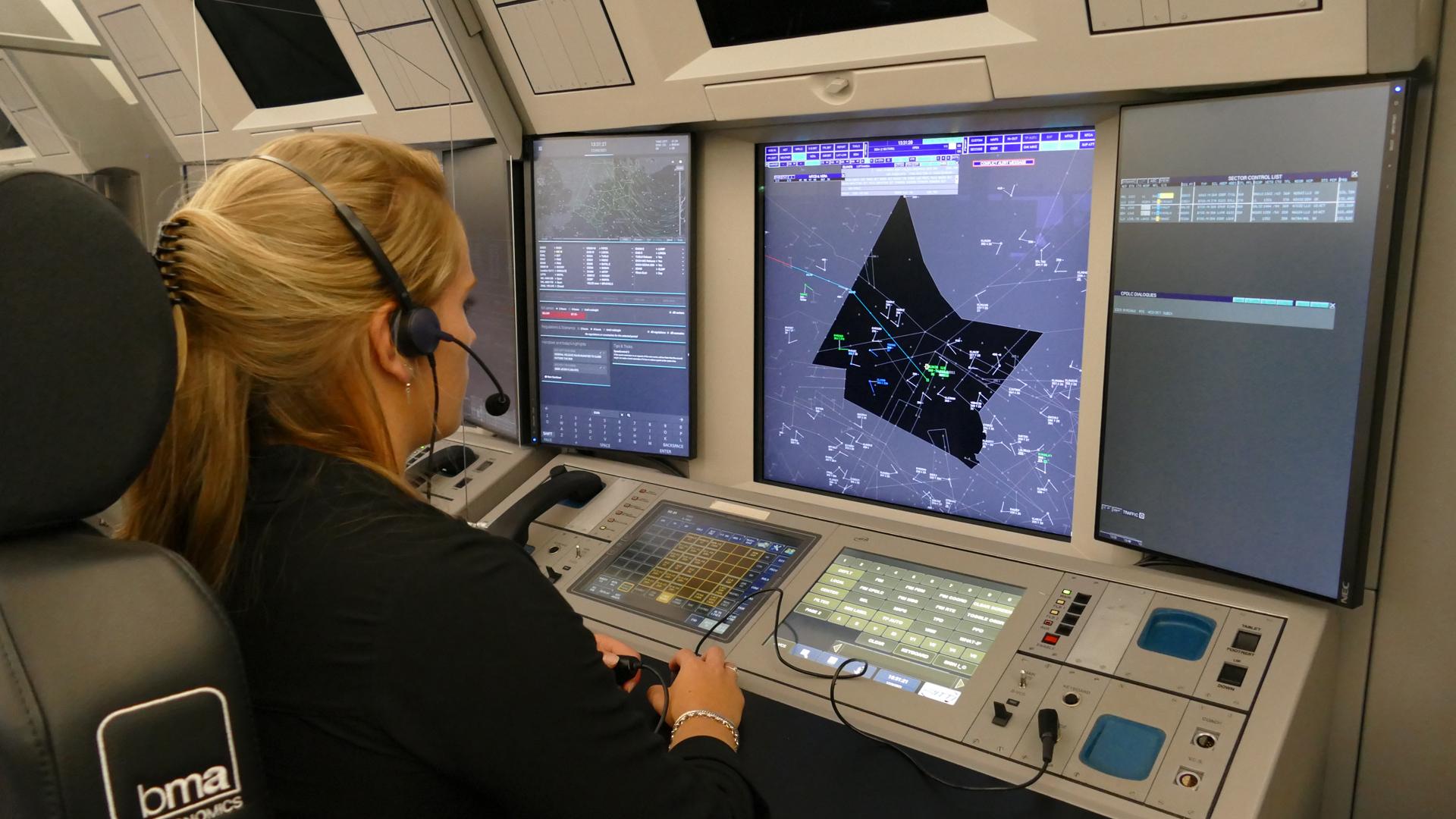
The disruption included the impact of the Mount Etna eruption at the beginning of August, while strong convective weather towards the end of the month caused further disruption across Europe.
Not all sources of delay increased. Capacity and staffing-related delays fell by 11% year on year, while total air traffic flow management (ATFM) delay also improved slightly.
ATFM delays averaged 3.57 minutes per flight in August, down 3% from a year earlier. En-route ATFM delays fell by 1% to 2.84 minutes per flight.
EUROCONTROL said the overall performance was broadly in line with last year despite higher traffic volumes and difficult weather conditions.
The figures come after a summer in which European traffic has repeatedly approached record levels. EUROCONTROL recorded 36,581 flights a day during the final week of August, 2.3% more than in the equivalent week of 2025. Arrival punctuality during that week fell to 69%, with severe convective weather accounting for 56% of en-route ATFM delays.
EUROCONTROL said more than 200,000 minutes of en-route ATFM weather-related delay were recorded on Friday, August 28 alone, highlighting the impact of the severe weather that affected the network towards the end of the month.
Sign up for our newsletter and get our latest content in your inbox.


More from

October 4, 20264 min read


