


Mount Etna eruption forces temporary closure of Catania Airport amid major flight disruption

4 min read
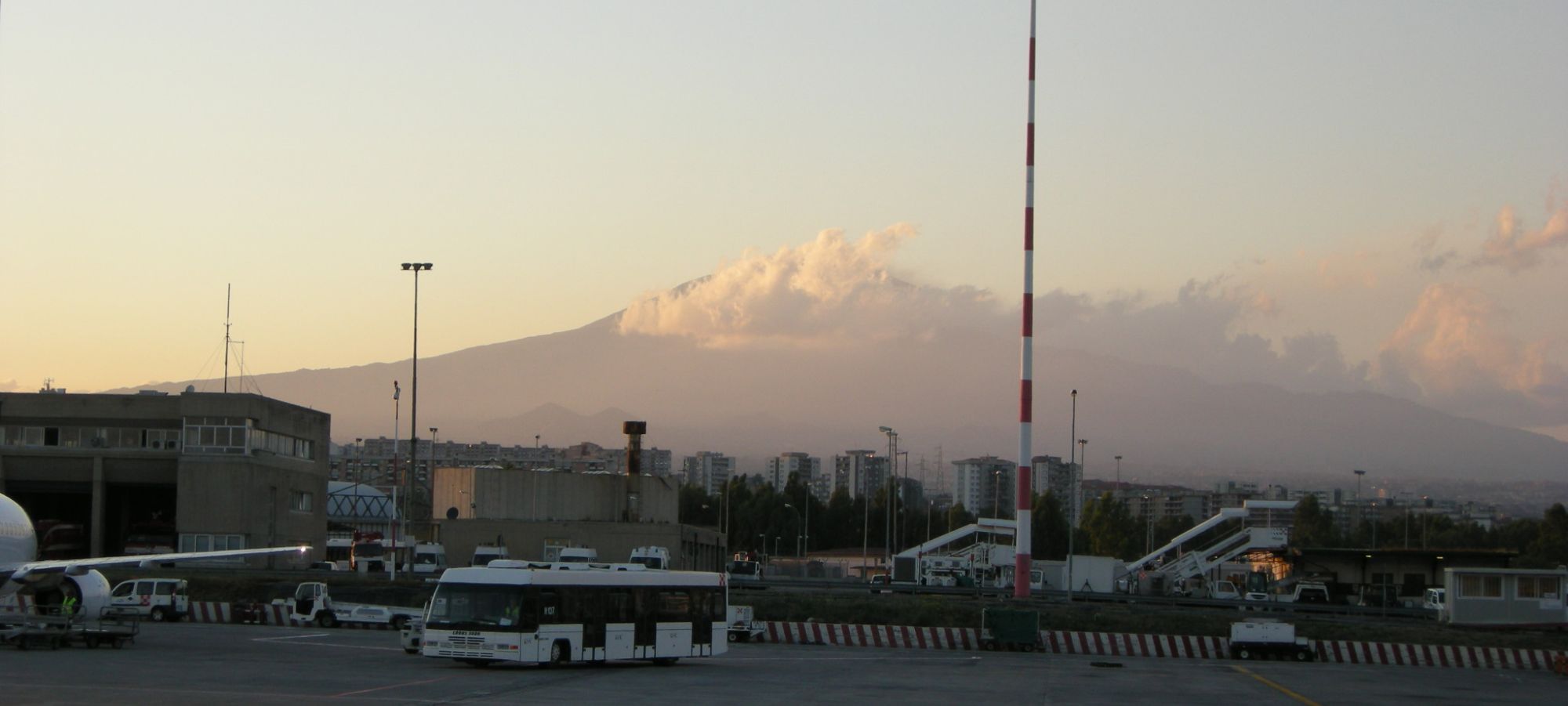
A red aviation alert has seen operations at Catania Airport in Sicily severely disrupted as Mount Etna eruptions lead to airspace closure.
The eruption of one of Europe’s most active volcanoes, Mount Etna, has prompted the temporary closure of Catania Airport in Sicily. Authorities are closely monitoring the situation, having resumed full operations on 9 August but suspending them again on 11 August.
The eruption of Mount Etna continues to bring air traffic in Sicily to a standstill, forcing Catania–Fontanarossa airport to close temporarily as ash reached Malta and as far away as Libya. #EuropeNews https://t.co/T1VXxmAf8t
— euronews (@euronews) August 12, 2026
In a statement, airport operator Società Aeroporto Catania (SAC) said air traffic would remain suspended until 14.00 GMT on Thursday 13 August. “Passengers are asked to check the status of their flights with their airlines,” the operator said. Further updates are expected as the situation unfolds.
Catania Airport closes as volcanic ash reaches Libya
Situated on the east coast of Sicily in Itay, Mount Etna first began its latest series of explosive eruptions in early 2021. Catania- Fontanarossa Airport sits around 30km south of Mount Etna, but according to Euronews, the ash cloud has also reached Malta and as far away as Libya.
Why is this latest eruption of Mount Etna causing ongoing disruption at Catania?
An active volcano, Mount Etna is in a state of near-constant activity. Earlier this year, in June, a red aviation alert closure ran from around 26 June into early July. This alert also saw the temporary closure of Catania Airport.
Since 2024, Etna’s Voragine crater has become the dominant vent, replacing the southeast crater, which used to disperse ash away from Catania according to Tech Times. Voragine’s plumes align more directly with the airport’s approach corridor, resulting in the more recent multi-day closures.
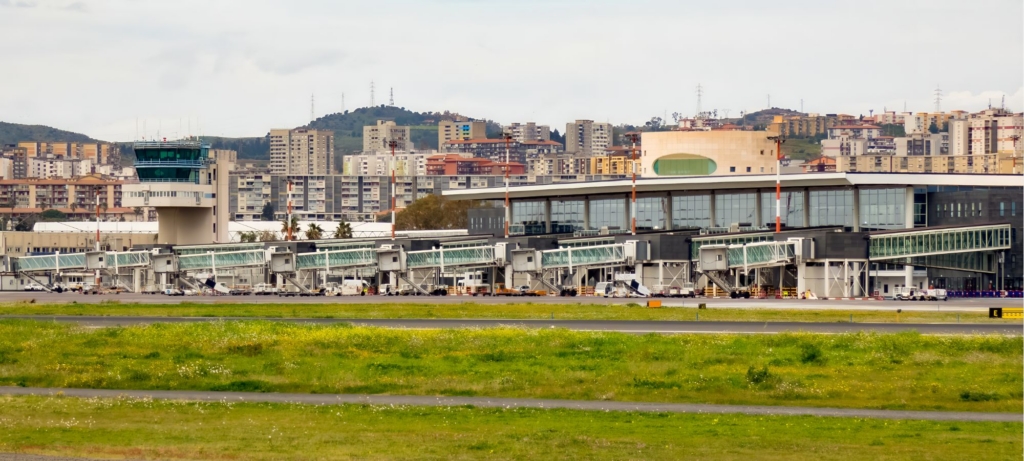
One of Italy’s busiest gateways with over 12 million passengers in 2024, Catania serves the eastern half of the island. Summer is the island’s peak travel season, with the airport anticipating 33,300 aircraft movements and passenger traffic expected to surpass 1.2 million passengers each month between June and September.
What does ash do to a jet engine?
Made up of tiny shards of rock and glass, volcanic ash is carried high into the atmosphere from where it can spread across vast areas and flight levels within hours.
When drawn into jet engines, volcanic ash can melt, fuse onto turbine components and in extreme cases cause loss of engine power.
Even at lower concentrations, ash can damage sensors, cockpit windscreens and airframes, meaning aircraft often must avoid the affected airspace.

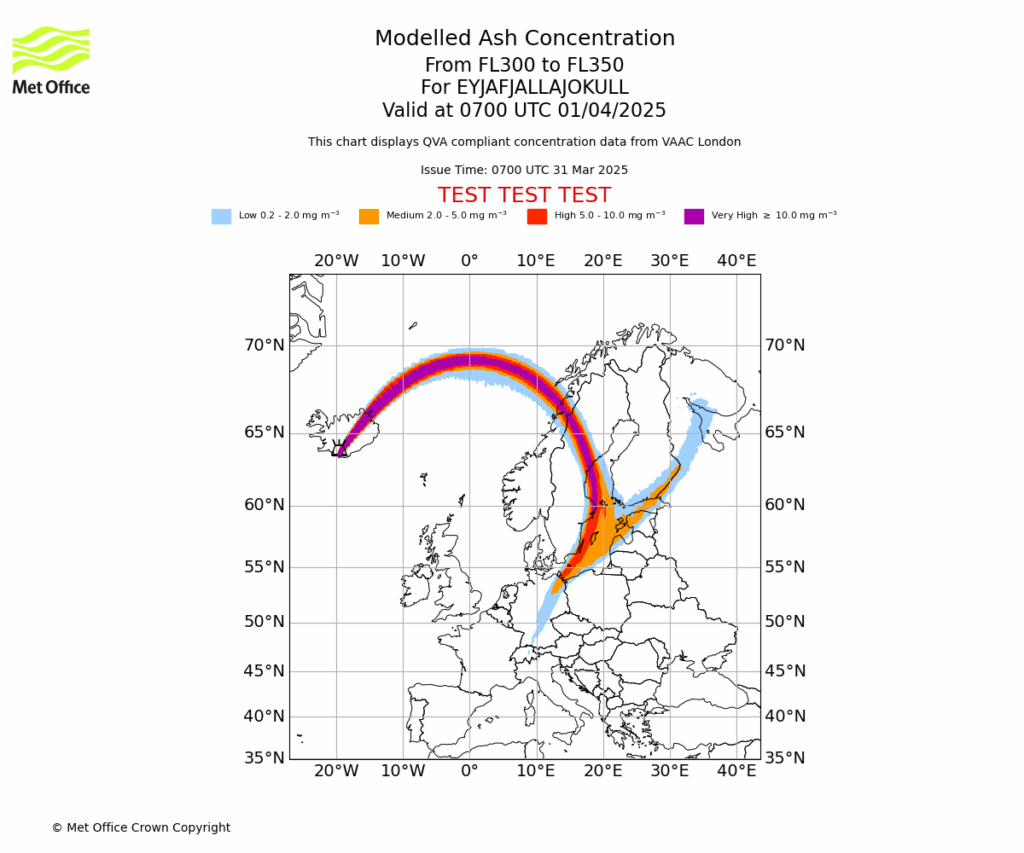
In 2025, the Met Office in the UK began providing a new type of volcanic ash forecast to halve the level of disruption previously experienced during volcanic eruptions.
As the London Volcanic Ash Advisory Centre (VAAC), the Met Office provides official ash forecasts for eruptions originating in Iceland and parts of the North Atlantic.
The forecasts are used by airlines, air navigation service providers and regulators to determine where aircraft can operate safely, while minimising disruptions.
How Catania is responding to the current disruption
In the case of Catania and the successive closures of the airport, there has been a call for faster and more automated ash detection and dispersal modelling to minimise closure windows. Nearby Malta Airport has also experienced cancellations and delays due to volcanic ash. Subsequently, Italian airports including Palermo (roughly a three-hour drive from Catania) and the much smaller airport at Comiso (roughly a two-hour drive from Catania) have taken diverted flights.
The latest eruptions have seen Italy’s Minister for Civil Protection, Nello Musumeci, revive a decades-old proposal to relocate the airport entirely.
“It’s not the volcano that’s out of place, but the airport,” he was reported as saying in La Presse US. Nonetheless, relocating an airport is an expensive and slow process.
Catania’s mayor Enrico Trantino has separately called for more resilient infrastructure as summer’s disruption drags on, though specifics of his proposal have yet to be detailed, according to Visa Verge.
Remember the disruption caused by Iceland’s Eyjafjallajökull eruption?
In 2010, Iceland’s Eyjafjallajökull volcano brought much of European aviation to a standstill when it triggered the largest disruption to European air travel since World War II. The ash plume drifted across the North Atlantic and into European airspace, with aviation authorities applying a no-fly policy where ash was detected. Over roughly a week, over 100,000 flights were cancelled, and airspace across Europe was closed, leaving an estimated 10 million passengers strangded and costing airlines and airports billions of dollars.
While the scale of the shutdown was criticised for being overly cautious, it did reshape how Europe manages volcanic ash risk and led to the Met Office’s new volcanic ash forecast.
Sign up for our newsletter and get our latest content in your inbox.


More from

September 27, 20263 min read

September 26, 20263 min read

September 25, 20264 min read


September 25, 20264 min read

September 24, 20262 min read


