Airline chiefs admit there is no foolproof defence against an insider threat

5 min read
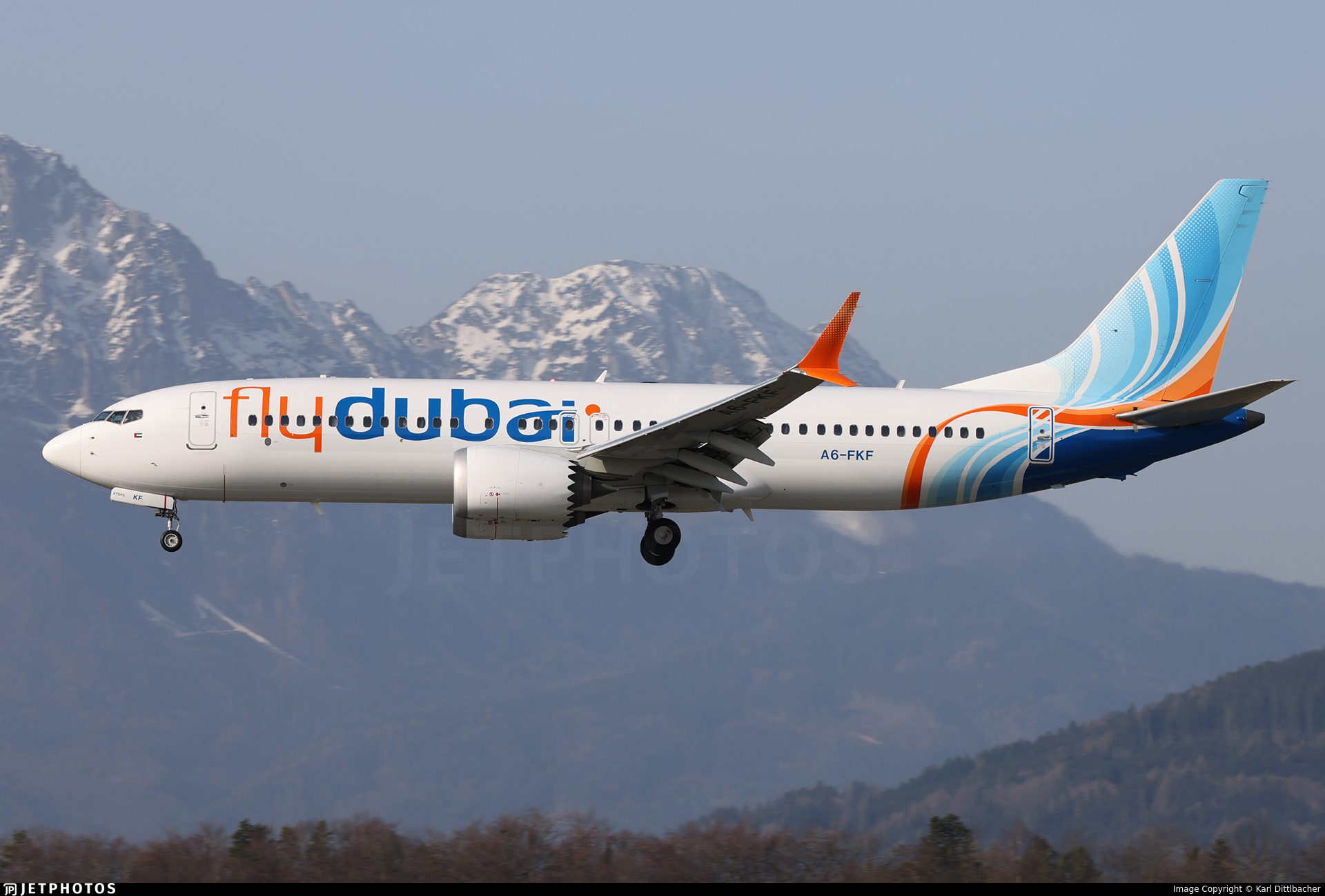
The alleged attack aboard a flydubai Boeing 737 MAX has forced aviation leaders to confront an uncomfortable reality: some threats cannot be completely prevented, even in one of the world’s most heavily regulated industries.
As first reported by Reuters on Thursday (8 October), Ryanair Group chief executive Michael O’Leary and Lufthansa chief executive Carsten Spohr acknowledged that even rigorous screening cannot guarantee protection against a pilot determined to cause harm.
“If you have somebody who is a mad person in a cockpit, it’s very difficult to legislate for it,” O’Leary told reporters at an Airlines for Europe press conference in Brussels.
Spohr was equally candid.
“We have to face the fact that there is no absolute safety and security in this industry,” he said, while maintaining that existing mental health screening of pilots was robust.
The comments are among the first public responses from major airline chiefs following the flydubai incident, an event that has reignited debate over pilot vetting, psychological screening and the wider challenge of protecting against threats that originate inside the cockpit itself.
Flydubai flight plunged 16,000 feet in 30 seconds
The comments follow an incident aboard flydubai flight 1073, travelling from Dubai to Tel Aviv, when the co-pilot allegedly attacked the captain with a crash axe and attempted to seize control of the aircraft.
The Boeing 737 MAX is reported to have descended approximately 16,000 feet in just 30 seconds during the struggle.
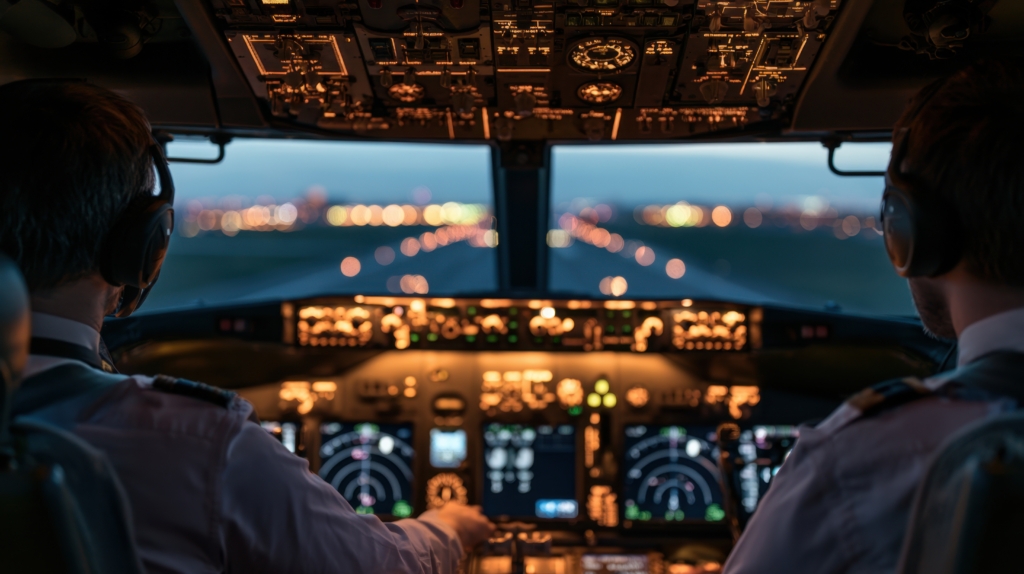
The injured captain is reported to have managed to open the cockpit door, allowing passengers to overpower the co-pilot. A passenger helped stabilise the aircraft before a standby crew member travelling on board took control and landed it safely in Saudi Arabia.
UAE Attorney-General Hamad Saif Al Shamsi described the alleged attack as an attempted terrorist act. Investigators are examining the co-pilot’s motives and whether he had any connections to others.
Reuters subsequently reported, citing two Israeli officials familiar with the investigation, that the co-pilot had told interrogators he planned the attack before joining flydubai. That account has not been independently established and the investigation is still ongoing.
Saudi Arabia has opened an aviation accident investigation, while UAE authorities are conducting a separate criminal inquiry.
Flydubai chief executive Ghaith Al Ghaith has urged patience while investigators establish the facts.
“It is important that we allow this process to establish the facts,” he said, adding that safety remained the airline’s highest priority.
Can psychological screening identify a dangerous pilot?
The aviation industry tightened its screening procedures following the Germanwings disaster in March 2015, when co-pilot Andreas Lubitz locked the captain out of the cockpit and deliberately flew an Airbus A320 into the French Alps, killing all 150 people aboard.
Airlines now employ a combination of psychological assessments, medical examinations, background checks and confidential reporting systems that allow crew members to raise concerns about colleagues.
The Financial Times reported on 3 October that pilots may be reluctant to disclose mental health problems because their livelihoods depend on retaining medical certification. Some pilots told the newspaper that routine examinations rely heavily on what individuals choose to reveal.
Andrew McKechnie, a former pilot who now runs aviation safety training company McKechnie Aviation, questioned whether more psychological testing would prevent deliberate sabotage.
“These attempts to use psychological and psychiatric assessments to reduce the risk of sabotage by pilots are ineffective,” he told the FT.
Others favour more frequent checks. Arik Arad, a former security chief at Israeli airline El Al, told CNN that psychological and background assessments should be repeated periodically, potentially every six months.
But psychological illness and deliberate violence are not the same thing. A person planning an attack may not display symptoms that a medical assessment is designed to detect.
Should airlines carry a backup pilot?
The flydubai incident has also raised an operational question: should airlines routinely have a third qualified pilot aboard, even on flights that normally require only two?
The presence of a standby crew member proved crucial in bringing flydubai flight 1073 safely to the ground.
That has prompted a question worth examining: could airlines maintain a roster of qualified pilots travelling as additional crew members, ready to intervene if the operating pilots become incapacitated or a cockpit emergency develops?
“There are practical obstacles. A qualified pilot travelling as an ordinary passenger would not automatically have access to the cockpit, nor would that person necessarily be familiar with the aircraft’s immediate operating conditions.
“Carrying an additional assigned pilot on every flight would also involve substantial staffing and operational costs,” a senior official at the Directorate General of Civil Aviation (DGCA) told Aerospace Global News. “And another pilot would not necessarily be able to intervene quickly enough to stop a deliberate act,” the official added.
There is no indication from the Reuters interviews that airlines or regulators are proposing mandatory standby pilots. Nevertheless, the fact that an additional qualified crew member helped save the flydubai flight gives the question fresh relevance.
The shadow of Germanwings and MH370
Deliberate acts by pilots are exceptionally rare, but their consequences can be catastrophic.
The Wall Street Journal reported that at least 800 people worldwide have died since 2005 in airline crashes either confirmed as intentional acts by pilots or suspected by US government officials of being deliberately caused, citing accident data.
The distinction is important: not every crash included in that figure has been conclusively attributed to pilot sabotage.
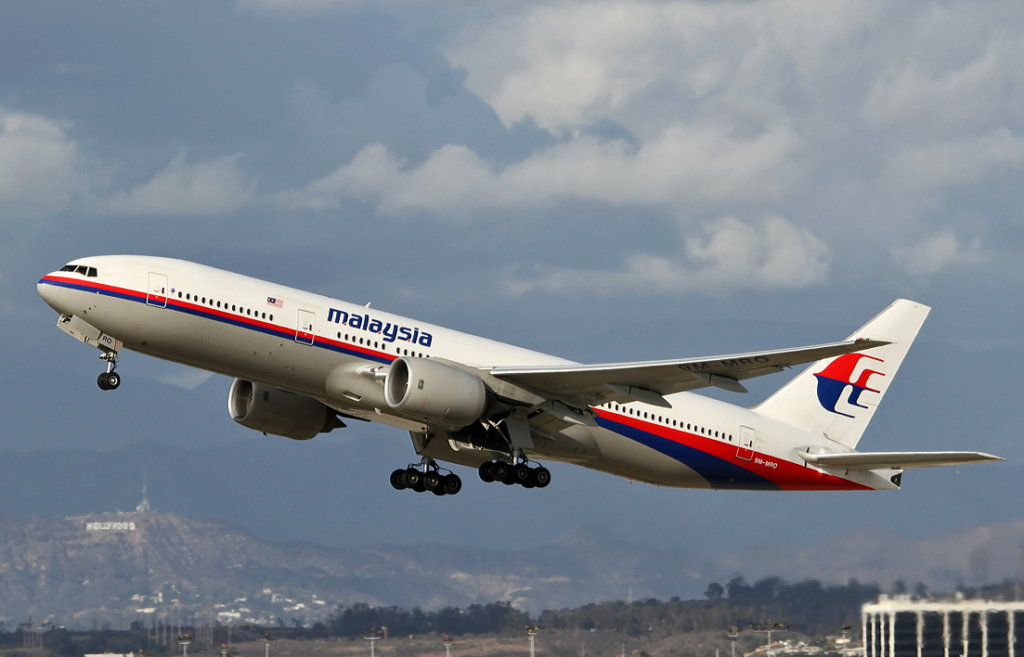
The disappearance of Malaysia Airlines flight MH370 in March 2014 remains among aviation’s most troubling unresolved mysteries.
The Boeing 777 vanished while flying from Kuala Lumpur to Beijing with 239 people aboard. The possibility of deliberate pilot action has been examined, but it has never been established as the cause.
In 2018, Australian Transport Safety Bureau officials told a parliamentary hearing that they had not ruled out human intervention during the flight. However, they considered a scenario involving a pilot deliberately ditching the aircraft at the end of its journey unlikely.
For airline executives, the challenge is to strengthen protection without undermining the trust on which flight crews depend.
Sign up for our newsletter and get our latest content in your inbox.


More from

October 11, 20263 min read