


Flydubai cockpit attack raises questions about pilot vetting and security checks

5 min read
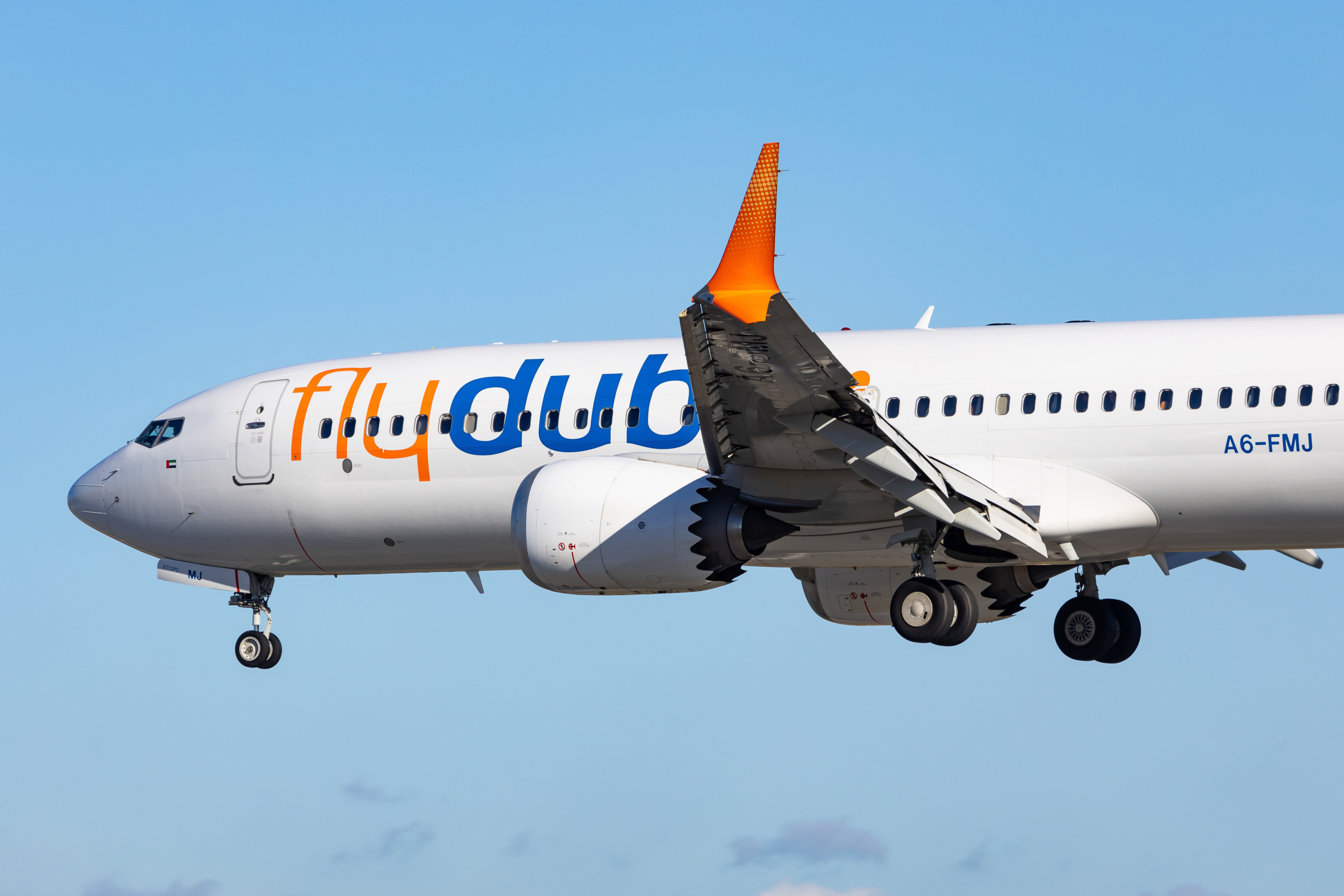
The co-pilot accused of attacking the captain of a flydubai flight with a cockpit crash axe reportedly told investigators he planned the attack before joining the airline, according to reports.
Two Israeli officials with knowledge of the investigation told Reuters that the Omani co-pilot said he applied to flydubai after looking for airlines serving Tel Aviv.
A third source briefed on the UAE investigation said the co-pilot had intended to crash an earlier Tel Aviv flight but abandoned the plan.
UAE investigators have not publicly confirmed the claims. Flydubai and UAE and Israeli authorities did not respond to Reuters’ requests for comment. No formal charges have been announced.
However, the UAE Attorney-General has confirmed that the co-pilot attacked the captain of flight FZ1073 with a crash axe and attempted to take control of the aircraft.
The official UAE statement described the incident as an attempted terrorist act. Investigators are examining the suspect’s motives, possible links and digital and physical evidence.
The disclosures raise a significant aviation security question: how could a pilot who officials reportedly regarded as a potential security risk later gain employment with another airline?
Reports say co-pilot previously grounded by Oman Air
Multiple sources have identified the co-pilot as 29-year-old Omani national Hamam al-Hammami, although flydubai and UAE authorities have not publicly named him.
Senior intelligence and law enforcement officials told ABC News that al-Hammami had previously worked as a trainee co-pilot for Oman Air.
According to ABC News – citing senior intelligence and law-enforcement officials – he was found with extremist material in 2024 and suspended from flying after being identified as a security risk. He reportedly remained at Oman Air in an administrative role.
The Associated Press reported that officials said he had been barred from flying over concerns about extremist views.
The Wall Street Journal cited people familiar with the matter and reported that flydubai did not contact Oman to verify his previous experience when it hired him in February. The airline did conduct a criminal background check. Emirati authorities are reportedly examining its hiring process.
Flydubai has said it cannot comment while the investigation continues.
Al-Hammami also completed a three-month theoretical training programme with Royal Air Maroc in 2025 as part of its pre-employment process. The airline told AP that he was ultimately not selected for employment, without explaining why.
How does flydubai vet its pilots?
Flydubai’s recruitment process illustrates the distinction between assessing whether someone is suitable to fly and identifying a potential security threat.
According to flydubai’s current first officer recruitment process, candidates undergo psychometric testing covering work behaviour, logical thinking, multitasking and verbal reasoning.
Those who progress face video and competency-based interviews, a simulator assessment, pre-employment medical and further psychometric testing. Flying documents are also checked.
The published recruitment process does not detail security background checks.
The UAE’s General Civil Aviation Authority defines a background check as examining a person’s identity and previous experience and, where legally permitted, criminal history to assess their suitability for security responsibilities or unescorted access to restricted areas.
The GCAA also maintains aviation intelligence and threat-assessment functions, cooperating with domestic and international intelligence agencies and exchanging security-sensitive information.
It remains unclear whether the concerns raised in Oman were available to UAE authorities or flydubai when al-Hammami was recruited.
Another major UAE airline, Emirates’ pilot recruitment process includes psychometric and abstract-reasoning tests, interviews, simulator assessments and a medical examination.
Candidates must provide certified flying logbooks. Emirates says it collects regulatory certificates and references, employment history, information about aircraft accidents or incidents and criminal-record information. It can also obtain references from previous employers and use third parties for background checks where permitted by law.
What checks do airlines make before hiring pilots?
There is no single worldwide recruitment process. Requirements vary between airlines, regulators and countries.
International aviation security standards require background checks for people granted unescorted access to security-restricted areas. Checks commonly cover identity, employment history and criminal records.
The UK’s Civil Aviation Authority national security vetting guidance, for example, requires verification of identity, five years of employment history, nationality and immigration status and criminal records at the baseline level.
In the US, the FAA Pilot Records Database requires covered airlines and operators to examine a pilot applicant’s training, experience, qualifications and safety history before allowing them to fly for the company.
Psychological testing has its limits
Psychological assessment has become an important part of pilot selection, particularly since the deliberate crash of Germanwings Flight 9525 in 2015.
European rules require commercial operators to ensure flight crew undergo a psychological assessment before beginning line flying.
EASA rules say assessments should examine cognitive abilities, personality traits, operational and professional competencies and social competencies.
But such screening primarily assesses suitability for the job and identifies safety-related psychological concerns. It is not designed to uncover deliberately concealed extremist beliefs or malicious intent.
A candidate could therefore hold the necessary licence, pass medical and psychological assessments, perform well in a simulator and have no criminal convictions while still presenting a threat unknown to the recruiting airline.
Australia investigates co-pilot’s background
Investigators are also examining al-Hammami’s links to Australia.
The Australian Federal Police confirmed that the Victorian Joint Counter Terrorism Team, comprising the AFP, Victoria Police and domestic intelligence agency ASIO, is investigating.
There is no indication that al-Hammami flew professionally for an Australian airline.
He was issued an Australian student visa in 2014 and studied in the country between 2015 and 2017. His visa was later cancelled because he was no longer enrolled, not on character grounds.
Flydubai attack exposes limits of pilot vetting
The emerging evidence does not necessarily point to a lack of aviation recruitment checks. Instead, it raises questions about whether security information follows pilots between employers and across international borders.
Airline recruitment can establish whether a pilot has the required qualifications, technical competence, medical fitness and behavioural characteristics.
Security vetting depends on access to relevant information.
If authorities or an employer in one country have concerns about a pilot but those concerns do not result in a criminal conviction, licence action or information being shared internationally, a conventional background check may not uncover them.
That issue is likely to become an important part of the investigation into flight FZ1073.
Israel has already ordered a review of security arrangements for foreign airlines after it emerged that the Omani national had been rostered on a Tel Aviv flight despite Israel and Oman having no diplomatic relations.
For investigators, the question now extends beyond what happened inside the cockpit to how a pilot reportedly faced security-related concerns at a previous airline could later enter the cockpit of an international carrier.


