


Airbus says Middle East airlines’ agility is key to navigating disruption

4 min read
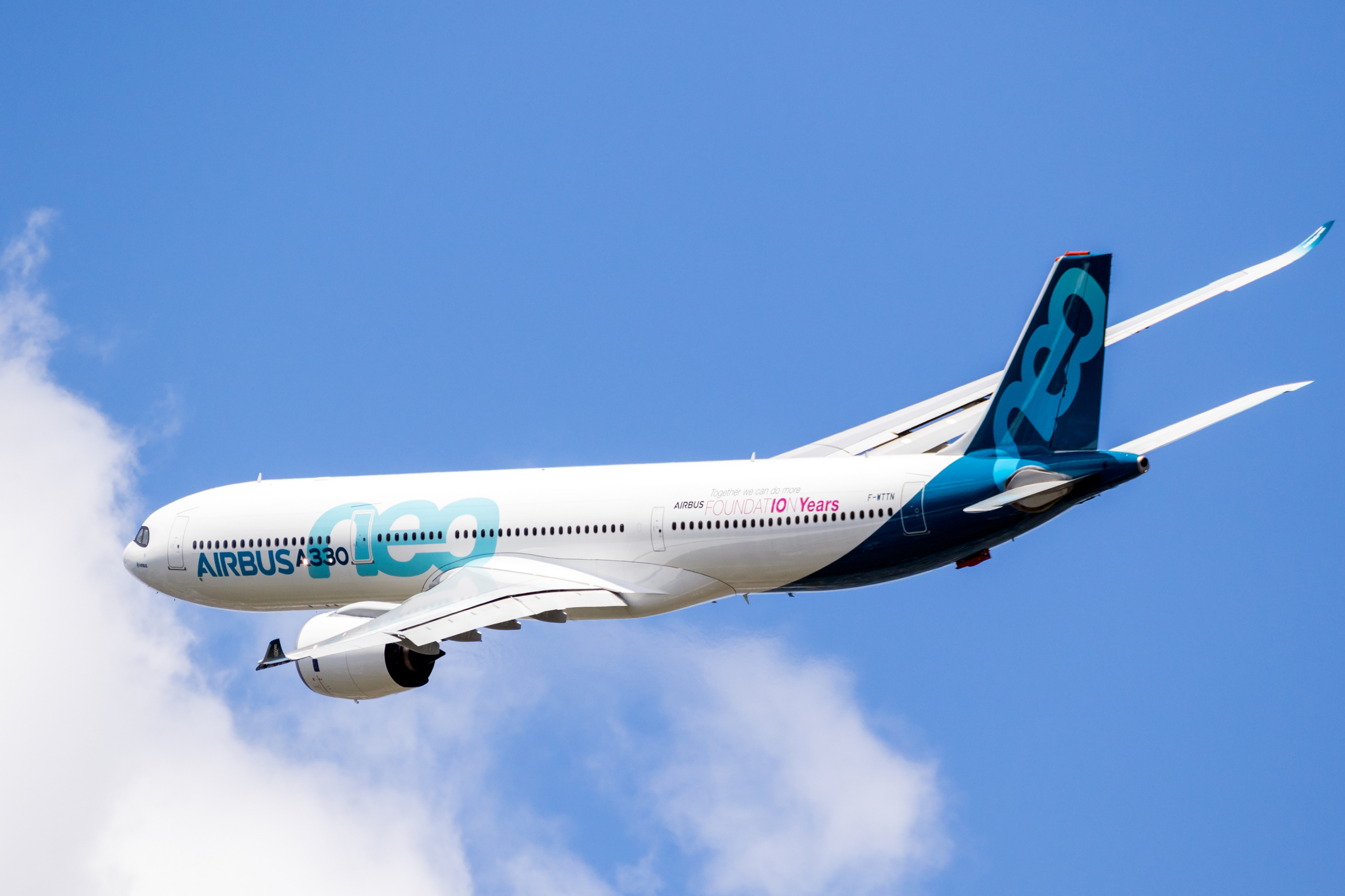
Airlines around the world – and particularly in the Middle East – are adapting to airspace closures and disrupted operations by shifting capacity to alternative routes, with demand remaining strong enough to support high yields despite the loss of some capacity, according to Airbus vice-president for the region Grainne Van den Berg.
Speaking at Routes World 2026 in Frankfurt, Van den Berg said carriers were successfully navigating the disruption by demonstrating resilience and agility, moving aircraft to markets where operations remain viable rather than allowing capacity to sit idle.
Airlines are dealing with airspace closures and ‘destination volatility’
“As an industry, we’ve been facing airspace closures for quite a while with Russia and Ukraine, but now we have additional airspace closures in the Middle East, which are adding 45 – sometimes 90 – minutes to routes,” she said.
“Some routes are … not viable anymore, or they’re costing more, and you might not be getting the utilisation you had planned out of your aircraft.
“Not only are we dealing with airspace closures, we are also dealing with destination volatility. It is not just that we have to fly around zones, but sometimes those destinations are just not available anymore.”
Highlighting the industry’s “agility and ability to adapt”, Van den Berg added: “There is some structural capacity being taken out of the market. It is not really that the demand has disappeared, but that structurally the capacity is not being delivered to the market.”
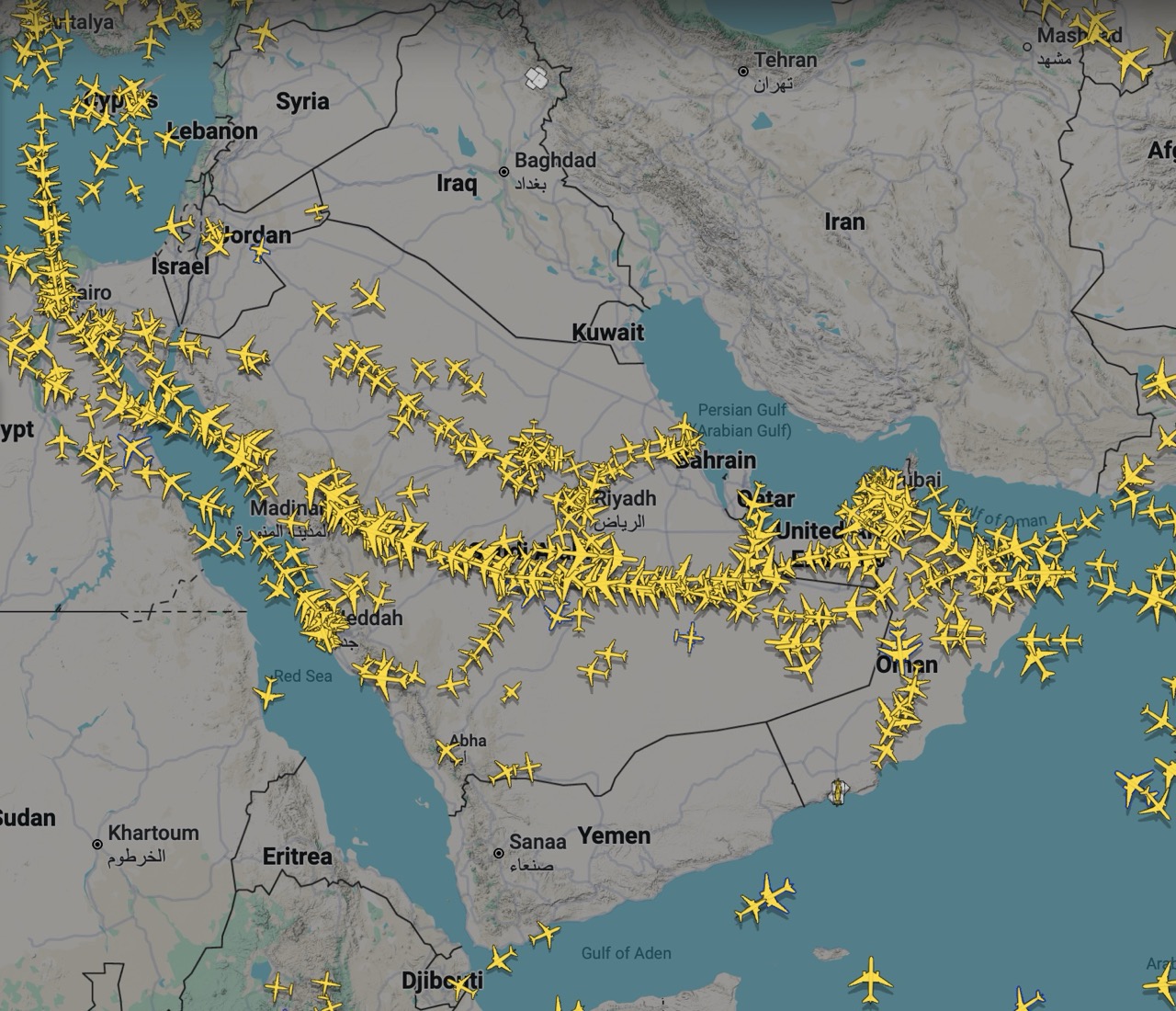
Airlines shift capacity to alternative markets
Van den Berg said carriers were responding by redirecting aircraft towards markets that remain accessible, either by adding capacity or reallocating where aircraft are being deployed to match that demand, as well as deploying more fuel-efficient aircraft where possible.
“If we take, for example, Air France, [they] haven’t been flying to Dubai for several months now, but they’ve just redeployed that capacity directly onto Asian routes. For example, India, Japan and Thailand.”
She also highlighted the response of Kuwait-based Jazeera Airways, which moved its operation to an airport in north-eastern Saudi Arabia while Kuwait’s airport was closed for 57 days.
“Jazeera just upped its entire operation and moved it to an airport in the northeast of Saudi Arabia; that was quite some agility … to do that during that tough time.”

The airline maintained a limited flying schedule by bussing passengers across the border.
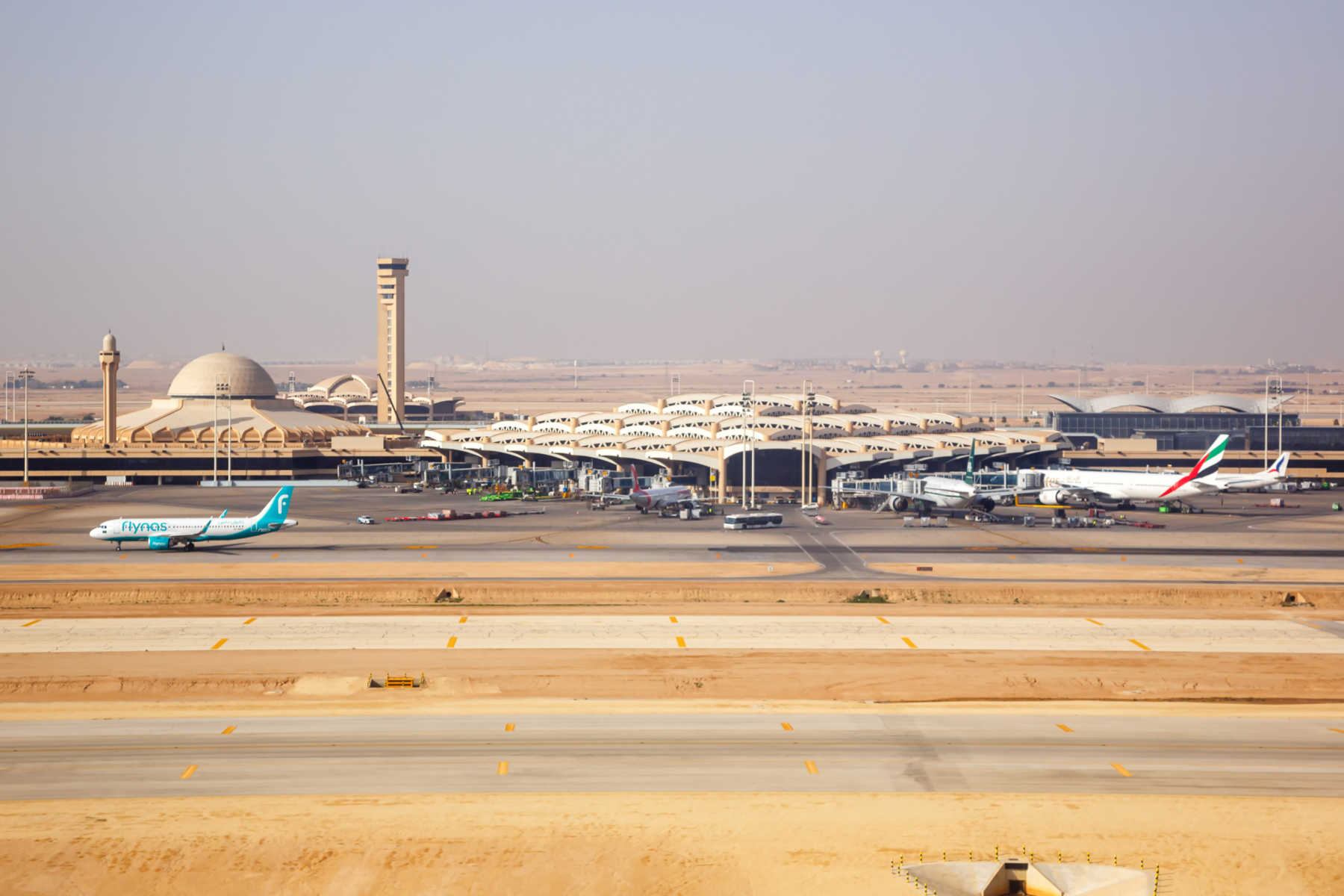
Riyadh Air is doing something similar. Since October 25, selected Riyadh Air flights have been operated via Al Qassim Airport after Riyadh’s primary airport was closed following Houthi airstrikes.
Another key strength for the airline sector is fleet flexibility, enabling carriers to match the right-sized aircraft to the routes they can continue to operate.
Van den Berg said recently delivered aircraft had been welcomed by Middle Eastern carriers partly because their lower fuel consumption could help reduce operating costs.
Demand remains despite reduced capacity
While the crisis has removed capacity from some markets, Van den Berg argued that this should not be seen as proof of a collapse in demand for air travel.
“There are still a lot of markets where there is an opportunity to defend yields,” she said.
Airlines are having to contend with higher fuel bills and longer flight times, but some routes can still attract strong fares.
However, the outlook remains uncertain, with conflict and airspace closures likely to remain an ongoing headache for the industry.
Van den Berg said growth projections for the sector in 2026 had weakened as a result of the geopolitical volatility, with International Air Transport Association figures showing a contraction in traffic in August, although year-to-date numbers remained slightly positive.
Long-term Middle East growth outlook remains intact
Despite the short-term pressures, Van den Berg said the longer-term prognosis for the industry remained strong, with the Middle East well positioned to connect major population centres in Europe, Asia and Africa.
An eight-hour flight from the Gulf reaches about 80% of the world’s population, she said, and hubs in the region would continue to play an important role in connecting passengers travelling between cities that might not support direct services.
She said Airbus’ expectation was that the industry would continue expanding over the coming two decades, with Airbus forecasting demand for about 42,000 new aircraft across all manufacturers.
Delivering that growth will also require additional airport capacity and investment in infrastructure, she added.
“I know we’re having a tough time today, but you’ve seen the long-term trajectory. I think it’s going in the right direction. Be ready to capture that when it comes back.”
Sign up for our newsletter and get our latest content in your inbox.


More from

November 2, 20264 min read


