AirAsia says London expansion on track as falling fuel costs drive lower fares

3 min read
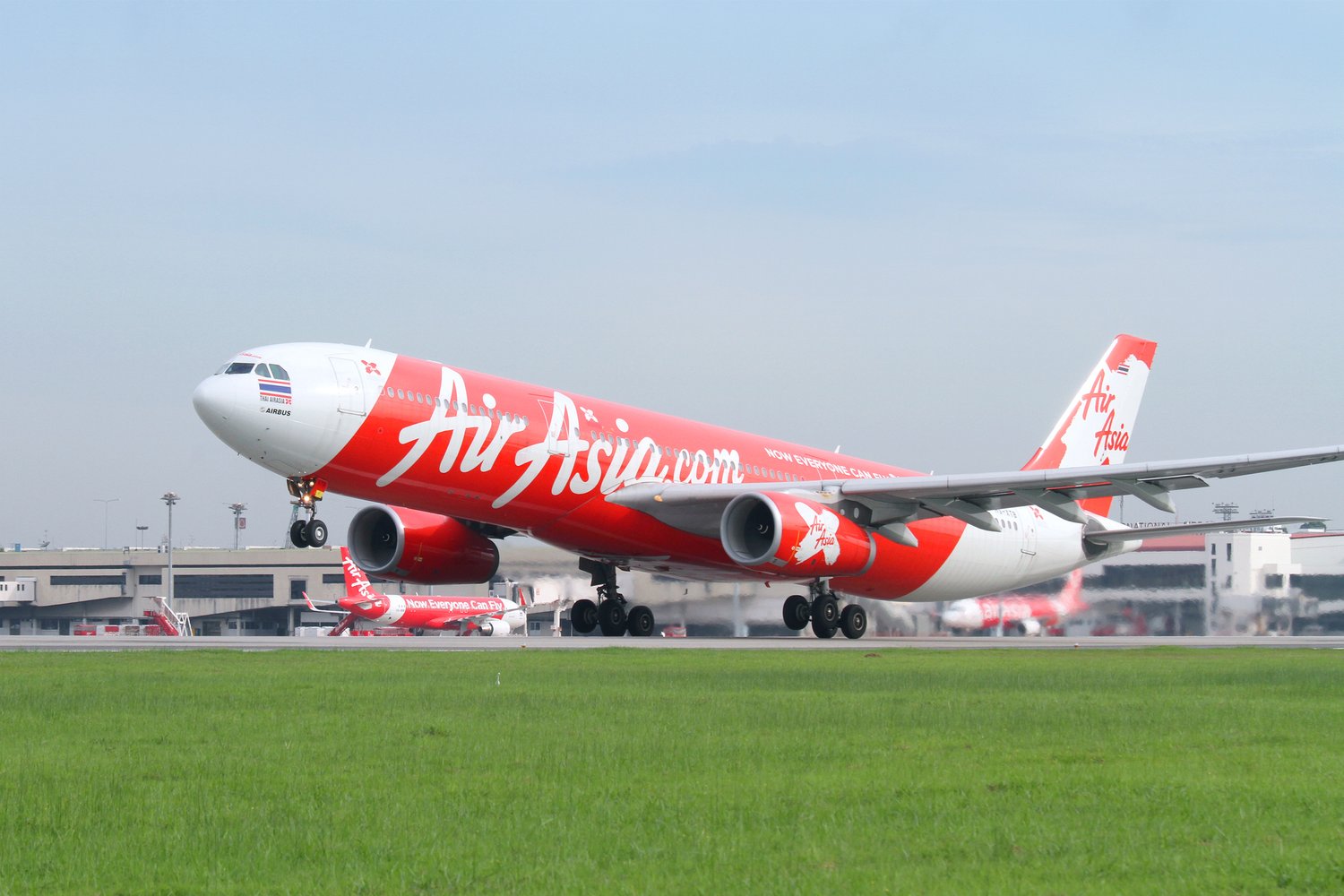
AirAsia Group says plans to launch services to Bahrain and London remain on track as the airline steps up its plan to restore full network capacity by the summer.
The low cost carrier also said it had begun lowering fares in response to easing fuel costs, at a time when ticket prices remain high amid continued uncertainty over the situation in the Middle East.
AirAsia plans to restore capacity – including to Bahrain and London
The Malaysia-based group said it expects to restore its full operating capacity by August, following several months of cutbacks prompted by soaring fuel prices and broader consumer uncertainty.
Just last week, the airline was reported to have paused the launch of services between Kuala Lumpur International Airport, Bahrain International Airport and London-Gatwick, owing to the fallout from the war in the Middle East.
But in an update on its recovery on Monday, AirAsia said it was “executing its planned growth strategy with full operational focus”, naming new destinations including Busan, Bahrain, London and Batam.
The group went one further in its statement, stating that it was evaluating additional expansion opportunities across its network.
The update provides the clearest indication yet that AirAsia X’s long-discussed move into Europe remains part of the plan.
New services from Kuala Lumpur to London will reinstate a connection that last ran more than a decade ago.
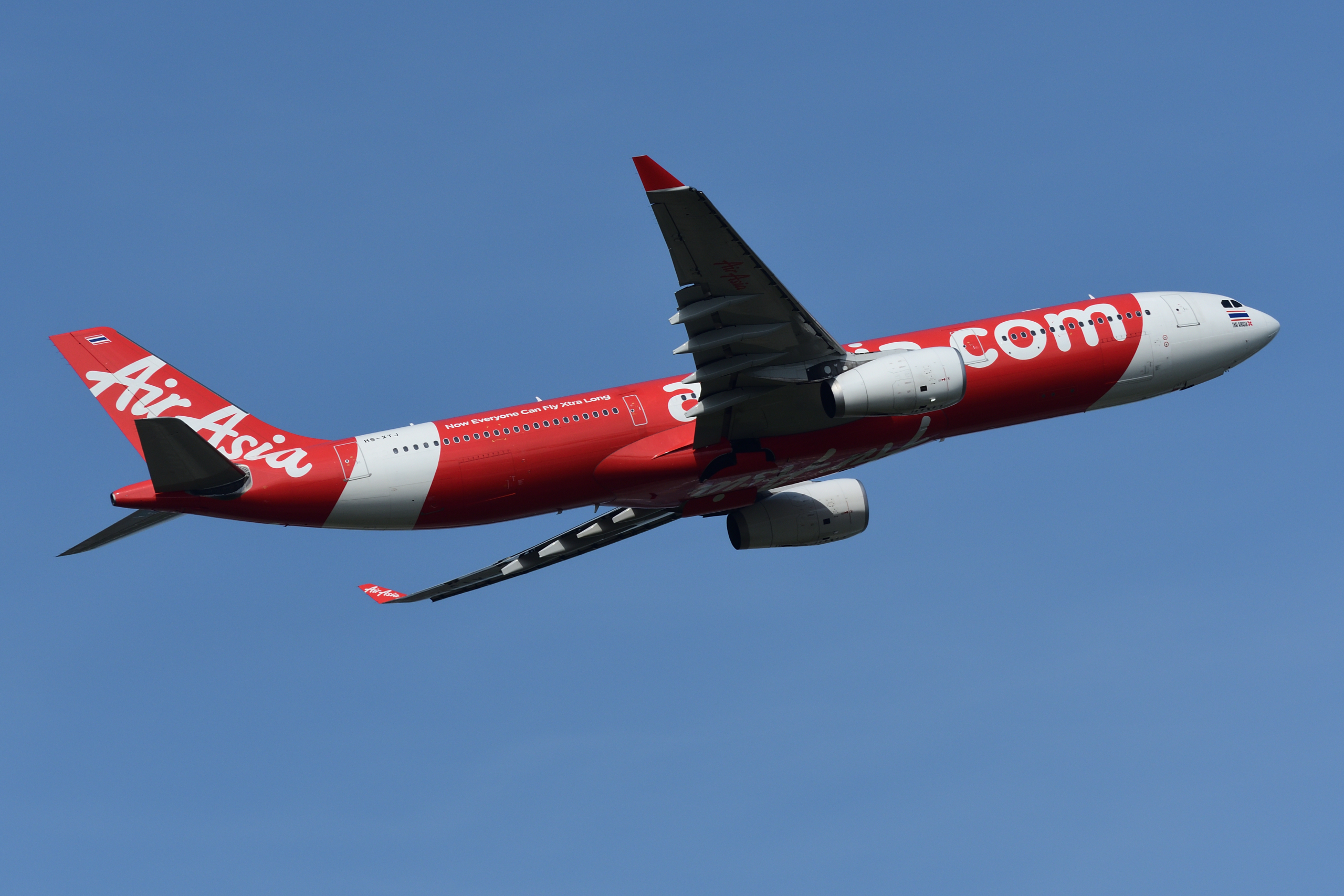
But while the service was previously operated with an Airbus A340, AirAsia X will relaunch the route using its A330-300s.

The service had been due to begin on 26 June. A new launch date has not been given.
Cutting ticket prices as fuel prices fall
At the same time, AirAsia said passengers are beginning to benefit from lower ticket prices as jet fuel costs ease.
“Delivering accessible air travel has always been at the heart of AirAsia’s mission,” the group said, adding that it was progressively restoring its traditional low-fare model as fuel prices normalised.
Group CEO Bo Lingam said the airline emerged from a challenging period with a stronger operational foundation after focusing on efficiency improvements, network optimisation and the increased use of AI and data-driven decision-making tools.
“Today, we are a stronger, more agile and more focused ecosystem because of it,” Lingam said.
Strong OTP and fleet modernisation
The carrier reported average on-time performance of 85% across its seven airlines since April, covering a network of more than 150 destinations.
Fleet modernisation also remains a key part of the strategy. AirAsia is introducing Airbus A321LR aircraft across the group, which it says reduce fuel burn per seat by up to 20% compared with older-generation aircraft.
The airline also plans to introduce Airbus A220s later in the decade to further improve efficiency and reduce operating costs.
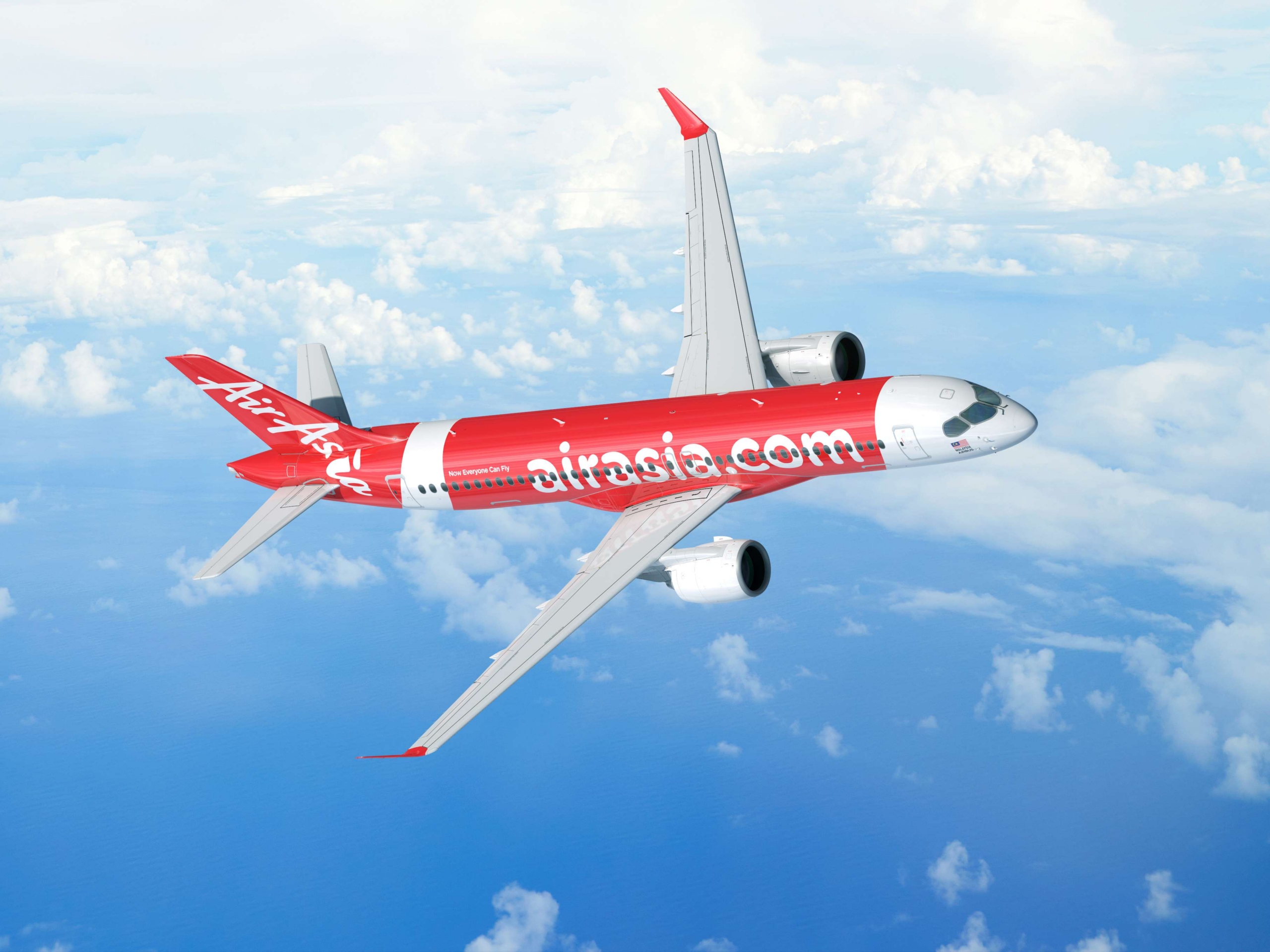
The combination of lower fuel prices, improving operational performance and newer aircraft is expected to support both profitability and fare competitiveness as travel demand across Asia continues to recover.
Lingam also renewed calls for governments and industry stakeholders to avoid increasing airport charges, taxes and other aviation-related fees over the next two years, warning that higher costs could undermine demand and slow the region’s aviation recovery.
“Air travel and tourism remain the economic backbone of many ASEAN countries,” he said.
“All stakeholders across the aviation and tourism industry must play their part in ensuring costs remain affordable as the sector continues to recover.”
Featured image: AirAsia