Air Serbia weighs aircraft returns and lease renegotiations as fuel costs force fleet rethink

4 min read

Air Serbia is considering a potential fleet restructuring, including renegotiating aircraft leases or returning aircraft to lessors, as the carrier seeks ways to mitigate the current surge in jet fuel prices.
Speaking during the annual Routes Europe industry event, Bojan Aranđelović, head of network planning and scheduling at Air Serbia, said the airline was examining all available options to weather higher costs while flying as much of its schedule as possible.
He indicated the Serbian flag carrier could now look beyond short-term aircraft swaps and network adjustments, with lease renegotiations and possible aircraft returns among the options being considered if fuel price volatility continues.
The carrier is one of several European airlines reassessing fleet composition and leasing strategies as higher fuel costs put pressure on schedules, aircraft deployment and margins.
Air Serbia uses Airbus, Embraer and ATR flexibility
Aranđelović said rising operating costs had already forced Air Serbia to make difficult decisions around aircraft deployment, particularly on thinner regional routes traditionally operated by turboprops.
Referring to last-minute aircraft changes and cancellations, he said: “We know that it might disrupt customers, but on the other hand, we are here to be responsible for the decisions we make and to try to preserve the financial stability of the company as much as we can in these really hard times.”
Rather than implementing widespread cancellations, Air Serbia has focused on adjusting how it deploys aircraft across its network.
Aranđelović said lessons learned during the COVID-19 pandemic had helped the airline respond with more agility to the latest bout of disruption.
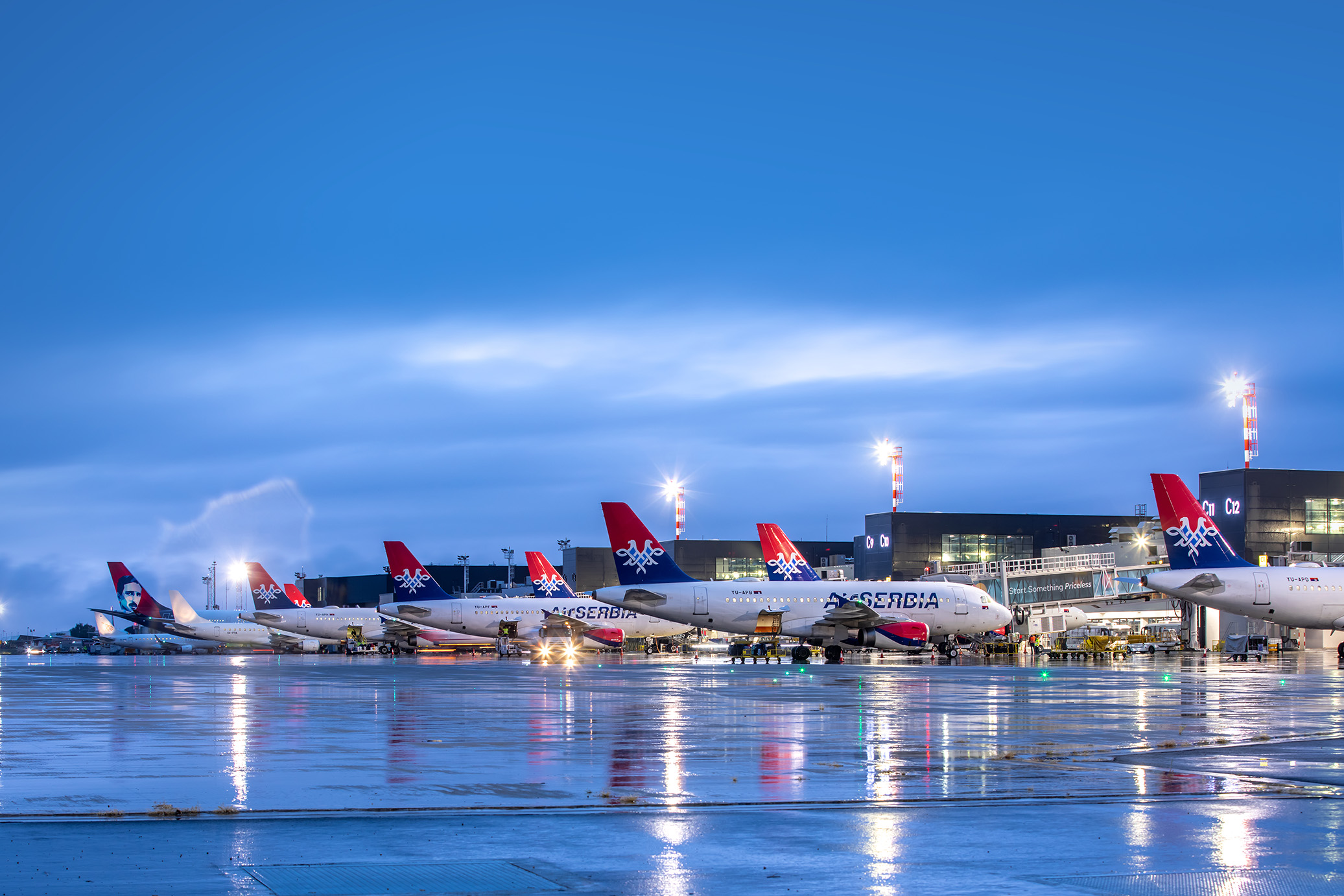
Air Serbia has increasingly relied on switching between Airbus, Embraer and ATR aircraft depending on load factors and booking demand, allowing it to maintain frequencies while minimising the higher costs associated with operating larger aircraft on weaker sectors.
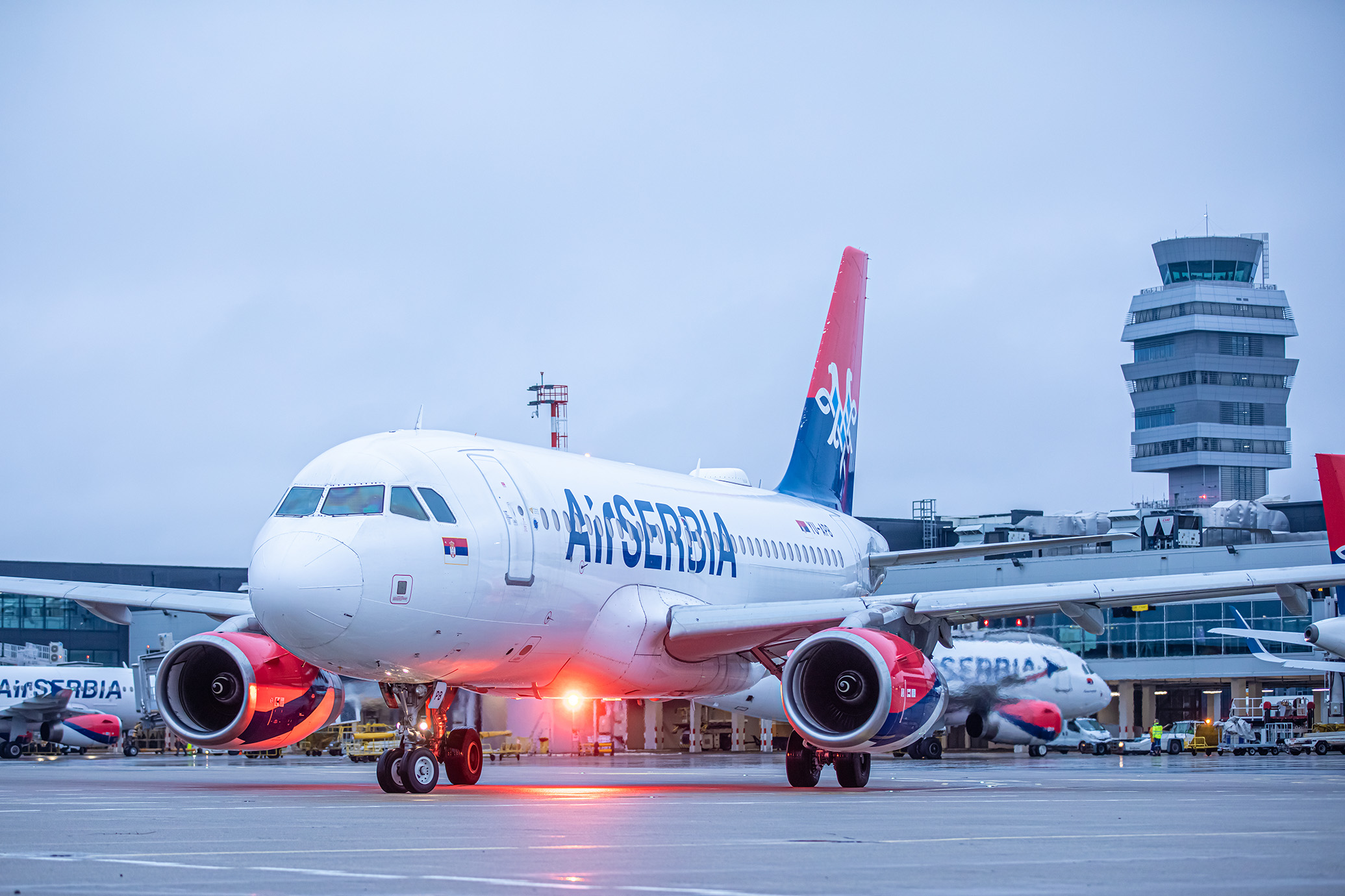
The carrier currently operates four Airbus A320ceos, nine Airbus A319ceos, four Embraer ERJ-195s and 10 ATR 72s.
“I’ve been asked, why didn’t we cancel so many flights, like some other airlines did, or have announced to do. It is because we learned from the COVID experience.
“We are really keeping track of all the schedule changes … [to] show actually how many flights we managed to keep and to fly our passengers to their destinations just by changing the aircraft type or maybe going from an Airbus to either Embraer or ATR. That for sure gave us flexibility.”
Air Serbia fleet changes remain on the table
Those short-term aircraft swaps could now lead to a wider review of Air Serbia’s fleet strategy, with lease renegotiations and possible aircraft returns still under consideration.
Referring to the secondary aircraft market and ongoing uncertainty around future fleet planning, he said Air Serbia remained open to renegotiating existing arrangements if conditions required it.
“We have this mantra internally that we believe that every crisis also brings some opportunities. We learned that from COVID when we managed to, for example, renegotiate our leasing terms, and especially now with the current situation, especially in the market of [leased] aircraft.
“There will always be a chance and space to do further network optimisation… I would not exclude the option that we consider even fleet changes in terms of either returning the aircraft or renegotiating [leases] – whatever we believe can be done, and is beneficial for the company at the time.”
Air Serbia lease renegotiation and ACMI exposure
Air Serbia already uses a mix of owned, leased and externally supplied capacity across its network.
AirBaltic currently operates flights on behalf of Air Serbia using its Airbus A220-300 aircraft, and up top four of the carrier’s aircraft are due to be in service in Serbia during the 2026 summer season.
Air Serbia has also signed a two-year ACMI agreement with Bulgaria Air for four Embraer E190 aircraft to be flown on behalf of the Serbian airline.

Air Serbia has other historic and existing leasing arrangements in place, and it is not clear which, if any, would be subject to a review if the current fuel price volatility continues.
European airlines cut capacity as fuel costs rise
Air Serbia is not alone in having to rethink capacity, aircraft deployment and fleet commitments as fuel costs rise.
Air France-KLM and Lufthansa Group have trimmed their schedules for later in the year in a bid to lessen the impact of higher fuel costs.
Lufthansa has announced the retirement of the last four of its A340-600s and the grounding of two B747-400s by the end of the summer. Its subsidiary CityLine has also permanently removed CRJ aircraft that were “nearing the end of their technical operational capability”.
Icelandair has also been considering changes to its fleet composition, including potentially accelerating the retirement plan for its ageing Boeing 757 and 767 aircraft, which are due to exit the airline by the end of the year.
Featured image: Markus Mainka | stock.adobe.com
Sign up for our newsletter and get our latest content in your inbox.



More from


October 13, 202612 min read