US Air Force partners with civilian flight school Acron Aviation to boost pilot training capacity

3 min read
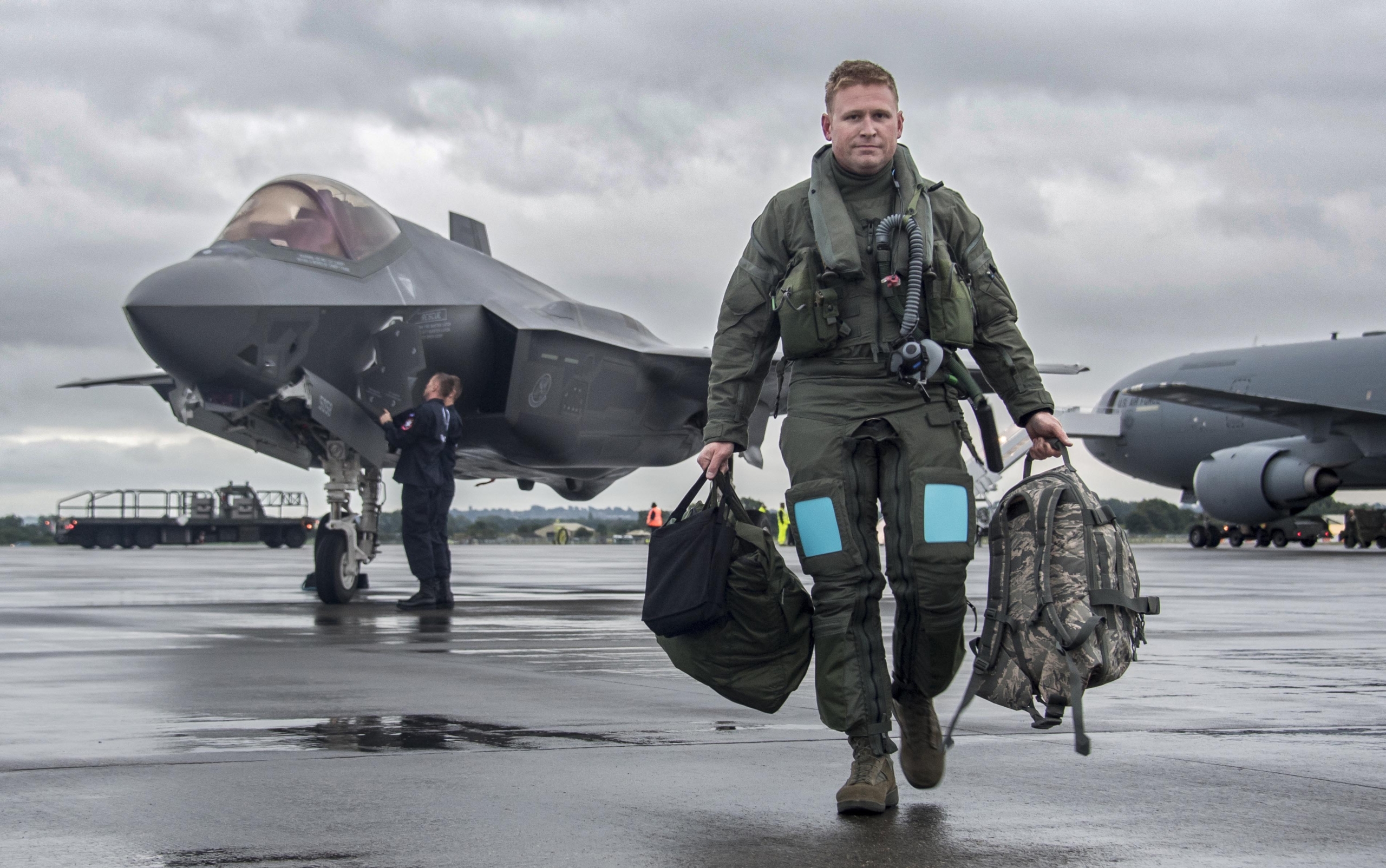
Eighty years after World War II-era pilot training partnerships, the US Air Force is once again looking to the civilian sector to meet wartime demands.
In a landmark move, Acron Aviation, a leading civilian Part 141 flight school, has signed an Educational Service Agreement (ESA) with the United States Air Force, becoming one of the first standalone FAA-certified institutions to support the military’s initial pilot training pipeline.
Formerly known as L3Harris Commercial Aviation Solutions, Acron Aviation will now play a key role in shaping the next generation of US Air Force pilots, delivering foundational flight training to officers selected for Undergraduate Pilot Training (UPT).
Acron Aviation will train USAF pilots
Previously, the Air Force typically partnered with military-run institutions or university-affiliated aviation programmes.
A standalone, civilian-operated school with a Part 141 certification being trusted to train future Air Force pilots is a major shift in how the military approaches pilot training.
The collaboration will see Acron Aviation provide rigorous instruction at its state-of-the-art training campus in Sanford, Florida.
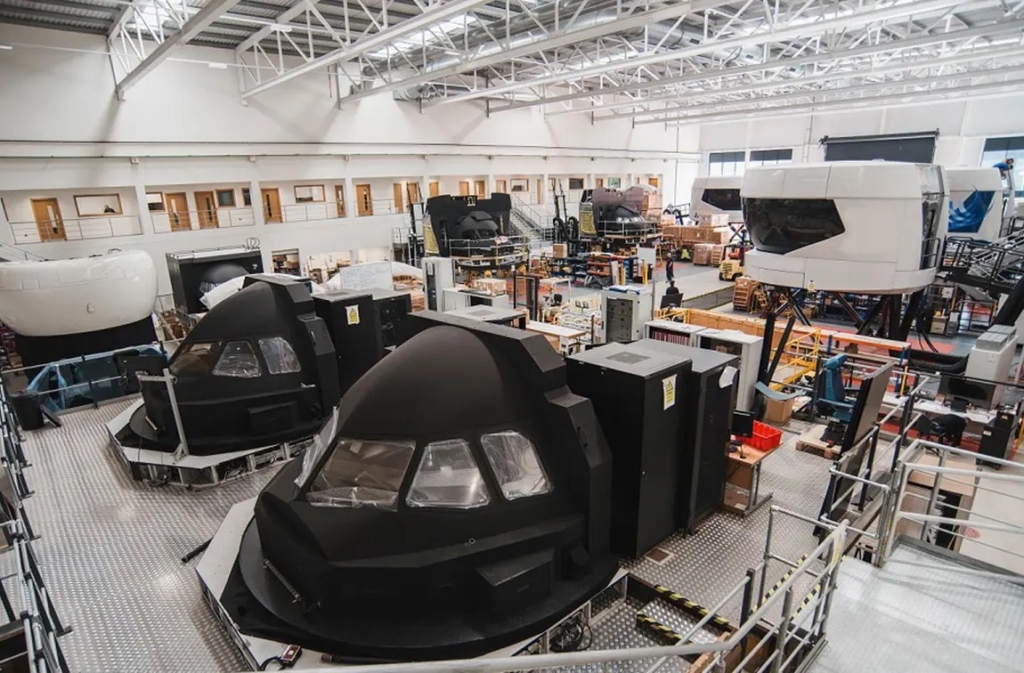
With over 100 modern aircraft, advanced simulators, and a team of certified flight instructors, Acron says it is equipped to deliver high-quality training aligned with military standards.
The programme, which kicks off in November 2025, will prepare officers to earn their private pilot certificate, instrument rating, and multi-engine rating. These core credentials form the foundation for advanced military flight training.
David Cox, Vice President and Director of Acron Aviation’s Airline Academy, called the partnership “an honour”.
“To be selected as one of the first Part 141 flight schools to support this effort is a testament to the unwavering commitment our team has to quality, safety, and innovation in aviation training,” Cox says. “We are proud to play a role in shaping the future of our nation’s Airmen.”
Why the USAF is partnering with civilian flight schools
The Air Force’s choice to work with a Part 141 flight school is strategic. These schools operate under a strict FAA-approved syllabus, with structured lessons, stage checks, and formal oversight, unlike the more flexible Part 61 route.
The structure of Part 141 allows for faster qualification. That means students can complete a Private Pilot Licence in as little as 35 hours, and a Commercial Pilot Licence in 190 hours, compared to 40 and 250 hours respectively under Part 61.
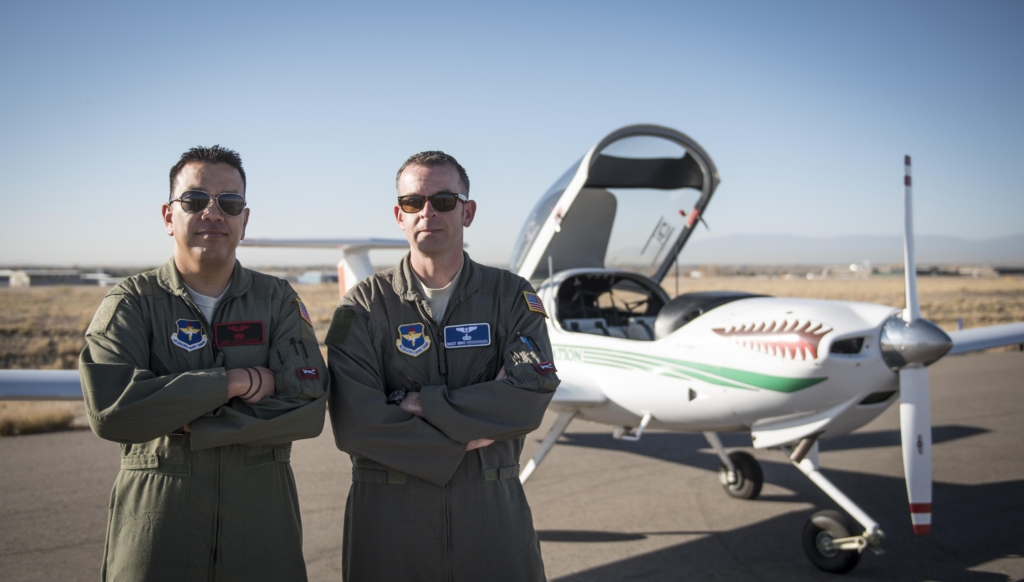
This efficiency is especially valuable as the Air Force seeks to scale up training without sacrificing rigour. With lower flight time requirements, Part 141 schools tend to cost less too.
Part 141 programmes mirror university-style learning environments, often qualifying for federal funding such as the GI Bill, further aligning with military education goals.
The agreement with Acron comes as the Air Education and Training Command (AETC) ramps up its Small Group Tryouts (SGTOs), a training concept aimed at producing more pilots, faster.
AETC is also exploring partnerships with public universities that operate Part 141 flight programmes and have the capacity to support additional SGTOs in 2025.
All students in the Initial Pilot Training (IPT) track will be monitored through to their completion of graduate-level training at Formal Training Units.
CAE Defense & Security was awarded the US Air Force Rotary Wing Introductory Flight Training (IFT-R) contract in 2023.
During World War II, private flight schools produced over 200,000 pilots
The decision to expand civilian partnerships is rooted in history.
During World War II, the US Army Air Corps relied on colleges and civilian flight schools to train pilots through the College Training Programme.
That wartime initiative helped produce roughly 200,000 pilots, half of whom passed through college-based programmes.
While today’s Air Force doesn’t face a 100,000-applicant backlog, it has consistently fallen short of its annual target to produce 1,500 new pilots. The challenge is not just numbers, but time.
“The threats are growing, and we are out of time,” said Lieutenant General Brian Robinson, commander of AETC.
“AETC is harnessing the power of American academia and industry to rapidly reoptimise our ability to train and develop Airmen for Great Power Competition,” he continued. “If called upon, we will be ready to defend our nation; and if there is a fight, we will win.”