

France’s Airbus A321 MPA faces €12bn cost row, putting 2026 launch at risk

5 min read
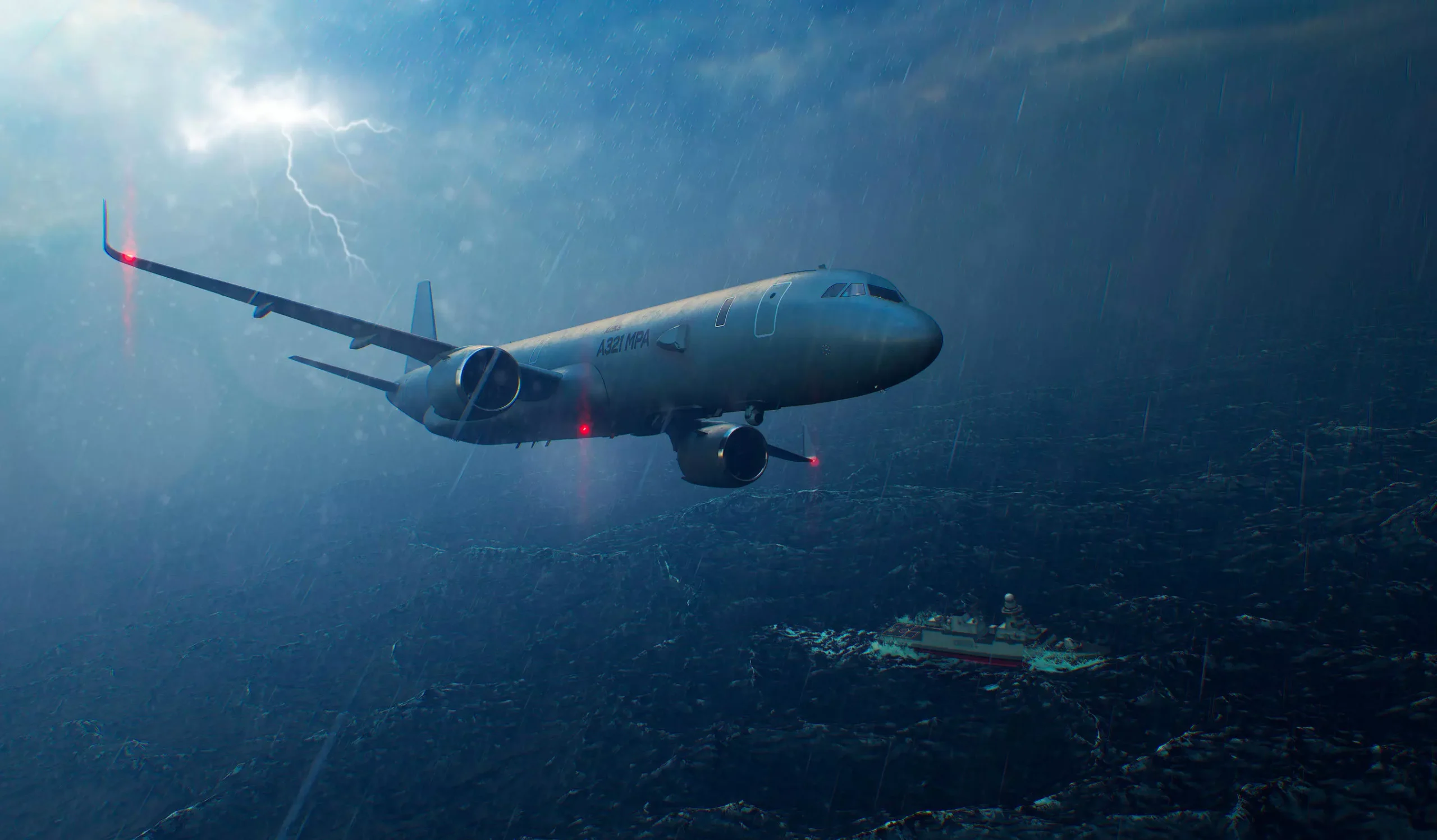

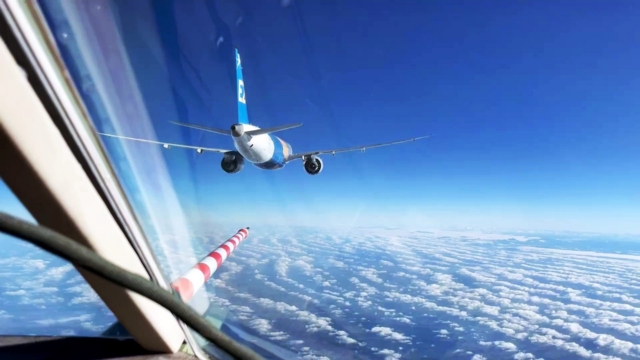
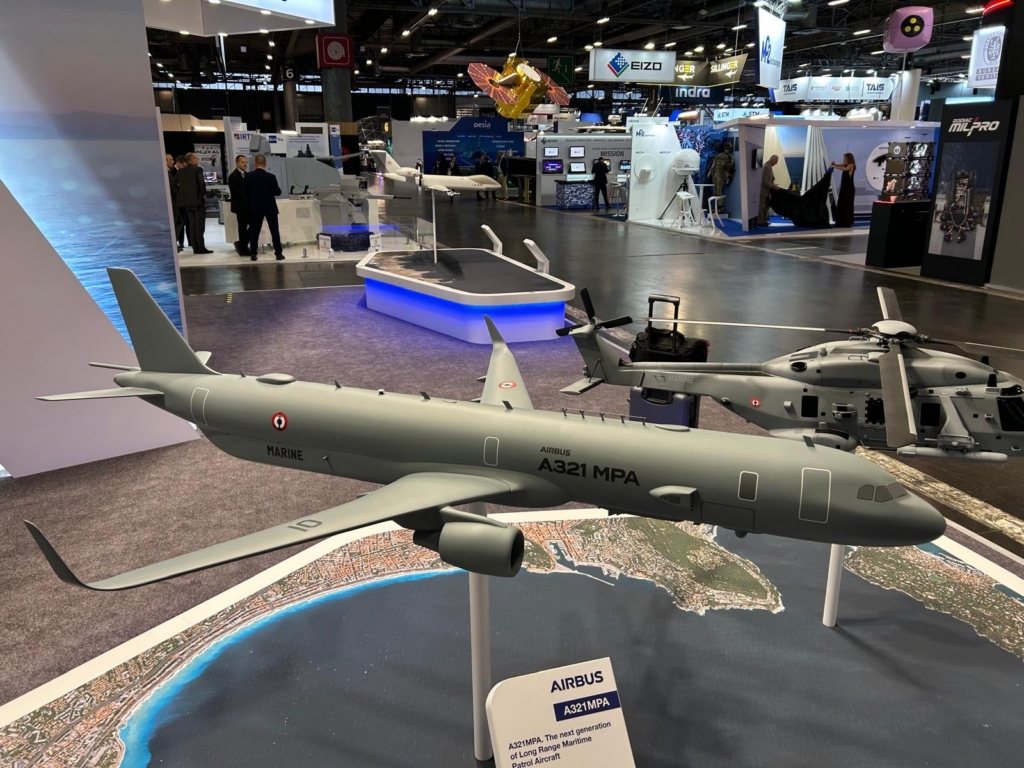
France’s plan to replace its ageing maritime patrol aircraft with a military version of the Airbus A321XLR has run into a major funding dispute, with the cost of the programme potentially approaching €12 billion ($13 billion) for just 12 aircraft, according to French newspaper Les Echos.
The newspaper reported on 16 November that the A321 MPA programme, intended to replace the French Navy’s Dassault Atlantique 2 fleet, would not enter its development phase this year because of rising costs.
The disclosure follows warnings from French lawmakers that the programme’s estimated budget had already increased by 65%, from €2.768 billion ($3 billion) to €4.574 billion ($5 billion), before a production contract had been signed.
The figures have raised questions about whether France can afford the aircraft in its proposed configuration and still meet the navy’s replacement timetable.
The French Ministry of the Armed Forces acknowledged the problem during an October parliamentary hearing, confirming that negotiations with Airbus were continuing after officials rejected the financial proposals received from industry.
A report to the National Assembly on the 2027 defence budget also confirmed that the programme had been suspended because no agreement had been reached on the financial envelope for the 12 aircraft.
The $13 billion figure reported by Les Echos is not a signed contract value. It includes substantial development and integration expenditure, and the precise scope differs from the earlier budget estimates.
French lawmakers raise concerns
The scale of the dispute was already apparent in October.
In his report on the French Navy’s 2027 budget, lawmaker Yannick Chenevard said the planned launch of the A321 MPA development phase by the end of 2026 was in jeopardy.
The report, registered with the National Assembly on 22 October, stated that technical risk-reduction work had been successful but commercial negotiations had encountered difficulties over Airbus’s financial demands.
Chenevard suggested that Airbus’s approach to pricing might reflect its experience with cost overruns on the A400M military transport programme. That was his assessment, rather than an explanation confirmed by Airbus.
The Ministry of the Armed Forces subsequently addressed the issue during a Senate hearing in the week of 26 October.
Responding to concerns about the delay, the ministry said the estimates received at the end of the summer were unsatisfactory and that France’s defence procurement agency, the Direction generale de l’armement (DGA), was continuing discussions with Airbus.
The ministry also said the Atlantique 2 fleet would remain operational until its replacement arrived, which it placed around 2035.
Why France chose the A321
The A321 MPA emerged from the collapse of a planned Franco-German effort to develop a common maritime patrol aircraft.
France and Germany launched the Maritime Airborne Warfare System (MAWS) initiative in 2018 to replace their ageing maritime patrol fleets.
Germany subsequently chose Boeing’s P-8A Poseidon, ordering five aircraft in 2021 and later increasing its planned fleet to eight.
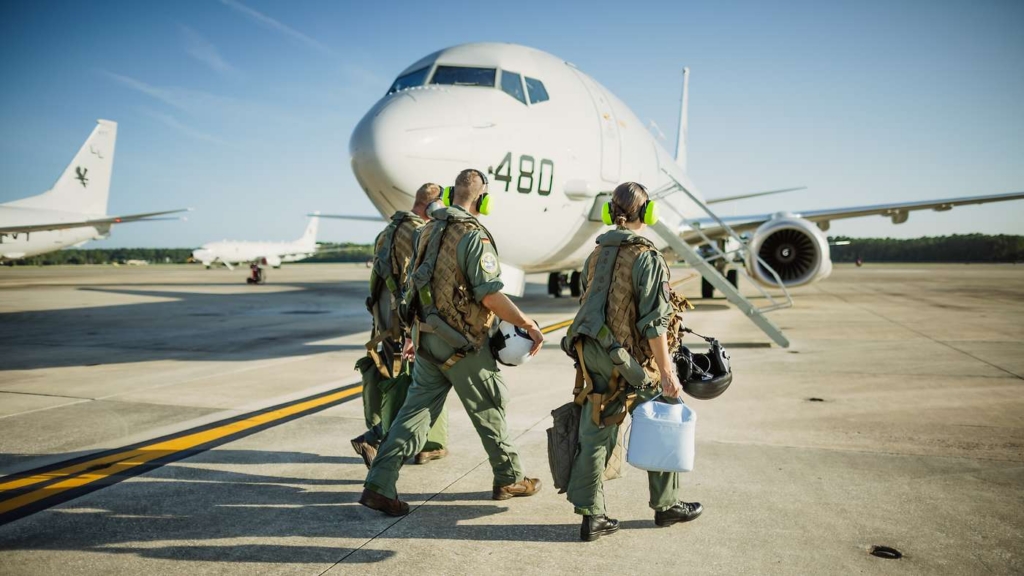
That decision left France pursuing its own replacement programme.
Two French industrial proposals were considered: an Airbus aircraft based on the A321XLR commercial jet and a Dassault Aviation design derived from the Falcon 10X business jet.
France selected the Airbus proposal for further development, with the larger airliner offering more internal space for mission equipment, weapons and additional crew members during extended patrols.
The choice was particularly important because the new aircraft would have to undertake anti-submarine warfare, maritime surveillance and intelligence missions while also supporting the protection of France’s nuclear-powered ballistic missile submarines.
Those submarines form the sea-based element of the country’s nuclear deterrent. Maritime patrol aircraft help monitor the waters through which they transit when departing their bases, looking for hostile submarines and other potential threats.
The A321 MPA was therefore conceived as considerably more than a conventional surveillance aircraft.
Airbus set out its plans in 2025
In February 2025, Airbus Defence and Space announced that the DGA had awarded it a 24-month risk-assessment study contract, with Thales as its industrial partner.
The contract followed an earlier architecture and feasibility study launched at the end of 2022. Airbus said the new work would refine the aircraft’s technical configuration, examine industrial and economic conditions and undertake initial wind-tunnel testing.
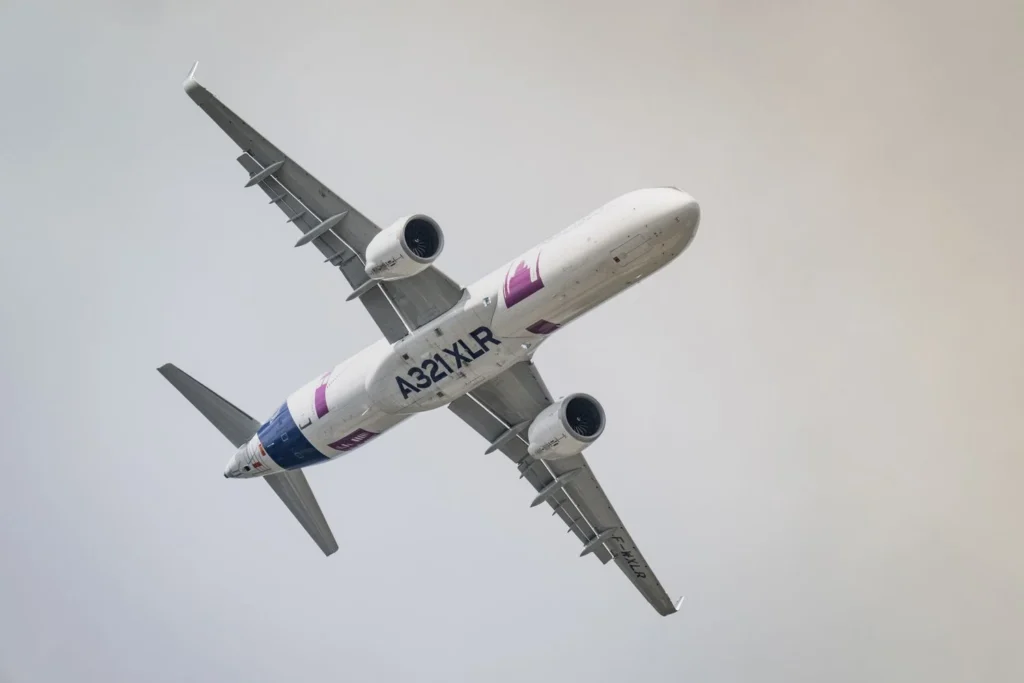
The objective was to prepare the programme for a development and production decision at the end of 2026.
Jean-Brice Dumont, then Airbus Defence and Space’s Executive Vice President and Head of Air Power, described the A321 MPA as a potential “true flying frigate”.
“Airbus offers a sovereign solution that provides the autonomy, availability and reliability required to contribute to the oceanic component of the nuclear deterrence,” he said in the February 2025 announcement.
The proposed aircraft would use the A321XLR as its base but require extensive modifications to carry out military missions.
Airbus outlined plans for a maritime surveillance radar with active antennas, acoustic systems to process information from active and passive sonobuoys, electronic and electro-optical sensors, magnetic anomaly detection equipment and self-protection systems.
The aircraft would also carry torpedoes and France’s future anti-ship missile, alongside satellite communications and other mission equipment.
The integration work is considerably more complex than installing surveillance equipment in an existing passenger aircraft. It involves changes to the aircraft’s internal structure, mission systems and weapons arrangements.
That complexity is now central to the disagreement over development costs.
Could Dassault return?
The financial dispute has also revived questions about the Dassault Falcon 10X proposal, which lost out to Airbus during the earlier selection process.
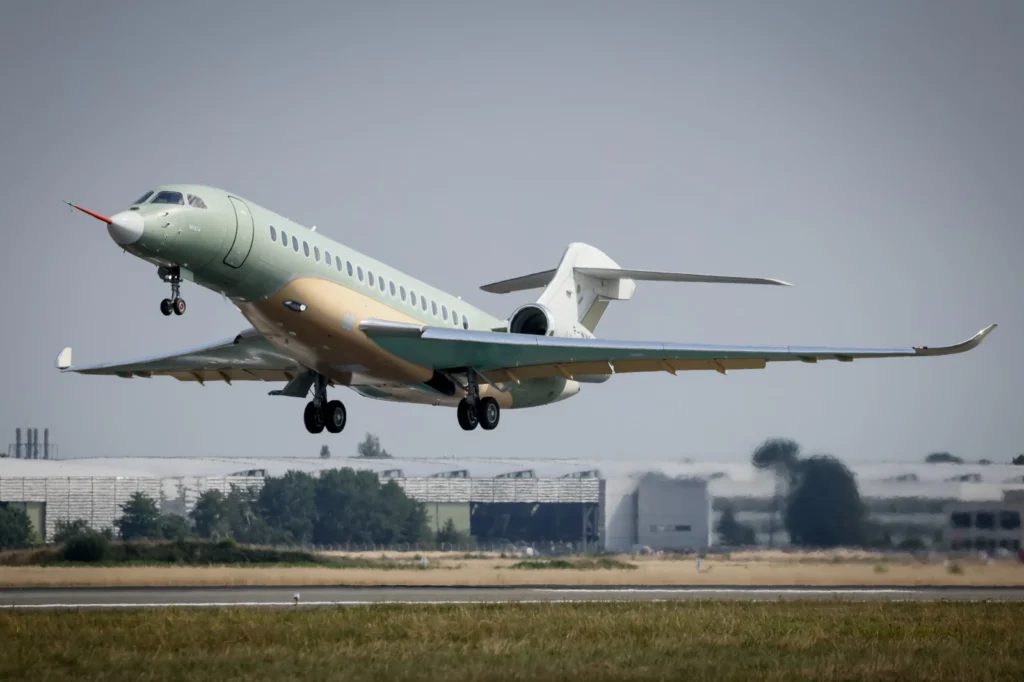
According to subsequent French reporting, the DGA could consider reopening discussions with both manufacturers if the current negotiations fail to produce an acceptable agreement.
However, no decision to abandon the A321 MPA or select an alternative aircraft has been announced.
A Falcon 10X-based design would still have to satisfy the navy’s requirements for endurance, mission systems, weapons capacity and crew accommodation.
Ageing Atlantique 2 fleet adds urgency
The French Navy currently relies on 18 Atlantique 2 aircraft upgraded to Standard 6.
The twin-turboprop aircraft have served for decades in anti-submarine warfare, maritime surveillance and other naval operations.
Their latest modernisation programme introduced improved sensors and mission systems, extending their usefulness while France develops a replacement.
The Ministry of the Armed Forces told senators in October that the final major upgrade had been completed and that all 18 aircraft had received new sensors.
Sign up for our newsletter and get our latest content in your inbox.