

“You’re still the pilot”: How airline route planners are putting AI to work

3 min read


Airline network planners expect artificial intelligence to speed up data analysis and help them test the viability of new routes, but final decisions around which city pairs to connect will be left to humans, according to executives speaking at the Routes World 2026 event in Frankfurt last month.
Diogo Bertussi, network planning manager at GOL Linhas Aéreas Inteligentes, described network planning as a complex task already involving multiple data sources and increasingly sophisticated technology.
Deploying AI to find the best airline routes
However, even experienced teams, he said, cannot always use all the information available to them.
“That’s where I see the best usage of AI,” Bertussi said. “Not only automation, not only optimising tasks, but also to get better at analysis, to improve the quality and value of the studies.”
Bertussi said he was still learning about the technology and was interested in how the Brazilian airline could adopt it.
However, he said he expected AI to help the airline’s in-house analysts test more combinations of routes, giving operators a more informed point from which to make their decisions on where to fly.
“What if the fuel price goes there or there? What if the competition moves towards here and there?” he said. “It opens more strategic and vast scenarios where the leadership can have a better overview for strategic decision making.”
Testing weaknesses in a network strategy
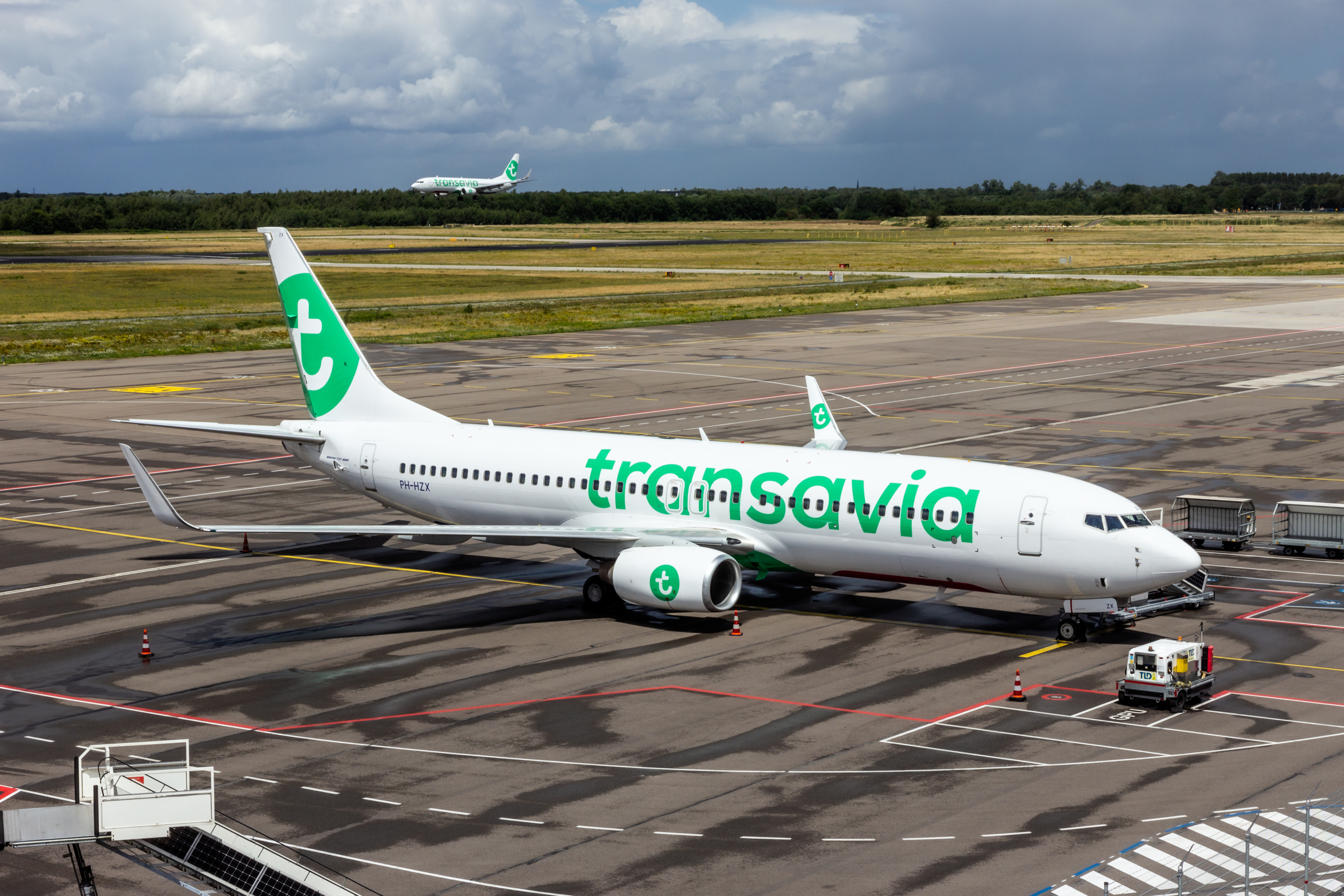
At Transavia, network planning manager Remon Essers-Aliende Moscoso said the airline currently works with Microsoft AI for quick research and analysis, including as a way to test ideas and probe for weaknesses in a network strategy.
But he added: “It needs the right documentation. It needs the right data, so it can actually understand what’s happening.”
Looking ahead, he sees AI working with the airline’s proprietary models to run large numbers of scenarios. “In two, three years’ time, [I can] say to AI, okay, use our models and actually forecast what are the best options. Run 1,000 scenarios.”
Who decides where airlines fly?
Airlines are already using AI to make some of the decisions that follow a change in the weather. At Cathay Pacific, for example, it helps teams model which flights to cancel and how to get the schedule back on track. For network planners, the question comes much earlier. Is there a case for putting a flight on the schedule in the first place?
A route might look promising at today’s fuel prices. Would it still make sense if those prices rose, or if a rival started flying the same city pair? For GOL’s Bertussi, the appeal of AI is being able to explore more of those possibilities before recommending a route.
At Transavia, Essers-Aliende Moscoso can envisage asking it to run 1,000 scenarios through the airline’s own models. Deciding which of those scenarios to plan for would still fall to his team.
“It’s called Copilot because it’s the copilot,” he said. “You’re still the pilot.”
Sign up for our newsletter and get our latest content in your inbox.



More from

November 19, 20264 min read