


Formula 1 could introduce flying taxis at Grand Prix races in Archer deal

3 min read

Formula 1 fans could bypass traffic congestion around Grand Prix circuits by travelling in electric air taxis under a new partnership with Archer Aviation.
The two companies announced a multi-year agreement on 12 November to explore introducing electric vertical take-off and landing (eVTOL) aircraft services at selected Formula 1 events worldwide.
The proposed services would transport VIPs, spectators and other event stakeholders aboard Archer’s Midnight aircraft, reducing journey times between airports, city centres and racing circuits.
The partnership will initially focus on events in markets where Archer plans to establish commercial operations, including the US, the Middle East, Asia and Europe.
How Archer’s Midnight flying taxi would operate
Archer’s Midnight is an all-electric aircraft which can carry four passengers and a pilot on short urban journeys. The eVTOL aircraft uses 12 propellers and a combination of vertical and conventional flight, allowing it to take off and land without a traditional runway.
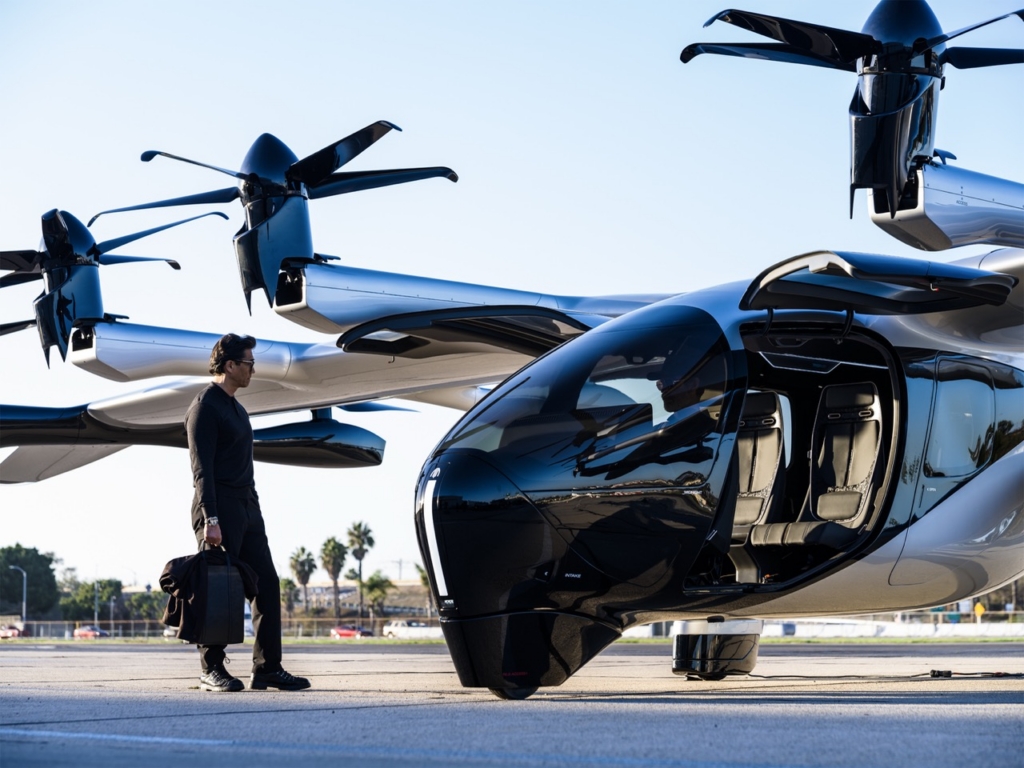
Midnight is designed for journeys of up to approximately 100 miles (160km), with a target cruising speed of around 150mph (240km/h). Archer intends to operate frequent short flights with rapid turnaround times.
Archer’s four-passenger aircraft could ferry fans from selected urban departure points to Grand Prix circuits, bypassing road congestion. Given its limited capacity, early services would likely focus on VIP transfers.
For now, the agreement only covers a study of the possibilities. Any future operations would first require infrastructure development and approval from aviation authorities.
Archer and Formula 1 explore air taxi transfers at Grand Prix circuits
Archer and Formula 1 will explore developing air taxi landing sites near circuits, and building future air taxi networks in Miami and Texas, which host Formula 1 races. They are considering offering flights as part of hospitality and ticket packages, giving VIP fans an alternative to busy roads.
The company’s international expansion plans could eventually bring flights to other Grand Prix locations.
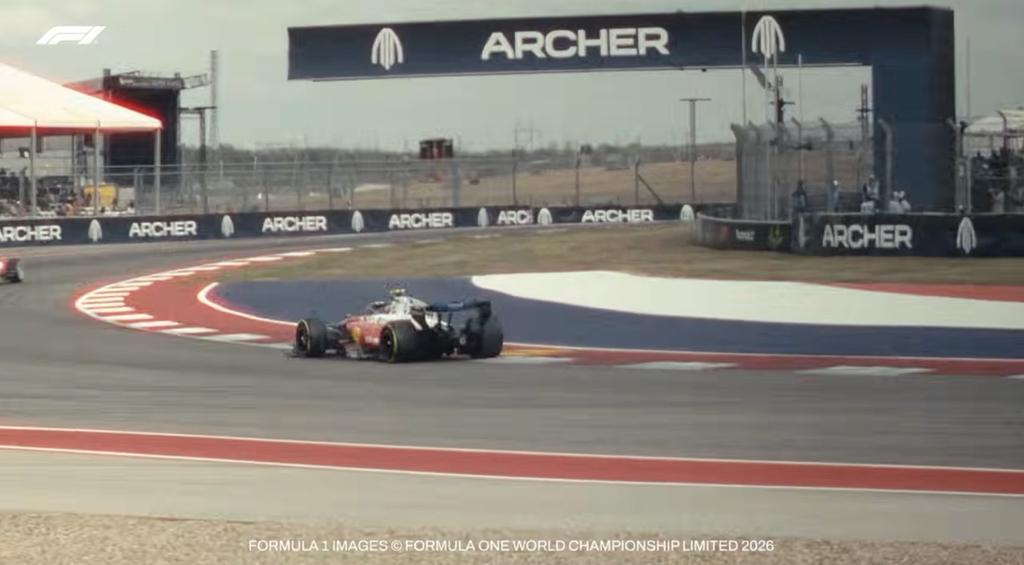
“Innovation is at the heart of Formula 1, and Archer shares our passion for pushing boundaries and exploring what is possible,” said Emily Prazer, Formula 1’s Chief Commercial Officer. “This collaboration is an exciting opportunity to work together to explore how new ideas and technologies can continue to evolve and elevate the experience we create for our fans at our events.”
Archer displayed its Midnight aircraft at the 2026 United States Grand Prix in Austin and plans further appearances at the Las Vegas and Abu Dhabi Grands Prix later this year.
Formula 1 partnership supports Archer’s commercial ambitions
The agreement allows Archer to introduce its aircraft to Formula 1’s international audience while developing potential commercial applications for its planned air taxi networks.
“With 830 million fans worldwide, Formula 1 gives us a global audience of prospective passengers who are as obsessed with high-performance vehicles as we are,” said Adam Goldstein, Archer’s founder and CEO. “Motorsport and aerospace share the same engineering DNA, which made this a natural partnership.”
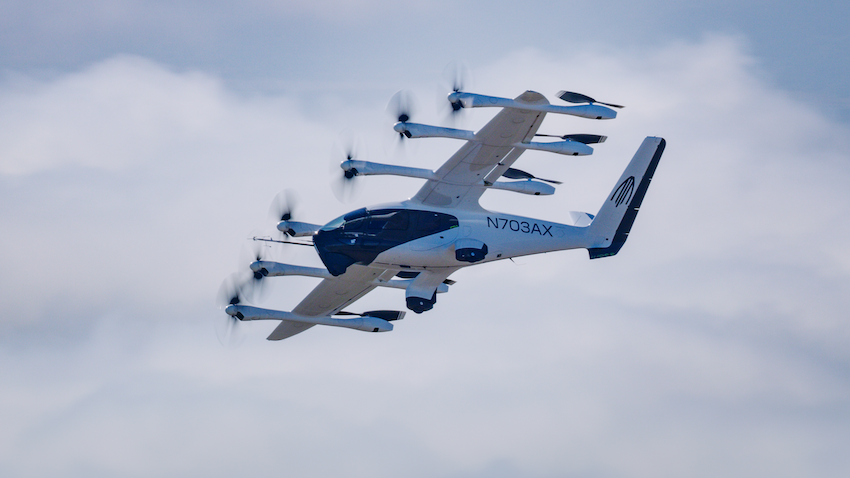
The Formula 1 agreement comes as Archer continues developing its commercial operations and pursuing certification of Midnight. In its third-quarter 2026 results, the company reported $1.4 billion in cash, cash equivalents and short-term investments and highlighted progress towards initial operations in Los Angeles.
“I started Archer to unlock the skies, and we are now doing that across both commercial and defence. With our first aircraft in Los Angeles and Boeing set to become our largest shareholder following our transaction close, I believe we are building an end-to-end aerospace and defence platform that very few companies could assemble, and one that will matter for decades,” Goldstein said in the Q3 results.
Before these Formula 1 flights can take off, Archer must first secure aircraft and operational approvals. Grand Prix locations would also need to complete their own infrastructure and regulatory arrangements.


