


Greece expands V-BAT drone fleet as Shield AI deepens defence partnerships

4 min read
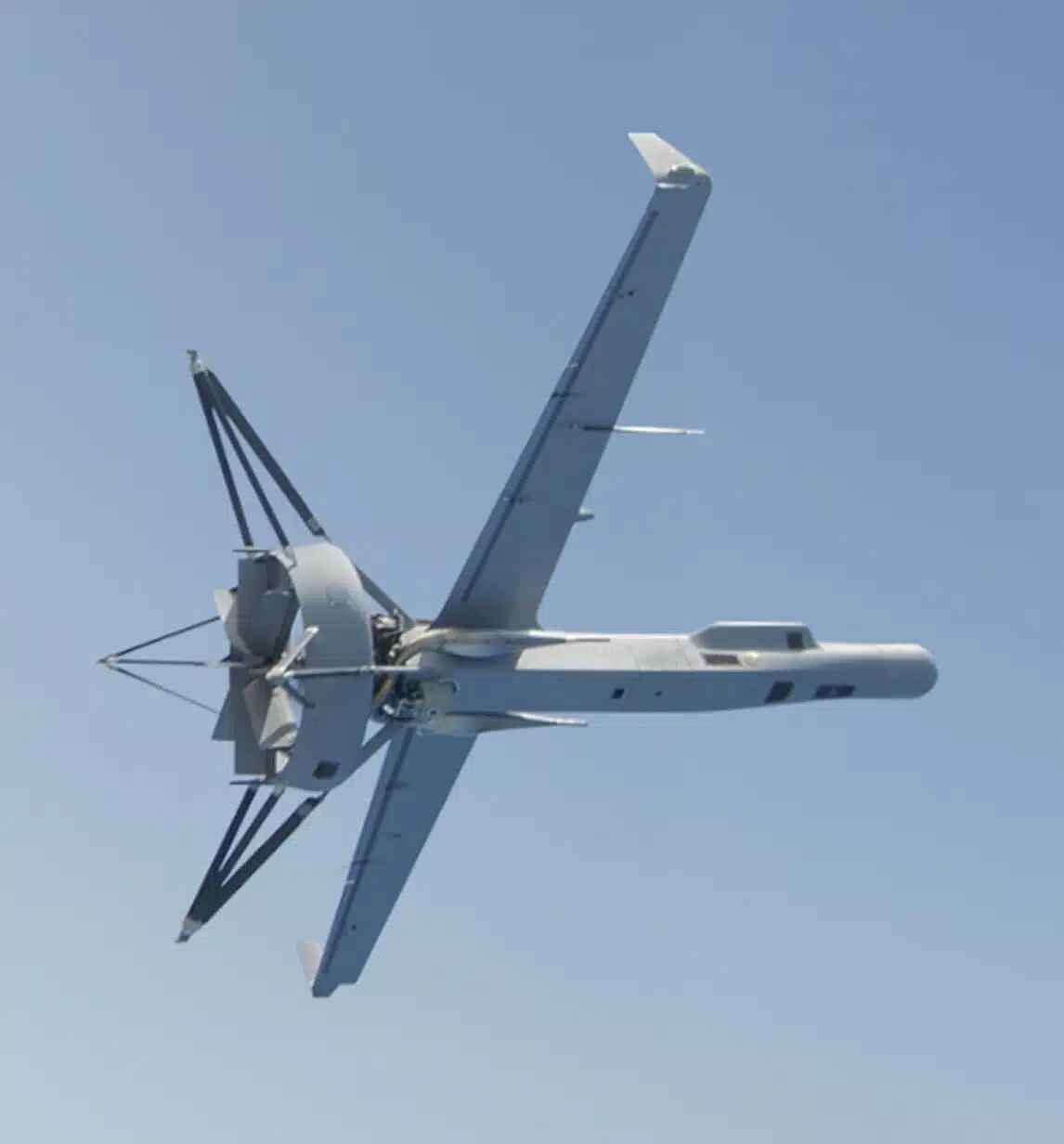
Greece is expanding its fleet of V-BAT surveillance drones for the Hellenic Army and Navy under a new order placed through the NATO Support and Procurement Agency (NSPA), giving its armed forces more aircraft capable of operating from ships, islands and remote coastal positions without runways.
US defence technology company Shield AI announced the agreement on 11 November, saying the additional aircraft would strengthen intelligence, surveillance and reconnaissance (ISR) operations on land and at sea.
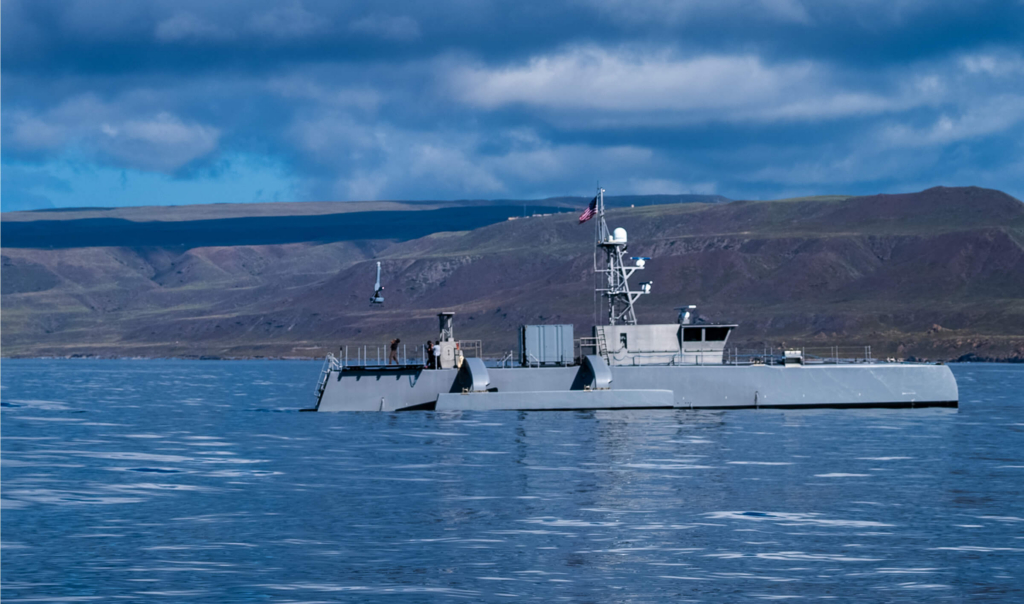
The contract includes spare parts, training, ground support equipment and long-term maintenance support. Shield did not disclose the number of aircraft ordered, their cost or the delivery schedule.
The latest procurement expands an existing Greek military capability and comes as Shield develops partnerships with Greek companies covering autonomous flight software, drone interceptors and future unmanned combat aircraft.
Why Greece needs runway-independent drones
The V-BAT is designed to operate from confined spaces, including small ship decks and remote military positions.
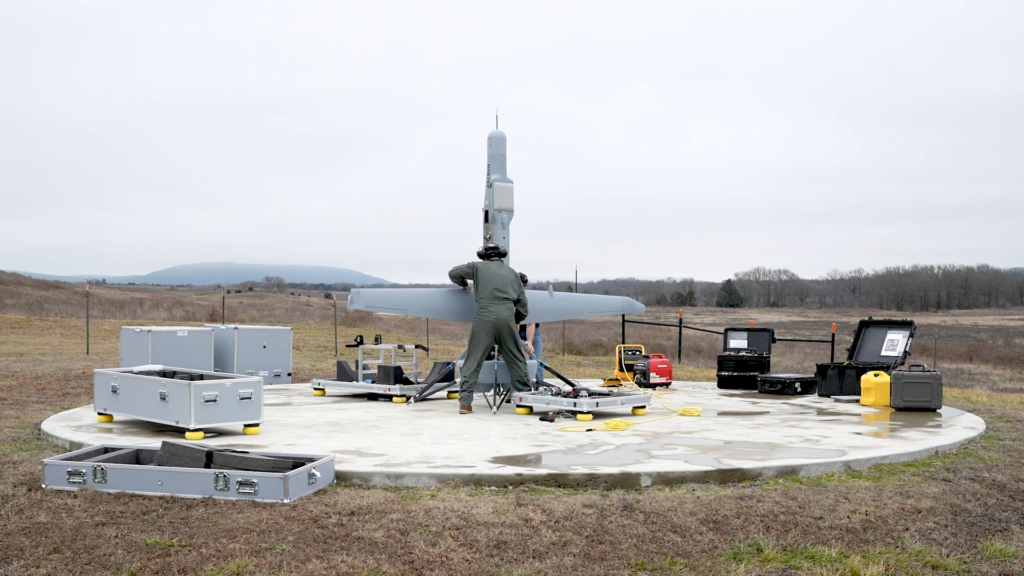
Unlike conventional fixed-wing drones, which generally require runways or launching equipment, V-BAT takes off and lands vertically. Once airborne, it transitions into forward flight using its wings.
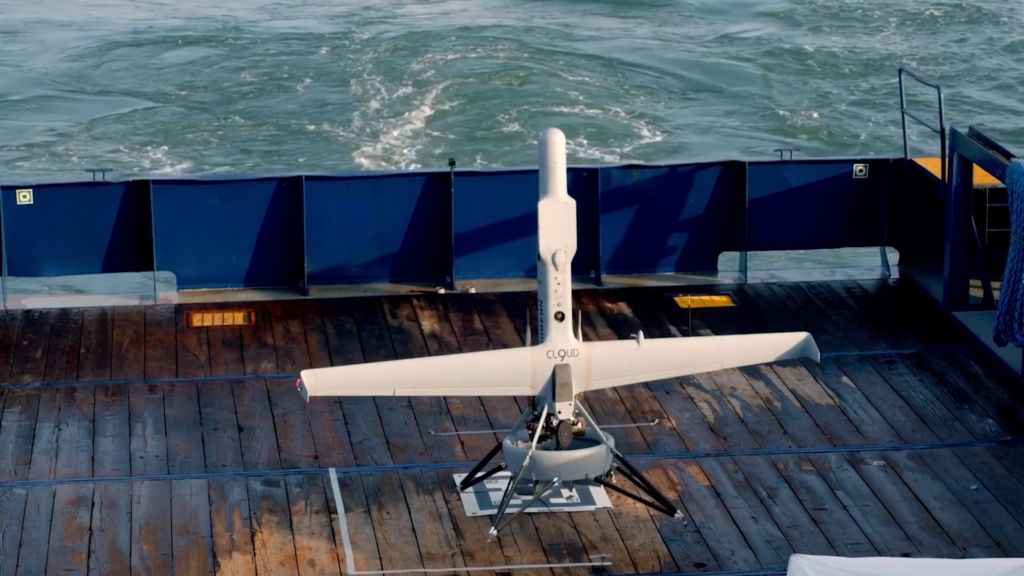
This allows military units to deploy the aircraft from locations where conventional surveillance drones would be difficult to operate.
Shield says V-BAT can remain airborne for more than 12 hours, providing extended surveillance without requiring a large aircraft or airfield.
The capability is particularly relevant to the Aegean, where Greece maintains military positions across numerous islands and coastal areas.
“An order for additional V-BATs represents a major expansion of Greece’s persistent ISR capacity and a strong vote of confidence in an aircraft already operating in Hellenic service,” said James Lythgoe, Shield’s regional director for Eastern and Southeast Europe.
He said the common fleet would allow the Army and Navy to share training, logistics and operational experience.
“V-BAT is exceptionally well suited to the Aegean, where forces need long-endurance ISR from islands, coastlines, ships and austere sites without dependence on runways.”
How the V-BAT works
V-BAT is a Group 3 unmanned aircraft powered by a heavy-fuel engine.
Its distinctive feature is a single ducted fan, with the propeller enclosed inside a circular housing at the rear of the aircraft.
The drone stands vertically during takeoff and landing before moving into conventional wing-borne flight.
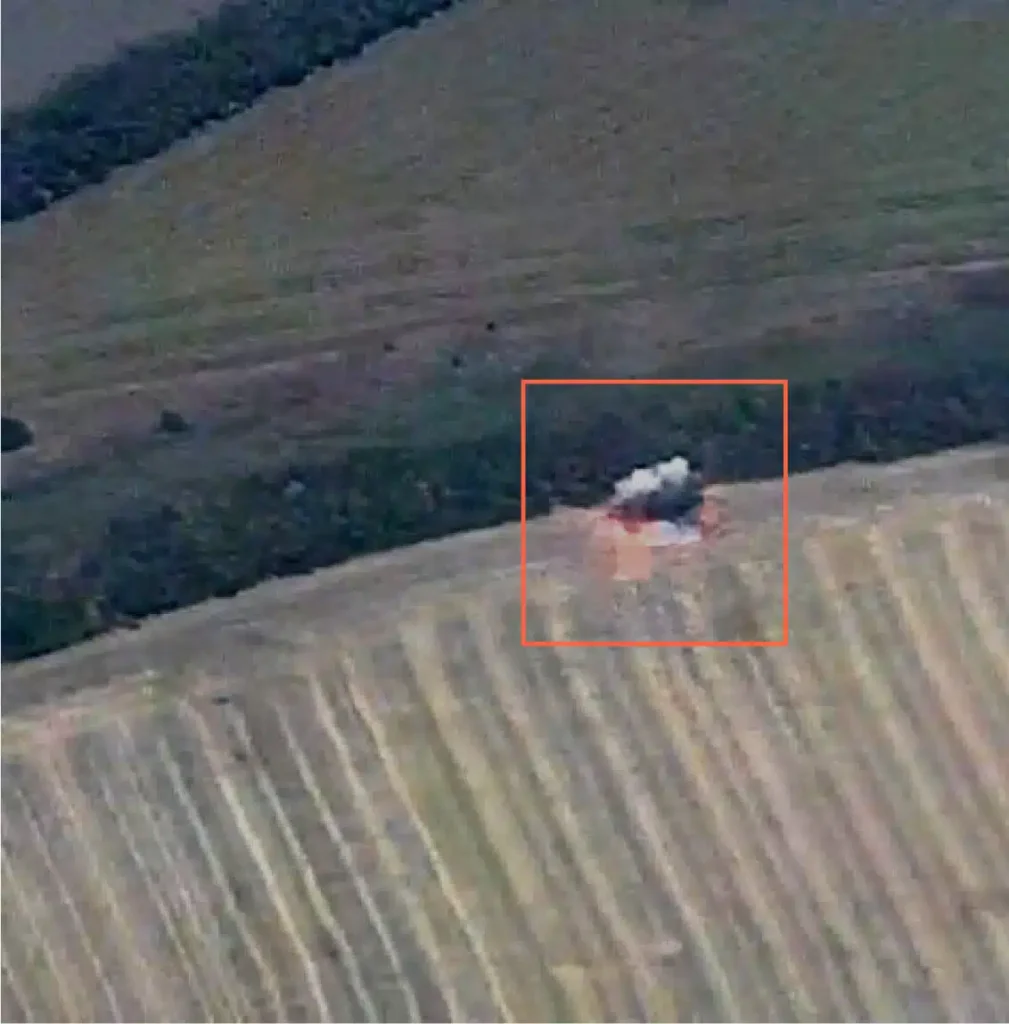
It can carry surveillance equipment to observe and track activity on land or at sea. Shield lists a maximum payload capacity of 40lb (18kg).
The company says V-BAT has demonstrated the ability to operate in environments where GPS signals are disrupted or communications are contested.
Such capabilities have become increasingly important as electronic warfare systems are used to interfere with drone navigation and control.
Greece develops its own autonomous capabilities
The latest order follows a strategic agreement signed by Shield and Greece’s EFA GROUP at the Eurosatory defence exhibition in Paris on 16 June.
The companies agreed to develop and integrate artificial intelligence-based pilots for unmanned systems using Shield’s Hivemind autonomy software.
Hivemind is designed to allow an aircraft to respond to changing conditions, alter its route and avoid obstacles without requiring continuous instructions from a human operator.
Unlike a conventional autopilot that follows a programmed route, the software can adapt its actions within parameters established by military operators.
Under the agreement, EFA GROUP will contribute engineering and systems integration expertise to adapt the technology to Greek requirements.
The companies say the arrangement is intended to give Greece greater national control over autonomous military capabilities, including their long-term maintenance and development.
“By combining Shield AI’s proven autonomy stack with EFA GROUP’s engineering, this partnership creates a pathway for next-generation solutions developed in country, as envisioned in Agenda 2030, both for Greece and Europe,” said Dr Grigoris Koutsogiannis, CEO of EFA GROUP, when the agreement was announced.
The companies have not confirmed that the additional V-BAT aircraft ordered through NSPA will incorporate technology developed under this partnership.
More defence cooperation with Greek industry
Shield has announced two other agreements with Greek companies this year.
In July, it partnered with ALTUS LSA to integrate the Greek-built KMB Hunter interceptor with V-BAT, potentially giving the aircraft a role in counter-drone operations.
In October, Shield signed a memorandum of understanding with GEK TERNA to explore opportunities involving its larger X-BAT unmanned combat aircraft, including potential local production and maintenance.
X-BAT is a separate vertical takeoff and landing aircraft being developed for combat missions.
The company has also opened a regional office in Athens.
NATO agency handles procurement and support
The new V-BAT order was placed under NSPA’s Uncrewed Aerial Systems Support Partnership, which allows participating countries to acquire aircraft and support services through a common framework.
The agency provides assistance covering procurement, spare parts, maintenance, training and technical support. Greece retains ownership and operational control of its aircraft.
Shield is also expanding V-BAT sales outside Europe. In January, the company announced that the Indian Army had selected the aircraft alongside licences for its Hivemind software.
The latest Greek order adds to that international business while extending the country’s existing surveillance capability across its Army and Navy.


