


Boeing to cut 5% of commercial aircraft jobs as 737 ramp slows

3 min read
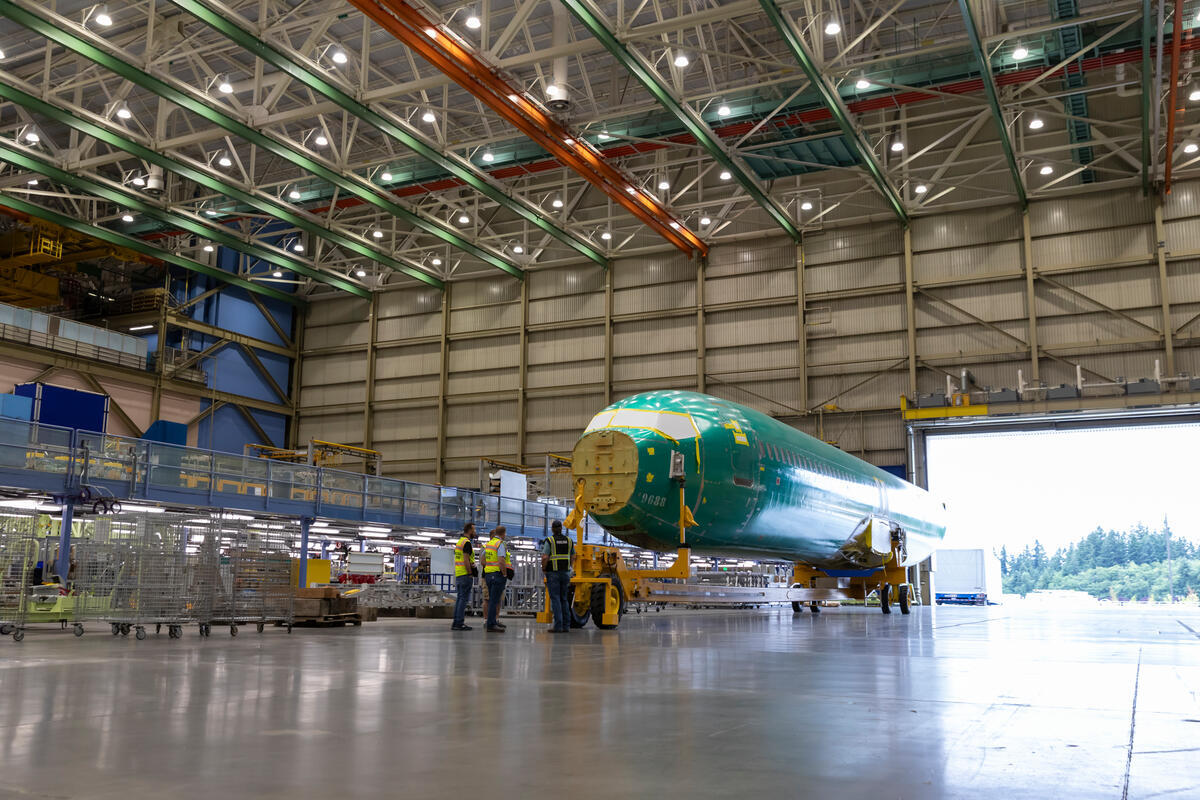
Boeing plans to cut about 5% of its Commercial Aeroplanes workforce after slowing plans to raise jet production. The division will reduce staffing through attrition and involuntary redundancies, with layoff notices expected to begin as early as December.
Stephanie Pope, president and chief executive of Boeing Commercial Aeroplanes, told employees on 9 November that the company was giving its factories and suppliers more time to stabilise production. The revised output plans leave the division with more staff than it needs.
Boeing expects layoff notices to begin in December
Boeing’s published employment figures show the division’s headcount stood at 50,494 at the end of December 2025.
“Adjusting our production schedules and reducing aircraft output puts us in an overstaffed position,” Pope wrote in the internal memo, as reported by FOX 13 Seattle, which obtained the email from Boeing communications officials.

Boeing will begin notifying affected employees in December. A 5% reduction in the workforce could mean layoffs for over 2,500 employees around the holidays.
“I know how difficult these actions are and the impact they will have on all of us, our families, and our communities. We will never take that lightly,” Pope said.
The International Association of Machinists and Aerospace Workers’ District 751 told Axios it had been notified of the company’s plans. The union said it did not yet know which employees would be affected or how many.
Boeing targets 52 737s a month in late 2027
Boeing began moving from 42 to 47 737s a month in the second quarter, with approval from the US Federal Aviation Administration (FAA). In July, chief executive Kelly Ortberg said he expected factory rollouts to reach 47 a month that summer.
However, on Boeing’s 27 October earnings call, Ortberg said it would take until 2027 to sustain that rate.
The primary bottleneck was in the 737 wing shop. Ortberg told analysts that some changes intended to speed up wing production had delivered smaller gains than Boeing expected. The company was adding capacity in parts of the shop and changing how work moved through it. Wing output had improved by October, but Boeing still couldn’t sustain the pace needed for 47 jets a month.
Boeing was also drawing down its fuselage stock, Reuters reported. Its Wichita plant produced new fuselages more slowly than final assembly required. Ortberg said Wichita would have to raise output to match the assembly rate as Boeing moved through that inventory.
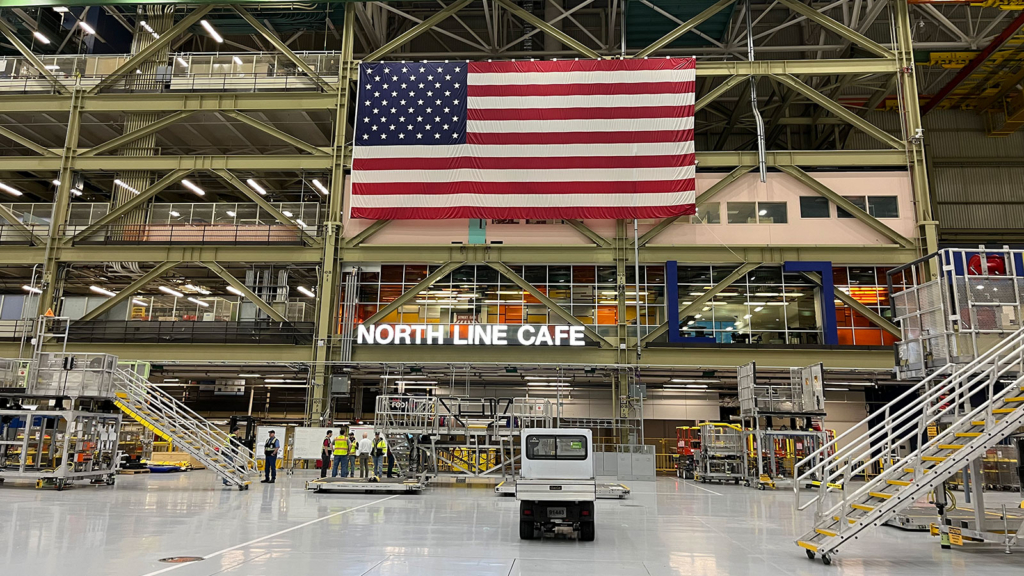
Boeing is targeting 52 aircraft a month in the second half of 2027. Ortberg said the increase depends on certifying and bringing the Everett North Line into production, sustaining wing output and stabilising fuselage production in Wichita at higher rates.
Chief financial officer Jay Malave said the slower ramp would leave Boeing short of its 2026 target of 500 737 deliveries. Boeing expects deliveries of MAX 7 and MAX 10 aircraft built before certification to begin in early 2027. The FAA certified the MAX 7 in July and the MAX 10 in October.
Orders keep coming as output targets slip
Boeing ended September with a record $612 billion commercial aircraft backlog covering more than 6,300 jets. It booked 300 net orders in the third quarter, including orders from Turkish Airlines, Ethiopian Airlines and Lufthansa.

Demand also came from lessors. On 4 November, Boeing and Avolon confirmed the Dublin-based lessor had finalised an order for 140 737 MAX 10s. Boeing said lessors had placed firm orders for more than 230 MAX 10s in 2026.
787 output holds at eight aircraft a month
Ortberg said on the October call that 787 production was stable at eight aircraft a month. Boeing still expected to begin moving to 10 by the end of 2026, with engine deliveries dictating the pace. Seat certification had also contributed to uneven Dreamliner deliveries.
Boeing reported 161 commercial aircraft deliveries in the third quarter, including 124 737s and 22 787s.
Boeing’s quarterly filing puts the next 787 rate increase in December. Further increases depend on expanding its Charleston factory and suppliers’ ability to support higher output.


