


QF1: The flight number that will take Qantas into a new era of non-stop travel

5 min read

There are few flight numbers in commercial aviation that carry the same historical significance as QF1 and QF2. For generations of Australian travellers, they have represented the ultimate journey – the flight between Sydney and London, linking Australia with the other side of the world.
Now, almost 80 years after Qantas first introduced its famous ‘Kangaroo Route’, the airline is preparing to give those numbers a new chapter in their remarkable history.
From October 2027, Qantas plans to transfer QF1 and QF2 to its Project Sunrise non-stop Sydney to London services, operated by specially configured Airbus A350-1000ULR aircraft.
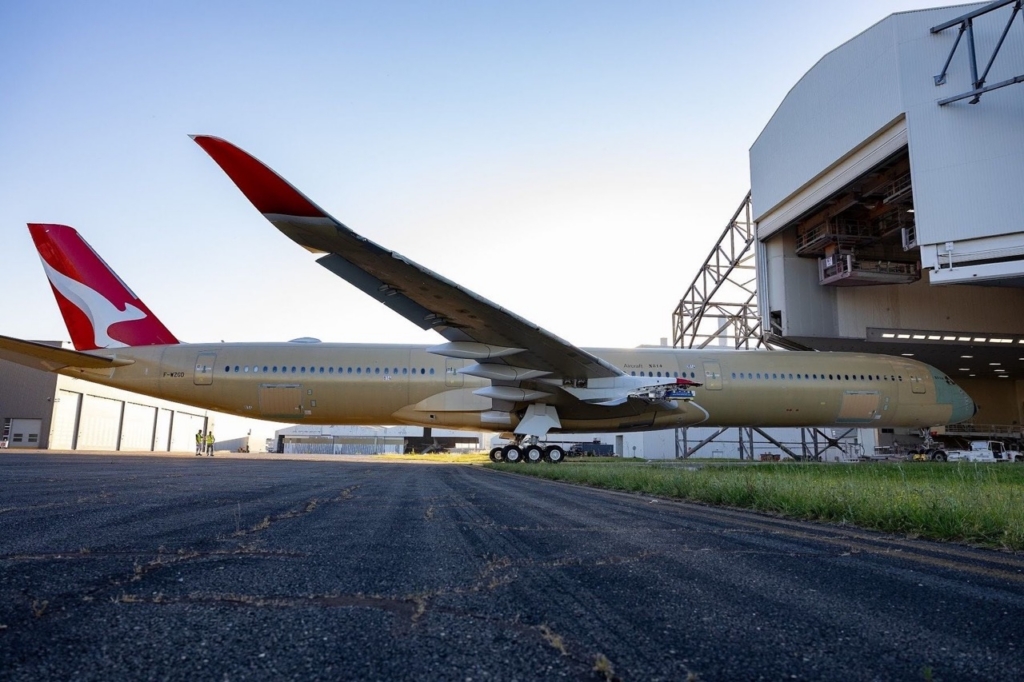
The move will see the airline’s existing Sydney to London service via Singapore relinquish the coveted numbers and become QF5 and QF6.
It is a significant symbolic decision. Rather than creating an entirely new identity for its most ambitious international operation, Qantas has chosen to preserve the heritage of its flagship flight numbers, attaching them to what could become the most revolutionary development in the history of the Kangaroo Route.
A flight number steeped in history
The origins of the Qantas Kangaroo Route date back to December 1947, when the airline launched its first scheduled passenger service between Sydney and London.
The journey was a very different proposition from today’s long-haul travel. Operated by Lockheed Constellation aircraft, the westbound journey took approximately four days and involved seven stops, including Darwin, Singapore, Calcutta, Karachi, Cairo and Tripoli.
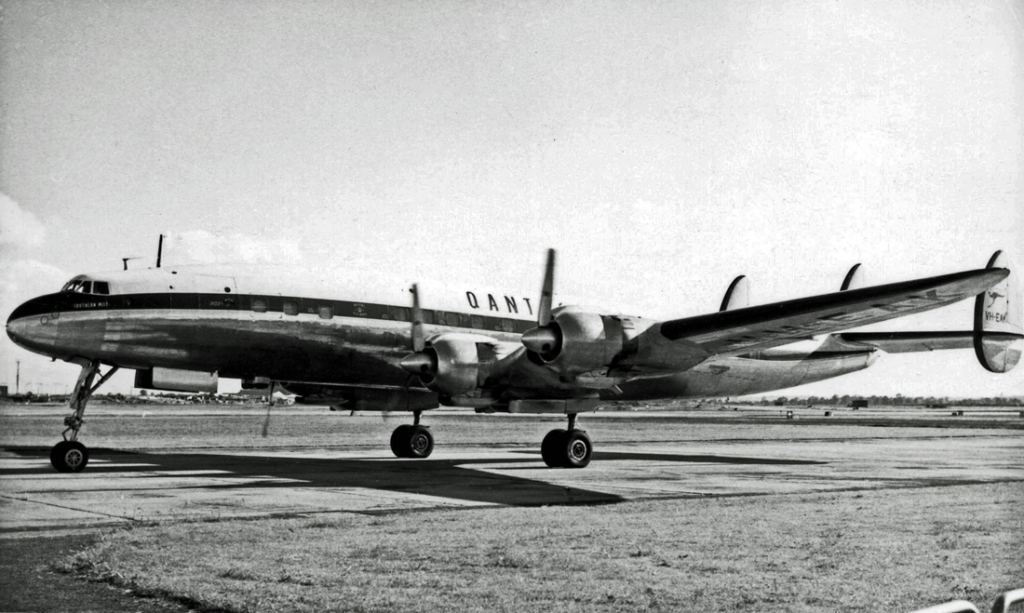
It was an extraordinary undertaking, demonstrating Australia’s determination to establish a reliable air connection with Europe at a time when international aviation was still in its infancy.
As aircraft technology advanced, the journey gradually became shorter. The arrival of the Boeing 707 in the late 1950s transformed international travel, while the Boeing 747 subsequently allowed Qantas to carry significantly more passengers across its expanding global network.
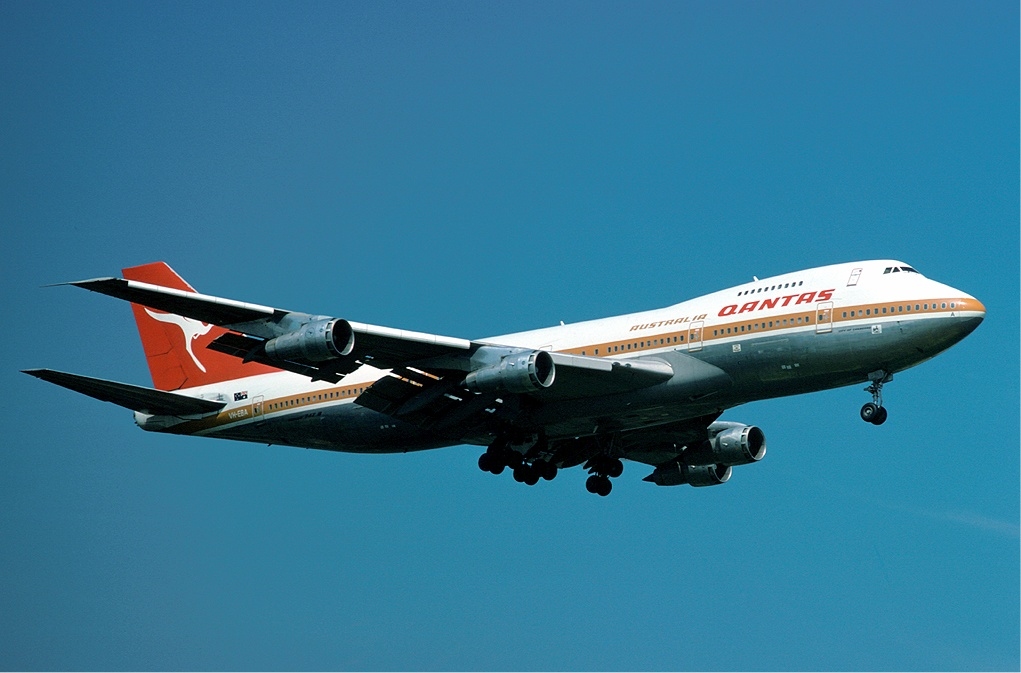
The Kangaroo Route evolved alongside these aircraft, with each generation bringing faster journeys, greater capacity and fewer stops.
QF1 and QF2 became synonymous with this prestigious international connection, eventually establishing themselves as the airline’s flagship flight-number pairing.
From Bangkok and Singapore to Dubai
Although QF1 has long been associated with Sydney to London, its routing has changed considerably over the decades.
For much of its modern history, the flight operated through various Asian gateways, including Bangkok and Singapore. In 2012, Qantas consolidated its flagship Sydney to London service under QF1 and its return journey under QF2, with Singapore serving as the intermediate stop.
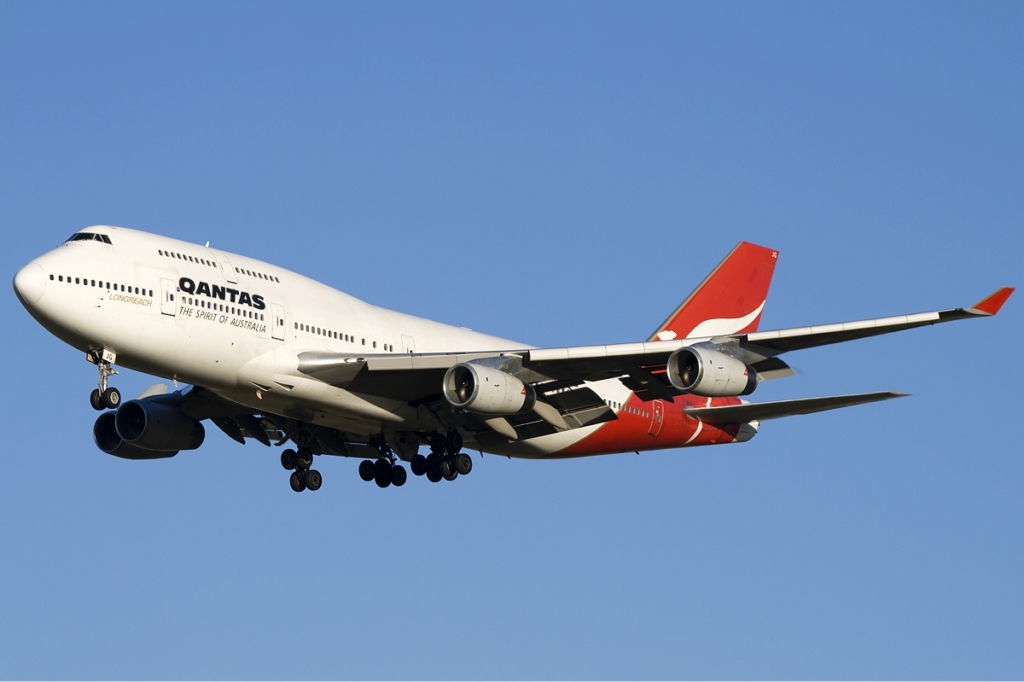
In 2013, another significant change came when Qantas moved its European hub from Singapore to Dubai through its partnership with Emirates.
QF1 and QF2 subsequently operated via Dubai, reflecting a major strategic shift in how the airline connected Australia with Europe. The Singapore routing eventually returned in 2018, restoring the traditional Asian gateway to the flagship service.
The pandemic brought further disruption. When international travel resumed in late 2021, QF1 initially operated via Darwin, before Singapore returned as its intermediate stop in 2022.
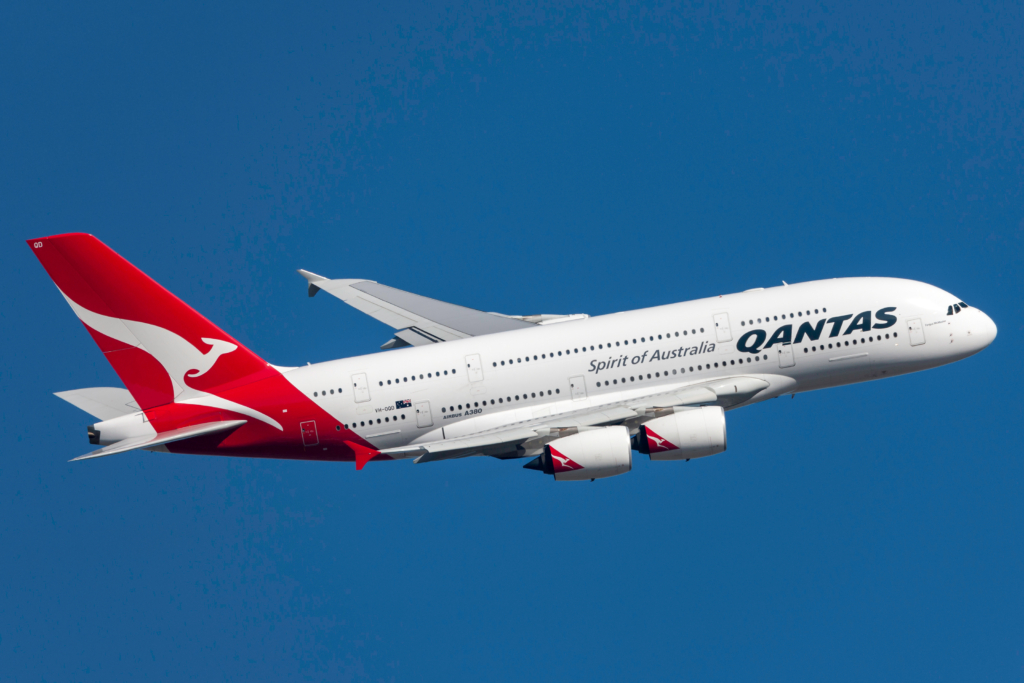
Through all these changes, the flight numbers remained a constant reminder of Qantas’ historic connection between Australia and Britain.
Project Sunrise takes over the mantle
The decision to assign QF1 and QF2 to Project Sunrise is perhaps the strongest indication yet of how important Qantas considers the programme to be.
First announced in 2017, Project Sunrise has been designed to overcome one of the greatest challenges in Australian aviation: the country’s geographical isolation from major international destinations.
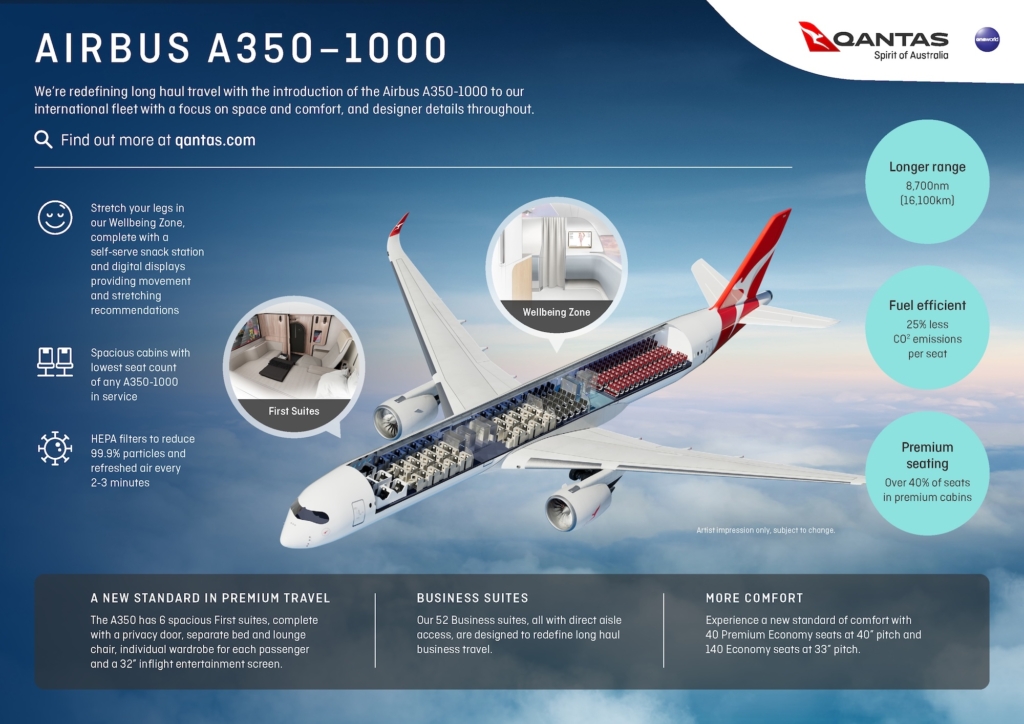
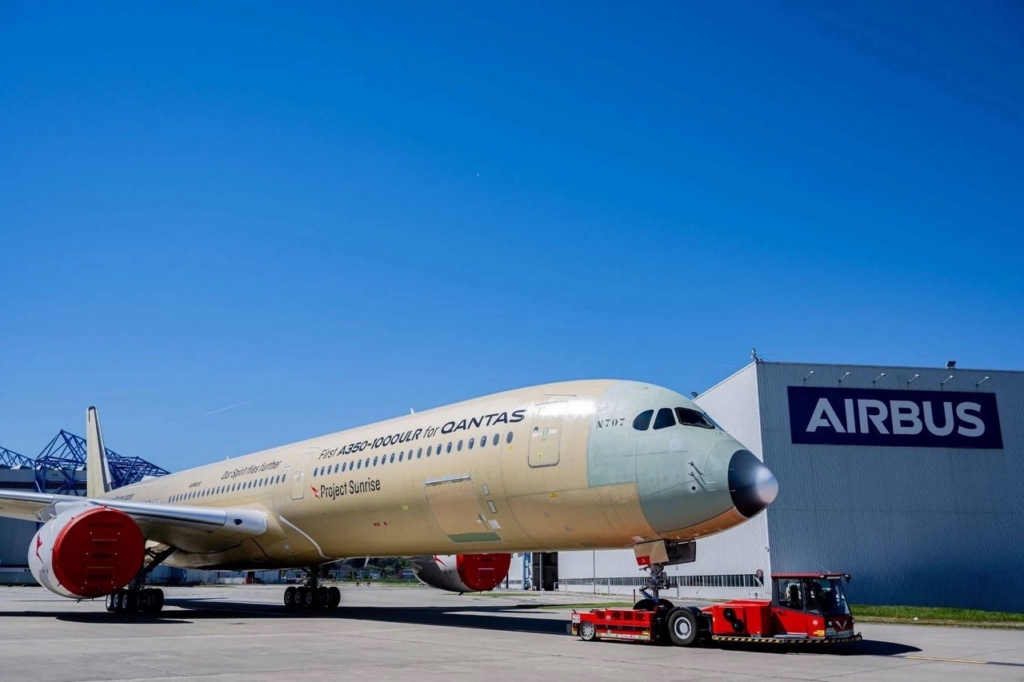
The specially developed Airbus A350-1000ULR will feature an additional 20,000-litre fuel tank, allowing it to fly more than 16,000 kilometres and remain airborne for up to 22 hours.
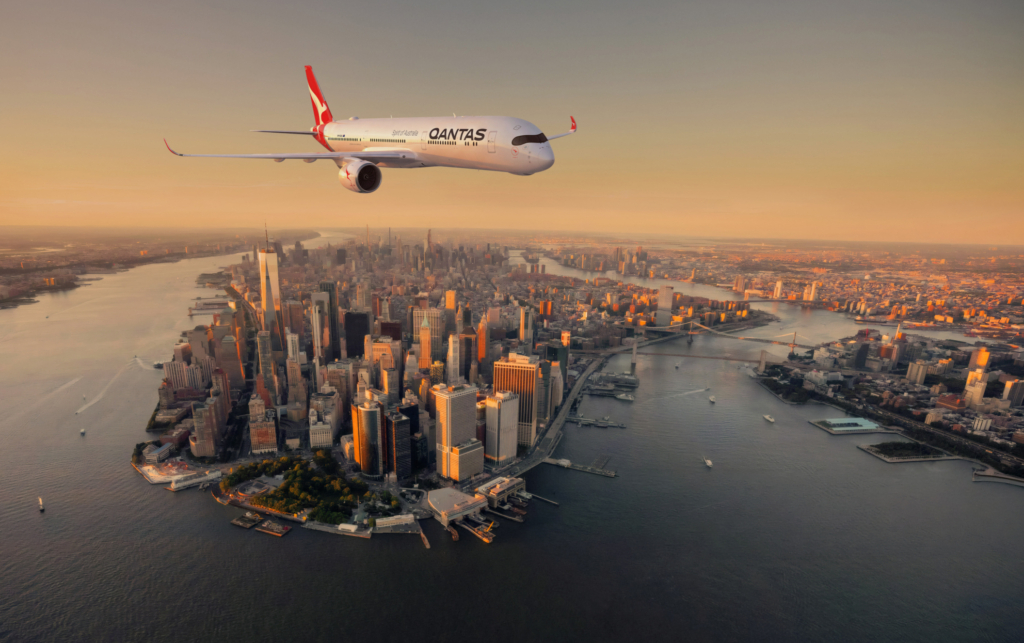
The initial Sydney to London service is expected to take between 19 and 22 hours, eliminating the Singapore stop and saving passengers up to four hours compared with the existing one-stop journey.
Each aircraft will accommodate 238 passengers across four cabins, including six first-class suites, 52 business-class seats, 40 premium-economy seats and 140 economy seats. A dedicated ‘Wellbeing Zone’ will also provide passengers with space to stretch, move around and refresh themselves during the exceptionally long journey.
Qantas has ordered 12 of the aircraft, with the first expected to be delivered in April 2027. Tickets for the non-stop Sydney to London service are scheduled to go on sale in February 2027.
The existing Sydney to London service via Singapore will continue, operating as QF5 and QF6. Meanwhile, the seasonal Perth to Rome flights currently using those numbers will move to QF105 and QF106.
It is an interesting reshuffling of the Qantas network, but one that makes considerable sense. The airline is effectively reserving its most prestigious flight numbers for the most technologically ambitious services in its history.
A new chapter for an aviation icon
London will be the first destination to receive the Project Sunrise treatment, but it will not be the last. Qantas has also confirmed non-stop Sydney to New York services from mid-2028, with tickets expected to go on sale in August 2027.
The flights will take approximately 18 hours, providing another historic connection between Australia’s east coast and a major international destination.
Flight numbers are often little more than operational identifiers to passengers. But QF1 and QF2 have always been different.
They have represented an important part of Australian aviation history, survived numerous changes in aircraft and routing, and become part of the Qantas identity.
By giving them to Project Sunrise, Qantas is not abandoning that heritage. It is extending it. By reclaiming its most prestigious flight numbers for Project Sunrise in 2027, Qantas is doing more than introducing a new ultra-long-haul service. It is handing one of the most recognisable symbols in its history to a new generation of aviation.


