The 22-hour flight is coming: What ultra-long-haul travel does to the body

4 min read

Qantas’ Project Sunrise flights will certainly put the human body through something of an endurance test.
From 2027, the airline plans to operate non-stop Sydney-London services, with flights expected to take around 22 hours.
For the aircraft, that means managing range, fuel efficiency and endurance. But for passengers and crew, it raises the question of what spending 22 hours in the air actually does to the body.
The human impact of ultra-long-haul travel
The most obvious issue is prolonged sitting. Staying in one position for hours can cause fluid to build up in the lower legs, leading to swelling and discomfort. Extended inactivity can also increase the risk of deep-vein thrombosis, particularly for passengers with certain underlying conditions.

The cabin environment makes things harder too. Aircraft are pressurised to conditions similar to being at high altitude, rather than at sea level, and the air is quite dry. In fact, cabin air only has a humidity of between 10% and 20% (and sometimes dropping as low as 5%) compared to an average humidity of 40% to 60% for indoor and outdoor air on the ground. This can cause dry eyes and skin and a scratchy throat.
Then there is the body clock, which becomes a much bigger consideration when a journey stretches beyond 20 hours.
Why does the body clock matter on a 22-hour flight?
The body’s circadian rhythm helps control when we sleep, wake up and feel alert, with light playing a key role in keeping it on track. But ultra-long-haul flights can disrupt that rhythm as passengers cross several time zones in just a few hours.
Take a flight from Sydney to London for example. By the time a passenger lands, their body may still think it is on Australian time. That can make it harder to sleep at night, leave them tired during the day and bring on the familiar fog of jet-lag.
For airlines operating flights this long, managing the effects of disrupted sleep and alertness is becoming an important part of the passenger experience.

AGN spoke exclusively to Dr Stephen Jasper, a global jet-lag expert and Director of The Jetlag Guy, who explained:
“Jet-lag occurs when a traveller’s internal body clock falls out of sync with local time. As a rule, it tends to hit harder flying east than west.”
But jet-lag is not just about feeling tired after a long flight. Jasper told us the effects can be much more serious.
“While the most familiar symptoms are daytime drowsiness and night-time wakefulness, jet-lag’s effects can run far deeper,” he added.
“Chronic circadian disruption has been linked to a heightened risk of type 2 diabetes, along with cardiovascular complications such as stroke and heart attack. Frequent business travellers face an added risk: in trying to self-medicate their jet-lag, some develop patterns of addiction, including alcoholism.”
How is Qantas tackling ultra-long-haul travel?
Qantas has worked with researchers at the University of Sydney’s Charles Perkins Centre to examine how lighting, food, sleep and movement could affect passengers during Project Sunrise flights.
Cabin lighting is a key part of that approach. The Project Sunrise specially designed Airbus A350-1000ULR will use twelve customised lighting scenes, including “Sunrise”, “Sunset” and “Awake”, to help passengers adjust to their destination time zone. It works by giving the brain clear signals about when to stay awake and when to prepare for sleep.
Meal timing is also being considered, with food used as another signal for the body. Rather than simply following a conventional breakfast, lunch and dinner schedule, meals can be planned around sleep and the destination time zone.
Neither solution will completely get rid of jet-lag, but both are intended to make the adjustment less disruptive.

Getting passengers moving
Qantas is also encouraging passengers to move around during the flight. The Project Sunrise A350 will have a Wellbeing Zone between the Premium Economy and Economy cabins, where passengers can stretch, drink water and move around. There will also be guided exercises to encourage people to get out of their seats.
This helps solve one of the biggest problems with very long flights – that is, people are not meant to sit still for almost a whole day. On a 22-hour flight, getting up and moving regularly can make the journey a lot more comfortable and healthier.
Designing the A350 around human endurance
When a flight lasts 20 hours or more, the design of the cabin becomes much more important. Passengers need enough space to sleep, move around and stay comfortable. Otherwise, the time saved by flying non-stop may not feel worth it.
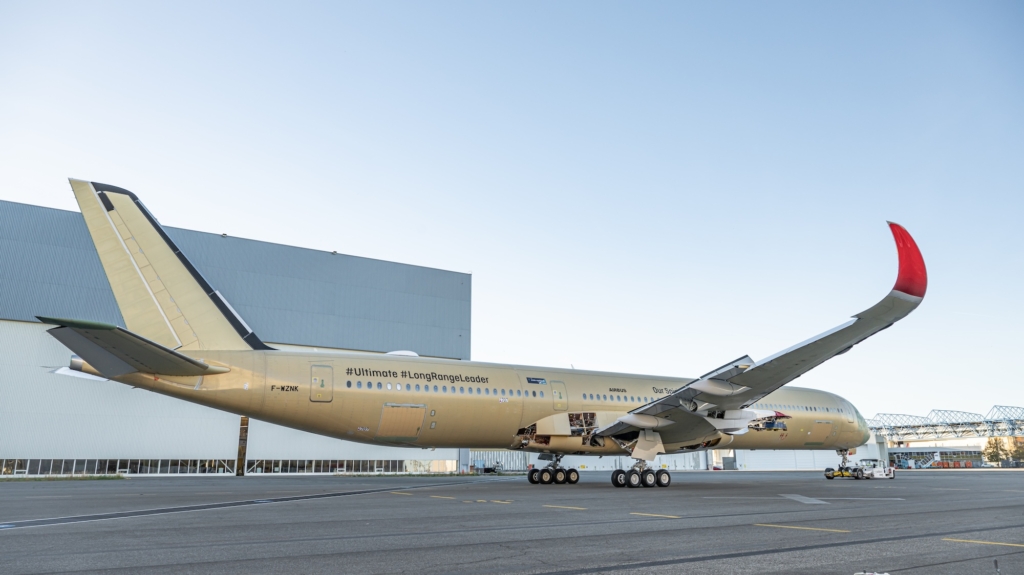
Qantas plans to operate its Project Sunrise A350-1000ULR with 238 passengers. This means the cabin will be less crowded than on many other long-haul aircraft, leaving more room for travellers and dedicated spaces.
The challenge behind ultra-long-haul aviation
Project Sunrise is testing more than how far a commercial aircraft can fly. It is also pushing how long people can spend in the air while still feeling relaxed and well.
Qantas cannot eliminate the effects of spending almost a full day on a plane. Better lighting will not entirely prevent jet-lag, and passengers will still need to deal with sitting for long periods. However, the airline can design its procedures and cabin to make the experience easier.
Sign up for our newsletter and get our latest content in your inbox.



More from

October 11, 20263 min read