


Embraer eyes major IndiGo deal as global demand for regional jets continues to grow

4 min read
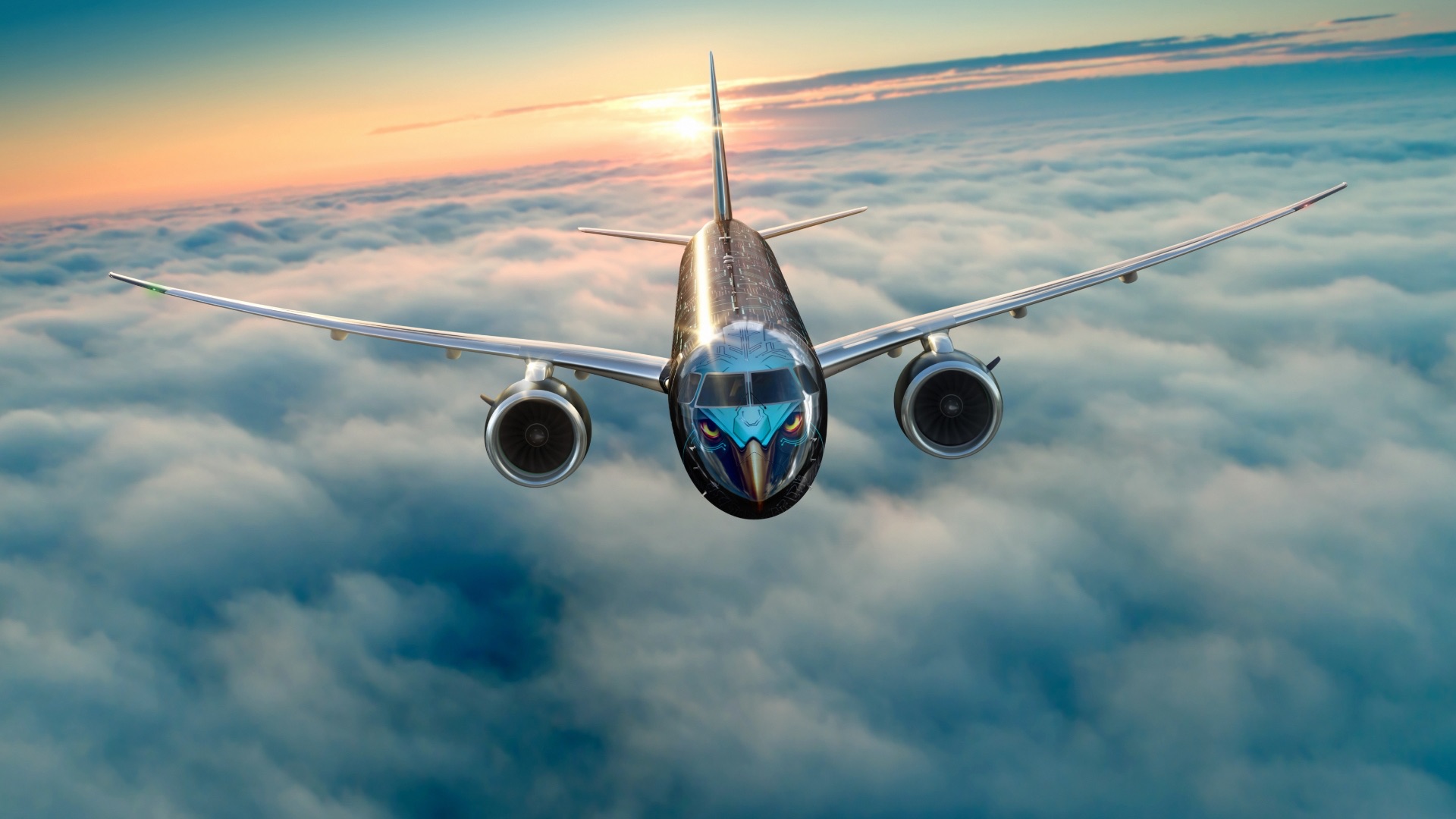
Brazilian aircraft manufacturer Embraer could be on the verge of securing one of the largest commercial aircraft orders in its history, following reports that Indian airline IndiGo is in discussions to purchase up to 150 regional jets.
According to a Reuters report published on 4 November, IndiGo is in early-stage negotiations to acquire 100 Embraer aircraft, with options for a further 50. Although an agreement has yet to be finalised, the potential deal represents a significant opportunity for Embraer as it seeks to expand its international commercial aviation business.
The discussions also underline the growing importance of regional aircraft in a global aviation market increasingly characterised by airline fleet expansion, network diversification and demand for more efficient operations.
IndiGo negotiations could transform Embraer’s Indian presence
IndiGo, India’s largest airline, is considering the acquisition as part of its wider fleet and network expansion strategy.
With a rapidly growing domestic aviation market, India represents an attractive opportunity for Embraer, particularly as airlines look to connect smaller cities and develop routes that may not justify the use of larger narrowbody aircraft.
The proposed order has not yet been allocated to a specific aircraft type, with Embraer’s E175, E190-E2 and E195-E2 families all potentially relevant to the discussions.
These aircraft offer seating capacities ranging from approximately 88 to 146 passengers, depending on the model and configuration. Deliveries would be expected to begin no earlier than 2030, should the negotiations result in a firm contract.
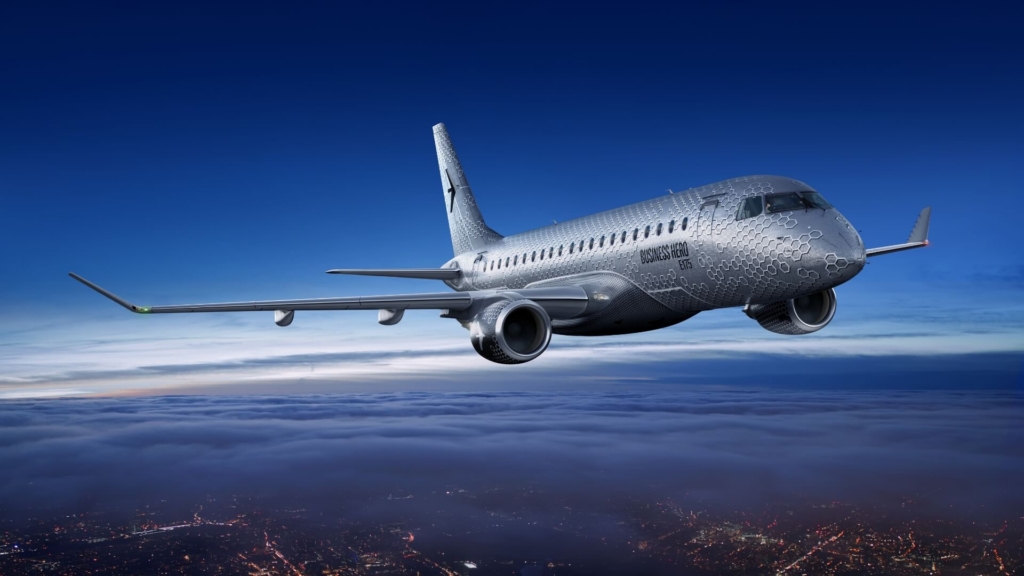
For Embraer, the significance extends beyond the potential aircraft sales. The company currently has a relatively limited commercial aviation footprint in India, where Star Air is its only airline customer operating Embraer regional jets.
The manufacturer has already been strengthening its Indian industrial relationships, including a January 2026 partnership with Adani Defence & Aerospace to explore regional aircraft manufacturing and supply-chain opportunities.
Embraer’s latest commercial aircraft orders worldwide
The potential IndiGo agreement comes amid a particularly strong period of commercial activity for Embraer. Its third-quarter 2026 results, announced on 23 October, revealed a commercial aviation order backlog worth $15.8 billion, representing a 5% increase quarter-on-quarter.
In July, Abra Group placed a firm order for 20 E195-E2 aircraft, with options for another 10 and purchase rights for 15 more. The potential transaction could therefore reach 45 aircraft.
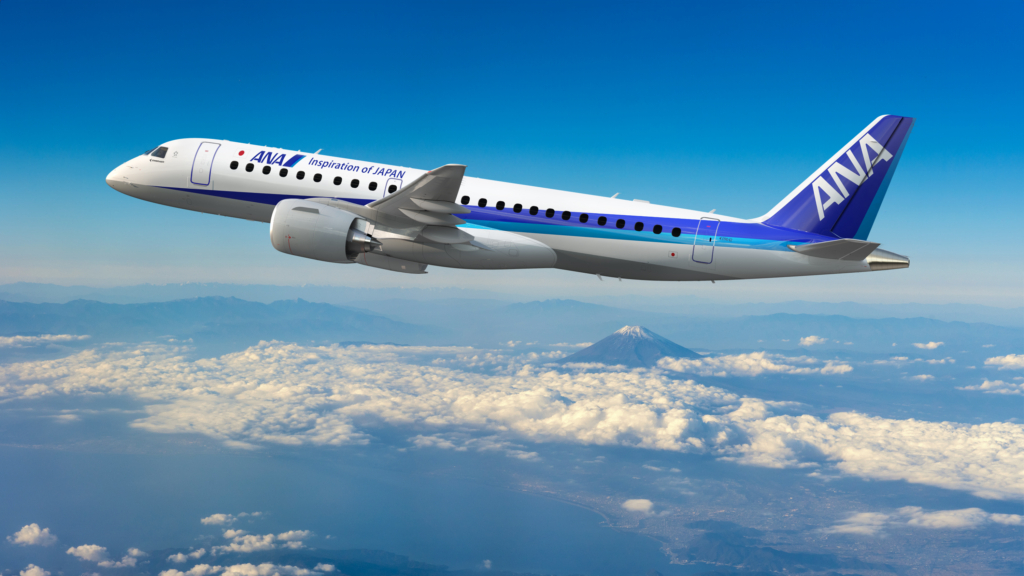
Also in July, Japanese aviation group ANA Holdings ordered eight additional E190-E2 aircraft, increasing its total firm orders for the type to 23.
The same month, Binter added five E195-E2 aircraft to its fleet commitments and secured purchase rights for a further four, while Luxair converted three existing purchase rights into firm orders and secured another purchase right, bringing its total order book to nine aircraft.
During the third quarter of 2026, Embraer secured 36 firm orders for its E2-family aircraft, alongside 30 additional purchase rights and options. These transactions contributed to 72 firm E2-family orders during the first nine months of 2026.
Earlier in 2026, Embraer also secured important business from European and North American customers. Finnair announced a fleet agreement for up to 46 E195-E2 aircraft, while aircraft lessor Azorra placed an order for 15 E195-E2 jets during the second quarter.
These transactions demonstrate the appeal of the E2 family to both airline operators and aircraft leasing companies.
A growing worldwide order backlog
Embraer’s overall order backlog reached a record $35.7 billion at the end of the third quarter of 2026, an increase of 14% compared with the same period last year.
Commercial aviation accounted for $15.8 billion of this total, while Executive Aviation contributed $8.2 billion. Defence and Security recorded a backlog of $6.1 billion, reflecting growing international interest in its military aircraft programmes.
The figures demonstrate that Embraer’s growth is not dependent on a single aircraft category or geographical market. Its commercial jets, business aircraft and defence platforms are all contributing to a substantial international order book.
What the IndiGo deal could mean for Embraer
An agreement with IndiGo would represent a major strategic breakthrough for Embraer in one of the world’s fastest-growing aviation markets.
For IndiGo, regional jets could provide additional flexibility, allowing the airline to serve smaller cities, increase frequencies and develop routes where larger Airbus A320-family aircraft may not be the most commercially appropriate option.
For Embraer, the opportunity is potentially even greater. A successful agreement could establish a substantial new customer relationship, increase the visibility of its E-Jet family in Asia and create opportunities for future aircraft sales, maintenance and support services.

Although the negotiations remain preliminary, the proposed 100-aircraft order, with options for another 50, would be an important milestone for the Brazilian manufacturer.
With a record $35.7 billion backlog, 72 firm E2-family orders during the first nine months of 2026 and new business from airlines across Europe, Asia and the Americas, Embraer is enjoying considerable commercial momentum.
The potential IndiGo agreement could provide another significant boost, particularly if it develops into a firm order covering 150 aircraft.
For the regional aviation sector, the message is clear, in that airlines are increasingly recognising the value of appropriately sized aircraft as they balance capacity, operating economics and network expansion. Embraer appears well positioned to benefit from that trend.
Sign up for our newsletter and get our latest content in your inbox.


More from

November 4, 20264 min read


