


Why did British Airways take over British Caledonian Airways in 1987?

7 min read
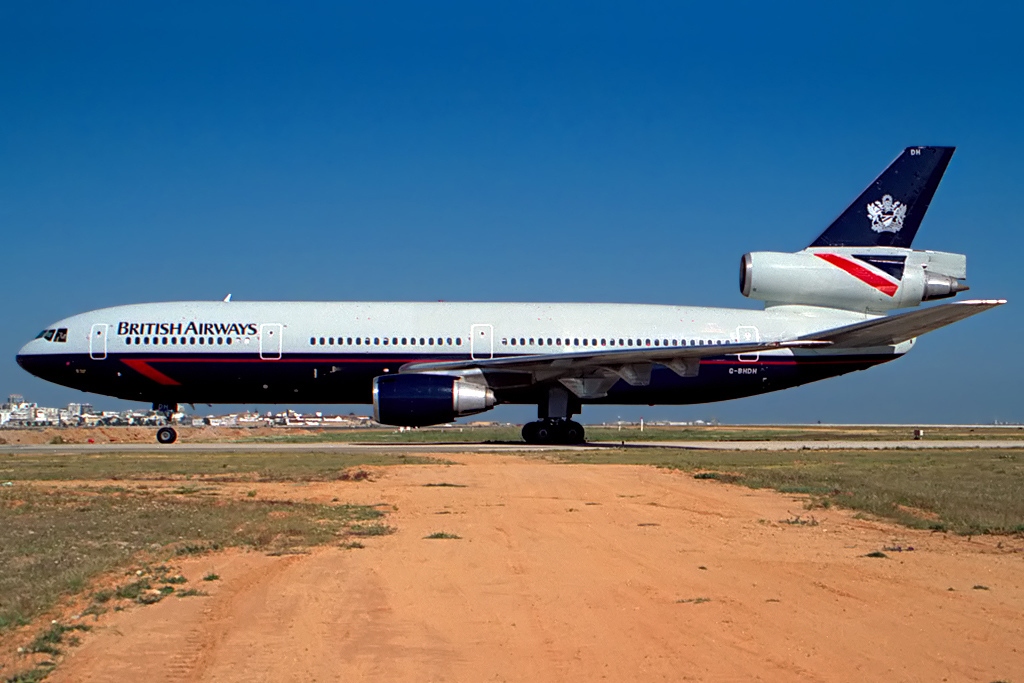
The takeover of British Caledonian Airways by British Airways in 1987 was a defining moment in British aviation history. It brought together the UK’s largest airline and its most prominent independent rival, reshaping competition and the future of commercial air travel in Britain.
The deal was driven by several factors, including British Caledonian’s financial difficulties, British Airways’ ambitions to compete internationally, concerns about foreign ownership and the potential benefits of combining the two airlines.
However, the proposed takeover also raised significant concerns about competition and the dominance of British Airways in the UK aviation market. Understanding why the takeover happened requires looking at the history of both airlines and the economic and political circumstances of the 1980s.
Who was British Caledonian Airways?
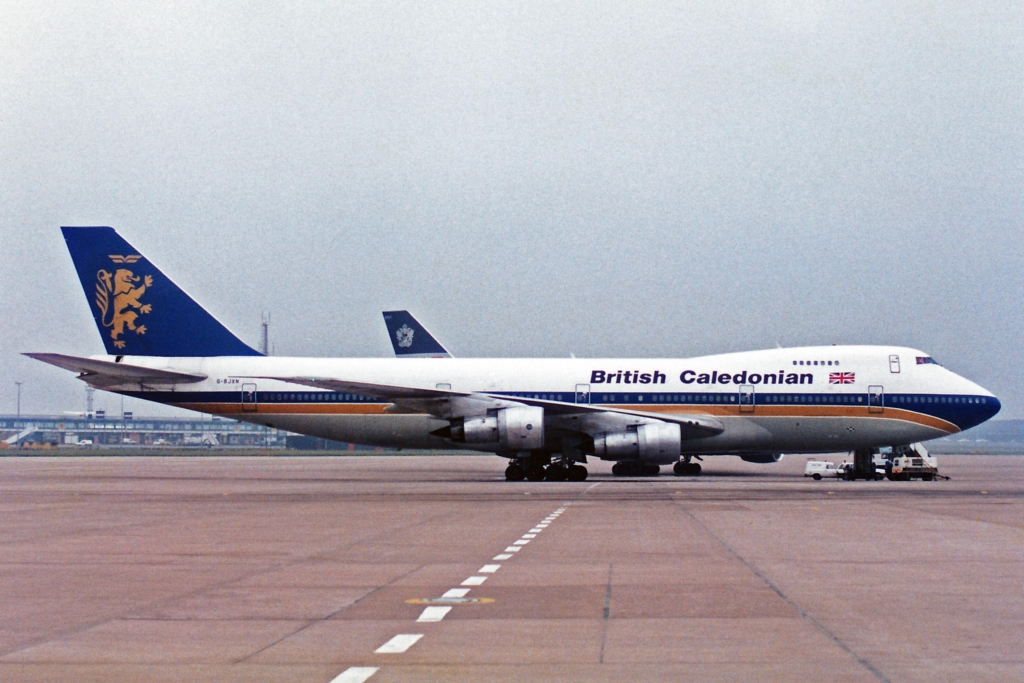
British Caledonian, commonly known as BCal, was established in 1970 when Caledonian Airways acquired British United Airways. It began operating under the British Caledonian name in 1971, becoming an important independent competitor to the UK’s established airline businesses.
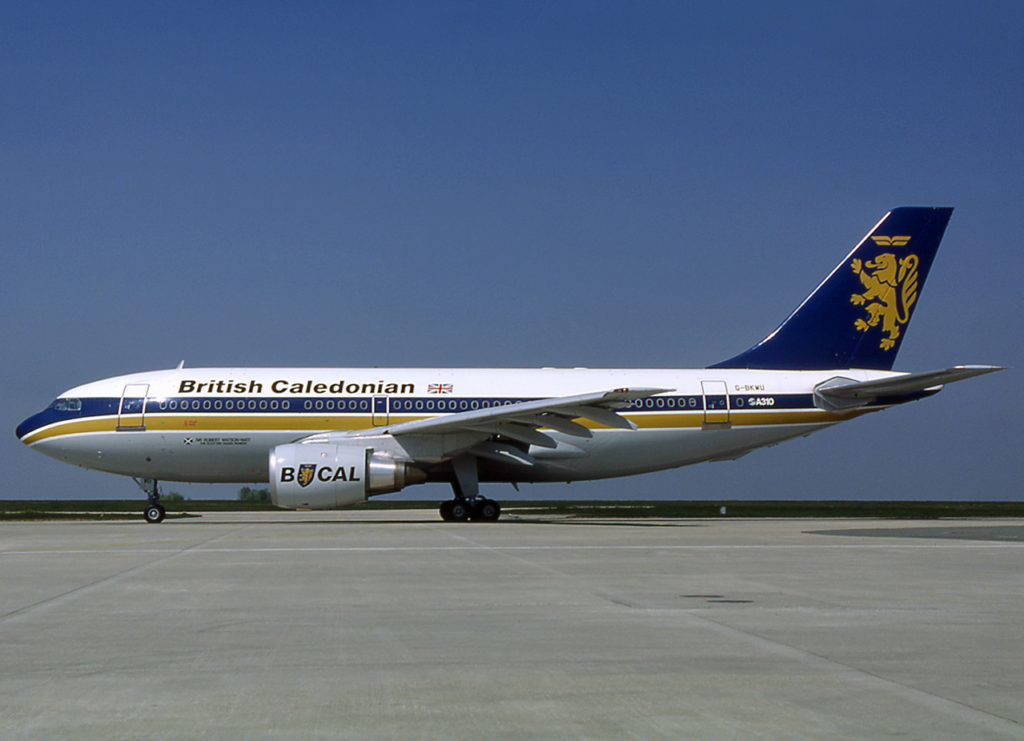
Based at London Gatwick Airport, BCal operated scheduled and charter flights to destinations across Europe, Africa, North America and elsewhere. Its distinctive branding, featuring the Scottish lion rampant, helped establish a strong identity.

BCal was also significant because it represented the government’s ambition to create a stronger independent airline capable of challenging the established national carriers. It developed an international network and became a recognised alternative to British Airways.
However, despite its achievements, BCal faced considerable financial and operational challenges during the 1980s. These difficulties eventually made the airline vulnerable to a takeover.
British Caledonian was experiencing financial difficulties
One of the main reasons British Airways took over BCal was the smaller airline’s weakening financial position.
Operating an international airline required substantial investment in aircraft, staff, maintenance, airport facilities and route development. BCal also faced intense competition in an industry affected by economic uncertainty and changing passenger demand.
Although the airline had established an extensive route network, it lacked the financial resources and scale available to some of its larger competitors.
A government-backed route exchange in 1984 was intended to strengthen BCal by giving it access to additional international opportunities. However, the Saudi Arabian routes it received subsequently declined in importance, limiting the anticipated financial benefits.
By 1987, BCal was exploring alternative arrangements to secure its future. These included discussions with Scandinavian Airlines System (SAS) about potential investment and operational cooperation.
British Airways recognised that BCal’s financial vulnerability created an opportunity to acquire a significant competitor and expand its own operations.
British Airways wanted to strengthen its international position
British Airways had its own reasons for pursuing the takeover. Following its privatisation in February 1987, the airline was seeking to strengthen its commercial position and compete more effectively against major international airlines.
The global aviation market was becoming increasingly competitive. Airlines needed extensive networks, substantial investment and sufficient financial resources to operate successfully across international markets.
Acquiring BCal offered British Airways an opportunity to expand its operations by incorporating aircraft, routes, staff and other business assets. The takeover could also create operational efficiencies by combining certain activities and reducing duplicated costs.
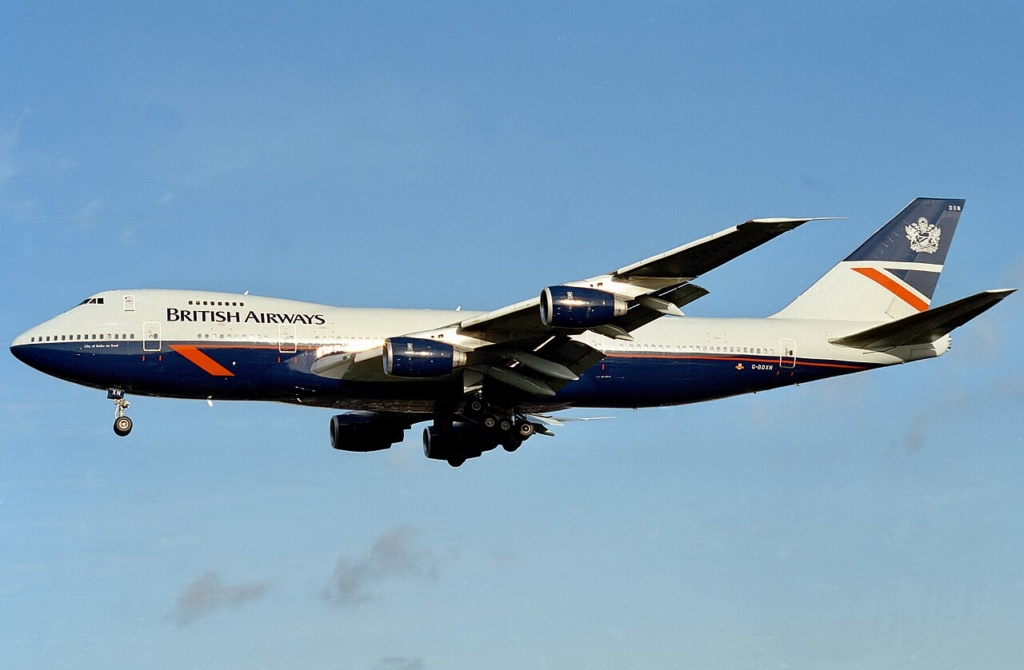
In July 1987, British Airways announced its intention to purchase BCal for approximately £237 million. The agreement was presented as a way to strengthen the British airline industry’s international competitiveness while protecting BCal from potential financial collapse.
The deal therefore offered British Airways both commercial advantages and a means of consolidating its position in the global aviation market.
The threat of foreign ownership
Another important factor was the possibility that BCal might be acquired by a foreign airline or investor. BCal was considering a potential arrangement with SAS, while other interested parties were also exploring opportunities involving the airline.
British Airways argued that a takeover by another organisation could threaten BCal’s position as a British international carrier, particularly because airline route licences were subject to regulatory requirements.
The prospect of foreign ownership helped strengthen the case for a deal that would keep BCal under British control. However, this argument was also commercially convenient for British Airways. Acquiring BCal would prevent a rival investor from obtaining its aircraft, routes and other valuable assets.
The takeover was therefore about more than rescuing a struggling airline. It was also a strategic decision about who would control an important part of Britain’s aviation industry.
Combining routes, aircraft and operations
BCal had an established international route network and a significant presence at Gatwick. Acquiring the airline offered British Airways the opportunity to expand its operations and incorporate valuable business assets.
The two airlines also operated in overlapping markets, meaning that combining their businesses could generate cost savings. Potential benefits included consolidating certain administrative functions, coordinating aircraft and maintenance resources, and integrating commercial operations.
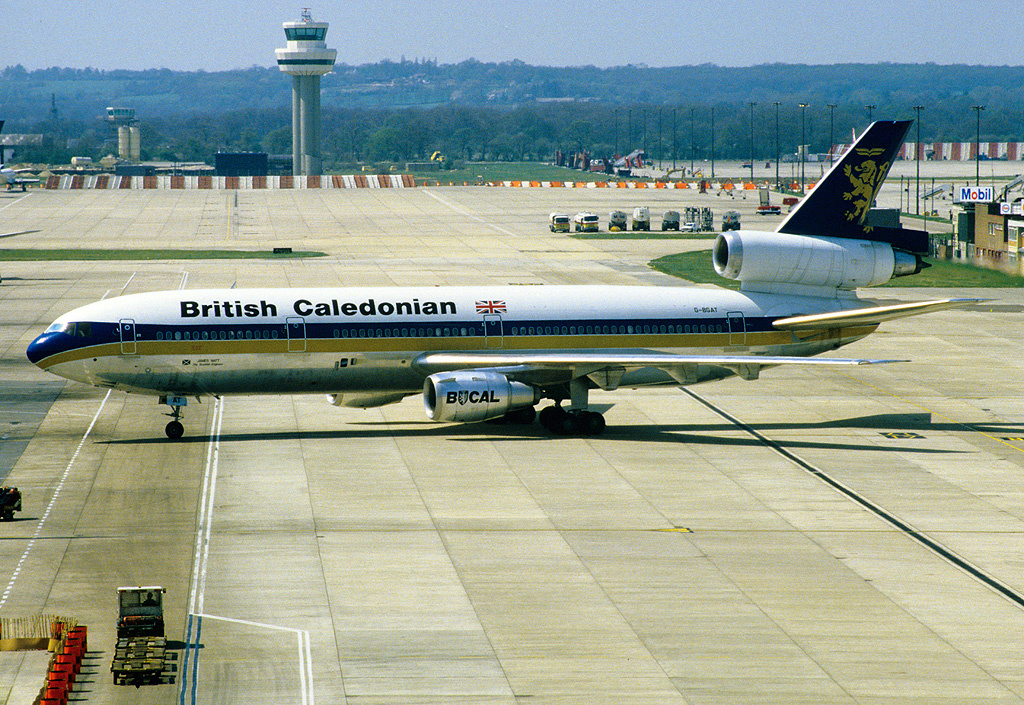
However, the takeover was not simply a matter of combining two businesses without complications. Their existing routes overlapped, and the merger raised questions about how much competition would remain after the acquisition.
British Airways also needed to address regulatory requirements concerning route licences and airport access.
Although the acquisition strengthened BA’s position, some of BCal’s routes and operations were subsequently transferred, surrendered or reorganised as part of the merger process.
Why was the takeover controversial?
Despite its potential commercial benefits, the proposed takeover attracted significant criticism. BCal had been an important independent competitor, and its absorption into British Airways threatened to reduce consumer choice and increase the dominance of the country’s largest airline.
The UK government referred the proposed merger to the Monopolies and Mergers Commission (MMC) for investigation.
In November 1987, the commission identified potential benefits, including improved international competitiveness, financial savings and a reduced risk of BCal’s failure.
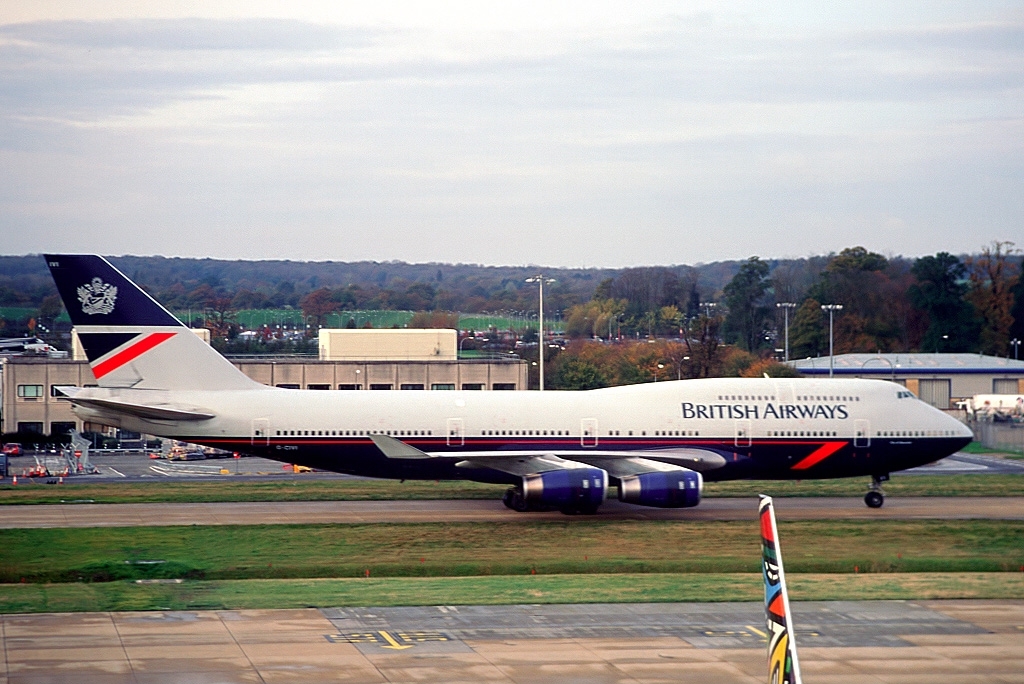
However, it also highlighted concerns about reduced competition, British Airways’ market power and possible disadvantages for other airlines operating from Gatwick.
There were additional concerns that British Airways might restrict competitors’ access to maintenance and training facilities previously provided by BCal.
To address these issues, BA agreed to significant concessions. These included surrendering at least 5,000 landing slots at Gatwick and returning various route licences, creating opportunities for competing airlines to operate services.
The conditions demonstrated that the government recognised the potential benefits of the takeover but wanted to limit its impact on competition.
When was the takeover completed?
British Airways announced the proposed acquisition on 16 July 1987. The transaction subsequently underwent regulatory scrutiny before receiving approval subject to conditions.
BA secured majority control of BCal’s parent company in December 1987, and the merger was completed in 1988. The acquisition marked the end of BCal as a major independent scheduled airline.
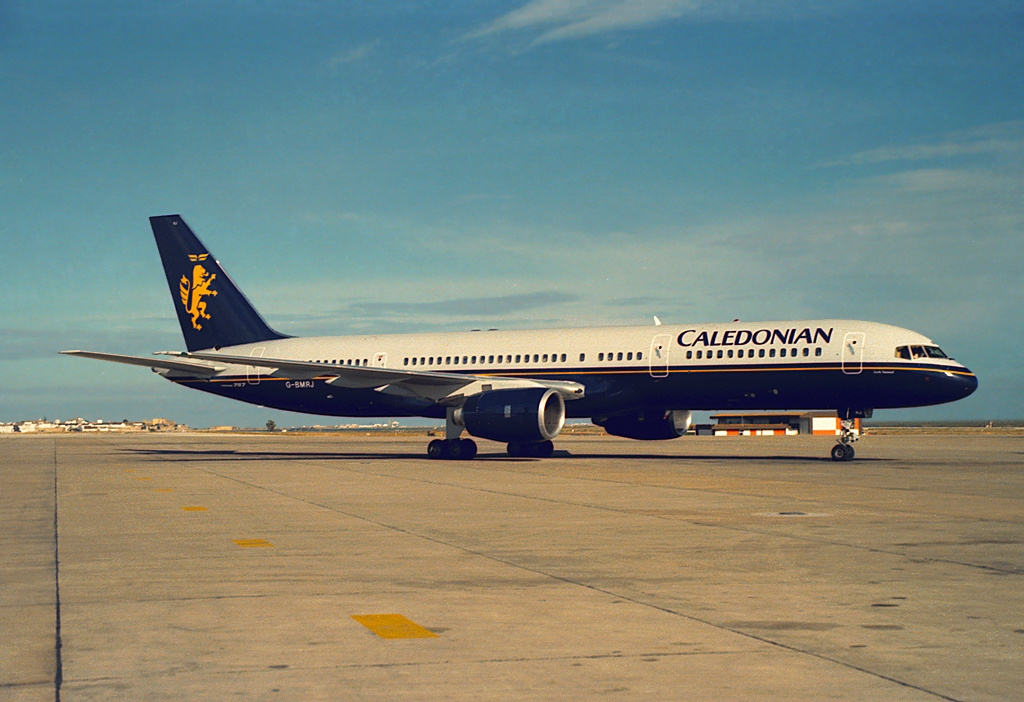
Pedro Aragão / Wikimedia Commons
Its aircraft, employees, routes and other operations were incorporated into British Airways, although some activities were reorganised following the merger.
BCal’s distinctive identity did not disappear entirely. British Airways later revived the Caledonian name for its charter operations, preserving elements of the brand’s heritage.
What was the impact of the takeover?
The takeover strengthened British Airways by expanding its assets and consolidating its position in the UK aviation market. It also demonstrated the challenges facing smaller independent airlines competing against larger international carriers with greater financial resources and broader networks.
For passengers, the merger had mixed implications. A stronger airline could benefit from greater operational resources and a wider network, but reduced competition raised concerns about fares, choice and service quality.
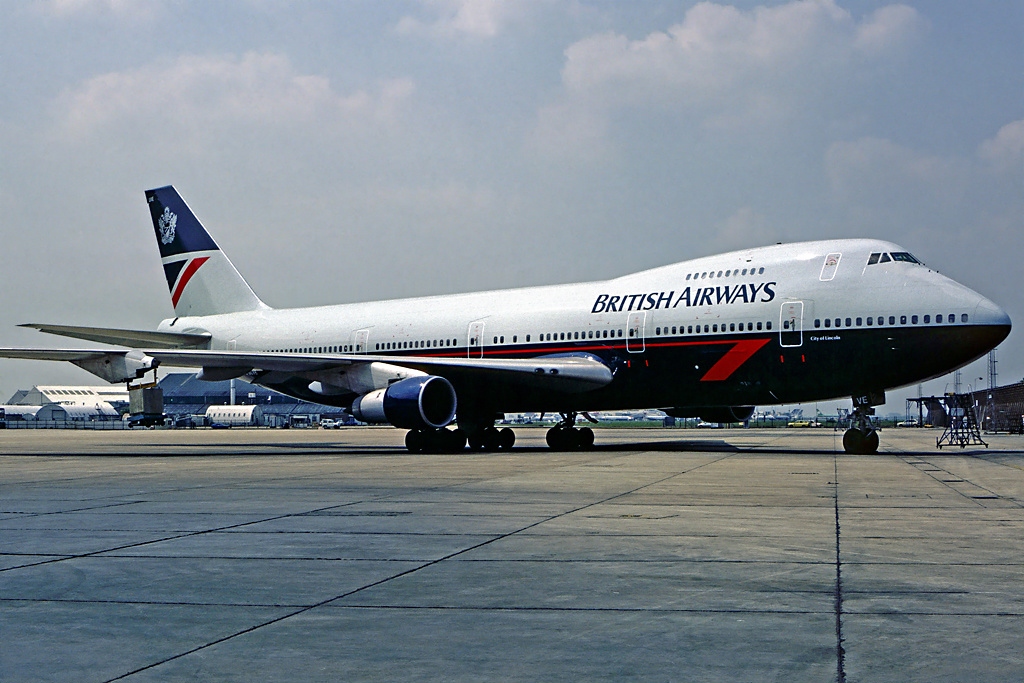
The regulatory concessions were intended to protect competing airlines and preserve opportunities for other operators, particularly at Gatwick.
The takeover also marked a turning point in British aviation policy. The government’s earlier ambition to establish a strong independent competitor to the national airline effectively came to an end when BCal was absorbed into British Airways.
British Airways strengthened its international presence
British Airways took over British Caledonian because the deal offered a combination of commercial, financial and strategic advantages.
BCal was experiencing financial difficulties and faced an uncertain future, while British Airways wanted to strengthen its international position following privatisation. The potential for foreign ownership, opportunities to combine operations and the value of BCal’s route network also influenced the decision.
However, the acquisition was controversial because it reduced competition in the British aviation market. Regulatory approval came with conditions designed to protect rival airlines and preserve opportunities for competition.
Ultimately, the takeover reshaped the UK airline industry. It strengthened British Airways, ended BCal’s independence and illustrated the difficult balance between building internationally competitive airlines and maintaining a competitive domestic market.


