


Learjet 60 crash: Was a black box on board, and could it survive the impact?

3 min read
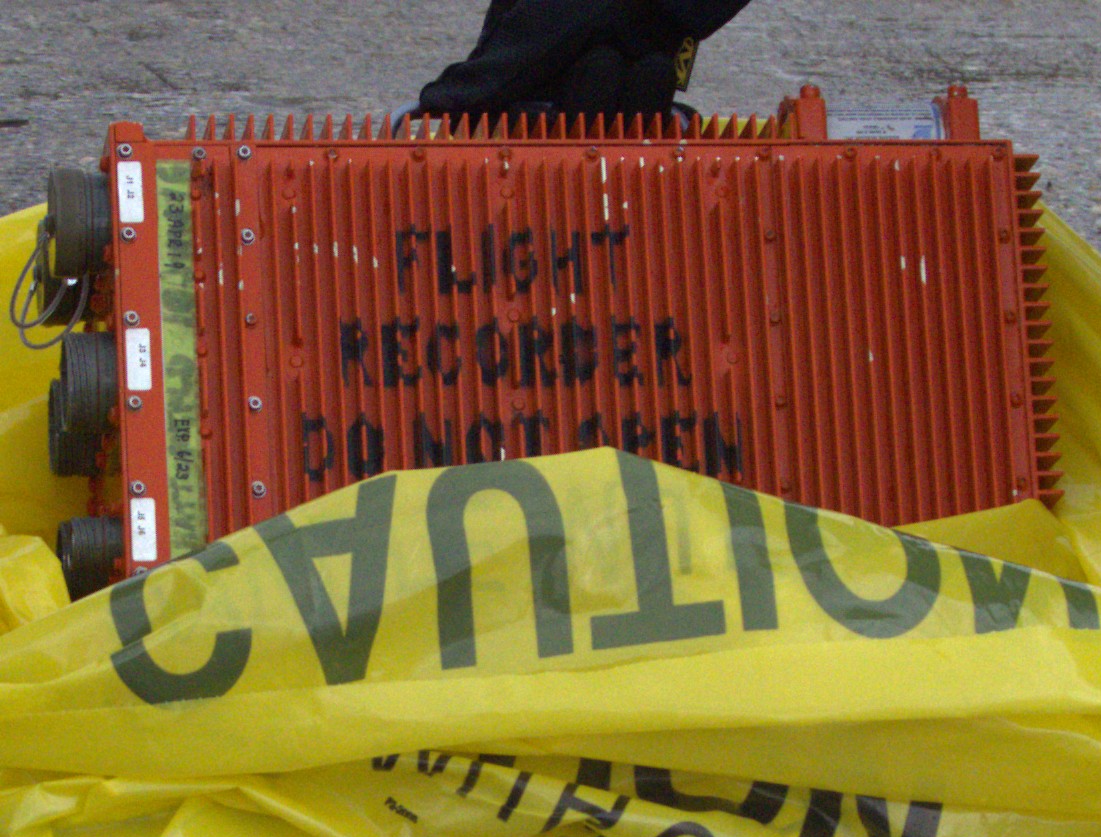
In any accident investigation, locating the so-called ‘black box’ can provide crucial details to help piece together the sequence of events.
The aircraft black box is actually two devices: the cockpit voice recorder (CVR) and the flight data recorder (FDR). Larger airlines need to have both installed.
But in the case of the fatal Learjet 60 crash in Florida, the rules around these black boxes are more opaque.
In the first press conference since the tragedy, National Transportation Safety Board (NTSB) member Tom Chapman explained that the aircraft’s maintenance records suggested a CVR, at least, was installed.
“Our indication early here from aircraft maintenance records is that a cockpit voice recorder was installed on this aircraft,” he said.
“What we don’t know is whether that recorder was still on board; sometimes these things change over time.”
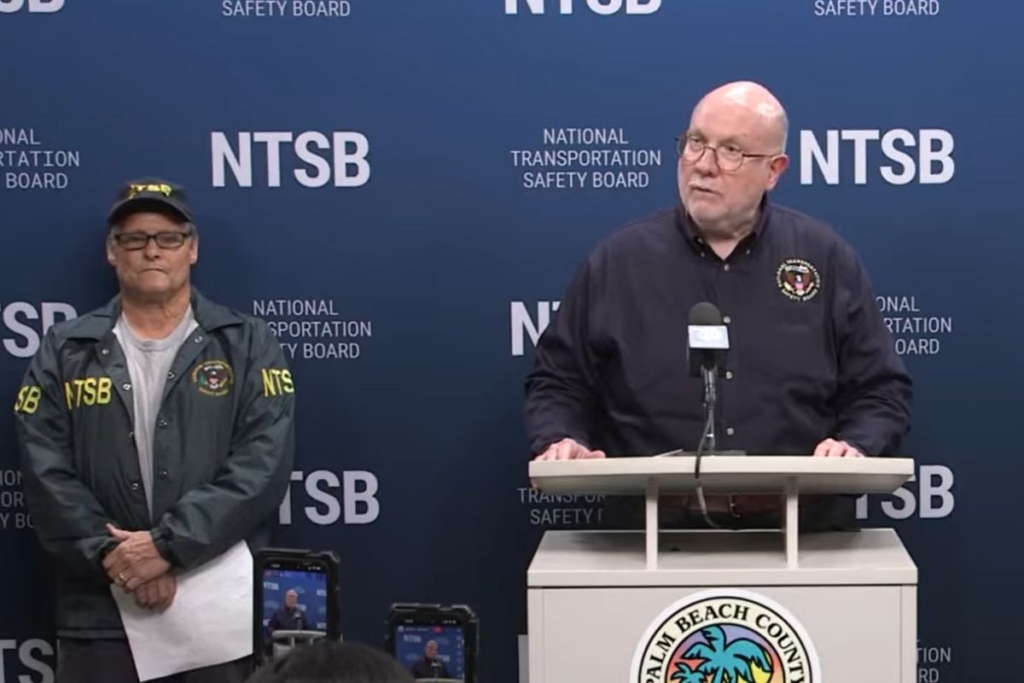
The NTSB said that the Learjet had potentially begun breaking up before impacting the ground, but refrained from speculating as to any possible cause. Chapman admitted that due to the high speeds involved, recovering meaningful parts would be a “real challenge.”
With a substantial part of the wreckage buried in a crater that is now filled with water, locating a data recorder could be vital to discovering what went wrong.
Did the Learjet carry the important ‘black box’ recorders?
During the press conference, Chapman confirmed that the Learjet was operated by Aurora Aviation, doing business as Upper Jets. It is a Part 135 operator, offering private jet flights on-demand.
Unlike commercial airlines, which operate under the FAA’s Part 121 rules, Part 135 operators are not always required to have both black boxes installed. For example, the FDR, which records flight parameters such as altitude and speed, is generally only required in aircraft with ten or more seats.
A previous sales listing for N722BD, the Learjet 60 involved in the crash, shows an eight-passenger layout inside. That puts it below the threshold required for a mandatory FDR, although some operators install them voluntarily.
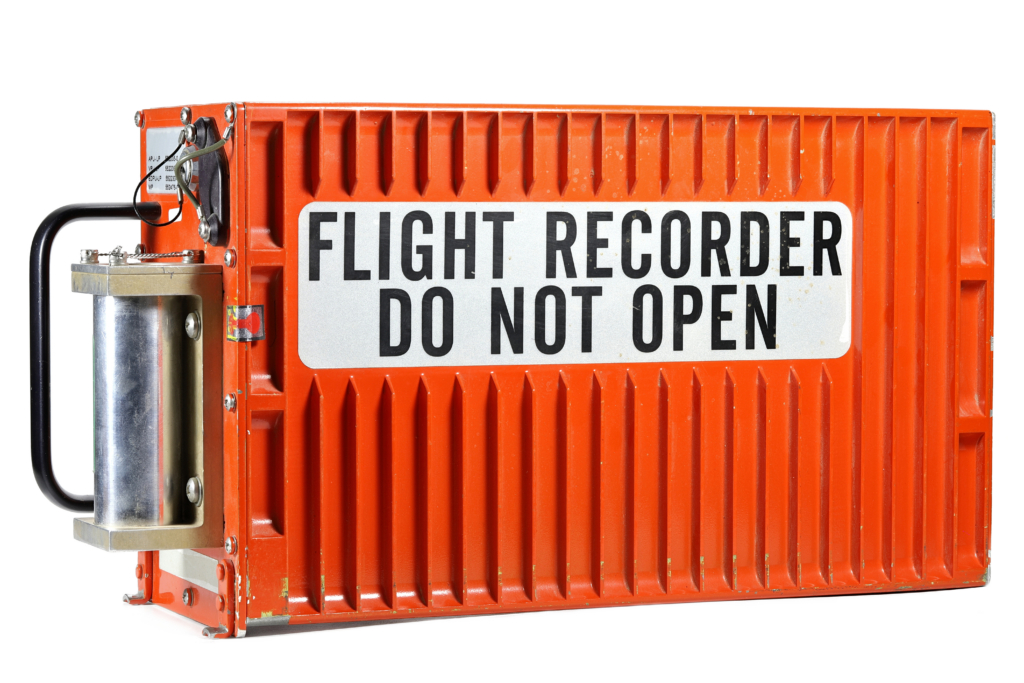
However, Part 135 operators do require a cockpit voice recorder, or CVR, on multiengine turbine aircraft configured with six or more passenger seats when two pilots are required. The Learjet 60 does require two pilots.
As the NTSB stated, the aircraft’s maintenance records indicated it did have a CVR installed, and the sales listing also mentions a Universal CVR-30 cockpit voice recorder among its equipment. But it’s possible that it was subsequently removed before the accident.
“We’re still seeking to determine whether there was a recorder, and then of course we’re very hopeful that we can recover it,” Chapman explained. “It’s too early to know, but that’ll be very important data.”
Could a cockpit voice recorder survive the impact?
The Learjet crash was one of the most violent aviation incidents in recent memory. The speeds involved bent asphalt on impact and created a huge crater in the ground. The aircraft fragmented into thousands of tiny parts, which a team is now attempting to round up and recover.
Not all the debris is near the crater, however, with much spread around the neighbourhood, making progress laborious. Speaking at the media briefing, senior investigator Timothy Monville said of the crash site,
“I’m getting conflicting information. It’s probably a half mile by four tenths of a mile. But it’s scattered among ball fields, businesses, personal residences, and the debris is rather small.”
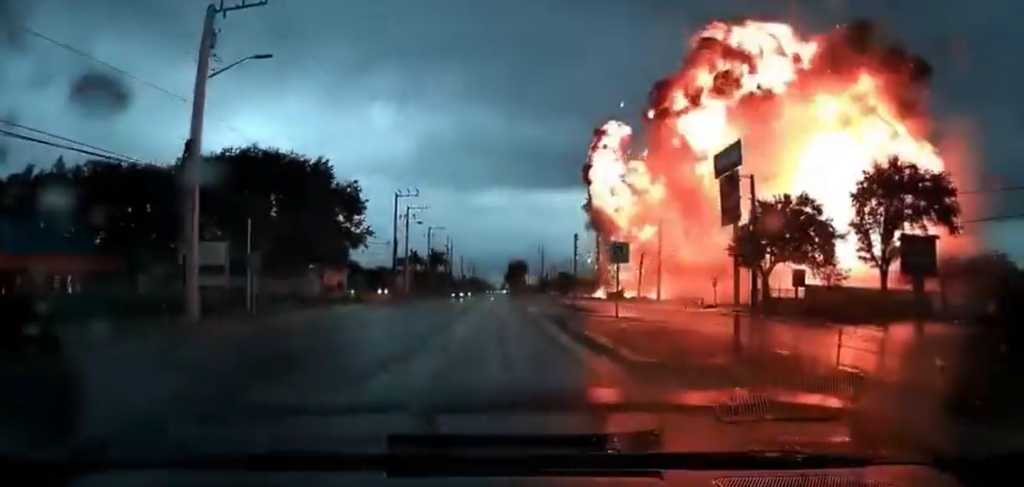
If the aircraft did carry a CVR, even a devastating crash such as this does not mean all data has been lost forever. Cockpit voice recorders are designed to protect their recordings against severe impact and fire. Even extensive damage to the recorder’s outer casing does not necessarily mean its contents are destroyed.
Nevertheless, questions remain over whether it was even on board at the time of the crash, and locating it is going to be a tough job.
“We’ll be better off with it,” Chapman admitted. “But even without it, our folks are very, very good. We’re still able to do some incredible detective work and determine how things transpired.”


