Boeing 777F production halted by supplier dispute as cargo airlines await deliveries

5 min read
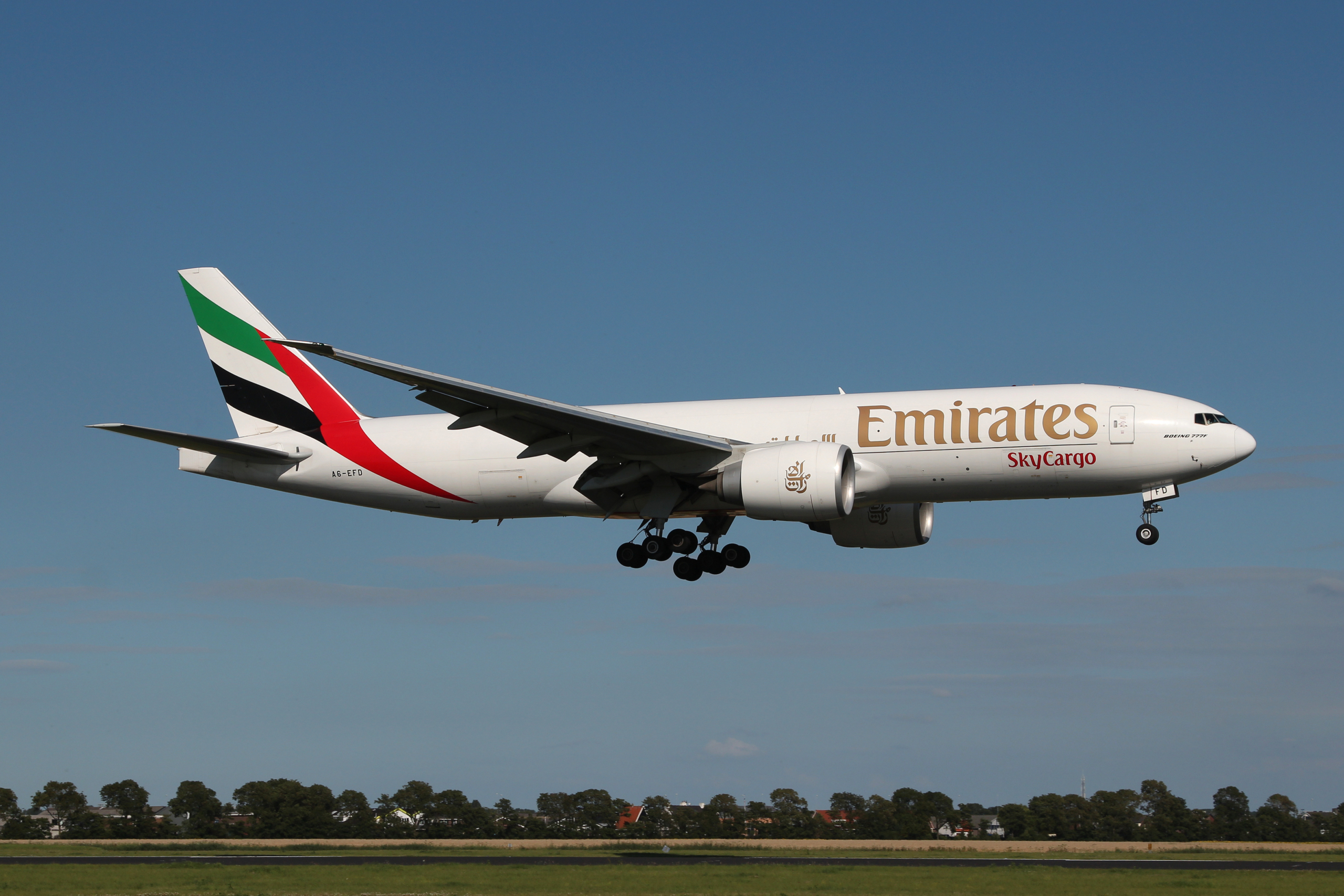
A supplier dispute has halted production of Boeing’s 777 Freighter for almost two months, raising concerns over deliveries to major cargo operators including FedEx.
With dozens of aircraft still on order and the next-generation 777-8 Freighter not expected until around 2029, the disruption comes at a critical time for Boeing’s freighter business.
Boeing 777F production halted by supplier dispute
Boeing’s 777 Freighter (777F) production line has been halted for nearly two months following a dispute with Florida-based supplier Vaero, according to a Reuters report published on 23 October.
Despite reaching a settlement with Vaero in late September, Boeing had not resumed production as of 23 October, according to three company workers cited by Reuters. The dispute also affected production of the Boeing 767, including its freighter variant and the KC-46 Pegasus aerial refuelling tanker.
At the centre of the dispute is a fixed trailing-edge rib kit used in the wings of the 777F and 767. Boeing identified Vaero as its sole supplier and alleged in a legal complaint filed in August that the company had stopped delivering the kits.
Without the parts, Boeing could not complete the relevant wing sections, preventing aircraft assembly from progressing at its Everett, Washington, facility.

According to court filings cited by Reuters, Boeing estimated that the disruption was costing it as much as $6.5 million per day. The manufacturer has reportedly begun efforts to bring production of the component in-house, reducing its dependence on a single external supplier.
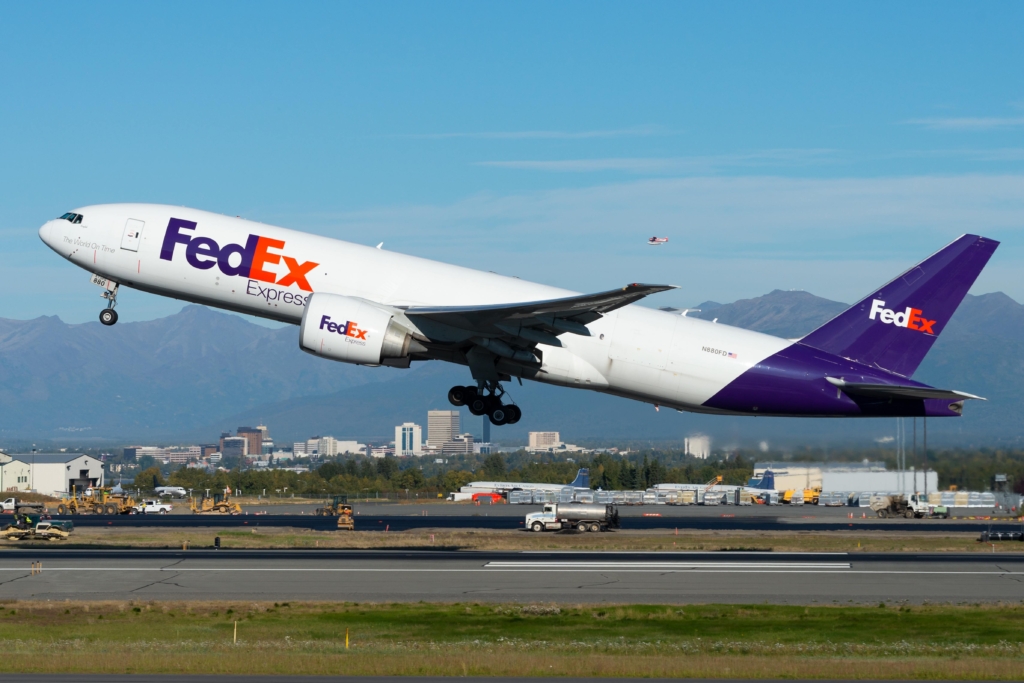
The effects have already reached the assembly line. Two partially assembled 777Fs were removed because of the shortage. One was identified as destined for FedEx, although the courier did not respond to a request for comment.
Boeing had delivered 21 777Fs during 2026 by the time of the Reuters report. Some further deliveries may still be possible using aircraft whose wings were assembled before the disruption.
Which airlines have Boeing 777F aircraft on order?
The production halt comes as several major cargo operators await new aircraft. Boeing’s order book at the end of September 2026 listed 38 unfilled orders for the current-generation 777F, although some are associated with Russian operators and may not be deliverable under present circumstances.
The outstanding orders include:
- FedEx Express: Seven aircraft remain on order, making the US cargo giant one of the customers most exposed to potential delays.
- Saudia: Four 777Fs are listed as outstanding.
- Emirates: Three aircraft remain on order, following its decision in October 2024 to purchase five additional 777Fs.
- China Airlines: Two aircraft are listed as outstanding.
- China Southern Cargo: Two aircraft remain on order.
- Silk Way West Airlines: Two aircraft are listed in the backlog.
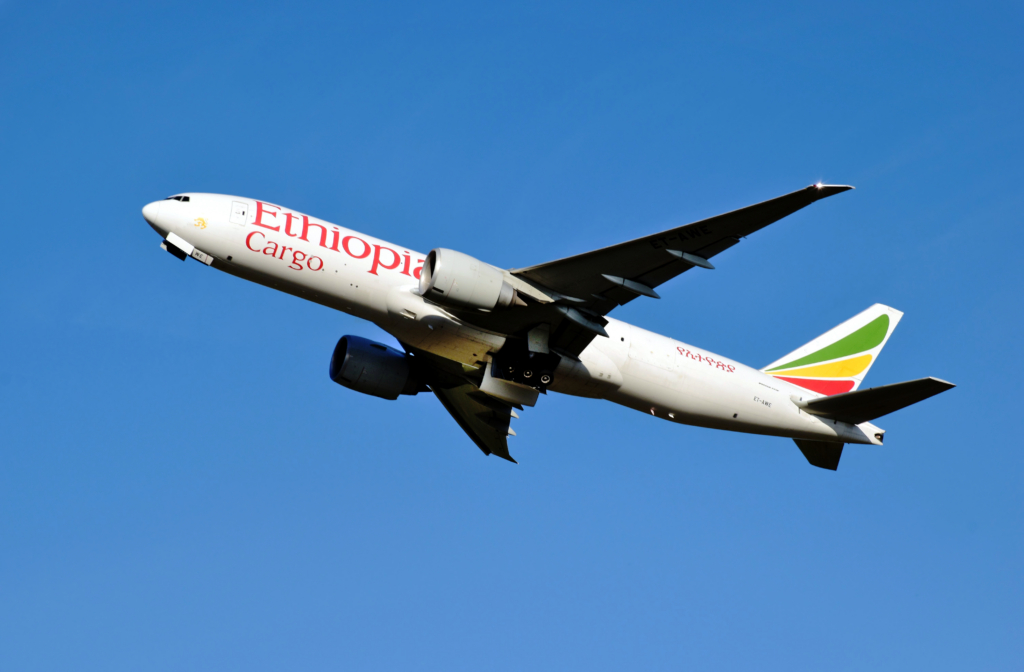
- Ethiopian Airlines Cargo: Two additional 777Fs were ordered in September 2026.
Another 10 aircraft were attributed to unidentified customers in Boeing’s September order figures, while six remained associated with Russia-linked Volga-Dnepr. Their eventual delivery remains uncertain.
The figures reflect the published order position at the end of September, rather than a confirmed schedule of future deliveries. Boeing has not publicly specified revised delivery dates for customers affected by the production interruption.
Recent deliveries underline continuing demand
Despite the production difficulties, Boeing continued delivering 777Fs during 2026. FedEx and Air China Cargo each received a 777F in September, bringing Boeing’s deliveries of the type to 20 by the end of that month.
Air China Cargo subsequently received another aircraft, its 14th 777F, on 1 October.
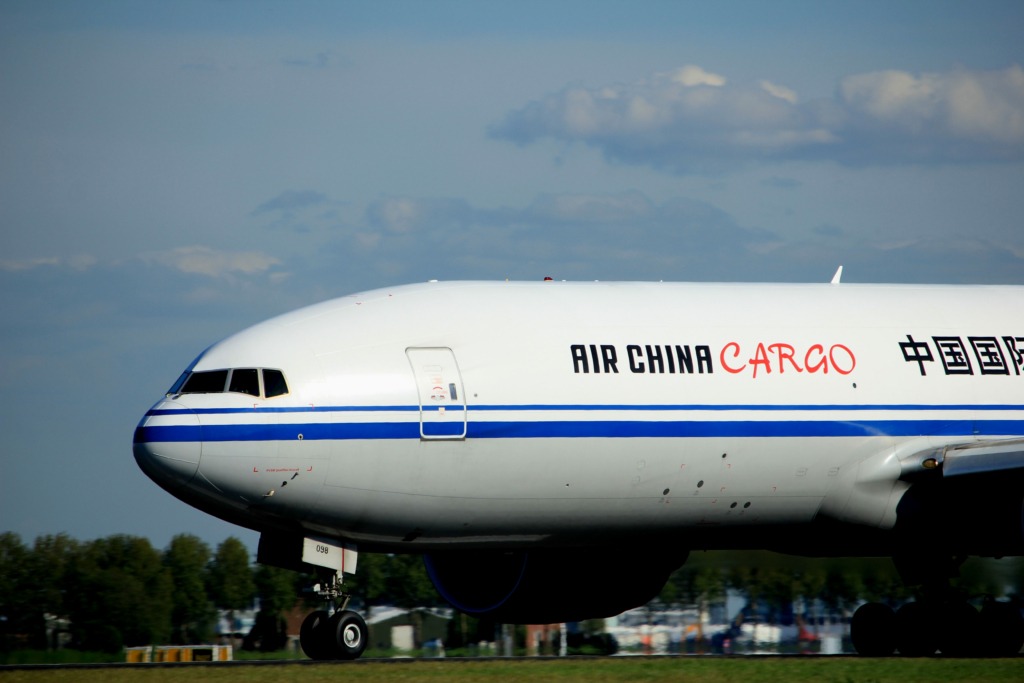
Air China Cargo operates its 777Fs alongside Airbus A330 freighters and Boeing 747s, providing capacity across its international cargo network. Ethiopian Airlines, meanwhile, operates 12 777Fs and continues to expand its long-haul freight operations.
Ethiopian Airlines placed a significant order on 30 September, purchasing two additional 777Fs alongside eight next-generation 777-8 Freighters.
The agreement makes Ethiopian the first African airline to order the 777-8F and demonstrates continuing demand for Boeing’s large freighters.
The 777-8 Freighter offers a longer-term solution
Boeing’s production difficulties come amid a transition towards the 777-8 Freighter, the next-generation aircraft intended to succeed the current 777F.
The 777-8F belongs to the 777X family and features a different wing design. Consequently, the supplier dispute affecting the current 777F and 767 does not directly affect the 777X programme.
The new freighter has attracted substantial interest from cargo operators. In July 2026, MSC Air Cargo ordered five 777-8Fs, while Ethiopian Airlines added eight to its order book in September.

Other customers include Qatar Airways Cargo, Cargolux, Korean Air and China Airlines. Cirium’s analysis identifies Qatar Airways as the largest customer, with 34 777-8Fs on order, followed by Cargolux with 10.
However, the new aircraft is not expected to enter service until around 2029, leaving the current-generation 777F important to airlines seeking additional capacity in the intervening years.
The US Federal Aviation Administration (FAA) has also granted Boeing an exemption allowing up to 35 additional current-generation 777Fs to receive their first airworthiness certificates between 2028 and 2030.
The decision is intended to help bridge the gap before the 777-8F becomes available, although it does not mean all 35 aircraft have been ordered.
Supply chain resilience remains the immediate challenge
For Boeing, the priority is to restore production and establish a reliable supply of the wing components needed to complete outstanding aircraft.
The dispute demonstrates how a shortage involving a single specialist component can disrupt multiple aircraft programmes, even when demand remains strong and a commercial settlement has been reached.
For FedEx, Saudia, Emirates and other operators awaiting new aircraft, the timing of production recovery will be crucial. The longer the interruption continues, the greater the risk of delivery schedules being pushed back.
With the 777-8F still several years from entering service, Boeing’s ability to resolve the dispute and deliver the remaining 777F backlog will remain a key factor in the availability of new long-haul cargo capacity worldwide.