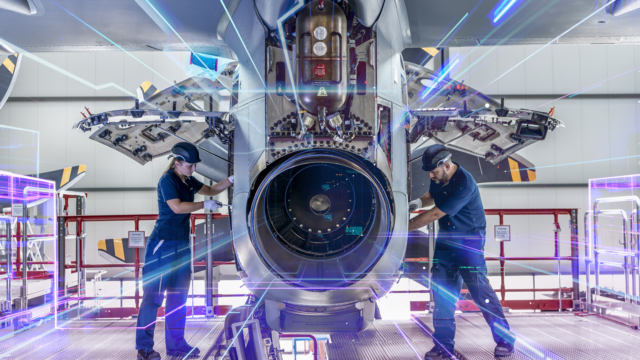
Pratt & Whitney unveils secretive new PT9 turboprop after five years of secret development

3 min read
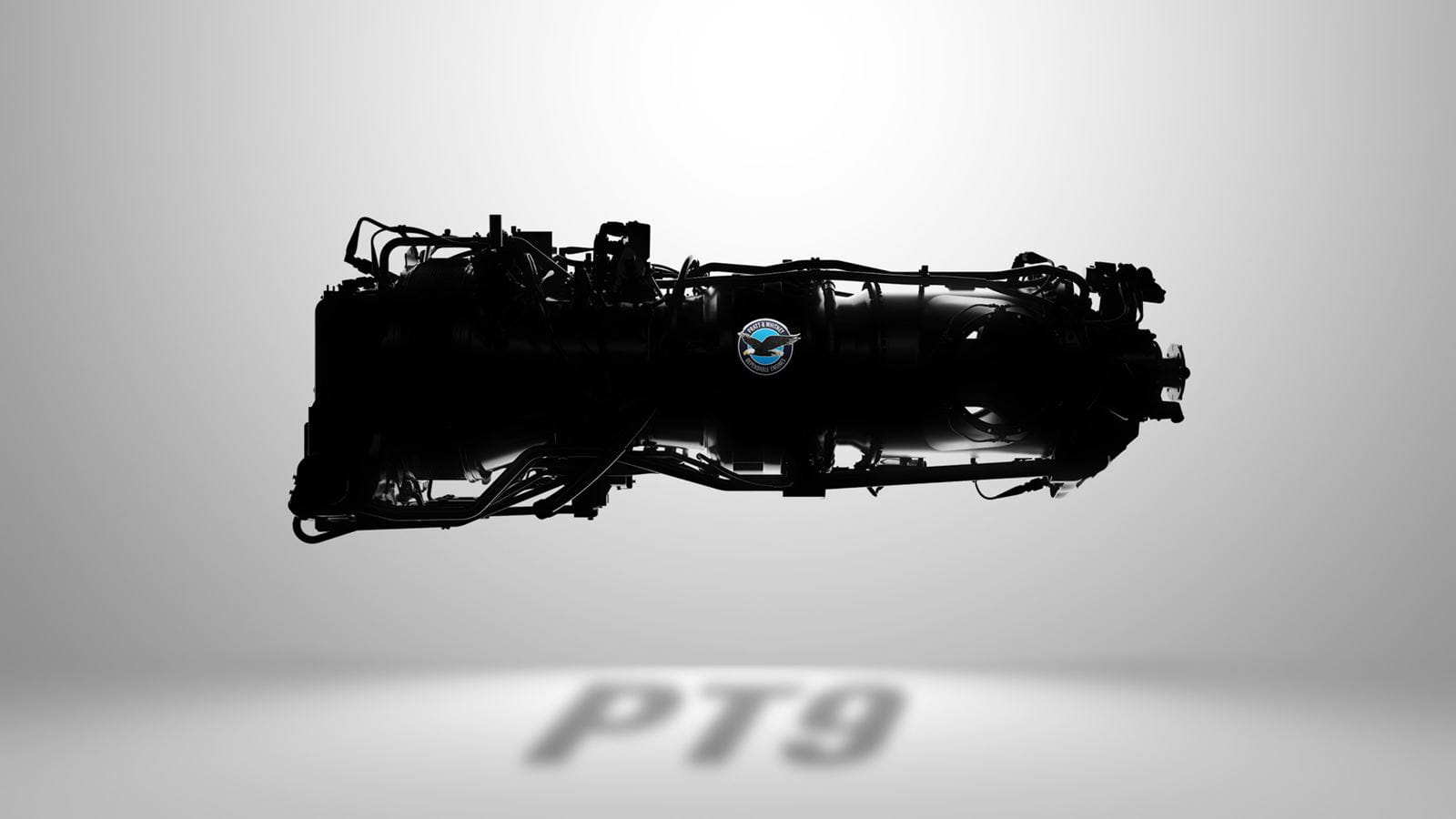
Pratt & Whitney Canada (part of RTX) has unexpectedly unveiled the PT9, an all-new turboprop engine that was developed largely out of public view and certified by Transport Canada before its official launch.
The engine features modern architecture with space for continuous improvement and integration into future electric and hybrid aircraft.
PW Canada has long dominated the turboprop market with its highly successful PT6 family, first introduced in the 1960s, and its larger PW100 series. Variants of those engines power anything from a Cessna Caravan to regional airliners.
PW Canada unveiled new cleansheet turboprop engine
Yesterday, at the NBAA-BACE business aviation show in Las Vegas, Pratt & Whitney Canada made a surprise revelation. It unveiled its latest turboprop engine, the PT9, with a “new centerline,” aka a cleansheet engine.
The engine has already accumulated more than 14,000 development hours and has been recently certified by Transport Canada.
Satheeshkumar Kumarasingam, president of Pratt & Whitney Canada, stated, “The PT9 engine represents the next evolution of turboprop propulsion, delivering significant advances in performance, efficiency and adaptability to meet the needs of modern aviation.”
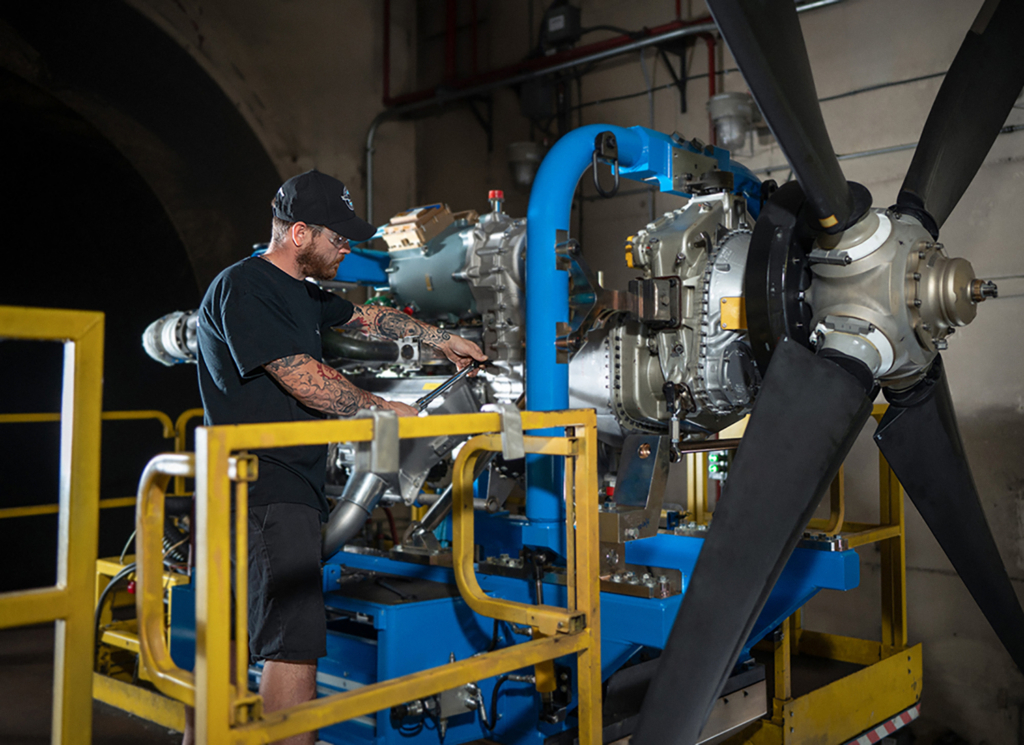
He then explained the engine is designed around changing customer needs, including advanced digital capabilities and “future-ready hybridization.”
The company president said PT6’s architecture can be tailored to diverse airframe types while providing a “strong foundation” for more development.
PW’s new turboprop engine
PW claims it delivers 33% more power at altitude, while also reducing fuel consumption by 20% compared with previous-generation engines.
The PT9 is a completely new clean-sheet turboprop engine in the roughly 1,700–2,300 shaft horsepower class. It occupies the power gap between the upper end of the PT6 range and the lower end of the PW100 family.
Pratt didn’t name an aircraft it is intended for, but rather said it is suitable for “diverse airframe types.”
#NEWS: Pratt & Whitney Canada introduces certified PT9 engine, a new centerline turboprop delivering more power, efficiency and flexibility for next-generation aircraft. MORE: https://t.co/3yEFfGfcZe https://t.co/wuT0a7DpHM
— RTX (@RTX_News) October 21, 2026
PT9 is designed to combine the jet-like performance with turboprop efficiency while also incorporating next-generation architecture to allow its future evolution.
Pratt claims the engine’s modular design sets a foundation for continued innovation and technology integration. Future variants may power electric aircraft and hybrid thermal-electric powerplants.
The surprise announcement and secret development
Yesterday’s announcement came as a surprise to many, catching the industry off-guard.
After decades of refining the legendary PT6, Pratt quietly built and certified the PT9. It is highly unusual for engines to be unveiled after receiving certification and being essentially “ready for the market.”
The programme’s five-year development was kept largely under wraps, with only faint hints appearing in the 2025 FAA regulatory filings (referring to a “PT9A-11” new-centerline turboprop).
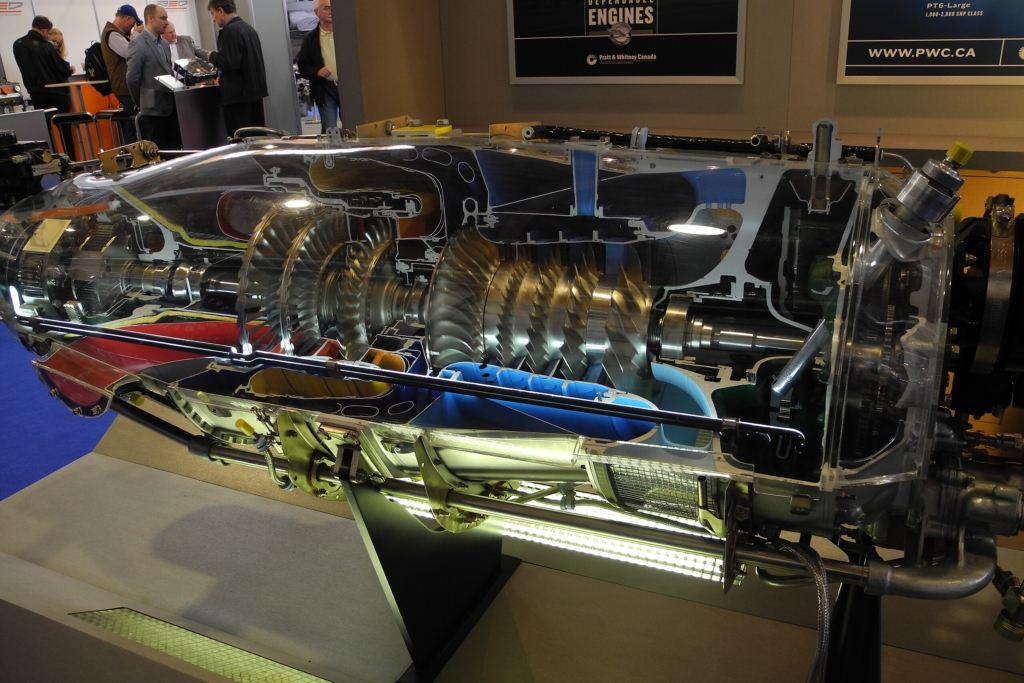
It is also the first all-new turboprop in decades and is a noted departure from the familiar incremental PT6 upgrades. All-new engines are comparatively rare in the industry as they are expensive and time-consuming.
The engine’s debut comes as GE Aerospace is seeking to start challenging Pratt’s with its Catalyst turboprop and other engines.