The surprising reason most airplanes are painted white

5 min read
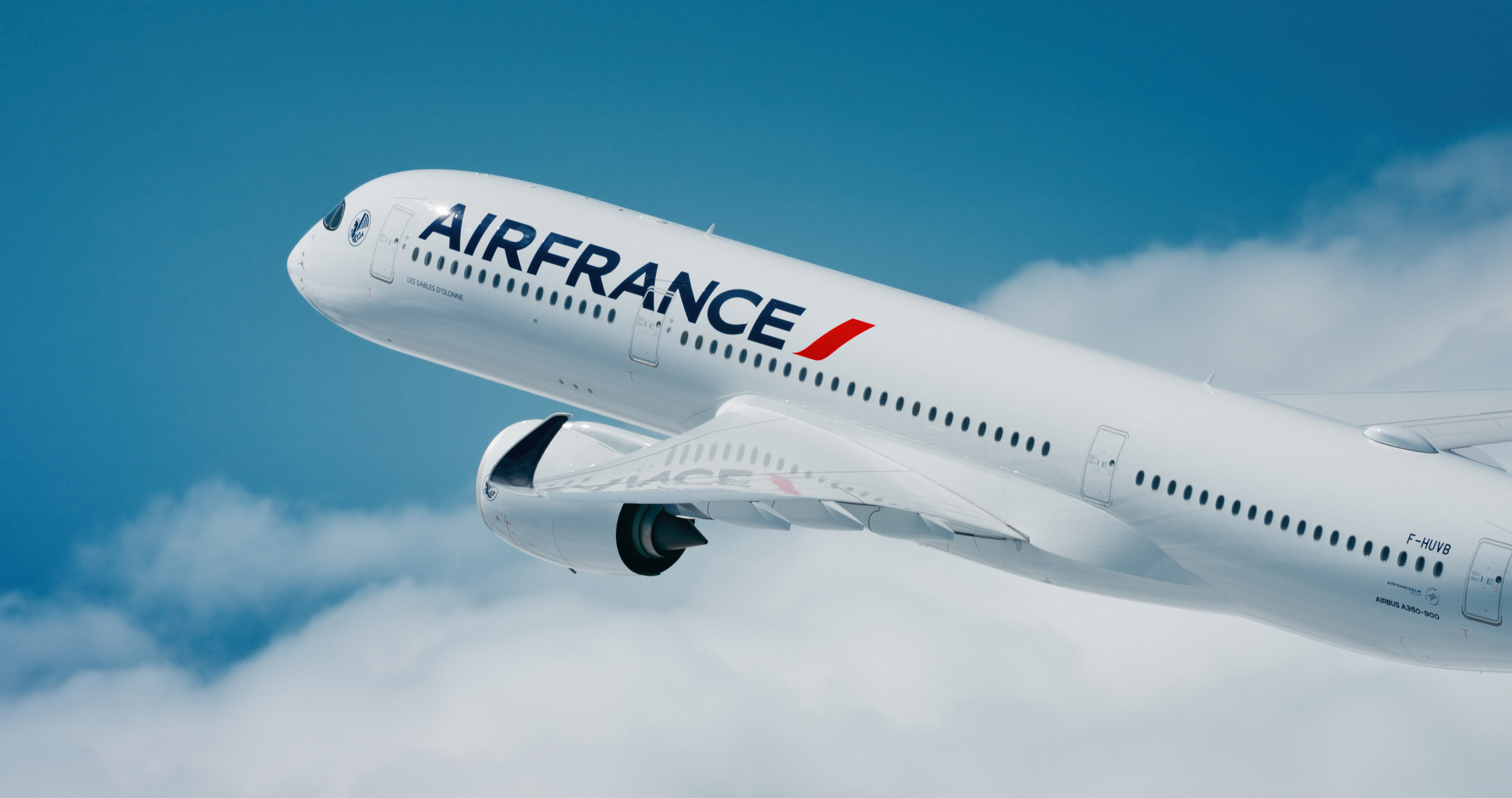
Look up at the sky, and you will notice that most commercial aeroplanes are painted predominantly white. Although some airlines use colourful designs, distinctive logos and bold patterns, white remains the most common colour for aircraft around the world.
Why are most airplanes painted white?
It’s not because airlines lack imagination. Instead, there are several practical reasons why airlines choose white paint, ranging from reducing heat absorption to making aircraft easier to inspect and maintain.
Here’s why airlines around the world continue to choose white aircraft over darker or more colourful alternatives.
White paint helps keeps aircraft cooler
One of the main reasons airlines paint their aircraft white is that white surfaces reflect more sunlight than darker colours. This helps reduce the amount of solar energy absorbed by the aircraft, keeping its exterior cooler when parked on the ground or flying in direct sunlight.
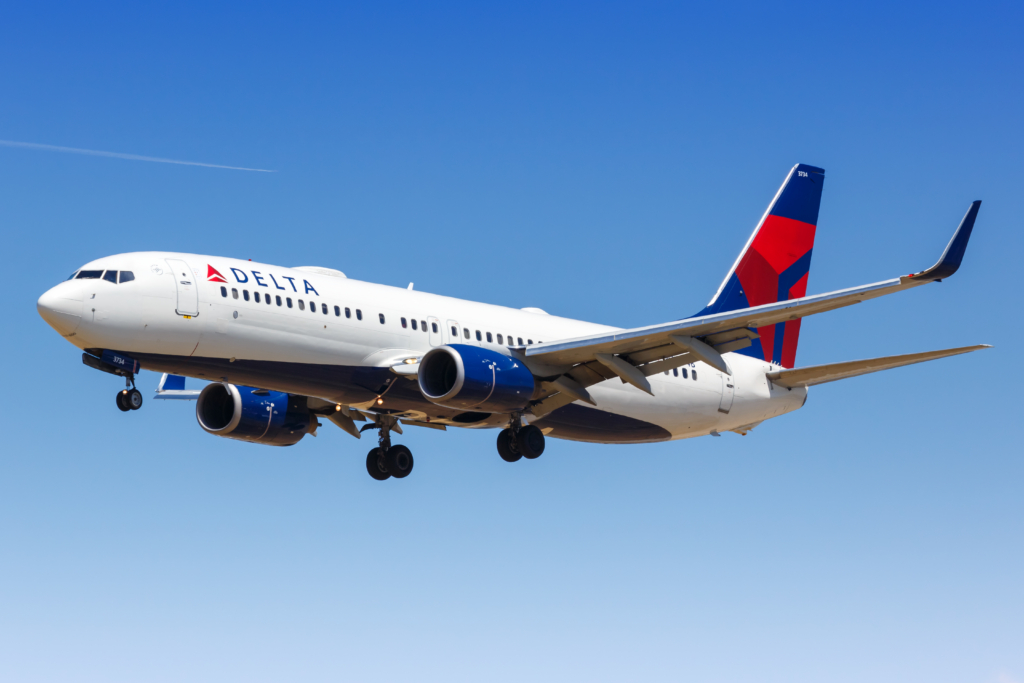
Dark colours, such as black and navy blue, absorb more solar radiation and can become significantly hotter. On an aircraft, this additional heat can affect the temperature of the fuselage and the materials used in its construction.
Keeping the aircraft cooler can help reduce thermal stress on certain materials and components, particularly those exposed to prolonged sunlight.
It can also limit the amount of heat transferred into the cabin, potentially reducing the demand on air-conditioning systems while the aircraft is on the ground. Although a white exterior does not eliminate the need for cooling systems, it offers a simple and effective way to manage heat.
Why white aircraft are easier to inspect and maintain
Aircraft safety depends on regular, detailed inspections. Engineers must look for signs of damage, corrosion, fluid leaks and other faults that could affect an aircraft’s airworthiness.
A white exterior provides a useful background against which many types of damage and contamination can be identified. Oil, hydraulic fluid, soot and other dark substances are often easier to spot on a white surface than on a darker one.
Cracks, dents and areas of discolouration may also be more noticeable, depending on their location and the lighting conditions./i

White paint does not make every defect visible, and engineers use specialist inspection techniques to detect problems that cannot be seen with the naked eye. Nevertheless, a light-coloured exterior can make routine visual checks more straightforward.
This is particularly valuable for airlines operating large fleets, where efficient maintenance procedures are essential for keeping aircraft safe and reducing time spent out of service.
How white paint helps airlines reduce maintenance costs
Aircraft painting is an expensive process. Before an aircraft can be repainted, its existing finish may need to be stripped, the surface prepared, and new layers of primer and paint applied. The work requires specialist facilities, skilled technicians and considerable time.
White is often a practical choice because fading, discolouration and minor cosmetic imperfections can be less conspicuous than they are on certain darker or more elaborate finishes.

Some coloured paints, especially those exposed to intense sunlight, may fade unevenly over time. Maintaining a consistent appearance can therefore require additional attention.
White paint is not necessarily cheaper in every situation, and the overall cost depends on the paint system, design, preparation work and maintenance schedule.
However, a predominantly white livery can simplify repainting and touch-ups, particularly when an airline operates many aircraft with the same basic design. For airlines working to control operating costs, even small savings across a large fleet can be worthwhile.
Why aircraft leasing companies prefer white airplanes
Many airlines do not own every aircraft they operate. Instead, they lease aircraft from specialist companies, allowing them to expand or adjust their fleets without purchasing every aeroplane outright.
A neutral white exterior makes an aircraft easier to transfer between operators. When a lease ends, the aircraft may need to be repainted in the next airline’s colours. A simple base colour can make the transition between liveries more straightforward, depending on the existing paint scheme and the condition of the aircraft.
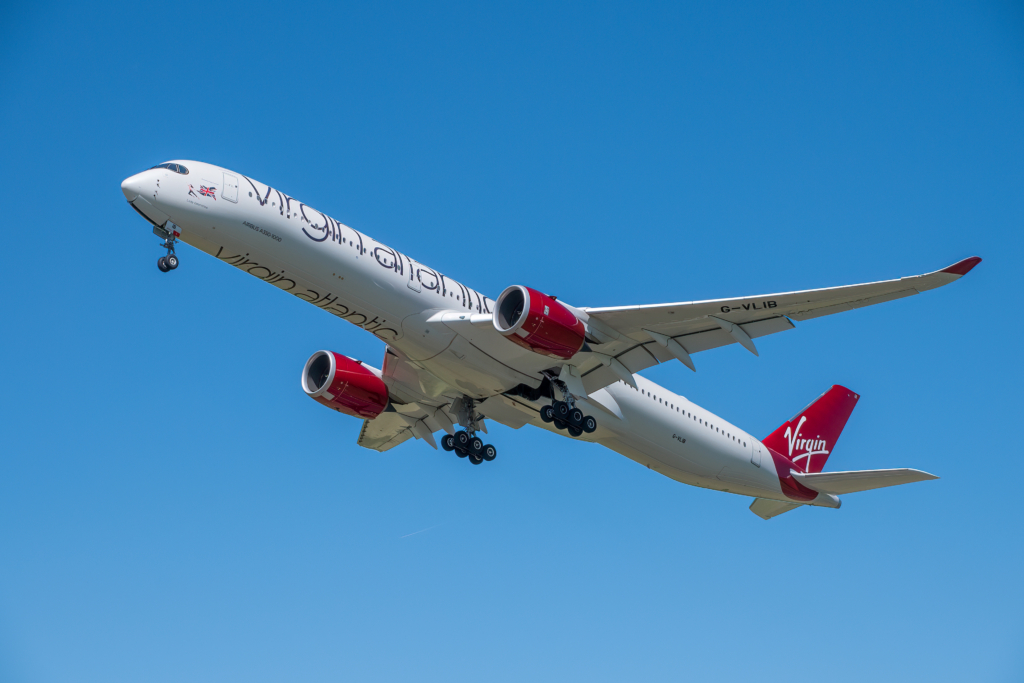
White also provides a versatile background for different airline logos, colours and designs. This makes it a practical starting point for aircraft that may change operators several times during their working lives.
For lessors and airlines, flexibility can help reduce the complexity and cost of preparing an aircraft for its next role.
Does white paint make aircraft damage easier to spot?
Bird strikes, lightning strikes and other incidents can leave marks or damage on an aircraft’s exterior. A white surface can make some resulting stains, scorch marks and other visible changes easier to identify.
White paint can also help ground crews notice certain leaks or unusual deposits during routine inspections.
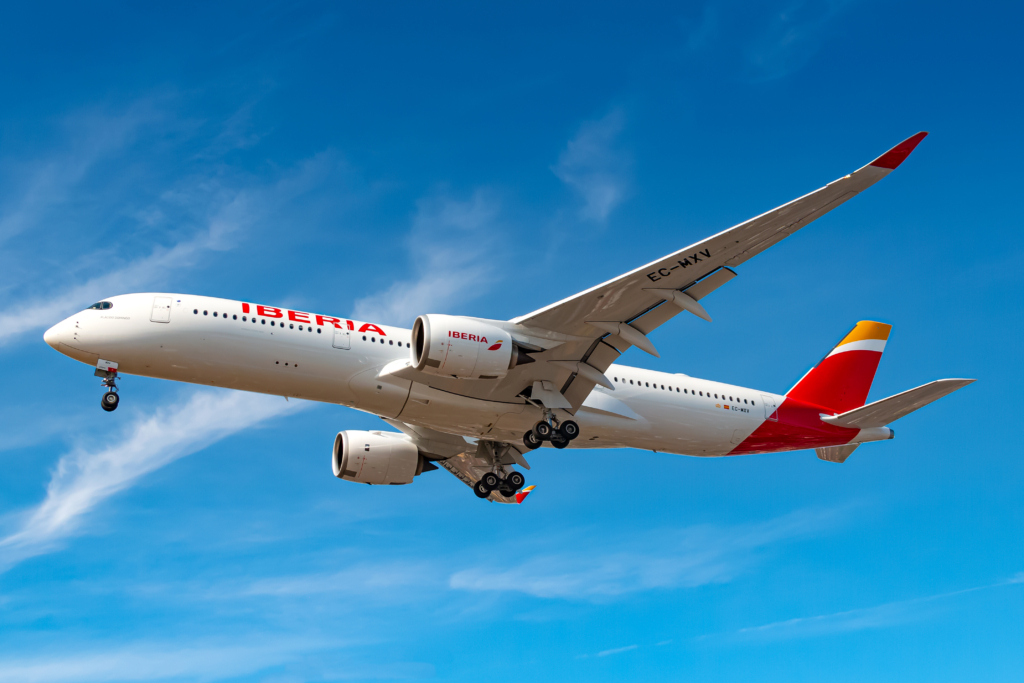
However, visibility depends on the type of damage, its location and the surrounding materials. Some cracks, structural defects and other faults will not be obvious regardless of the aircraft’s colour.
The main advantage is that white provides a relatively consistent, light-coloured surface that can support visual inspection, rather than replacing the specialist checks required for aviation safety.
Why some airlines choose colourful aircraft liveries instead
Despite these advantages, airlines are not required to paint their aircraft white. Many use striking liveries to establish their brand identity and stand out from competitors.
Bright colours, distinctive tail designs and special-edition paint schemes can make an airline more recognisable to passengers. Some aircraft feature extensive coloured areas, while others combine a white fuselage with a colourful tail and logo.
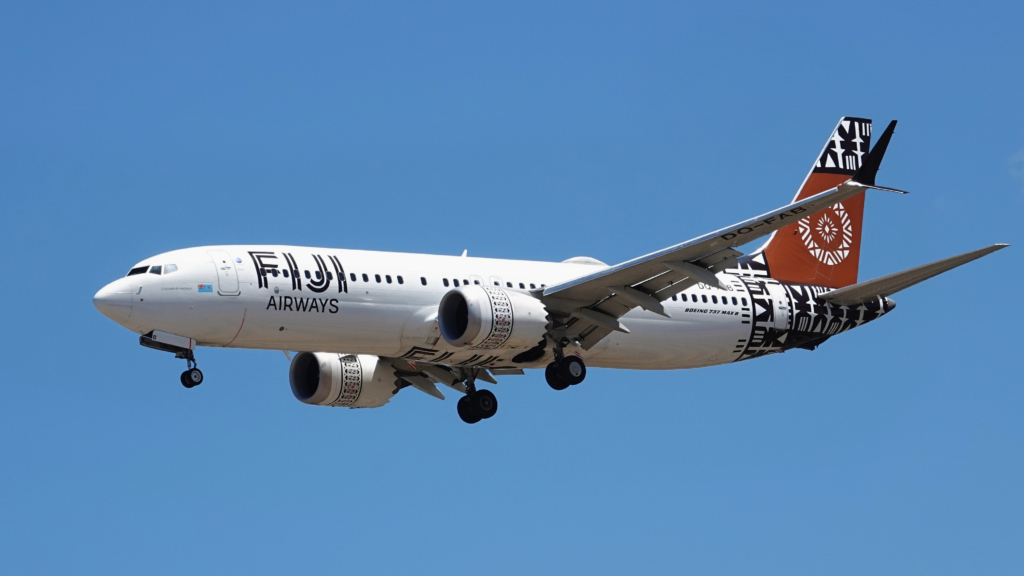
These designs allow airlines to balance practical considerations with marketing and customer recognition. The choice of paint also depends on the airline’s brand, operating conditions, maintenance requirements and budget.
Modern paint technology means that airlines can use a wide range of colours while still meeting the technical and operational requirements of aircraft maintenance.
Why most airlines still choose white aircraft
Airlines paint their aircraft white for several practical reasons. White reflects sunlight, helping limit heat absorption, and can make certain stains, leaks and visible signs of damage easier to identify.
It can also offer maintenance advantages and provide a neutral base for aircraft that may be sold, leased or transferred between operators.
Although colourful liveries remain an important part of airline branding, white offers a useful combination of practicality, flexibility and visual simplicity. What appears to be a straightforward design choice is, in reality, a decision shaped by engineering, maintenance, economics and the everyday demands of commercial aviation.