81 US aircraft lost or damaged in Iran war: The real cost to US airpower

4 min read
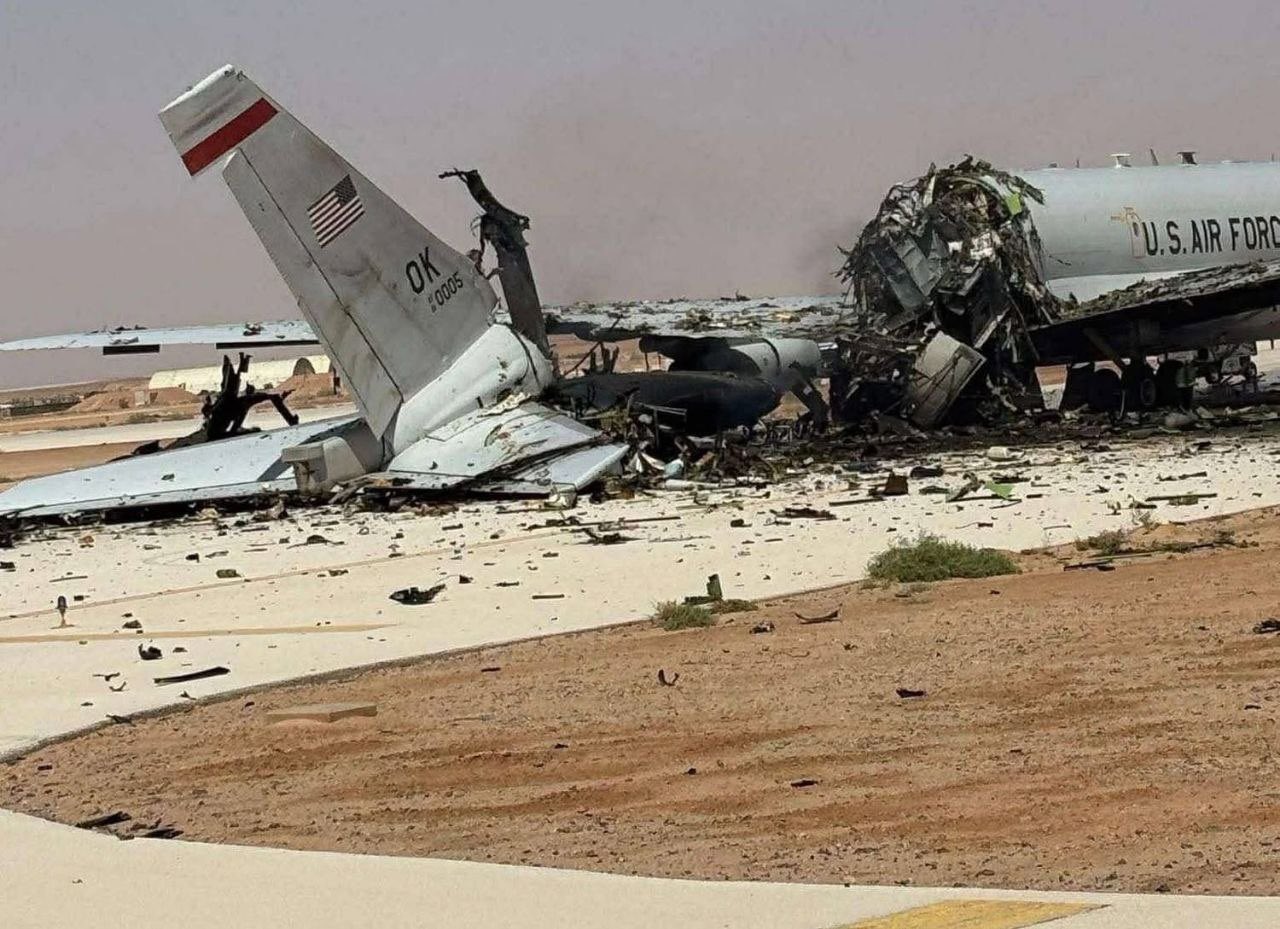
According to a new Congressional Research Service (CRS) report, the US sustained 81 aircraft that were lost or damaged, including unmanned aircraft. The aircraft include fixed- and rotary-wing aircraft, and some are likely to be returned to service. The report uses public reports, not classified DOD intelligence.
The Congressional Budget Office (CBO) estimated in September that the cost of the equipment losses until the 1 August was between $1.9 billion and $3.3 billion, depending on DoD plans for replacements. In the context of the wider war and munitions expenditure, this is one of the smaller costs.
F-15, F-35 and other crewed aircraft losses
A total of twelve F-15 Strike Eagles are listed. This includes the three that were shot down by a friendly Kuwaiti Hornet and the F-15E Iran shot down near Isfahan.
The remaining eight F-15s sustained light damage during an Iranian strike on Jordan’s Muwaffaq Salti Air Base. These were quickly returned to service and may be better left off the list.
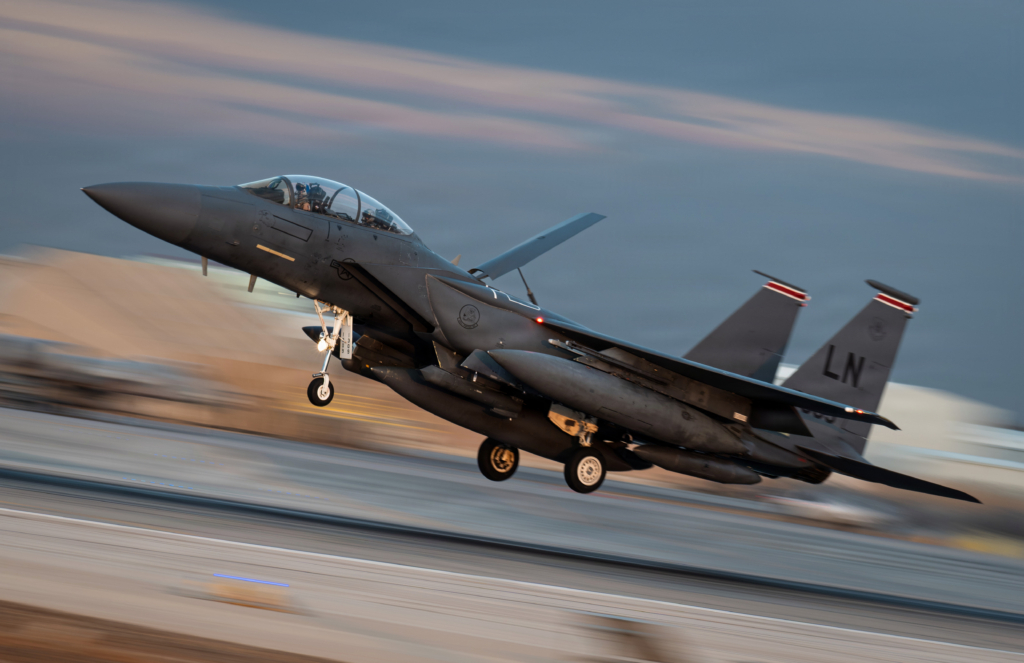
A single F-35A fighter jet was damaged by Iranian fire, although the pilot managed to land the aircraft successfully.
Two A-10 ‘Warthogs’ were also affected. One was shot down, with the pilot ejecting over friendly territory during the operation to extract the downed F-15E pilots from behind enemy lines. Another was severely damaged on the ground at Muwaffaq Salti Air Base.
Based on publicly reported incidents included in the CRS assessment, the only confirmed aircrew fatalities were associated with the KC-135 collision. One KC-135 crashed with the loss of all six crew; the second managed to survive with part of its tail sheared off.
| Aircraft | Destroyed / permanently lost | Damaged / potentially recoverable | Total |
| F-15E Strike Eagle | 4 | 8 | 12 |
| F-35A Lightning II | — | 1 | 1 |
| A-10 Thunderbolt II | 1 | 1 | 2 |
| KC-135 Stratotanker | 1 | 6 | 7 |
| E-3 Sentry | — | 1 (likely destroyed) | 1 |
| MC-130J Commando II | 2 | — | 2 |
| HH-60W Jolly Green II | — | 1 | 1 |
| AH-64 Apache | 1 | — | 1 |
| AH-6 Little Bird | 4 | — | 4 |
| MH-60 Sea Hawk | 1 | — | 1 |
| Subtotal: manned aircraft | 14 | 18 | 32 |
Five more KC-135s were damaged on the ground at Saudi Arabia’s Prince Sultan Air Base. AGN has reported that some of these were ferried back to the US patched up.
One of the USAF’s rare and ageing E-3 Sentry AWACS was hit at Prince Sultan Air Base. While some reports classify the aircraft as damaged, open-source imagery and reporting suggest the aircraft may be beyond economic repair.
Finally, two specialized MC-130J Command II special operations aircraft were destroyed in place to prevent capture after they became stuck during the rescue of the F-15E pilot.
MQ-9 Reaper, helicopter and drone losses
Seven military helicopters are also listed. One HH-60W Jolly Green II combat search and rescue helicopter was damaged during the search and rescue for the F-15E pilot.
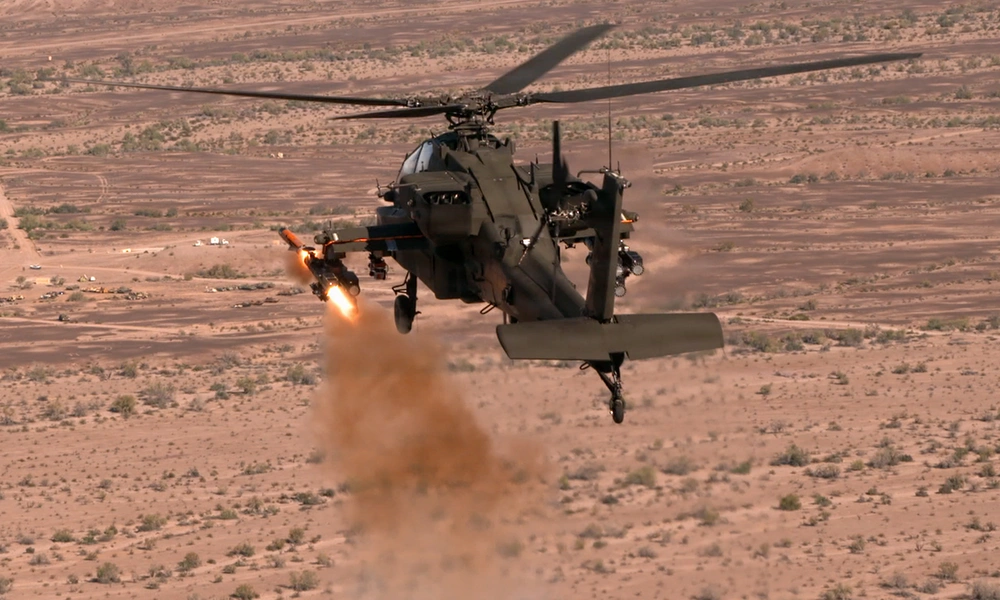
A single US Army AH-64 Apache attack helicopter was destroyed after it was shot down over the Strait of Hormuz. The crew was rescued with autonomous surface vessels. A Navy MH-60 Sea Hawk maritime helicopter also crashed over the Arabian Sea.
Four AH-6 Little Bird light attack helicopters were also destroyed in place after the loss of their MC-130J transports rendered their extraction impossible.
The most valuable drone loss was a single US Navy MQ-4C Triton crashing in a mishap. CENTCOM also lost at least three ageing MQ-1 Predator drones.
Over half of the reported losses are the “at least 45” MQ-9 Reapers believed to have been lost over Iran. This is a significant part of the fleet and a testament to how heavily used they were.
How significant are 81 US aircraft losses?
Incredibly, of the headline 81 US aircraft losses, only one was a KC-135R collision that is known to have resulted in the loss of personnel.
The impact of some of the reported losses is also muted, as some have already been repaired and returned to service, while aircraft stored at the boneyard appear to have allowed the USAF to quickly replace the crashed KC-135.
Some aircraft lost were already at retirement. The Air Force is downsizing its A-10 fleet and is sending more airframes to the boneyard. It is unclear if those affected A-10s had been earmarked for retirement in 2026 anyway. The most recent batch was retired in July 2026.

The Army is also downsizing its Apache fleet and placing many of the modern AH-64E units in reserve.
Aircraft like the MC-130J, MQ-9, MH-60, and HH-60W can likely be replaced fairly easily if replacement units are ordered.
At around $30 million apiece and with the US-centred production line shut down, MQ-9 Reapers are not disposable assets, but they are also not high-end, hard-to-replace assets like fighter jets. These tend to occupy a sort of middle ground.
The loss of the F-15Es is notable; the fact that the F-35A was hit raises questions. In the short term, the biggest issue is likely the loss of one or two E-3 Sentries.
These Sentries are ageing aircraft approaching the end of their useful lives, but there are no immediate replacements, and the US operates a dwindling fleet of them.