


Boeing wins $14.7bn contract to triple PAC-3 MSE seeker production

4 min read
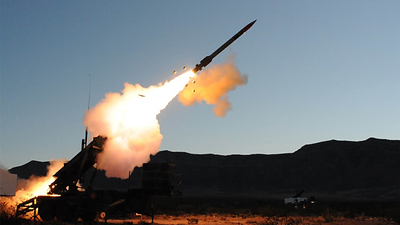
Boeing has received a contract worth about $14.7 billion from Lockheed Martin to triple production of seekers for the PAC-3 Missile Segment Enhancement (MSE) interceptor, a key component of the Patriot air and missile defence system.
The seven-year award covers production and delivery of PAC-3 MSE seekers and formalises a framework agreed earlier this year between Boeing and the US Department of War to sharply increase output. Production ramp-up and hiring began after that agreement, with hundreds of direct and indirect jobs expected to be created around Boeing’s operation in Huntsville, Alabama.
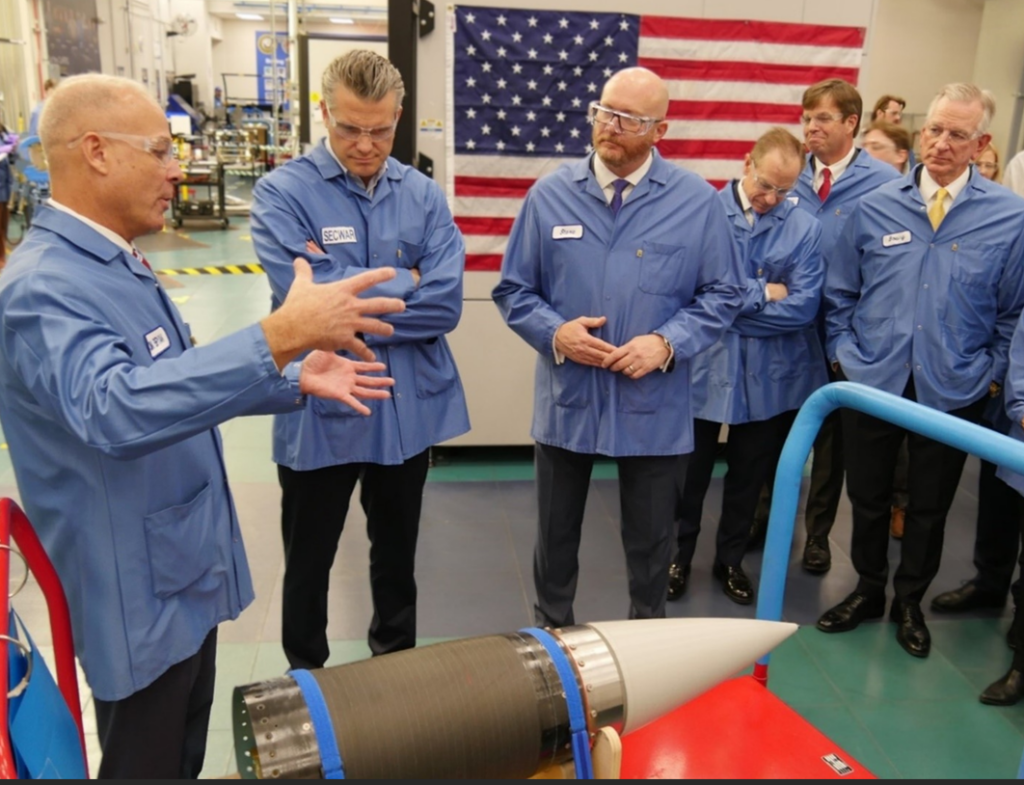
The seeker is the part of the interceptor that finds and homes in on its target during the final stage of an engagement. Boeing’s PAC-3 seeker operates in the Ka-band millimetre-wave portion of the radio spectrum and provides the guidance data needed to acquire the target, determine the best point to strike it and guide the interceptor through its terminal approach.
That precision is particularly important because PAC-3 MSE is a hit-to-kill weapon. Unlike a conventional surface-to-air missile that relies primarily on an explosive blast and fragments to damage a target from nearby, PAC-3 is designed to physically collide with the incoming threat.
How hit-to-kill works
The US Army describes PAC-3 MSE as a high-velocity hit-to-kill interceptor designed to counter tactical ballistic missiles, cruise missiles and aircraft.
The principle is straightforward: instead of trying to destroy an incoming missile by exploding close to it, the PAC-3 interceptor steers directly into the target.
At the velocities involved, the collision transfers enormous kinetic energy into the target. The Army adopted the approach because the high-energy impact is particularly effective against small, fast and structurally robust targets such as ballistic missiles, where relying on fragments from a nearby explosion presents additional challenges.
Lockheed Martin, which builds the PAC-3 MSE interceptor, describes the engagement as direct body-to-body contact. The company says the resulting impact delivers substantially greater kinetic energy to the target than blast-fragmentation mechanisms.
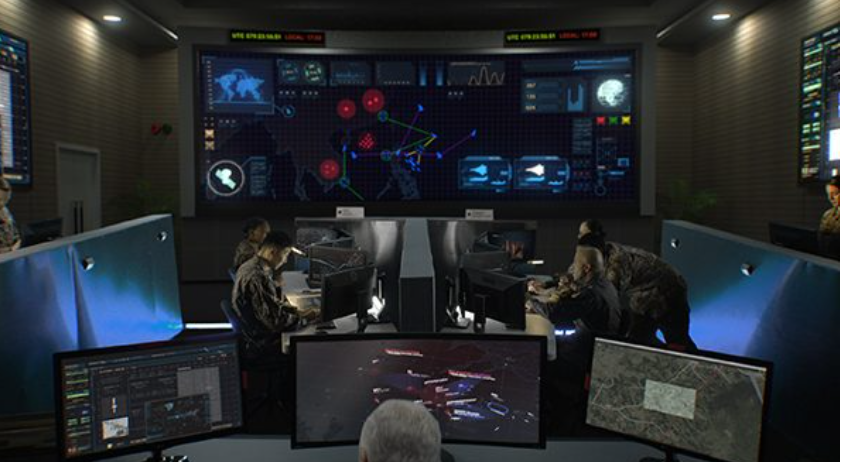
There is a qualification to the description of PAC-3 as having no conventional warhead. The PAC-3 family uses direct impact as its primary kill mechanism against ballistic missile targets, but the design also incorporates a small fragmenting “lethality enhancer” for engagements against air-breathing targets such as aircraft and cruise missiles. The Army has previously described this as supplementing the interceptor’s hit-to-kill capability.
The seeker is therefore central to the weapon. It has to keep updating the target’s position as the interceptor closes at high speed and provide the guidance information needed to achieve the direct collision.
Production set to rise sharply
Raytheon, an RTX business, is the prime contractor for the overall Patriot air and missile defence system, including its radar and command-and-control elements, and produces the PAC-2/GEM-T interceptor. Lockheed Martin is the prime contractor for the PAC-3 missile segment and manufactures the PAC-3 MSE interceptor, with Boeing supplying its seeker.
The latest award follows an April agreement under which Boeing, Lockheed Martin and the Pentagon began preparations to triple seeker production. Boeing said at the time that its seeker deliveries had already risen by more than 30% in 2025.
Boeing has invested more than $200 million in its Huntsville operation since 2024, including expansion of its production facilities. The company has also been adding workers and working with suppliers ahead of the higher production rate.
“Early investment and a relentless focus on quality and execution have positioned us to now deliver seekers at unprecedented levels in the near-term, and we’re committed to building on that momentum,” said Steve Parker, president and chief executive of Boeing Defense, Space & Security.
Boeing has manufactured more than 5,000 PAC-3 seekers since 2000. The missile system has been in US Army service since 2001 and is also operated by a growing number of international customers.
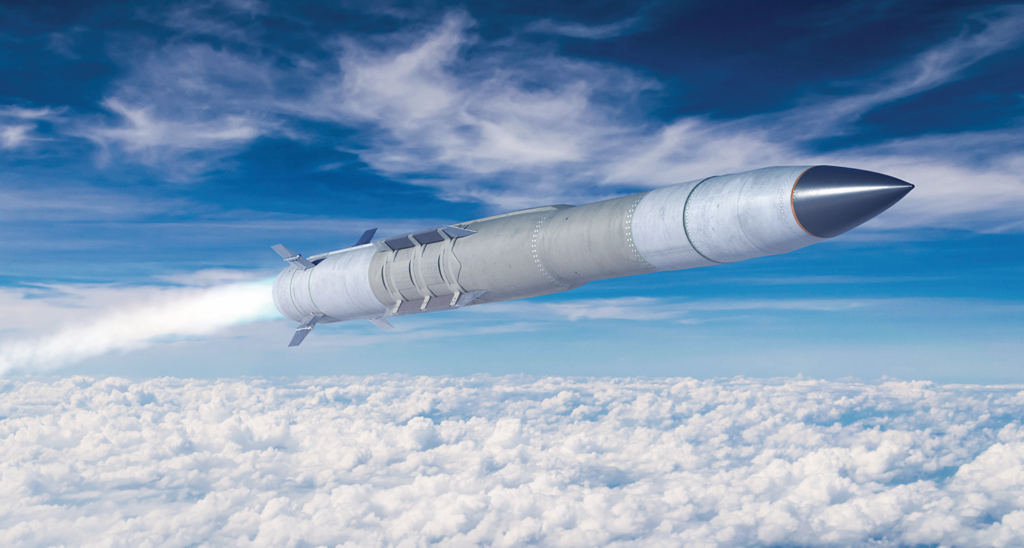
PAC-3 MSE output is also increasing
The seeker expansion forms part of a much larger effort to increase production of the complete PAC-3 MSE interceptor.
Lockheed Martin agreed with the US government in January to raise annual PAC-3 MSE capacity from about 600 missiles to 2,000 under a seven-year production plan. The company said it delivered more than 600 interceptors in 2025, about 20% more than the previous year.
In July, the US government awarded Lockheed Martin a seven-year contract action worth up to $53.86 billion for PAC-3 MSE interceptors. Together with an earlier $4.7 billion award, the multiyear contract has a potential value of $58.62 billion. Lockheed Martin plans to triple production capacity by the end of 2030.
What is a PAC-3 MSE
PAC-3 MSE is an improved version of the earlier PAC-3 interceptor. It uses a larger two-pulse solid rocket motor, larger control surfaces and upgraded actuators to increase its range, altitude and manoeuvrability.
The interceptor is designed to engage tactical ballistic and cruise missiles, aircraft and other advanced aerial threats. Its seeker has to distinguish and track the target during the closing stages of the engagement before guiding the missile towards the precise impact needed for a hit-to-kill interception.
The $14.7 billion Boeing award therefore addresses one of the critical components needed to support the planned increase in complete PAC-3 MSE production. Boeing said its expanded Huntsville operation and supplier network are being prepared to sustain the higher seeker output over the seven-year contract period.


