


Turkish Airlines signs for 100 Boeing 737 MAX-8s with options for 50 more

3 min read
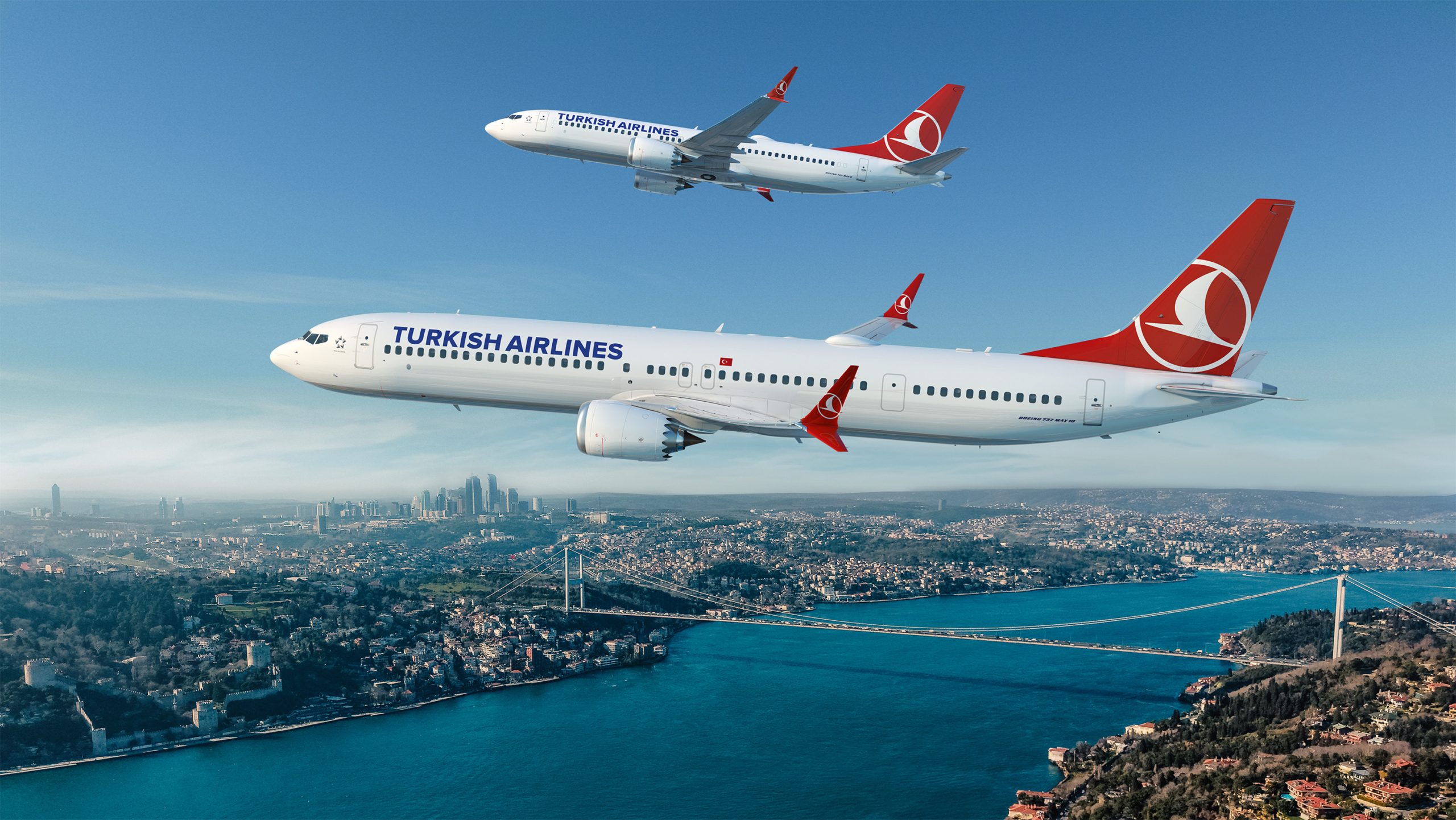
Turkish Airlines has finalised a long-delayed agreement for up to 150 Boeing 737 MAX aircraft, ending almost a year of uncertainty over the carrier’s narrowbody fleet expansion.
The Istanbul-based carrier has placed a firm order for 100 737-8s and taken options on another 50 MAX aircraft, with the agreement also allowing it to substitute the larger, yet-to-be-certified Boeing 737 MAX 10 for aircraft covered by the deal.
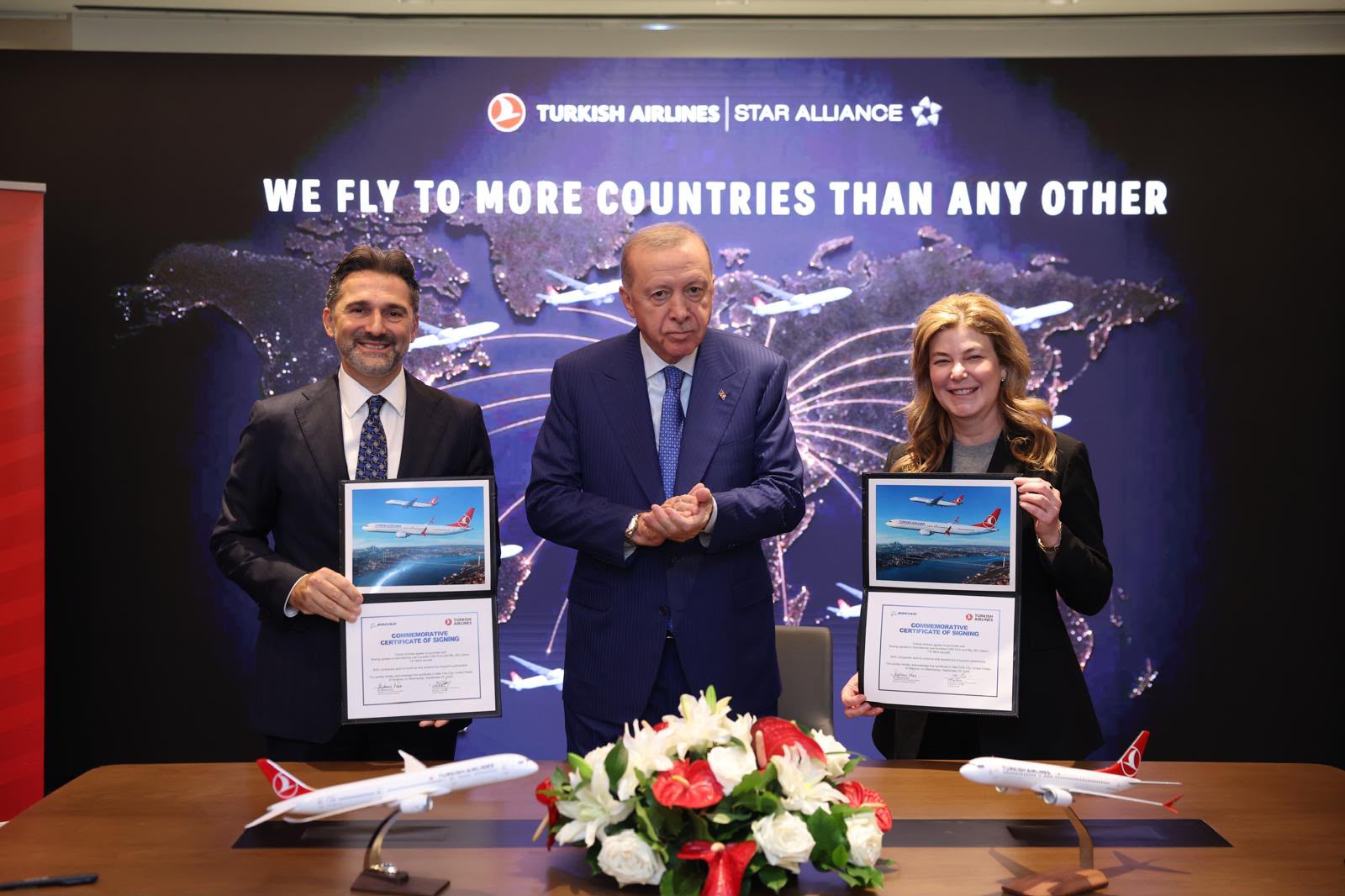
The agreement was signed in New York in the presence of Turkish president Recep Tayyip Erdoğan and represents Turkish Airlines’ largest single-aisle order from Boeing.
The deal originated with an agreement announced in 2025, but negotiations over the aircraft’s LEAP-1B engines later delayed its completion.
CFM negotiations delayed Turkish Airlines’ 737 MAX order
The 737 MAX is exclusively powered by the LEAP-1B, produced by CFM International, the GE Aerospace-Safran joint venture.
Earlier this month, reports indicated that negotiations between Turkish Airlines and CFM over engine pricing and longer-term maintenance arrangements delayed the aircraft agreement.
The airline had previously confirmed that its negotiations with Boeing over the 737-8 and 737-10 had been completed, but said the order remained conditional on reaching an agreement with CFM.
Reuters subsequently reported that the dispute had centred on engine maintenance and Turkish Airlines’ desire for an industrial arrangement covering engine support.
Maintenance arrangements for engines can be very costly, and these deals are often where engine-makers make a sizeable proportion of their revenue.
Sources told the news agency that the carrier had considered abandoning the Boeing order in favour of Airbus.
How close Turkish Airlines came to making the switch remains unclear; however, the carrier does operate a large Airbus narrowbody fleet.
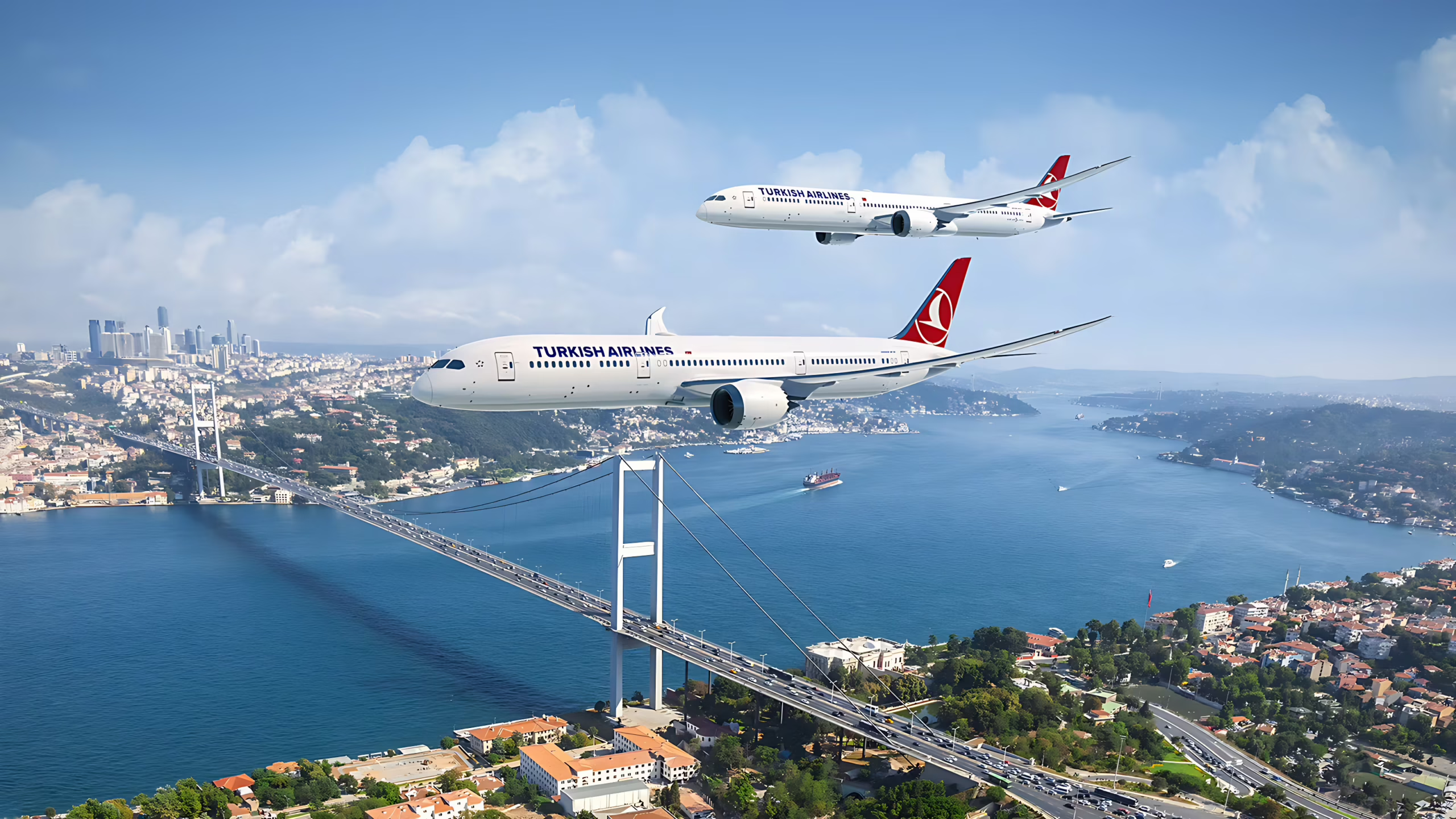
But Turkish Airlines is also a loyal Boeing customer, and had separately committed to as many as 75 787 Dreamliners in 2025, including 50 firm orders and 25 options.
737 MAX to support Istanbul expansion
The new narrowbody aircraft will be used to expand and renew Turkish Airlines’ short- and medium-haul fleet as the carrier continues to develop its Istanbul hub, benefiting from the city’s new and enlarged airport.
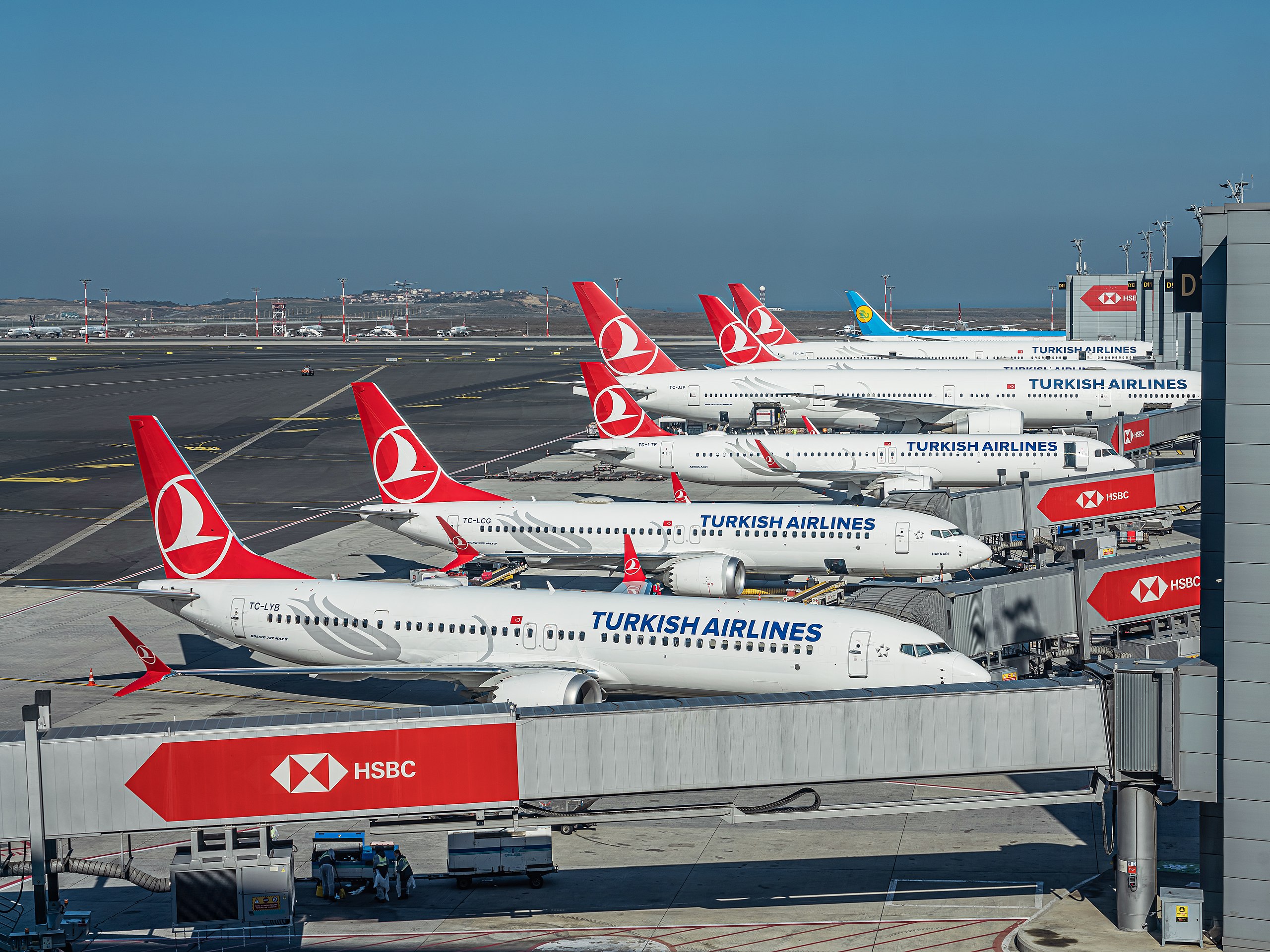
Turkish Airlines and its subsidiary AJet currently operate more than 200 Boeing aircraft, including 737 MAX and 737 Next Generation aircraft as well as 787 and 777 widebodies and 777 freighters.
The 737-8 will give the airline additional capacity for both domestic and international routes, while the ability to substitute the 737-10 provides flexibility over aircraft size as demand develops. Subject to certification, the Boeing 737-10 is expected to enter service in the second quarter of 2027.
Boeing says the MAX family can deliver a 20% reduction in fuel consumption and emissions compared with the aircraft it replaces.
Turkish Airlines chairman Murat Şeker said the aircraft would provide additional flexibility as the carrier expands its network.
“This agreement marks another significant step in the continued expansion of our fleet. The new Boeing 737 MAX aircraft will bring greater efficiency and flexibility to our operations, supporting the extensive network we serve from our hub in Istanbul,” he said.

Another win for Boeing after tumultuous few years
The agreement with Turkish Airlines removes a significant element of uncertainty from Boeing’s relationship with one of its largest international customers, and will be welcomed by the planemaker as it attempts to rebuild ties with airlines after the MAX crashes and subsequent quality issues with its production line.
Boeing Commercial Airplanes president and chief executive Stephanie Pope described the agreement as an extension of the companies’ long-standing relationship.
“This order reflects the trust and shared vision that have defined our long-standing partnership with Turkish Airlines,” said Pope. “We’re proud to continue our support of Türkiye’s aviation ecosystem and Turkish Airlines as it grows its Istanbul-based network, connecting more people and destinations worldwide.”
The order is part of an extensive fleet expansion by Turkish Airlines. The carrier now operates 567 passenger and cargo aircraft and serves 358 destinations.
Sign up for our newsletter and get our latest content in your inbox.


More from

September 24, 20264 min read


September 24, 20265 min read


