


Why the Apache and Black Hawk have very different futures

4 min read
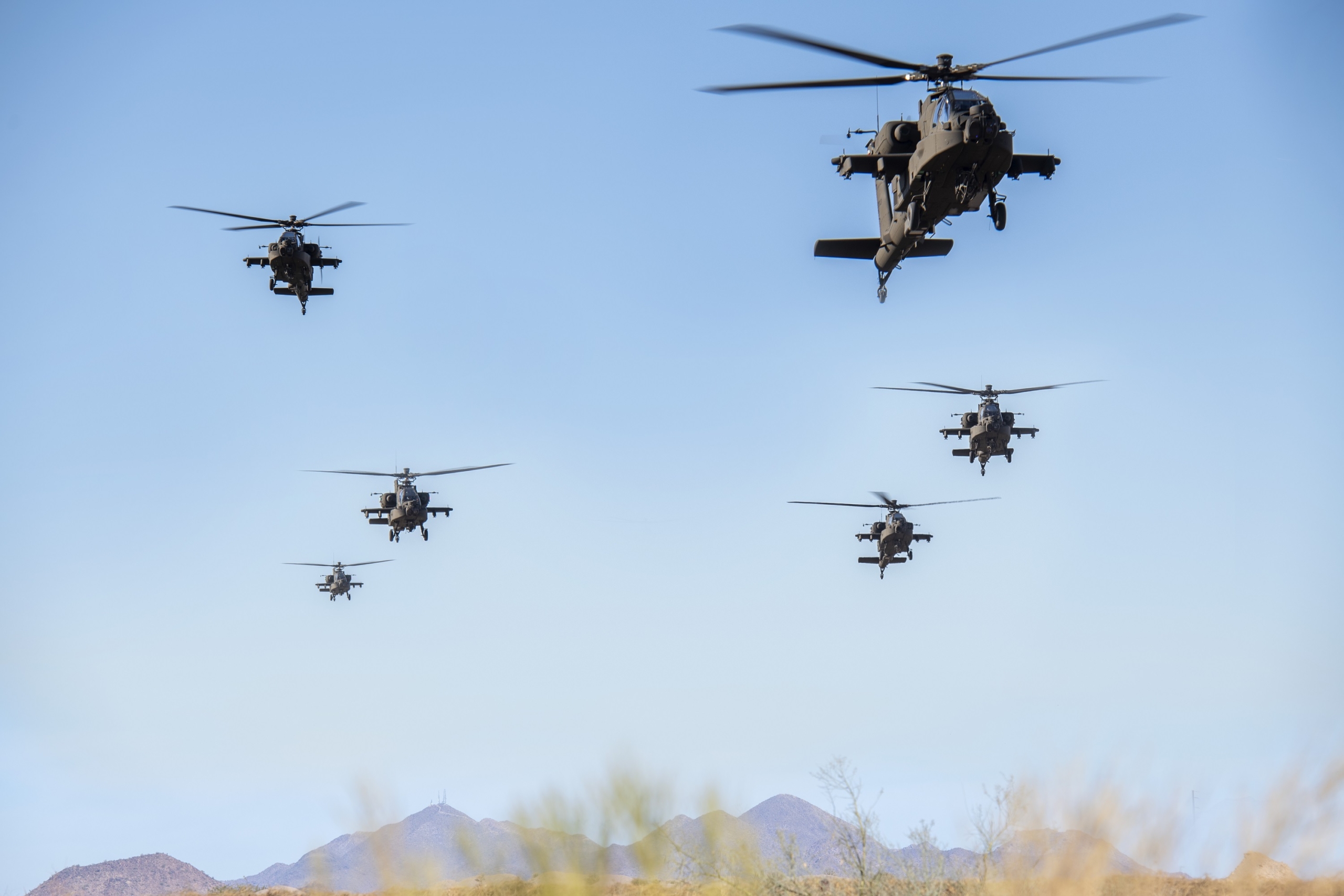
The Boeing AH-64 Apache and Sikorsky UH-60 Black Hawk are two of the principal helicopter families operated by the US Army. They perform fundamentally different roles, although newer armed Black Hawk configurations increasingly blur the distinction between utility and attack helicopters.
The AH-64 Apache attack helicopter
The Apache is built from the ground up as an attack helicopter designed to provide armed reconnaissance, anti-armour attack and close air support for ground forces.
The Apache was developed following the controversial cancellation of the Lockheed AH-56 Cheyenne in 1972. The Cheyenne was an attack compound helicopter that sparked a bitter conflict between the US Air Force and the Army over the respective roles of the service branches.
| AH-64 Apache | UH-60 Black Hawk | |
| Primary role | Destroy tanks, air defences and battlefield targets | Carry troops, cargo and evacuate casualties |
| Crew | 2 (pilot + co-pilot/gunner) | 2–4 crew plus up to 11 troops |
| Passengers | None | Up to 11 combat soldiers |
| Main weapon | 30 mm chain gun + Hellfire missiles + rockets | Door machine guns (primarily defensive) |
| Armour | Heavy protection around crew and critical systems | Limited ballistic protection |
| Typical mission | Attack enemy armour and provide close air support | Air assault, medevac, logistics and disaster relief |
After much inter-service argument, the Air Force successfully lobbied for it to be cancelled. At this time, the Army also had the interim AH-1 Cobra.
Following the cancellation, the Army developed the more conventional Apache helicopter, while Congress insisted that the Air Force acquire the Fairchild Republic A-10 Thunderbolt II ‘Warthog’ to provide the Army with close air support.
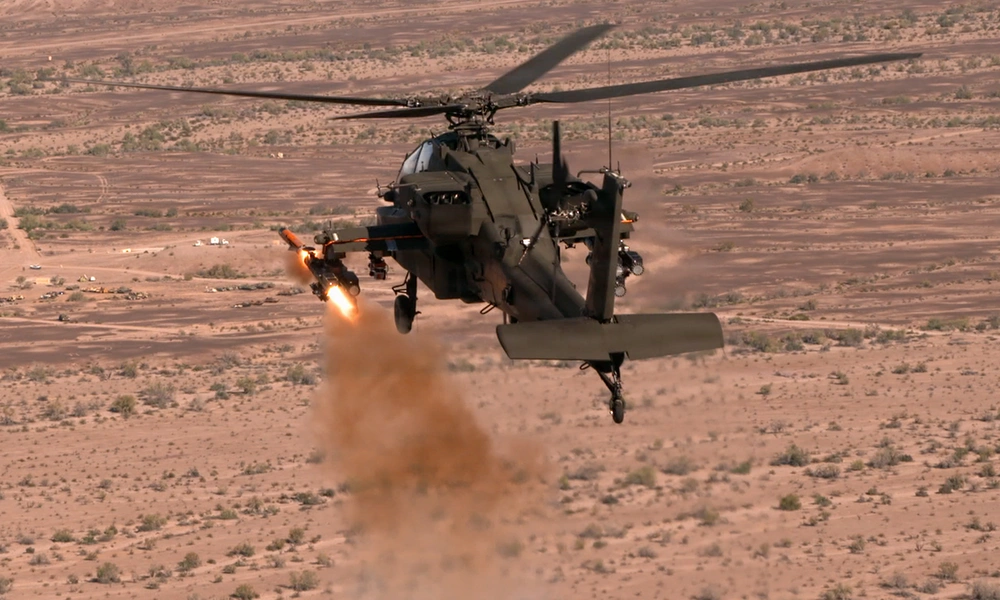
The AH-64 was designed with a pilot and a co-pilot/gunner and doesn’t carry any passengers. Its primary weapons are its 30 mm chain gun, Hellfire missiles, and rockets. As it was designed to operate on the front lines, it comes with heavy protection around the crew and critical systems.
The Army is upgrading its fleet to the AH-64E standard and retiring older variants.
The UH-60 Black Hawk
The UH-60 Black Hawk is a fundamentally different type of helicopter compared with the Apache. It was designed as a utility helicopter to replace the older Bell UH-1 Iroquois ‘Huey’ made iconic in Vietnam.
One of the defining characteristics of the Black Hawk compared with the Apache is its versatility. The Apache largely has one role; it’s an attack helicopter.
Besides its basic troop-transport role, the Black Hawk family has spawned dedicated MEDEVAC variants, special-operations variants, firefighting and search-and-rescue configurations, electronic-warfare derivatives, and numerous commercial and international variants.

A little-known, highly modified special forces MH-60 Black Hawk variant incorporating stealth-related features was lost during the 2011 raid that killed Osama bin Laden.
The Black Hawk may be a utility copter, but the Armed Black Hawk blurs the line with an attack helicopter. Lockheed says, “It can be rapidly reconfigured for air mobile assault, close support fire, medical evacuation, ISR, and tactical air-lift.”
Meanwhile, the Black Hawk has been developed into the Navy’s SH-60 Seahawk, where it is used for anti-submarine warfare, logistical resupply, and a range of other missions. With the Coast Guard, it is the MH-60 Jayhawk, used for search and rescue, law enforcement, and other applications.
Future of the Apache
The AH-64 Apache remains in production, and Poland has placed a very large order for the type (96 AH-64Es). However, there are currently questions about the future viability and role of the Apache on the modern battlefield given the proliferation of MANPADS and other threats.
The Army is reducing the number of Apaches assigned to its active component while transferring some AH-64Es to the Army National Guard. Its FY2026 budget documents list 240 AH-64Es for the active Army, compared with 408 in FY2025.
This is a dramatic reduction in the overall number of active Apaches, especially with over 100 older AH-64Ds being divested.
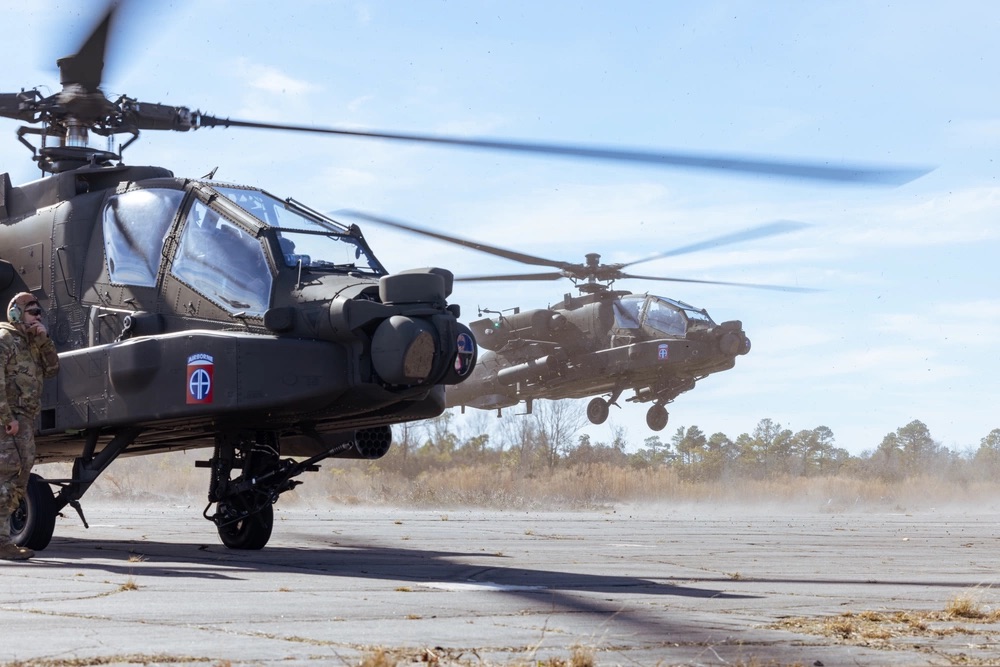
Close air support officially remains a core role of the Apache. But like the A-10, there are increasing questions about how realistic that is in a high-end fight.
Some militaries (e.g., Japan) are turning away from attack helicopters, thinking they no longer provide enough benefit for the types of wars they expect to fight, given their huge expenses.
Others, like the UK and US, are looking for ways to adapt them to remain relevant and viable on the battlefield. Measures include pairing them with loyal wingman drones, other offboard sensing platforms, and longer-range missiles. The US Army is also exploring using them for deep strikes.
Future of the Black Hawk
The future of the Black Hawk is both clearer and less clear. The US Army has made the development of the replacement MV-75 Cheyenne II tiltrotor a matter of urgency for its assault operations.
The Army is expected to continue purchasing new Black Hawks through the 2020s and then switch to purchasing the MV-75 in the early 2030s. The two fleets are expected to be complementary for decades.
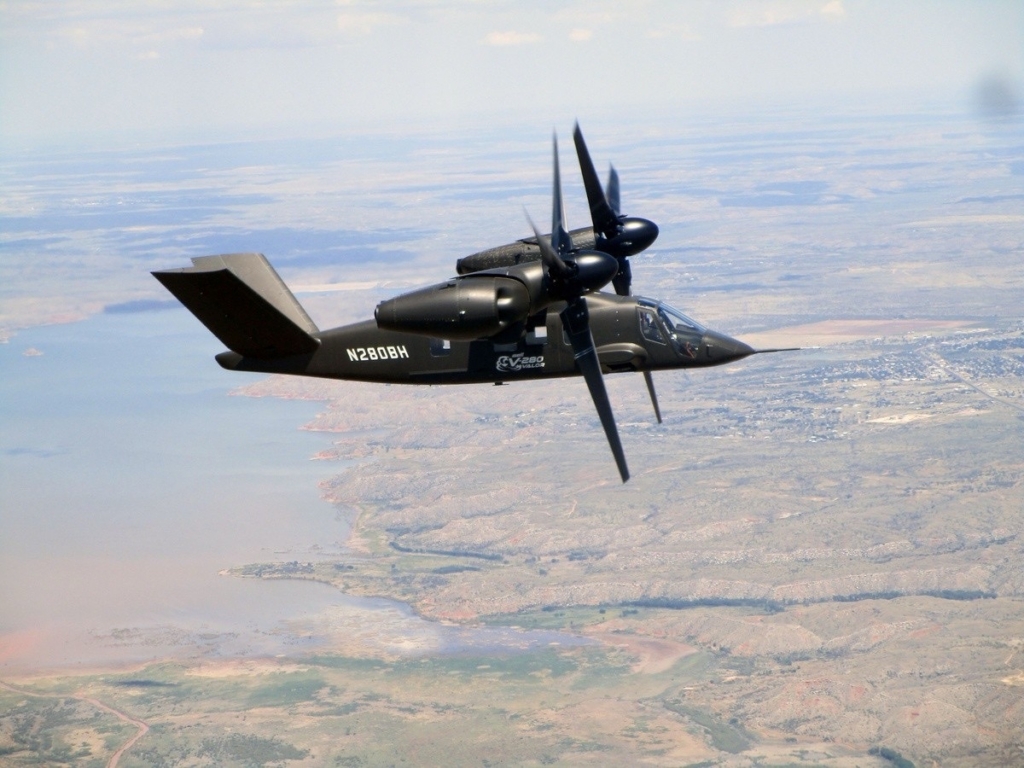
But the MV-75 will take time to replace the Black Hawk in the Army, and it is expected to be prioritised for assault operations first, going “twice as far, twice as fast.”
The sheer versatility of the Black Hawk and its massive numbers make it almost impossible to fully replace anytime soon. Just because the MV-75 replaces it in troop assault operations doesn’t mean it can replace it in all of its other missions.
The Army is expecting to continue operating Black Hawks well beyond 2050, while the Navy has only just begun preliminary efforts to conceptualise a replacement for its Seahawks.
Sign up for our newsletter and get our latest content in your inbox.


More from


October 17, 20264 min read





