


Why an American Airlines pilot questioned ATC spacing behind a Boeing 757 – and why the aircraft’s wake turbulence has such a reputation

5 min read
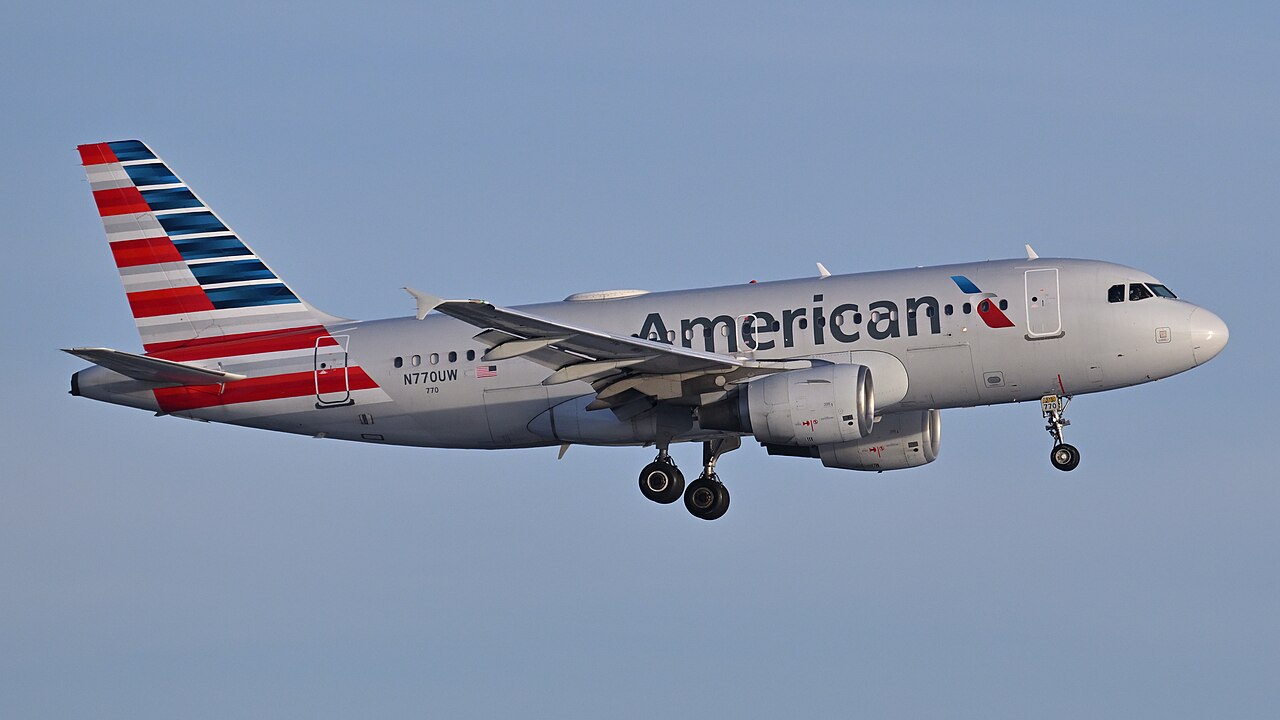
An American Airlines pilot became involved in a tense exchange with air traffic control at Atlanta’s Hartsfield-Jackson International Airport (ATL) after questioning the amount of separation provided behind a departing Boeing 757.
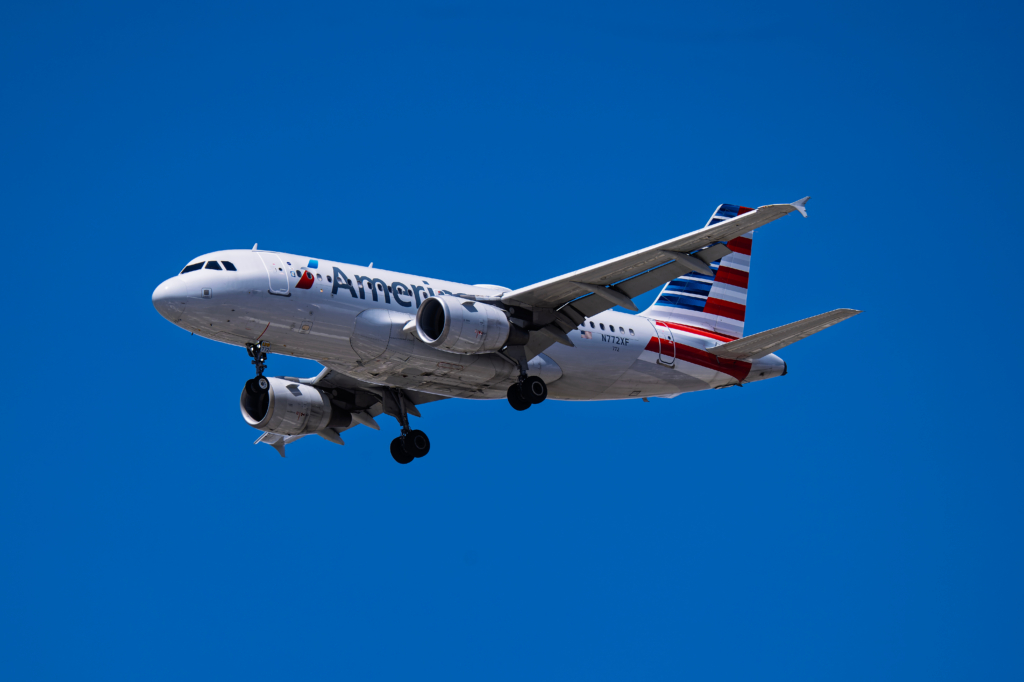
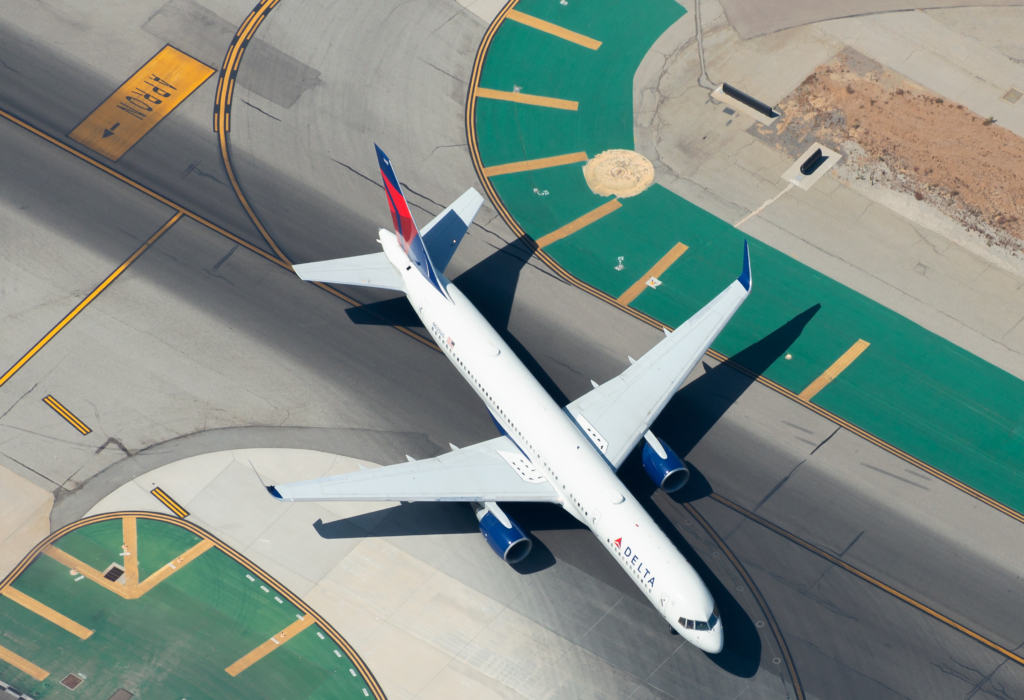
The incident, involving American Airlines flight AA1428 on 13 September, has attracted attention because the aircraft was an Airbus A319 following a departing Delta Air Lines Boeing 757 – an aircraft type that has had an unusually prominent reputation for powerful wake turbulence.
The American Airlines crew did not simply ‘refuse’ a take-off clearance. The A319 had been cleared for take-off from Runway 27R, but the crew requested additional time because of concerns about the 757’s wake. The tower subsequently cancelled the clearance and instructed the American aircraft to leave the runway.
What happened in Atlanta involving flight AA1428?
According to reports based on air traffic control recordings, AA1428 was preparing to depart for Philadelphia behind a Delta Boeing 757 operating flight DL2328.
The American crew was cleared to take off but asked for “a little more time” to allow the preceding aircraft’s wake turbulence to dissipate.
The controller subsequently cancelled the take-off clearance and instructed the A319 to vacate the runway, allowing another aircraft to enter the departure sequence ahead of them.
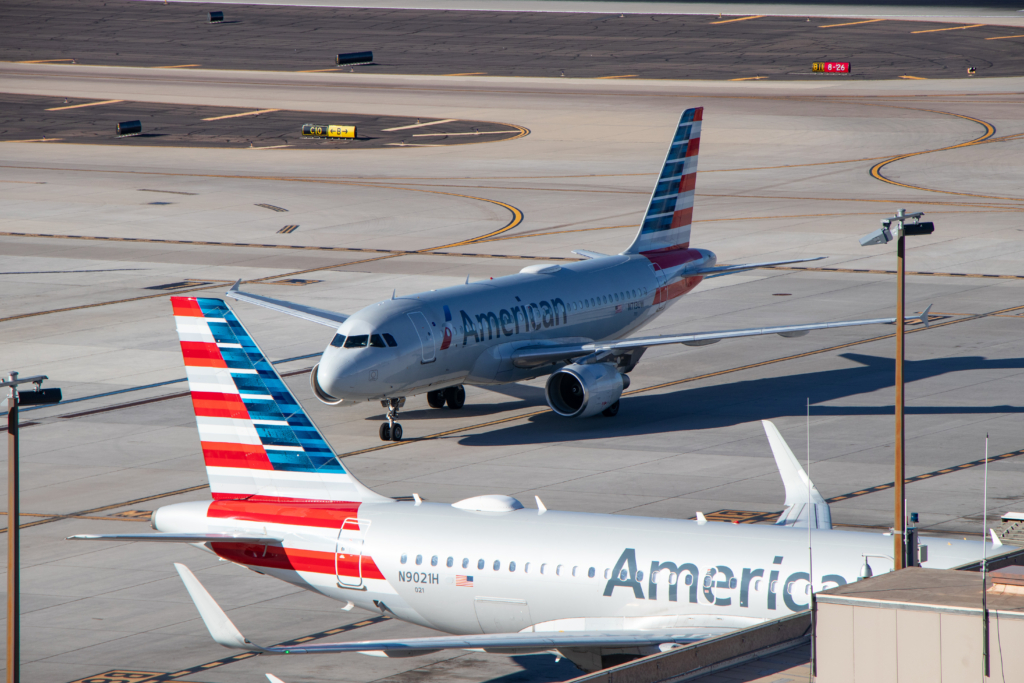
However, it was then that the disagreement became more heated. The American captain reportedly pointed out that flight crews do not carry Air Traffic Control’s separation manuals in the cockpit and questioned whether the spacing was appropriate for a 757 in calm-wind conditions.
The controller responded that there was no applicable wake-turbulence separation requirement for the situation. The pilot then told the controller, in essence, to allow the crew to fly the aircraft while ATC did its job.
The controller subsequently warned of a possible pilot deviation and provided a telephone number to call – an indication that the conversation needed to be continued offline. The American Airlines flight subsequently departed without further incident.
The important point is that this was not necessarily a case of one person simply being right and the other wrong. It involved two different responsibilities: ATC’s job is to apply prescribed separation standards and manage traffic, while the pilot-in-command retains responsibility for the safe operation of the aircraft.
Why is the Boeing 757 so notorious for wake turbulence?
Wake turbulence is not unique to the 757. Every aircraft producing lift generates a pair of counter-rotating vortices that trail behind its wings.
The vortices are created because higher-pressure air beneath the wing attempts to move toward the lower-pressure region above it, producing rotating air masses near the wingtips.
The danger is that a following aircraft can encounter those vortices and experience a sudden rolling moment. In severe cases, the disturbance can exceed the ability of the following aircraft’s controls to counteract it.
The FAA warns that encounters can range from light turbulence to a total loss of control or, in extreme circumstances, an in-flight breakup.
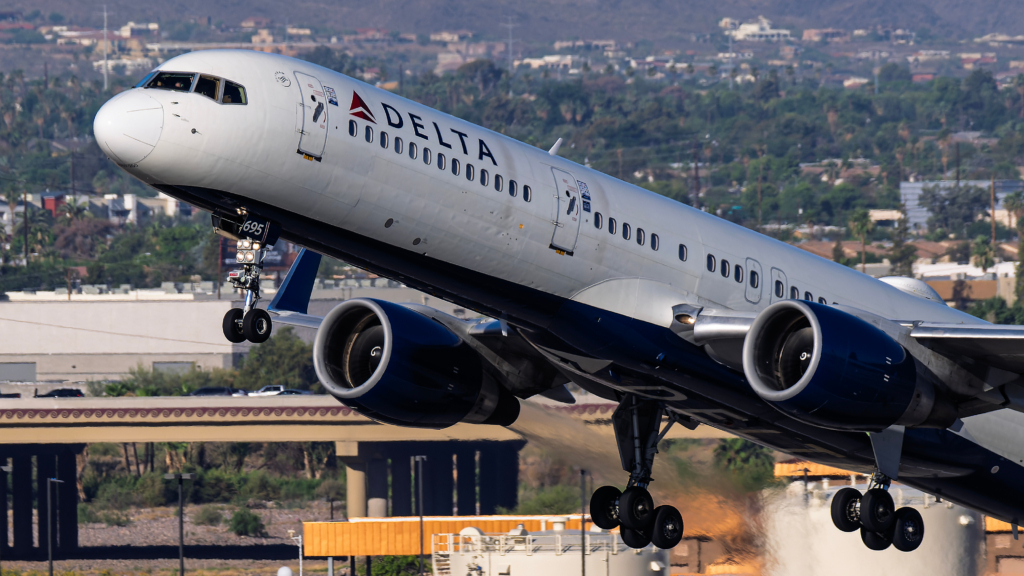
The 757 gained its particular reputation because its combination of weight, relatively narrow wings and high-lift characteristics can produce surprisingly strong vortices for an aircraft of its physical size.
That characteristic caught the aviation community’s attention particularly strongly in the early 1990s. Following a series of accidents and incidents involving aircraft behind 757s, the FAA issued a December 1993 advisory specifically warning pilots about possible wake turbulence encounters behind the type.
The FAA document cited four accidents or incidents in the preceding year and said that wake turbulence from the 757 might have contributed to one or more of them. Contemporary reporting subsequently highlighted concerns within the FAA about the 757’s unusually powerful wake.
That history is a major reason that Boeing 757 wake concerns carry more weight among pilots than the casual phrase “jet turbulence” might suggest.
Calm air can actually make the situation more concerning
One interesting detail in the Atlanta exchange was the reference to calm winds. Atmospheric conditions influence how quickly wake vortices move and dissipate. Wind and atmospheric mixing can help transport and break them up, whereas relatively stable air can allow vortices to persist.
That does not mean that a 757’s wake automatically becomes dangerous whenever the wind is calm. Wake behaviour depends on numerous factors, including aircraft weight, configuration, speed, altitude and atmospheric conditions.
Nevertheless, pilots are specifically trained to consider the position and movement of wake vortices rather than assuming that a particular amount of distance automatically makes an encounter harmless. The FAA advises pilots to visualise where wake vortices are likely to be and to adjust their flight path or delay an operation when necessary.
FAA procedures establish minimum separation requirements for different combinations of aircraft. The rules specifically recognise the Boeing 757 as a significant wake-turbulence generator, with special provisions applying to aircraft following it.
Additionally, current FAA guidance includes specific separation intervals and cautions concerning departures behind a Boeing 757.
But those are minimum procedural standards, not a guarantee that every pilot will consider the resulting situation ideal.
The FAA’s guidance also explicitly recognises that pilots may request additional separation for wake-turbulence avoidance. More fundamentally, the pilot-in-command remains the final authority for the operation of the aircraft.
That distinction helps explain the Atlanta dispute. A controller can reasonably believe that the required separation has been met, while a pilot can nevertheless decide that additional spacing is prudent under the circumstances.
Whatever view is taken of the exchange, the incident highlights a longstanding reality of airline operations: wake turbulence remains a matter of both procedure and judgement. The Boeing 757’s wake has been the subject of decades of research, operational experience and regulatory attention, and it continues to influence how pilots and controllers manage separation today.
Sign up for our newsletter and get our latest content in your inbox.


More from


September 12, 20264 min read


