


What is SAF and why does it matter to aviation?

4 min read
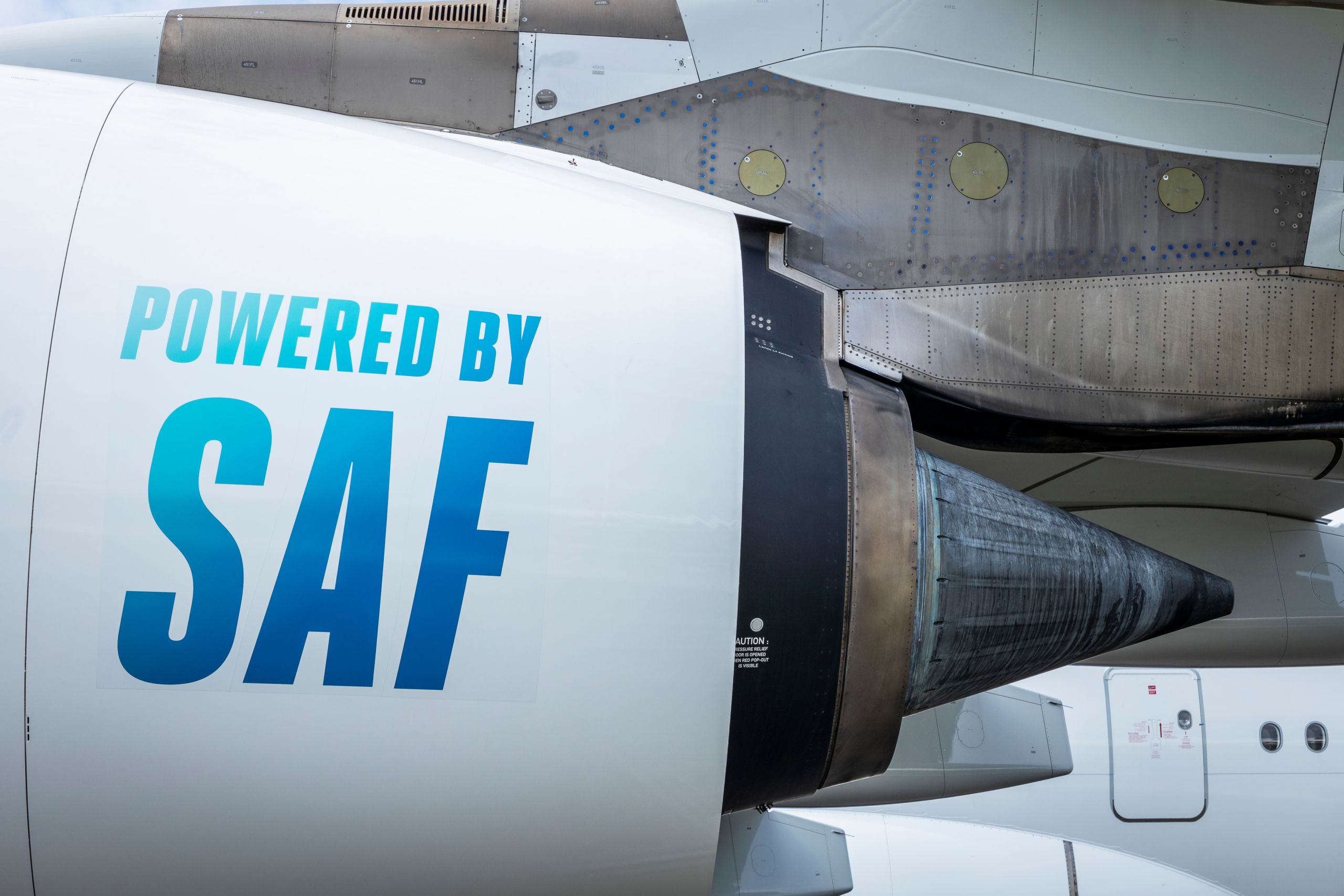
If aviation is going to cut its carbon emissions, it needs a way to keep aircraft flying without relying so heavily on fossil fuels. Sustainable aviation fuel, or SAF, is offering an interesting solution.
SAF is basically a jet fuel that can be made from renewable or waste materials instead of crude oil. And what’s great is that it can already be used in aircraft currently flying.
That makes SAF one of the most practical tools the aviation industry has for reducing its emissions in the short term. But there are still some big questions around how much can be produced, what it will cost and where the raw materials will come from.
What is sustainable aviation fuel?
SAF is a broad term for jet fuel made from non-fossil sources. Depending on the production method, those sources can include used cooking oil, animal fats, agricultural waste and other forms of biomass.
There are also newer technologies that can produce synthetic aviation fuel using renewable electricity, hydrogen and captured carbon dioxide.
SAF still produces CO₂ when it is burned in an aircraft engine. The difference is that the carbon used to make the fuel can come from sources that are already part of the carbon cycle, rather than from fossil carbon extracted from underground.
That can significantly reduce emissions across the fuel’s lifecycle, although the exact savings depend on how the SAF is produced.
How is SAF made?
There is no single recipe for making SAF. However, one of the most established methods uses waste oils and fats, which are processed into a fuel that has similar properties to conventional jet fuel.
Other production methods use biomass, waste materials or alcohols as their starting point.
Another area attracting attention is synthetic fuel, sometimes called e-SAF or power-to-liquid fuel. This approach can combine renewable hydrogen with carbon captured from the atmosphere or industrial processes.
The technology matters because not all SAF has the same environmental footprint. The source of the feedstock, the energy used during production and the way the fuel is transported all affect its overall emissions.
How are airlines using SAF at the moment?
SAF is designed to work with today’s aircraft and engines, so airlines don’t need to replace their fleets. It can also use much of the existing airport fuel infrastructure.
At present, SAF is generally blended with conventional jet fuel before being supplied to aircraft. The aviation industry is also working towards the wider use of fuels that can eventually be used without blending.
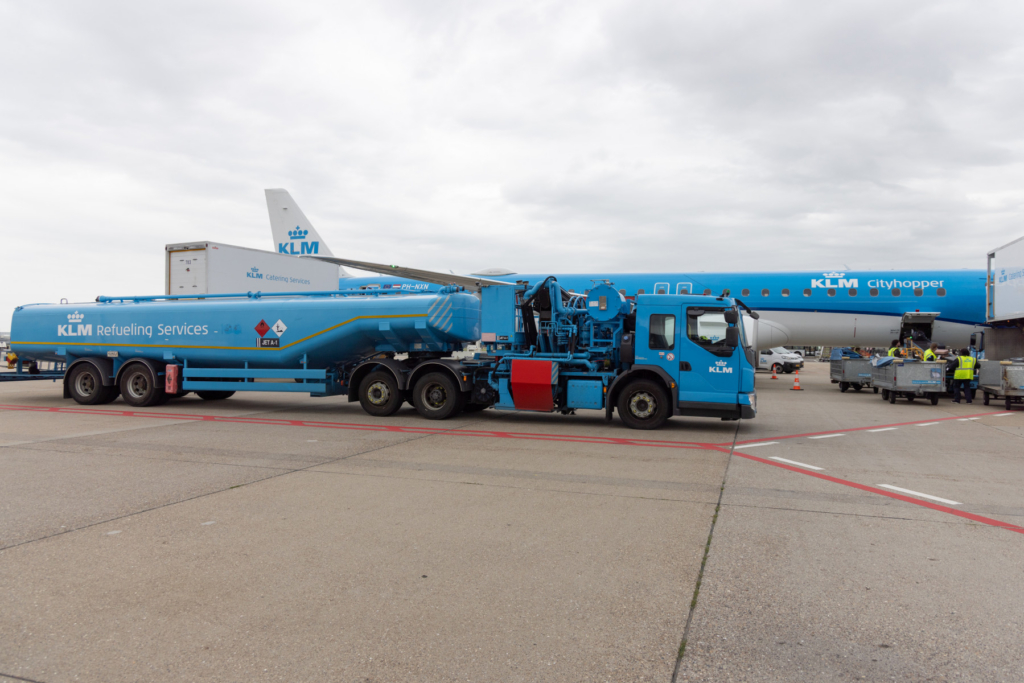
Airlines are already operating commercial passenger aircraft using SAF, so this is not simply a technology waiting in a laboratory. The challenge is making it available on a much larger scale.
Why does SAF matter to aviation?
Some parts of aviation are particularly difficult to decarbonise. For example, a long-haul aircraft needs to carry a huge amount of energy without adding excessive weight.
Current battery technology is not practical for most long-distance commercial aircraft, while hydrogen would require major changes to aircraft design and airport infrastructure. But SAF can fit into the system that already exists.
That does not mean it is the industry’s only answer. More efficient aircraft, improved operations, new propulsion technologies and better air traffic management will all still contribute to cutting emissions. SAF is simply one of the options that can make a difference right now.
What is holding SAF back?
The biggest problem is supply. Global SAF production remains tiny compared with the amount of conventional jet fuel used by the world’s airlines. Scaling up will require billions of dollars of investment, new production facilities and dependable supplies of suitable feedstocks.
Then there is the price. SAF generally costs more than conventional jet fuel, with the UK Ministry of Defence estimating conventional aviation fuel costing about $0.48 per litre, compared with $1.50 per litre for SAF. This is a massive challenge for airlines already operating in a highly competitive industry.
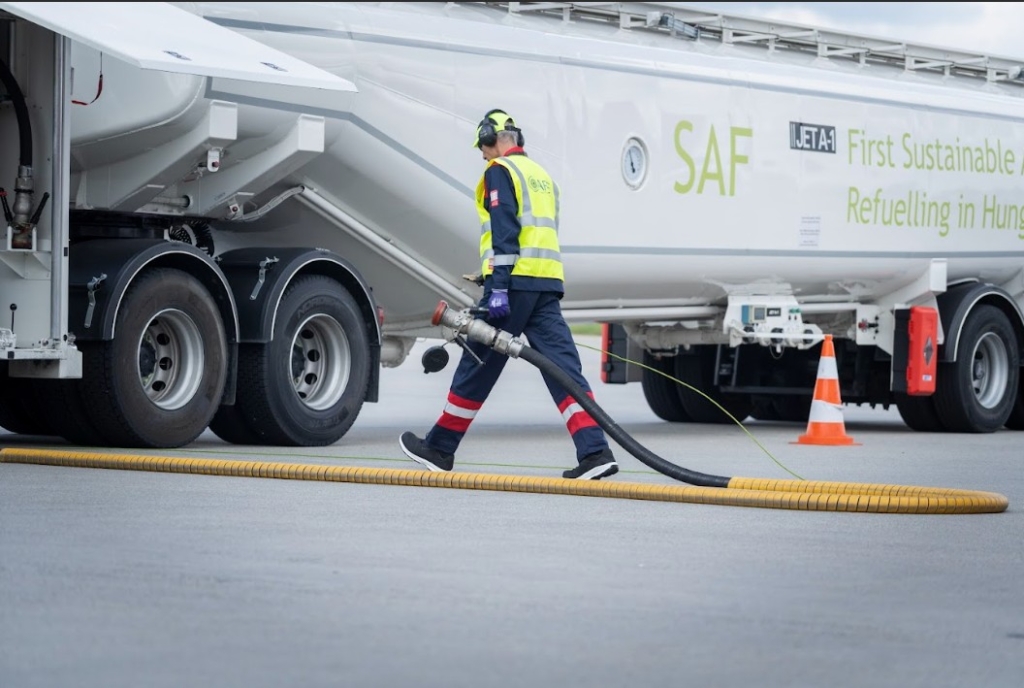
Governments are therefore playing an important role through mandates, incentives and other policies designed to encourage production and investment. In Europe, for example, the EU’s ReFuelEU Aviation rules require fuel suppliers to gradually increase the amount of SAF supplied at EU airports, starting at 2% in 2025 and rising to 70% by 2050. It’s a massive area of R&D.
What is the future of SAF?
SAF is not going to make aviation carbon-free. It is also unfortunately not a single solution to the industry’s climate challenge.
But it does offer a way to start cutting the carbon intensity of aviation without waiting for a completely new generation of aircraft. This is something few other technologies can provide.
The next step is to get it scaled up. If producers, airlines and governments can build a reliable supply of SAF while keeping its lifecycle emissions genuinely low, it could become a major part of aviation’s future.
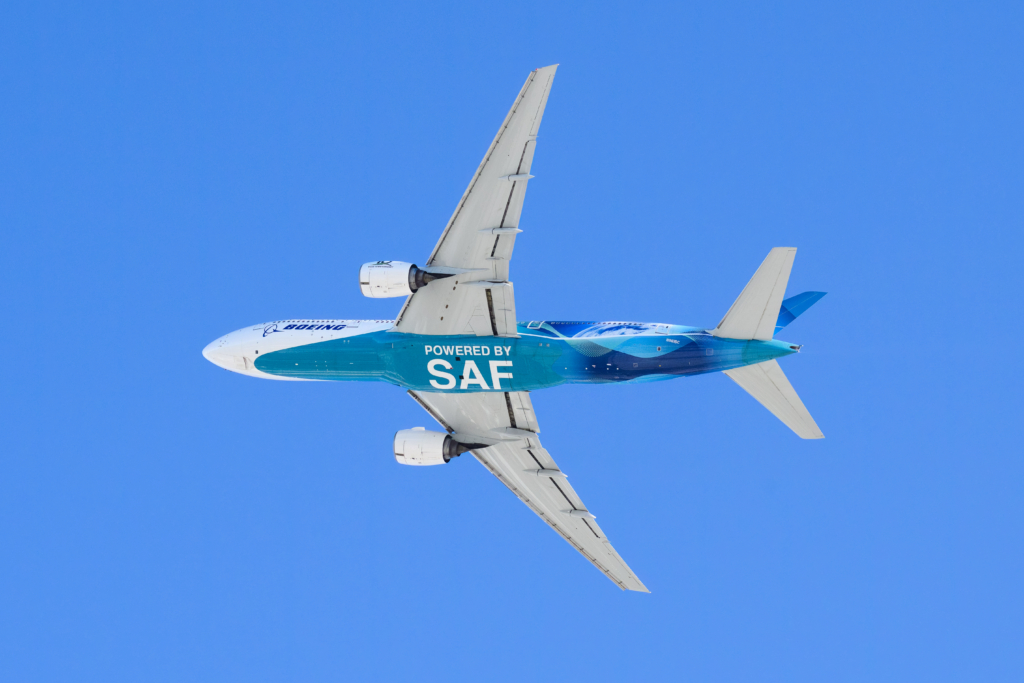
Aviation cannot wait decades for the next generation of aircraft to solve its emissions problem. SAF gives the industry a way to start cutting carbon today, using the aircraft it already has. That makes it a very important area for growth and development.
Sign up for our newsletter and get our latest content in your inbox.


More from

September 11, 20265 min read

September 12, 20264 min read


