Air New Zealand’s $200m loss lays bare cost of fuel and engine problems

5 min read
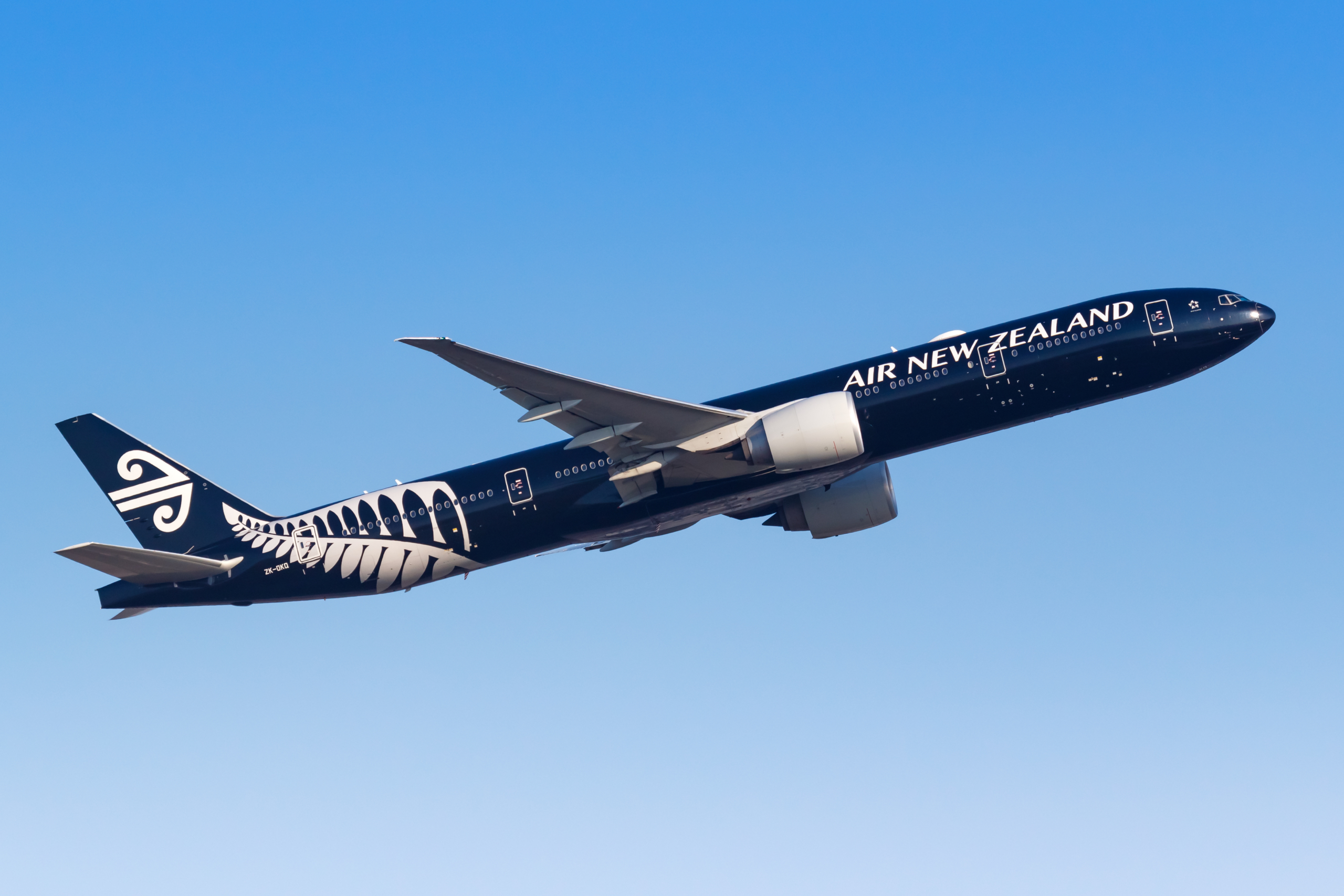
Air New Zealand has reported its biggest annual loss in three years, as soaring fuel prices, aircraft engine problems and higher maintenance costs wiped out the benefits of stronger passenger revenue.
The result highlights the difficult operating environment facing the airline and raises questions about how quickly it can return to sustainable profitability.
Air New Zealand heads into a loss-making position in 2026
For the year ended June 30, Air New Zealand recorded a pre-tax loss of NZ$336 million ($199.9 m). This compares with a pre-tax profit of NZ$164 million ($97.6 m) in the previous year.
Its net loss after tax was NZ$242 million ($144.0 m), compared with a restated net profit of NZ$108 million ($64.3 m) a year earlier.
The result was nevertheless slightly better than analysts had expected. More importantly, the loss was not caused by a collapse in demand for air travel.
Air New Zealand’s total revenue actually increased to about NZ$7 billion ($4.17 bn), while passenger revenue rose to NZ$6.1 billion ($3.63 bn).
The issue for the carrier was that the cost of operating the airline increased much faster than its ability to generate profit.
High fuel prices deliver a major blow to Air New Zealand
One of the biggest issues for the airline during the financial year was the sharp increase in jet fuel prices. The conflict in the Middle East, which started at the end of February, sent global energy prices higher, creating a significant unexpected expense for airlines.
Air New Zealand estimates that the conflict increased its fuel costs by NZ$328 million ($195.2 m) compared with what it had expected for the second half of the financial year.
After taking account of fuel hedging, the additional cost was around NZ$205 million ($122 m). The airline responded by adjusting fares and reducing capacity, which helped offset some of the impact, but it still estimates that higher fuel prices reduced its pre-tax result by about NZ$135 million ($80.3 m).
Fuel is particularly important to airlines because it represents one of their largest operating expenses. When oil prices rise sharply, carriers can attempt to increase ticket prices, but doing so too aggressively risks weakening demand.
This leaves airlines caught between higher costs and customers who may be unwilling or unable to absorb the entire increase.
Engine reliability continues to hurt the carrier
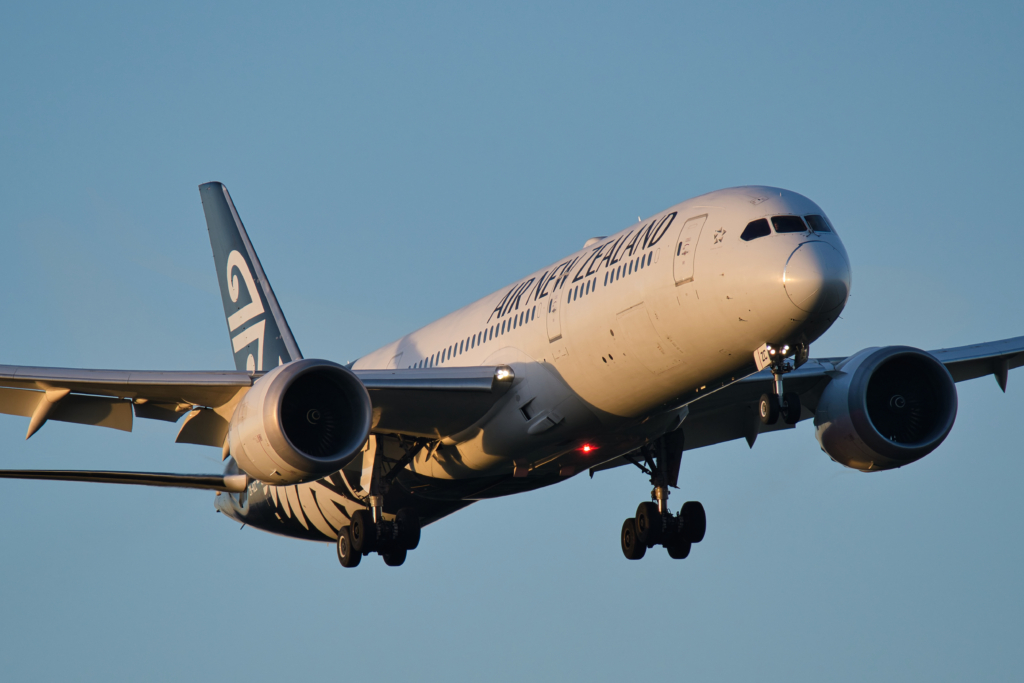
The second major issue has been aircraft availability. Air New Zealand has been dealing with widespread engine problems for several years, including issues involving Pratt & Whitney Geared Turbofan (GTF) engines used on its narrowbody Airbus A321neo fleet and Rolls-Royce Trent 1000 engines used on its long-haul Boeing 787 aircraft.
These problems have left aircraft unavailable for service and forced the airline to rely on alternative arrangements, including wet-lease arrangements, service reductions and schedule cuts.
The airline estimates that engine availability issues cost it approximately NZ$190 million ($80.3 m) during the latest financial year.
The impact came from lost capacity, additional leasing and engine expenses, lower aircraft utilisation and operational inefficiencies.
The situation is, however, beginning to improve. Air New Zealand says more aircraft are returning to service, and it expects fleet reliability to improve as the year progresses.
That could be crucial because having more aircraft available means the airline can sell more seats without relying as heavily on expensive replacement capacity.
Rising maintenance costs added to the pressure
Fuel and engines were not the only problems faced by the carrier in the last 12 months. Air New Zealand also experienced a particularly expensive year for aircraft maintenance.
Maintenance costs increased by around NZ$139 million ($82.7 m) compared with 2025, excluding foreign exchange effects.
The increase was driven by lifecycle maintenance as aircraft reached stages where major servicing was required, alongside additional maintenance expenses associated with leased engines.
The airline expects between NZ$50 million ($29.8 m) and NZ$100 million ($59.5 m) of this increase to unwind during 2027.
This is significant because some of the pressure on the latest results may be temporary. If engine availability improves and some maintenance expenses fall back, Air New Zealand could see a meaningful improvement in profitability even without a dramatic increase in passenger numbers.
Where do these results leave Air New Zealand?
The latest result does not necessarily mean Air New Zealand is in financial crisis. Instead, it shows how vulnerable an airline can be when several external pressures arrive at the same time.
The encouraging sign is that passenger revenue remains relatively strong and the airline is gradually resolving its engine problems. Air New Zealand is also bringing new aircraft into its fleet.
The company expects its new GE-powered Boeing 787-10s to support widebody capacity growth of around 20% to 25% over the next two years, helping it to expand once aircraft availability improves.
However, there are significant risks. Fuel prices remain unpredictable, geopolitical tensions could continue to affect energy markets, and aviation-related costs are rising.
Air New Zealand has therefore not provided earnings guidance for 2027, describing the coming year as one of “transition and recovery.” It also did not declare a final dividend following the loss.
For passengers, the biggest potential consequences could be higher fares or capacity changes if fuel remains expensive.
For investors, the absence of a dividend and uncertain earnings outlook are likely to make the stock more dependent on evidence that the airline’s operational problems are genuinely being resolved.
Ultimately, Air New Zealand’s latest loss is less about customers abandoning the airline and more about the enormous cost of running aircraft in a difficult global environment.
If engine availability improves, maintenance costs normalise, and fuel prices become less volatile, the airline believes it has a route back to profitability.
But until those pressures ease, Air New Zealand is likely to remain focused on controlling costs, improving aircraft reliability, and protecting its cash position rather than pursuing aggressive expansion, at least in the near term.