


Jakarta airport closures: What passengers need to know as Anak Krakatau ash grounds flights

6 min read
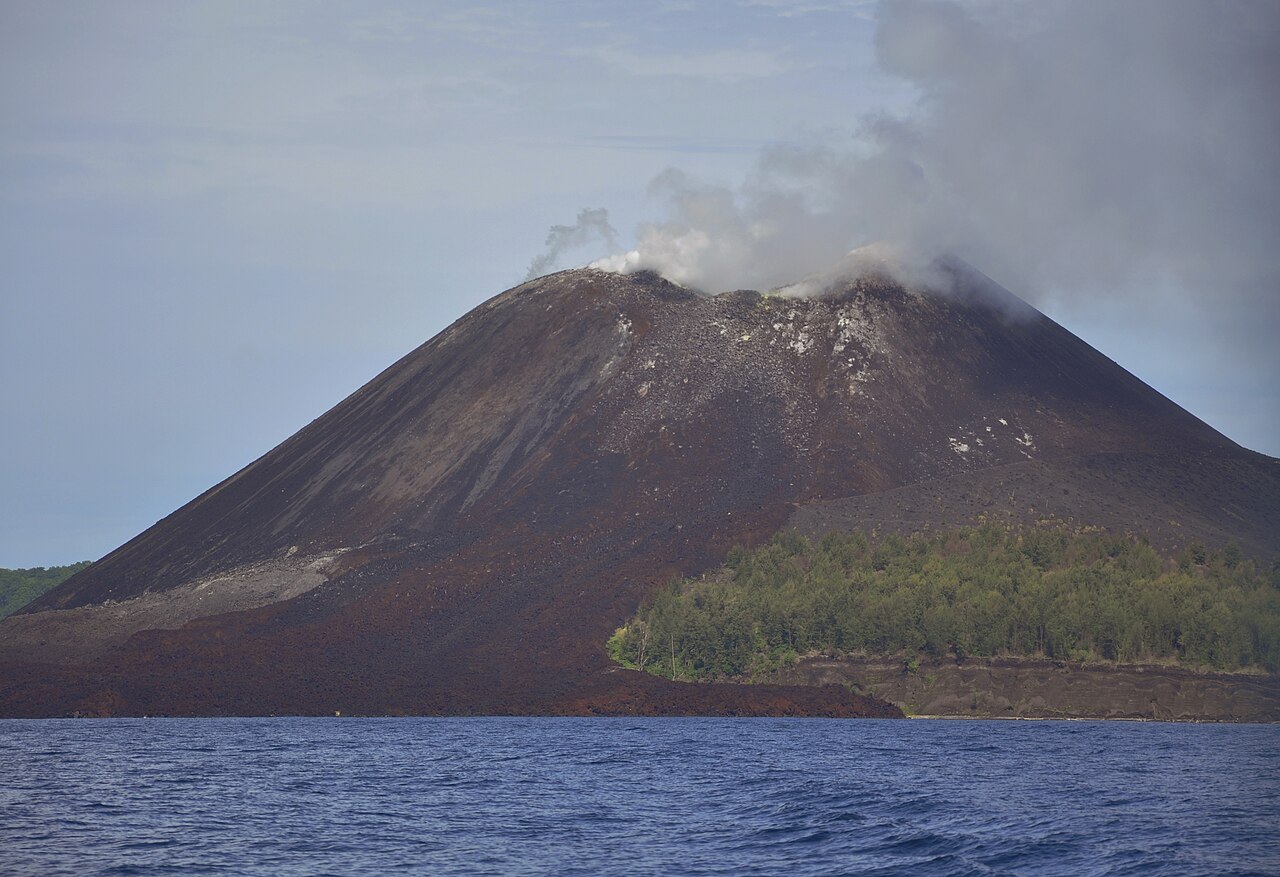
Seven Indonesian airports, including Jakarta’s two main gateways, remained closed on Monday as volcanic ash from Anak Krakatau continued to make flying unsafe, disrupting around 2,300 flights and more than 270,000 passengers.
Soekarno-Hatta International Airport (CGK), Jakarta’s main international gateway, and Halim Perdanakusuma Airport (HLP) are among those closed until at least 18:00 local time on Monday, 7 September.
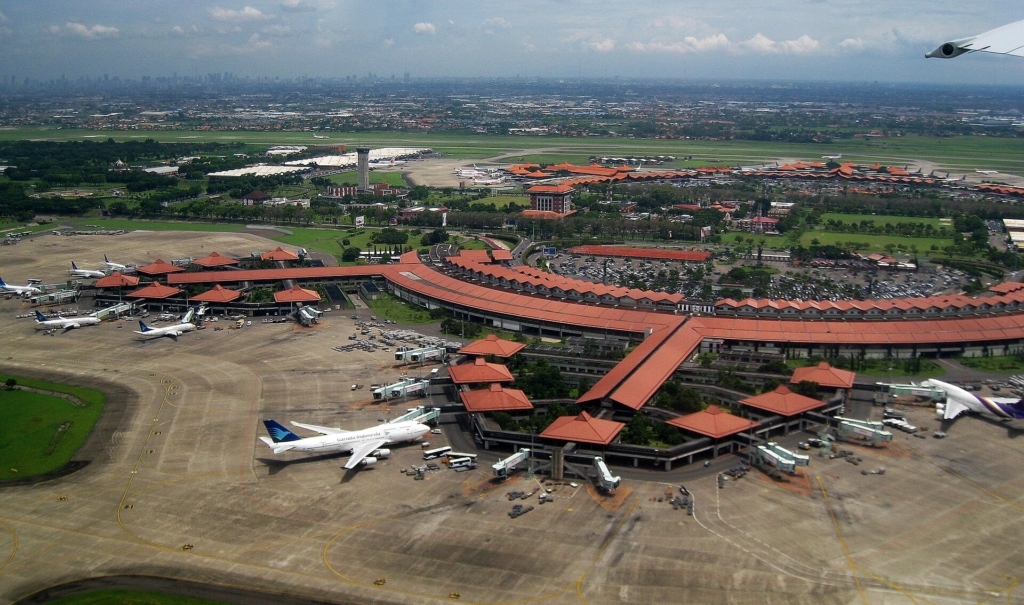
Indonesia’s Transport Ministry said Radin Inten II in Lampung, Budiarto in Banten, Pondok Cabe in South Tangerang, Muhammad Taufiq Kiemas in Lampung and Husein Sastranegara in West Java also remained closed. Atung Bungsu Airport in South Sumatra, which had previously been shut, reopened at 09:00 on Monday.
The closures followed eruptions from Anak Krakatau, in the Sunda Strait between Java and Sumatra, which sent ash into airspace used by commercial aircraft.
The continuous eruption eased on Sunday after around 25 hours, but intermittent eruptions and ash emissions continued on Monday. Indonesia’s Geological Agency warned that further eruptions remain likely.
Ash reaches commercial aircraft cruising altitudes
Indonesia’s meteorological agency was still detecting volcanic ash at two levels on Monday morning, reaching approximately 15,000ft and 50,000ft. That puts part of the plume directly into the altitude range used by commercial airliners.
Transport Minister Dudy Purwagandhi said winds at different atmospheric levels were carrying ash in different directions, allowing contamination to persist around airports near Anak Krakatau.
“We cannot ascertain when this will end due to the dynamic weather,” Purwagandhi said, as reported by Reuters.
The Transport Ministry said around 2,300 flights and 270,337 passengers had been affected since 5 September through cancellations, delays and diversions.
Why volcanic ash can shut down an airport
Volcanic ash is made up of tiny particles of pulverised rock, minerals and volcanic glass, generally less than 2mm across.
As AGN previously explained in its guide to why aircraft cannot safely fly through volcanic ash, those particles are hard, abrasive and often jagged. They can damage windscreens, leading edges and other exposed aircraft surfaces at high speed.
The greatest concern is what happens when ash enters a jet engine.
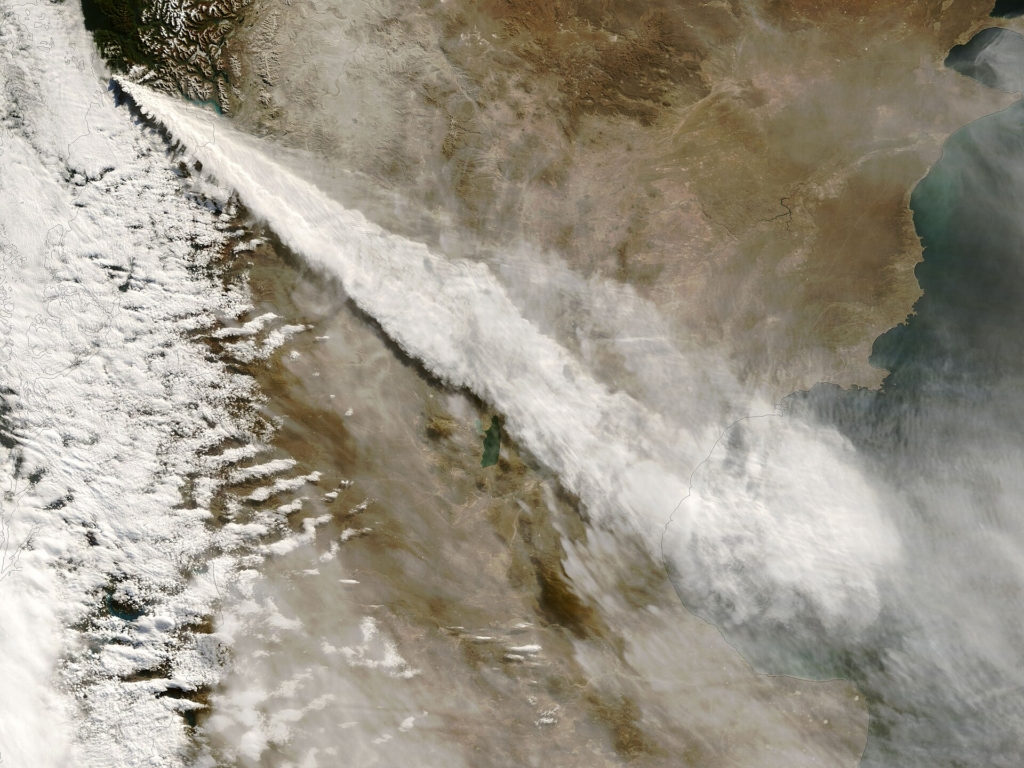
Jet engines ingest enormous quantities of air and operate at extremely high temperatures. Ash entering the engine can melt in the combustion section before solidifying again on cooler turbine components. Deposits can interfere with airflow, damage components, and potentially lead to compressor surges or loss of engine power.
Ash can also obstruct cooling and ventilation passages, contaminate aircraft systems and interfere with sensors used to determine information such as airspeed and altitude.
The danger is compounded because volcanic ash can be difficult for crews to detect. Unlike precipitation, it cannot reliably be identified and avoided using conventional airborne weather radar.
A Boeing 747 once lost all four engines near Jakarta due to volcanic ash
One of aviation’s most famous volcanic-ash encounters occurred near the area now affected by Anak Krakatau.
In June 1982, British Airways Flight 9 flew into an ash cloud from Indonesia’s Mount Galunggung while travelling from London to Auckland. The Boeing 747 lost power in all four engines at around 37,000ft. As the aircraft descended from the ash cloud, the crew eventually restarted the engines and landed safely in Jakarta.
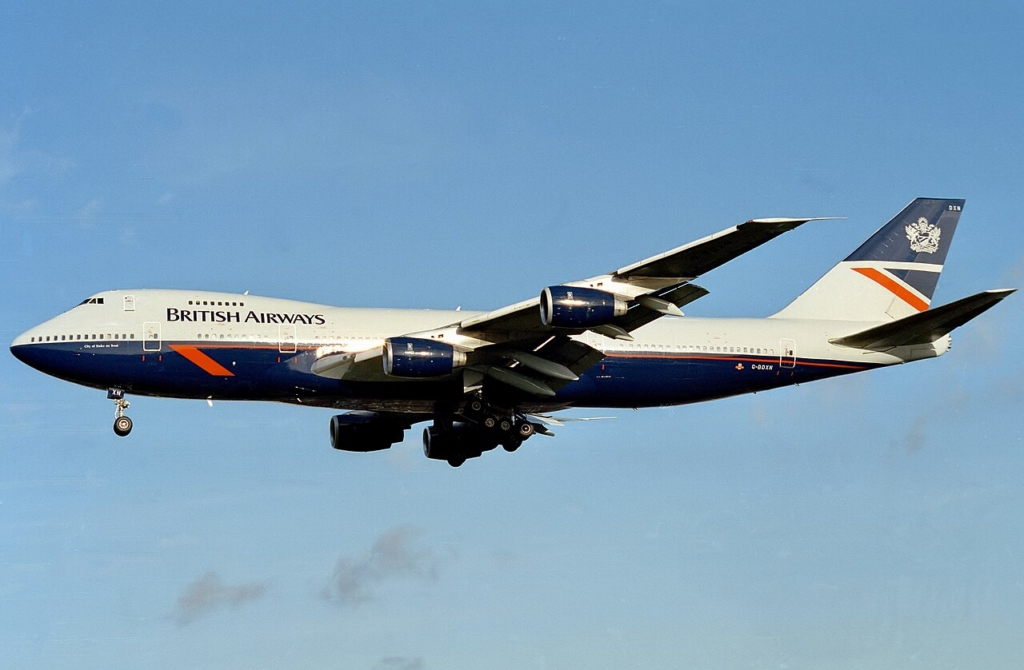
Weeks later, another Boeing 747 operated by Singapore Airlines encountered volcanic ash in the region and suffered failures of two engines before returning safely to Jakarta.
Those incidents demonstrated that a volcanic cloud that may appear relatively harmless can create a genuine threat to an aircraft.
There has never been a commercial airline crash directly attributed to volcanic ash ingestion, but aircraft have suffered engine failures and sustained extensive damage following encounters with volcanic ash.
How airlines know where volcanic ash is
Volcanic ash avoidance has become more sophisticated since those early incidents.
The International Civil Aviation Organisation (ICAO) established the International Airways Volcano Watch in 1987, creating a globally coordinated system for detecting eruptions, forecasting ash movement and issuing warnings to aviation.
Nine Volcanic Ash Advisory Centres (VAACs) now share responsibility for monitoring volcanic ash worldwide.
Forecasting is also becoming more precise. As AGN reported in its analysis of new Met Office volcanic ash forecasting technology, the industry is increasingly moving beyond simply identifying whether ash is present towards estimating its concentration at different altitudes.
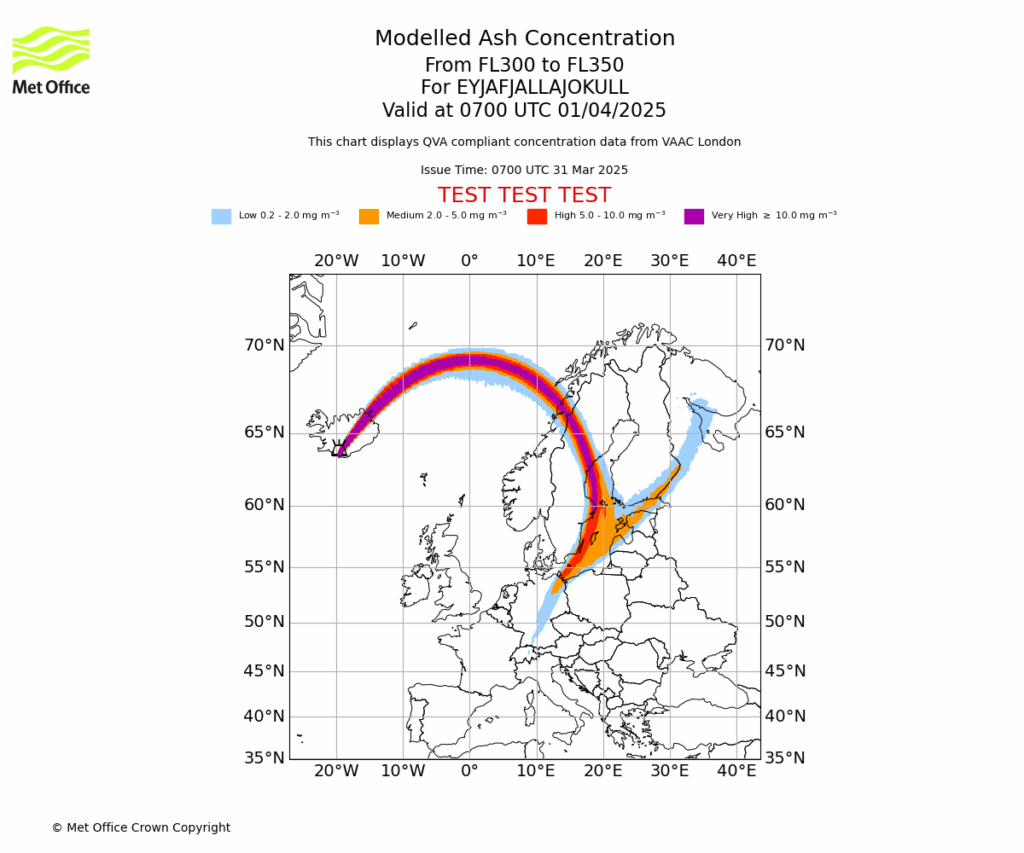
The UK’s Met Office, which operates the London VAAC, is among the first centres to adopt new Quantitative Volcanic Ash (QVA) forecasts. Produced with VAAC Toulouse, they provide ash-concentration information across 12 atmospheric layers up to around 60,000ft.
The Met Office estimates that if an eruption comparable to Iceland’s Eyjafjallajökull occurred today, the improved forecasting capability could halve the disruption experienced during the 2010 crisis. That eruption grounded around 100,000 flights and stranded approximately 10 million passengers.
The forecasts also estimate the likelihood that ash will exceed particular concentration thresholds. Improvements in aircraft and engine certification mean some operations can now continue through defined low-ash environments rather than requiring the closure of enormous areas of airspace whenever ash is present.
6 alternative airports prepared for Jakarta passengers
Reopening an airport requires more than waiting for the ash cloud to move. Once conditions permit, authorities must inspect and potentially clean runways, taxiways and aprons before aircraft movements resume. Ash deposited on the ground can be sucked into engines during taxiing and take-off, creating another source of contamination.
Indonesia’s Transport Ministry has identified six alternative airports airlines can operate from to maintain connectivity while Jakarta and other airports remain closed.
They include Juanda in Surabaya, Adi Soemarmo in Solo, Yogyakarta International, Adisutjipto in Yogyakarta, Jenderal Ahmad Yani in Semarang and Kertajati in West Java.
Airlines are being encouraged, where operationally possible, to use alternatives to reduce the number of passengers gathering at closed airports.
What passengers flying through Jakarta should do
Passengers booked to travel through Jakarta or another affected Indonesian airport should check their flight directly with the operating airline before travelling to the airport. Indonesia’s Transport Ministry has specifically asked passengers to confirm their flight status because airport conditions can change quickly as the wind carries ash.
Travellers should also be prepared for disruption after airports officially reopen. Airlines may have aircraft and crews stranded in the wrong locations, while inspections and cleaning can delay the return to normal operations.
Passengers with connecting flights should check each sector of their journey separately. Those whose flights are cancelled or substantially delayed should contact their airline about rebooking, refunds and possible rerouting through one of the alternative airports.
Even after the eruption subsides, further closures remain possible. Volcanic ash can remain suspended and travel long distances. Changes in wind direction can cause contaminated air to move back over an airport.
For Jakarta passengers, schedules could remain unstable until both Anak Krakatau’s activity and the movement of its ash plume have diminished.


