These four aircraft could replace the RAF Hawk and become the Red Arrows’ next jet

5 min read
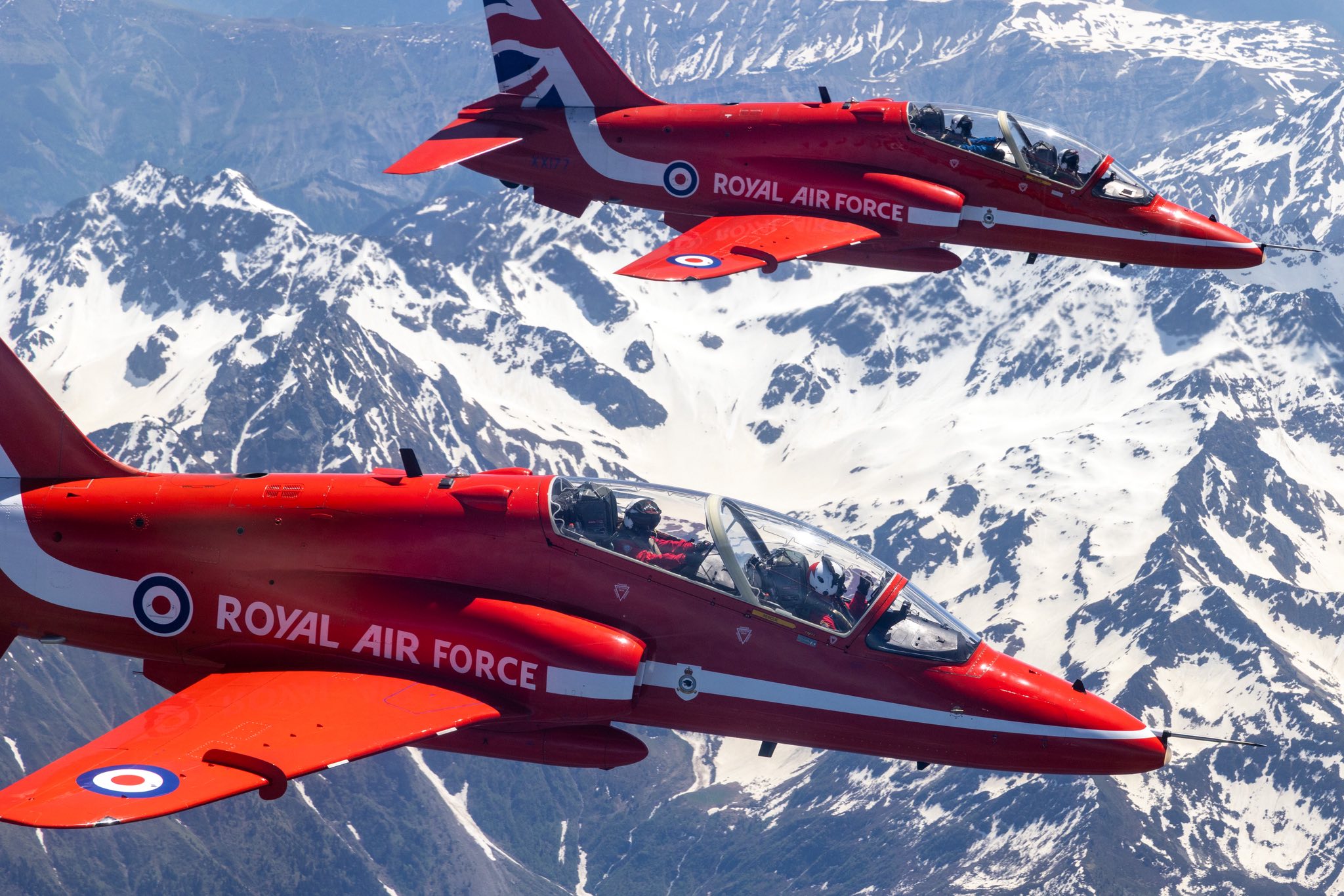
The UK has formally begun its search for a new fast-jet training system, opening a contest that could determine both how future RAF fighter pilots are trained and what the Red Arrows fly after the Hawk T1 retires.
The Ministry of Defence has issued a Request for Information for its future Jet Training System (JTS), asking industry to respond by 11 September 2026. The notice opens market engagement rather than a formal competition, but gives manufacturers their clearest opportunity yet to shape the requirement.
The notice calls for a system capable of preparing pilots for fifth- and sixth-generation aircraft, including the F-35 and the future Tempest developed through the Global Combat Air Programme.
It also envisages replacing the Hawk T1 operated by the Red Arrows and the Hawk T2 used for advanced fast-jet training.
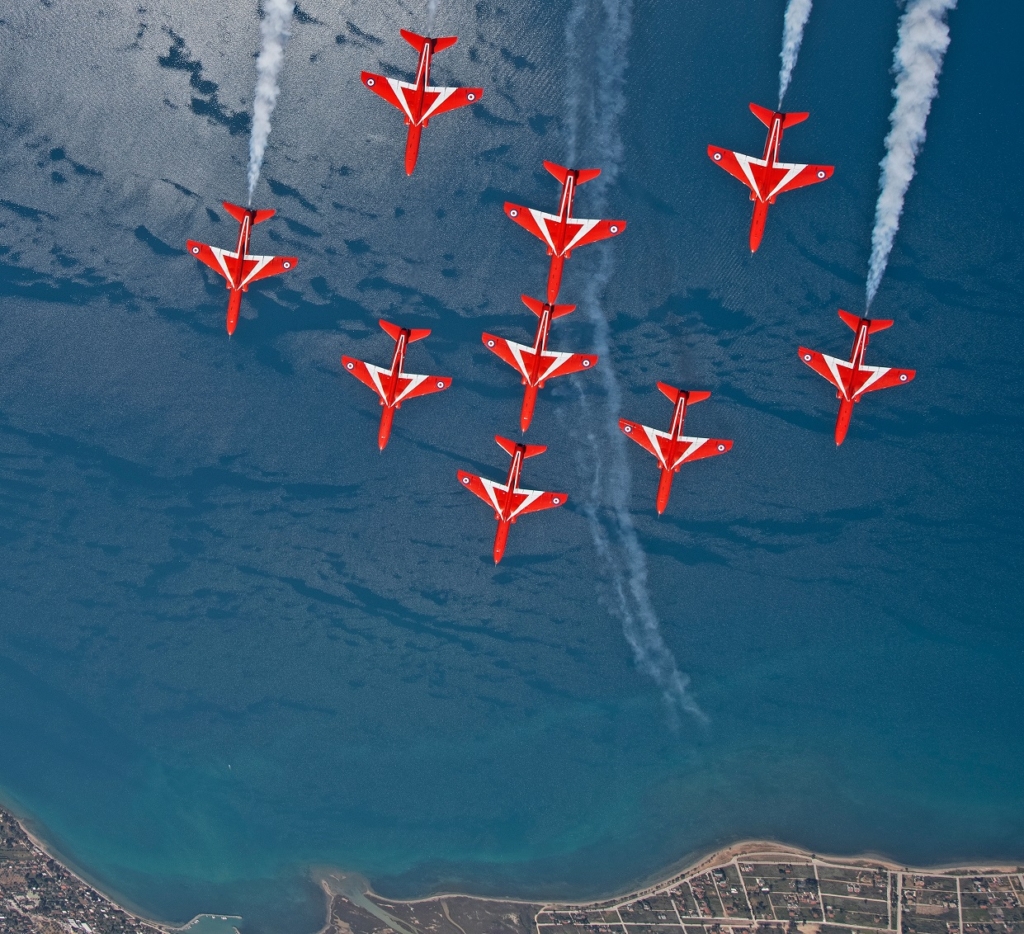
The government’s Defence Investment Plan has committed funding for a replacement for the Red Arrows’ Hawk T1 and says the wider programme will deliver sovereign and international training with “significant UK workshare”.
With the British-designed Aeralis modular trainer no longer in contention following the company’s collapse in May 2026, attention is turning to four existing overseas aircraft.
Boeing-Saab T-7 Red Hawk
The Boeing-Saab T-7 Red Hawk has emerged as one of the most prominent candidates.
Originally developed to replace the US Air Force’s Northrop T-38 Talon, the T-7 was designed specifically to prepare pilots for modern combat aircraft. Its training system combines live flying with simulators and ground-based instruction, while its open architecture is intended to support future upgrades.
In July 2026, BAE Systems, Boeing and Saab formalised their partnership to offer the T-7 system to the UK. The agreement includes a commitment to establish a final assembly and integration facility in Britain if the aircraft is selected.
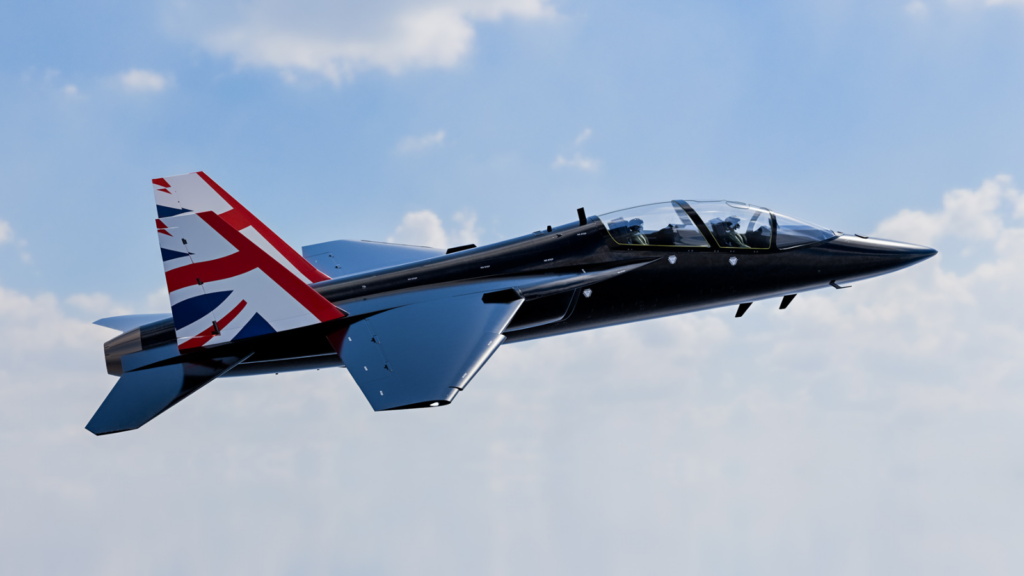
BAE Systems chief executive Charles Woodburn said the proposal represented “a modern, integrated training solution which aligns with the ambition of the Defence Investment Plan, while strengthening the UK’s sovereign industrial capability”.
Its new design, digital training architecture and association with the US Air Force give the T-7 a strong position. However, the programme has experienced delays in the United States, and the UK would need to determine whether the aircraft could meet its timetable and the additional requirements of the Red Arrows.
Leonardo M-346 Master
Leonardo’s M-346 offers a more mature alternative, with the aircraft already operating in several countries.
The twin-engine trainer is in service with the air forces of Italy, Israel, Poland, Singapore, Qatar and Greece. It forms the centrepiece of an integrated training system combining aircraft, simulators and ground-based instruction.
The RAF also has direct experience of the type. British pilots train on M-346 aircraft at the International Flight Training School in Decimomannu, Sardinia, under an agreement intended to increase fast-jet training capacity.
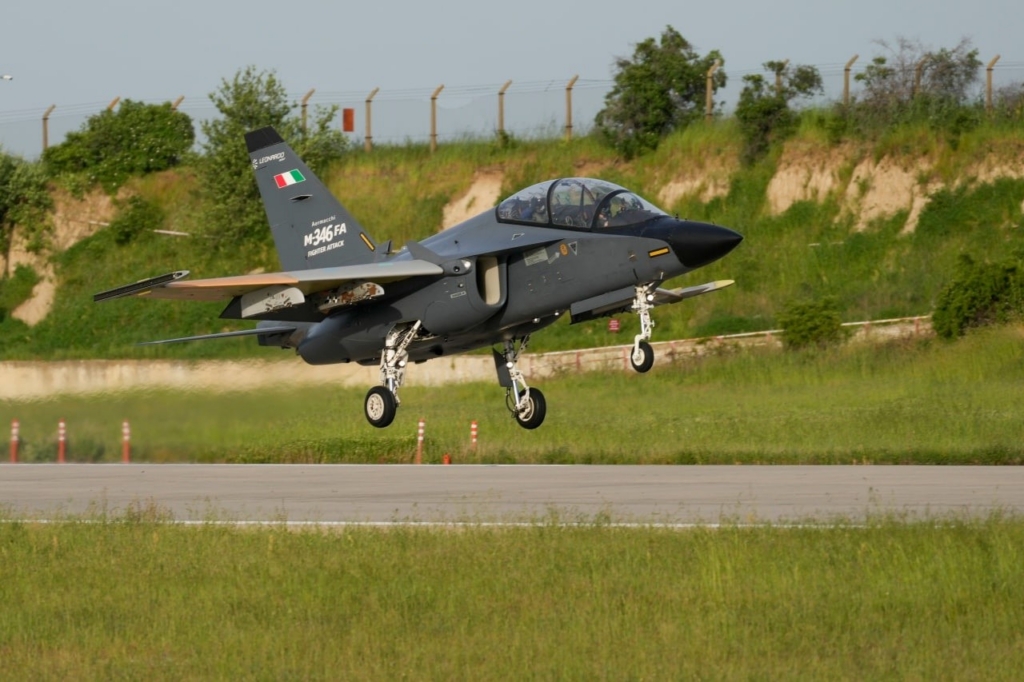
Leonardo has an extensive UK industrial presence and has discussed conducting final assembly of any British M-346 fleet in the UK. The company is also seeking British partners to strengthen its proposal.
The M-346’s maturity could reduce development risk, although it was originally designed overseas and would need to demonstrate how it could satisfy the government’s demand for substantial British involvement.
Lockheed Martin-KAI TF-50
Lockheed Martin and Korea Aerospace Industries are expected to offer a version of the T-50 Golden Eagle family.
The supersonic T-50 was developed by KAI with assistance from Lockheed Martin and entered service with the Republic of Korea Air Force in 2005. Variants are used for advanced training and combat missions, with customers including Indonesia, Iraq, the Philippines, Poland and Thailand.

The proposed TF-50 is an advanced trainer configuration drawing on the wider T-50 and FA-50 family. Its ability to provide both training and light-combat capabilities could make it attractive to countries seeking greater utility from their trainer fleets.
Lockheed Martin and KAI have been searching for a British industrial partner and have indicated that the aircraft could be produced in the UK. However, their UK industrial proposition is less developed publicly than the final assembly commitment already made by the T-7 team.
Turkish Aerospace Hürjet
The newest potential contender is Turkish Aerospace’s Hürjet.
Hürjet is a single-engine, supersonic advanced trainer intended to replace Turkey’s Northrop T-38 trainers and supplement its F-16 training fleet. The aircraft made its first flight in 2023 and is being developed for advanced training, aerobatic display and light-combat missions.
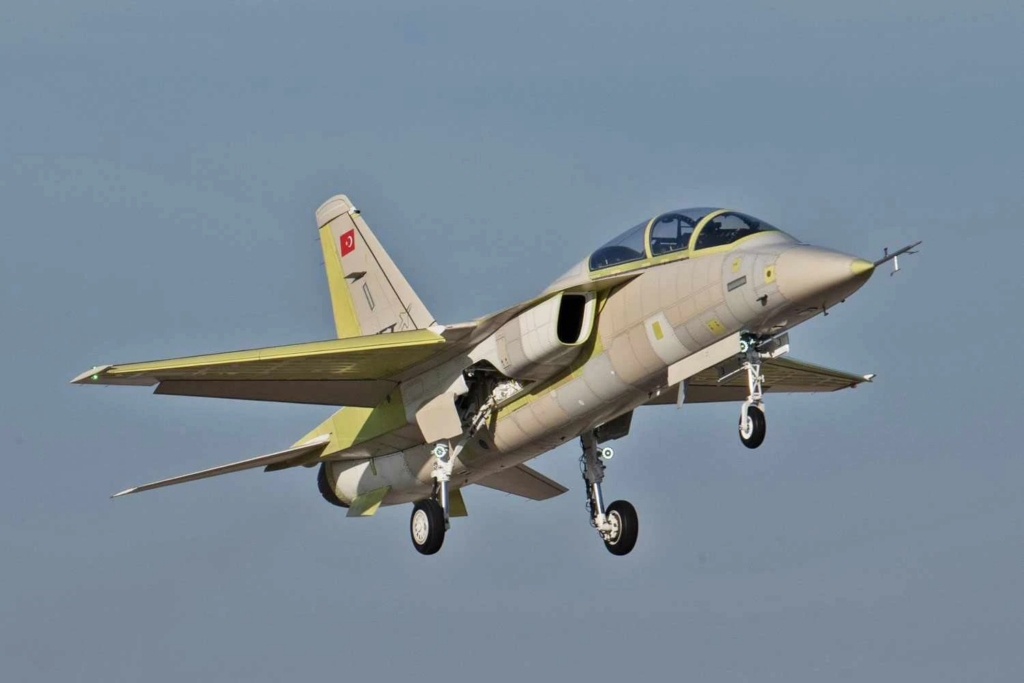
Its performance and aerobatic potential could make it relevant to both parts of the British requirement. Turkey is also expanding production following international interest in the aircraft.
However, Hürjet remains at an earlier stage of development than the M-346 and T-50, while Turkish Aerospace has yet to reveal a detailed UK industrial proposal. That could leave it facing questions over delivery timescales, support arrangements and British workshare.
Request for proposals due by 11th of September
Industry responses are due by 11 September, after which the MoD will use the information to refine its requirement and acquisition strategy.
The RFI does not guarantee that all four manufacturers will enter an eventual competition, nor that one aircraft will necessarily replace both Hawk variants. The MoD could still adopt different solutions for advanced training and the Red Arrows.
For now, however, the T-7, M-346, TF-50 and Hürjet represent the most credible available candidates.
The decision will extend well beyond aircraft performance. The UK must determine how quickly each system can enter service, how effectively it can prepare pilots for the F-35 and Tempest, whether it is suitable for the Red Arrows and how much control Britain would retain over training, upgrades and long-term support.
The Hawk’s successor may not be British-designed, but the contest to determine what follows it is now beginning to take shape.