Can you take a power bank on a plane? Airline rules for lithium batteries explained

9 min read
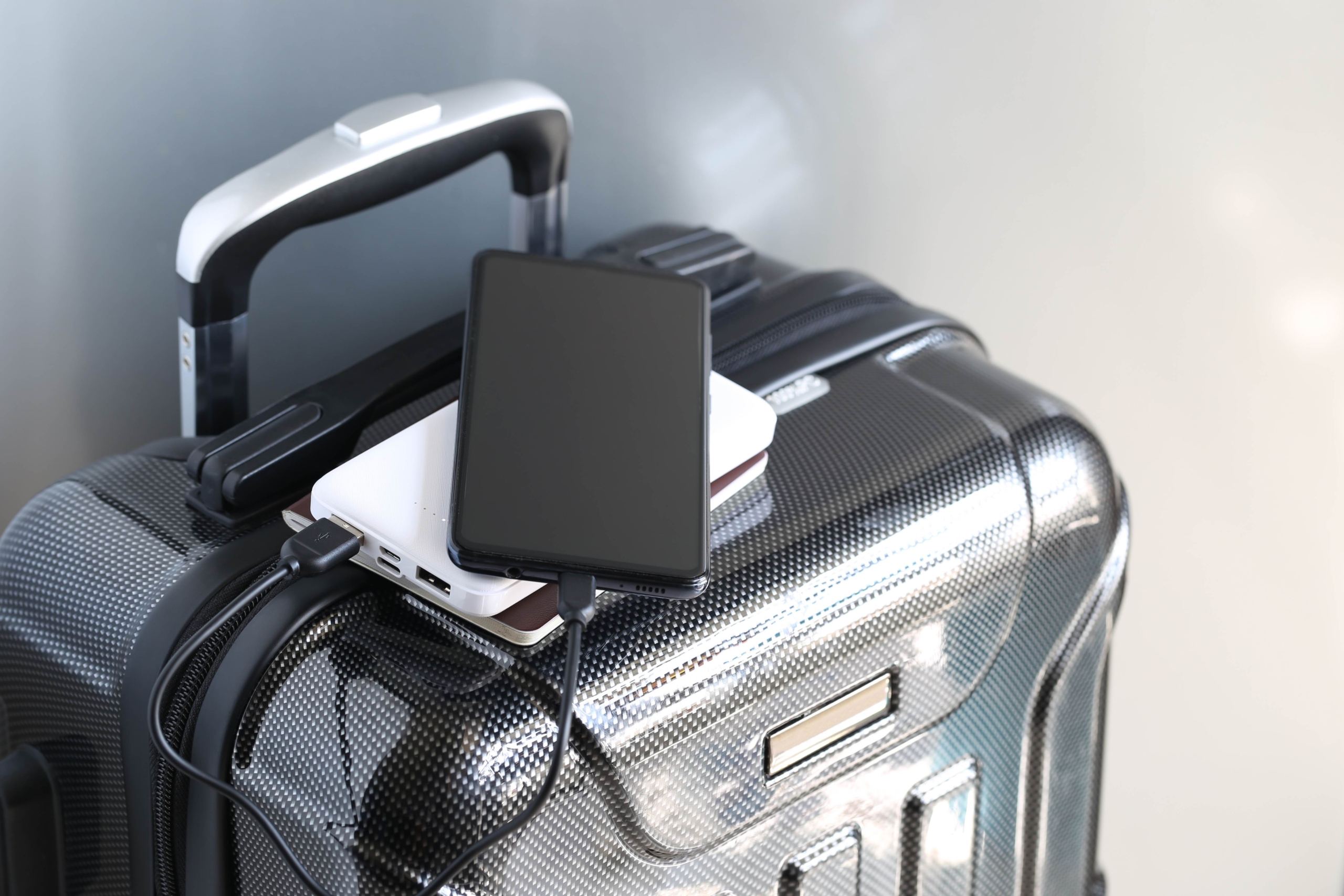
Power banks keep phones, tablets and other devices running through long journeys and airport delays. But flying with power banks is becoming more complicated as concerns over lithium battery fires grow..
Airlines have tightened their rules for portable chargers amid concerns over potentially dangerous lithium battery fires. Some now ban passengers from using power banks during a flight, while others require them to remain within easy reach.
So what does that mean for travellers? Can you take a power bank on a plane? Can it go in checked luggage? How large can your power bank be, and what does the 100Wh actually mean?
Here’s everything you need to know about power banks before flying, including airline rules, lithium battery restrictions and safety requirements.
Can you take a power bank on a plane?
Generally, yes. But you need to be familiar with your airline’s requirements before you pack your bags and head for the airport.
The most important safety rule is that a power bank should travel with you in the aircraft cabin, not in checked baggage.
The International Air Transport Association (IATA) treats power banks as spare batteries. Lithium batteries installed in laptops or phones are part of the device. A power bank is a rechargeable battery pack designed to power another device.
Can power banks go in checked baggage?
IATA’s passenger guidance on travelling with lithium batteries says spare batteries and power banks should never be packed in checked baggage.
The airline association says passengers should protect power bank terminals from potential short circuits with tape, a protective case or a pouch.
Passengers whose cabin bag must be placed in the hold at the gate must remove any lithium batteries and devices before handing the bag to staff.
What size power bank can you take on a plane?
It’s not exactly a matter of battery size, but of power. The key measurement airlines look for is watt-hours (Wh). Watt-hours (Wh) measure the battery’s energy capacity, taking its voltage into account.
Wh is relevant to aviation safety because it provides a measure of the battery’s total energy storage. This helps gauge the potential intensity of any fire resulting from a faulty battery.
What does the 100Wh limit mean?
Under IATA’s passenger battery guidance, lithium-ion batteries of up to 100Wh are generally permitted in carry-on baggage.
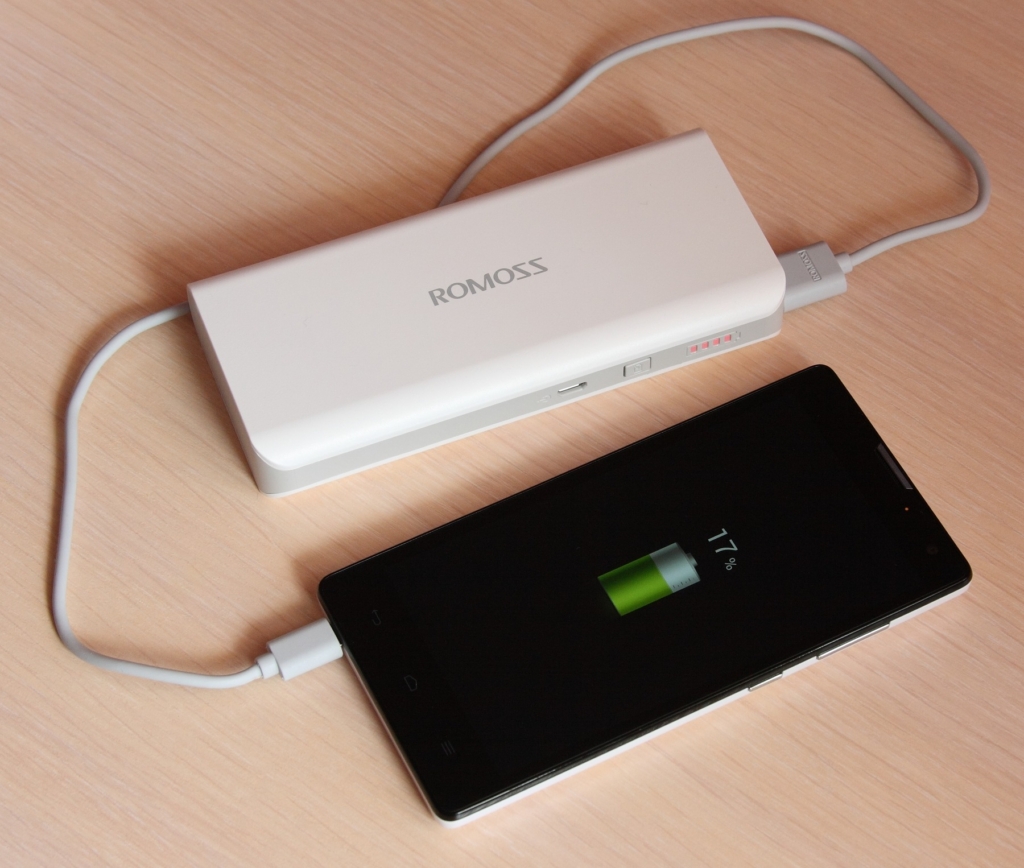
Batteries between 100Wh and 160Wh may be allowed with airline approval. Those above 160Wh are usually prohibited on passenger aircraft.
The US Federal Aviation Administration applies similar limits. Its PackSafe lithium battery guidance states that larger lithium-ion batteries of 101Wh to 160Wh require airline approval, and passengers are limited to two spare batteries in this category.
Airlines can impose stricter limits. A battery that meets the general aviation requirements is not automatically acceptable on every carrier.
Passengers should always check the operating carrier’s rules before they travel.
What’s the difference between Wh and mAh?
Most power banks are marketed using milliamp-hours (mAh). A passenger might own a 10,000 mAh, 20,000 mAh, or 30,000 mAh portable charger. But airline battery limits are expressed in watt-hours (Wh).
Milliamp-hours measure electrical charge capacity—how much electricity a particular battery can theoretically hold. Watt-hours measure the amount of energy stored in the battery, taking its voltage into account. Watt-hours help better assess the safety risk of the specific battery.
The FAA provides a calculation to convert mAh to Wh. You divide mAh by 1,000 and multiply the result by the battery voltage.
But airline staff won’t have time to do the maths. Airlines will need to confirm that your backup battery complies, so be sure your power bank’s Wh is easy to find. It is generally printed on a safety label on the back or bottom of the battery, along with its voltage, input/output ratings and certification marks.
If you can’t find the Wh on your power bank, best leave the battery at home. A poorly labelled power bank could cause problems if airline or airport staff cannot easily determine whether it complies with the limits.
Why are power banks banned from checked baggage?
The aviation safety concern is that a chemical reaction known as thermal runaway, which can occur unexpectedly in faulty lithium-ion batteries, poses an extreme danger to aircraft.
Lithium-ion batteries store a large amount of energy in a small space. If a battery is damaged, defective, overheats, or suffers an internal short circuit, it can enter a self-heating chain reaction that can result in extreme heat, smoke, and fire.
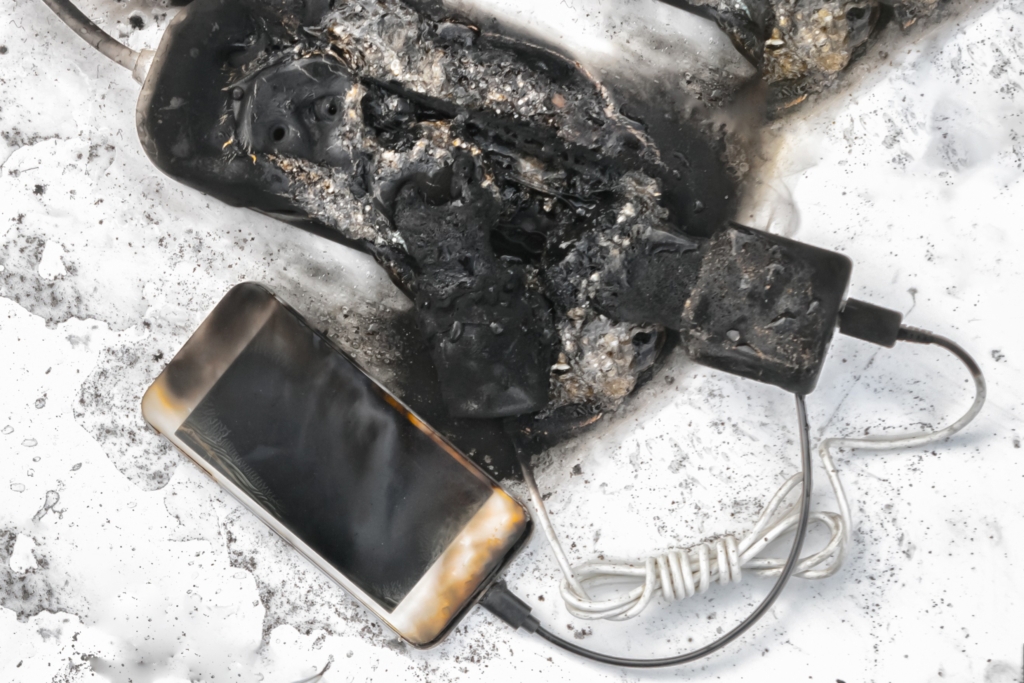
The risk has become an increasing concern for regulators and airlines as devices that use these batteries have become part of daily life for many travellers. The FAA issued a safety alert in 2025 urging operators to strengthen procedures for lithium batteries carried by passengers and crew, as AGN reported at the time.
Keeping spare batteries in the passenger cabin means smoke, heat, or other warning signs are more likely to be spotted quickly.
Cabin crew can deal with lithium battery fires, and are fully trained on the procedures and equipment used when a device enters thermal runaway.
Can you put spare batteries in checked baggage?
Electronic devices containing lithium batteries are treated differently from spare batteries. The FAA says rechargeable battery-powered devices can be checked when permitted, provided they meet the relevant Wh restrictions and are completely switched off and protected against accidental activation.
However, spare batteries and power banks cannot be checked. This is particularly important to remember when a cabin bag is unexpectedly gate-checked. Passengers should remove power banks and other spare lithium batteries before their bags go into the aircraft hold.
Still, IATA recommends keeping all lithium-powered devices and batteries in hand luggage.
What are the rules for smart luggage with lithium batteries?
Smart suitcases can contain lithium batteries to operate tracking systems, electronic locks, powered wheels or USB charging ports.
IATA guidance on smart baggage says a lithium battery installed primarily to charge other devices is considered a power bank.
A spare battery or power bank incorporated into baggage must be removable so that the passenger can take it into the cabin when required.
The normal 100Wh limit also applies, unless the airline approves a battery up to 160Wh.
Can you fly with a damaged or swollen power bank?
Don’t fly with it. The FAA says damaged or recalled batteries that could produce sparks or dangerous levels of heat must not be carried aboard an aircraft unless they have been removed or otherwise made safe. That includes both carry-on and checked baggage.
Passengers should pay particular attention to batteries that are swollen, physically damaged, or subject to a manufacturer’s safety recall.
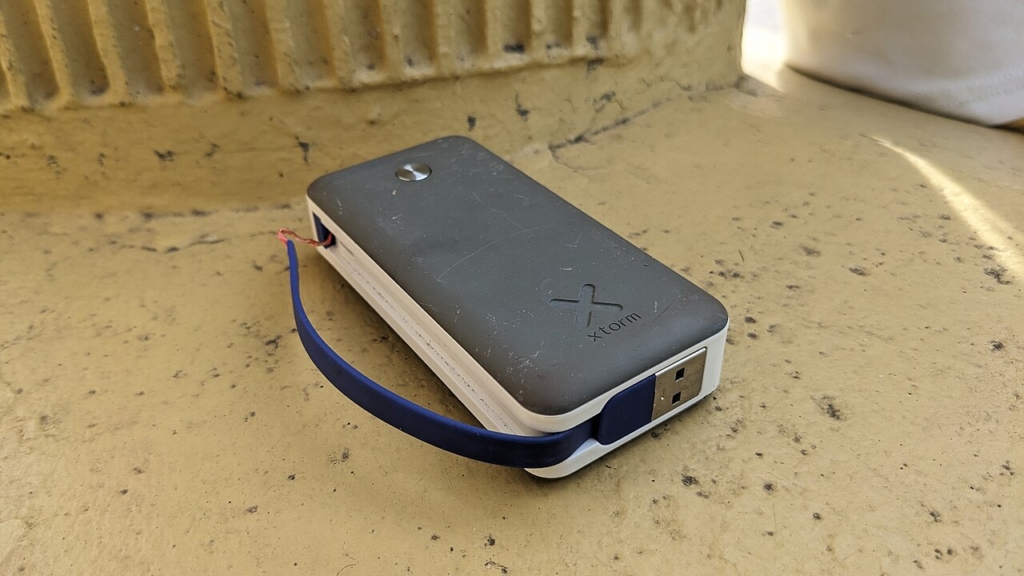
If a power bank becomes unusually hot, begins swelling, produces smoke, or gives off an unusual smell during a flight, passengers should alert cabin crew immediately rather than trying to deal with the battery themselves.
Why can’t power banks go in checked baggage?
The primary concern with all lithium-ion batteries is the significant safety risk posed by thermal runaway. A damaged, defective, or short-circuited battery can quickly generate heat, producing smoke or a very hot fire. If such a fire were to start in the hold, the aircraft would be at risk.
Keeping power banks in the cabin means passengers and cabin crew are more likely to notice overheating, smoke or unusual smells quickly. It also allows trained crew members to respond immediately and contain the fire.
Can you use a power bank during a flight?
Airline rules on using the power bank differ. Some airlines prohibit passengers from using their power banks during flights to reduce the risk of a thermal runaway.
Several major airlines ban passengers from charging devices with power banks during flight. Some also require passengers to keep the batteries somewhere visible and accessible—not in baggage stored in an overhead locker.
Emirates introduced new rules last year. Under the airline’s power bank policy, passengers may carry one power bank with a capacity of less than 100Wh. However, passengers cannot use it to charge another device or recharge the power bank with the seat’s power outlet. Emirates also prohibits storing power banks in overhead lockers. They must be placed in a seat pocket or in a bag underneath the seat in front.

Qantas’ dangerous goods guidance for power banks prohibits both using and charging power banks onboard. The Australian flagship allows passengers to carry up to two power banks, each with a maximum capacity of 160Wh, in carry-on baggage. Batteries above 100Wh remain subject to additional requirements. The airline also says power banks should be within reach during the flight, where possible, such as in a seat pocket or underneath the seat.
Southwest Airlines tightened its rules on power banks beginning in April of this year. The low-cost carrier allows passengers to bring one portable charger or power bank onboard. However, the device cannot be stored in an overhead bin or recharged using in-seat power outlets. Southwest also requires a power bank to remain visible and accessible while in use during the flight.
Passengers should not assume that a power bank permitted by one airline will be subject to the same rules on another. Check the individual airline’s rules before each flight.
Why are airlines getting stricter about power banks?
The concern is not that every portable charger is dangerous. Millions fly without incident. The problem is what happens when a lithium battery fails.
A battery overheating in an aircraft cabin can be spotted and dealt with by trained crew. A battery problem inside baggage stored out of sight in the overhead bin is harder to identify. The risk is that a single battery’s thermal runaway event could have catastrophic consequences if a fire spreads where the crew cannot intervene in time.
Airlines are reinforcing flight safety by restricting where power banks can be stored and whether they can be used during flight.
Power bank rules: what passengers should remember
Before heading to the airport, passengers should check the Wh rating printed on their portable charger and then check the specific airline’s dangerous goods policy.
As a general guide:
- Keep power banks and spare lithium batteries in carry-on baggage, never checked baggage.
- Check that your power bank’s Wh rating is clearly visible
- Power banks of up to 100Wh are the easiest to travel with.
- Units between 100Wh and 160Wh may require airline approval.
- Power banks above 160Wh are prohibited on passenger aircraft.
- Protect battery terminals against short circuits.
- Do not travel with a damaged, swollen, recalled or defective battery.
- Remove power banks if your cabin bag is gate-checked.
- Do not assume you can use or recharge a power bank during the flight; review your airline’s rules before you travel.
- Check whether your airline requires power banks to stay out of overhead lockers.
- Tell cabin crew immediately if a battery becomes hot, swells, smokes, or gives off an unusual smell.
For travellers, the best practice is to choose a clearly labelled power bank up to 100Wh, carry it in hand luggage and check the operating airline’s rules before every trip.
Sign up for our newsletter and get our latest content in your inbox.


More from


October 17, 20264 min read