Boeing 737 MAX 10 moves toward certification after final FAA safety review

5 min read
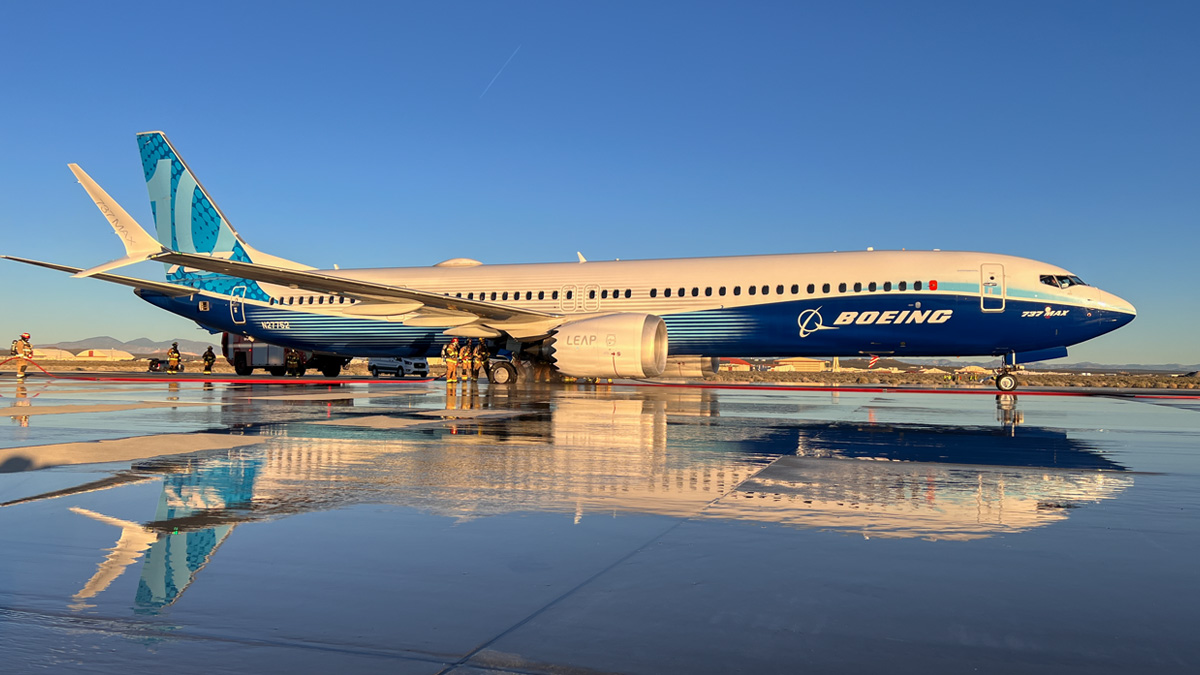
Boeing’s long-delayed 737 MAX 10 is moving closer to certification after the US Federal Aviation Administration (FAA) completed a crucial safety review, raising hopes that the aircraft could receive approval as soon as this week.
The development represents a significant milestone for the US aerospace manufacturer, which has faced years of delays, technical challenges and heightened regulatory scrutiny.
According to a Reuters report published on 16 October, the FAA’s Type Certification Board completed a key review that represents one of the final steps before a certification decision.
It reported that sources said approval could follow shortly, although the regulator has emphasised that safety will determine the timeline.
Final safety review brings approval closer
The FAA’s Type Certification Board, comprising agency management officials, has completed a critical stage of the MAX 10’s certification process. Its review brings Boeing closer to a final regulatory decision, although approval remains dependent on the FAA completing its assessment.
The certification process has been particularly demanding following two fatal crashes involving the 737 MAX 8 in 2018 and 2019. Those accidents resulted in the worldwide grounding of the aircraft and prompted extensive investigations into its design, flight-control systems and certification procedures.
Boeing has also faced scrutiny over manufacturing quality following a January 2024 incident in which a cabin panel detached from a nearly new 737 MAX 9 operated by Alaska Airlines.

These events have contributed to a more rigorous regulatory environment for Boeing, with the FAA placing significant emphasis on demonstrating that aircraft meet all applicable safety requirements before entering service.
The MAX 10’s development has also been affected by technical difficulties. An engine anti-ice system issue that emerged in 2023 delayed certification work on both the MAX 7 and MAX 10, extending an already lengthy programme.
More recently, a software issue threatened to create another obstacle. In late September, Boeing disclosed a problem involving an update to the 737 MAX navigation software.
However, on 2 October, the FAA determined that the issue did not present a safety concern and did not require a fix as a condition of certification. The resolution removed a significant potential barrier, allowing the approval process to progress.
Nearly 1,500 orders highlight commercial importance of the MAX 10
Boeing has accumulated nearly 1,500 orders for the MAX 10, according to Reuters, with the aircraft representing approximately 30% of the company’s outstanding 737 backlog.
The scale of demand demonstrates the aircraft’s importance to Boeing’s future sales and financial performance. Designed to carry more passengers than the smaller MAX variants, the MAX 10 is intended to provide airlines with greater capacity on busy short- and medium-haul routes.
Its larger passenger capacity could help operators increase the number of available seats without moving to widebody aircraft, which generally involve different operating requirements and higher capacity levels.

For airlines, the attraction lies in balancing passenger demand with fuel efficiency, operating costs and fleet flexibility. A larger narrowbody aircraft can be particularly valuable on routes where demand is strong enough to justify additional seats but does not necessarily warrant a larger aircraft.
Boeing has already built several MAX 10 aircraft awaiting delivery, meaning certification could allow the company to begin progressing towards customer handovers once the necessary approvals and delivery requirements are satisfied.
However, the substantial order book also highlights the cost of prolonged delays. Until the aircraft is certified, Boeing cannot deliver it for normal commercial passenger operations, limiting the programme’s ability to generate the expected financial returns.
Airlines await the MAX 10
Several major airlines are counting on the MAX 10 to support their fleet strategies, including United Airlines, Ryanair, Delta Air Lines, Alaska Airlines and American Airlines.
United is among the aircraft’s important customers and could use the additional capacity to support growth on high-demand domestic routes. The MAX 10 offers the potential to carry more passengers while retaining the operational characteristics associated with the wider 737 family.
For Ryanair, which operates a large Boeing 737 fleet and focuses on keeping operating costs competitive, additional capacity could support its high-volume, short-haul business model. The aircraft’s eventual contribution will depend on certification, delivery schedules and the airline’s fleet requirements.
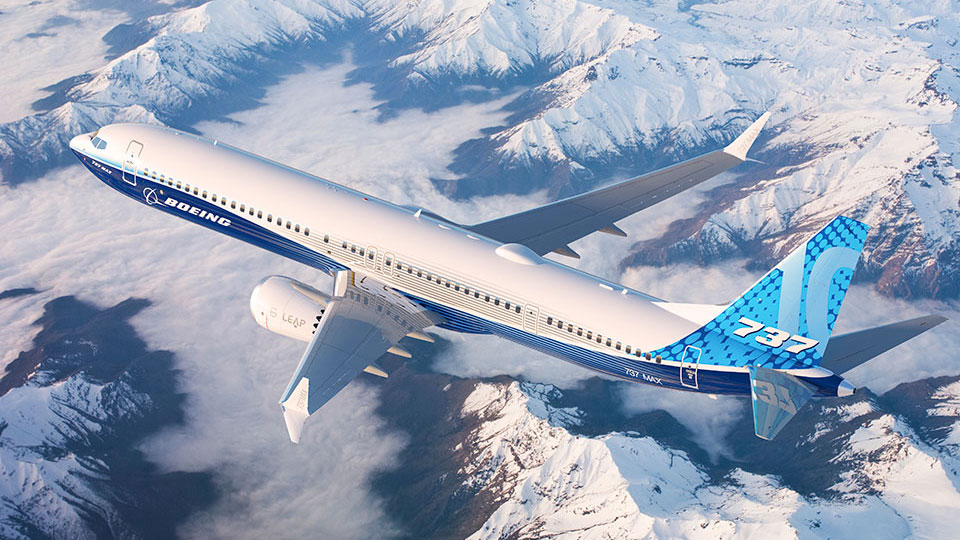
Delta Air Lines is also listed among the MAX 10’s major customers. Its inclusion reflects the broader interest in larger, fuel-efficient single-aisle aircraft, although the aircraft’s precise role in individual airline fleets will depend on their respective commercial plans and contractual commitments.
The delays have complicated fleet planning across the industry. Airlines need reliable delivery schedules to determine when to introduce new aircraft, retire older models, allocate capacity and expand services.
Certification would provide greater certainty, allowing customers to plan for deliveries and assess how the MAX 10 could support future growth. Nevertheless, the timing and scale of that benefit will depend on Boeing’s ability to move from approval to dependable production and delivery.
Certification is critical to Boeing’s recovery
The MAX 10 has become an important part of Boeing’s wider commercial recovery strategy. The company has endured several years of operational disruption, reputational damage and regulatory challenges, making the successful introduction of new aircraft particularly important.
Boeing has described the MAX 10 as a potential major contributor to cash flow as it works to improve its financial position. Certification would allow the company to make progress towards delivering aircraft against its substantial backlog and strengthening relationships with airline customers.
It would also help Boeing compete more effectively with European rival Airbus, particularly in the higher-capacity single-aisle market.
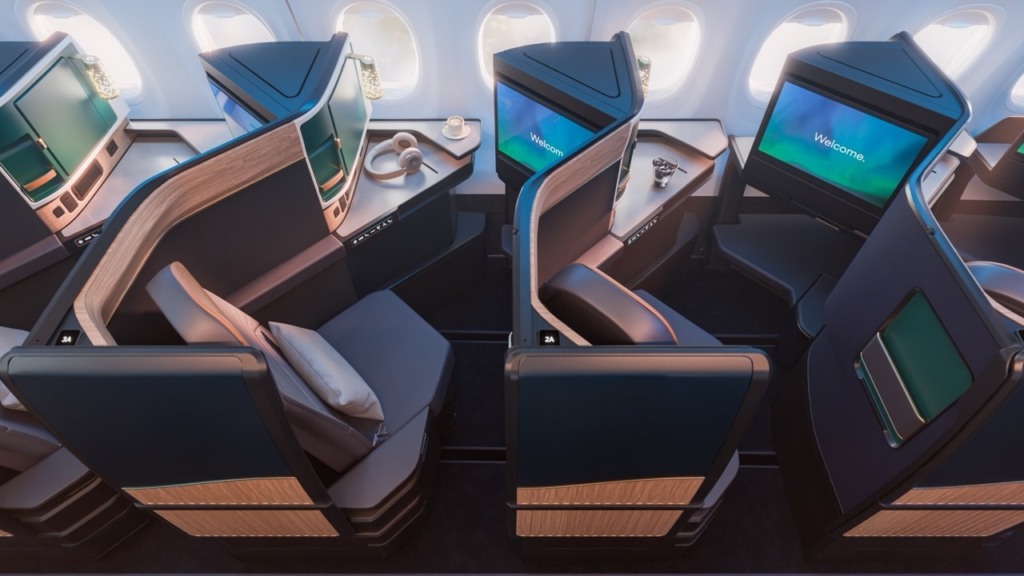
Airbus’s A321neo has gained a stronger position in this segment while Boeing’s MAX 10 has remained delayed. Securing approval could therefore help Boeing address a strategic gap in its narrowbody portfolio and give airlines another option when selecting aircraft for high-demand routes.
However, certification alone will not resolve the manufacturer’s wider challenges. Boeing must also demonstrate consistent manufacturing quality, maintain production discipline and meet delivery commitments.
Customers and regulators will continue to expect evidence that safety and reliability remain priorities throughout the aircraft’s operational life.
An important milestone after years of delays
The prospect of approval marks a major development for a programme that Boeing originally expected to begin delivering in 2020. Years of technical problems, regulatory reviews and wider scrutiny have pushed the MAX 10 well beyond its initial timetable.
If certification follows, Boeing will have taken a significant step towards meeting airline demand, generating revenue from its backlog and strengthening its competitive position.
Sign up for our newsletter and get our latest content in your inbox.


More from


October 17, 20264 min read