Why Riyadh’s reopening hasn’t brought airlines and flights back

4 min read
Riyadh’s King Khalid International Airport has resumed limited operations following deadly missile and drone attacks, but international airlines are maintaining flight suspensions amid security warnings, airspace restrictions and concerns over insurance costs.
The airport reopened on Sunday, 18 October, after more than a week of disruption. Several international carriers have extended cancellations into November, while others have postponed services until 2027.
As AGN reported, Lufthansa, KLM, Air France and several Gulf carriers are among those delaying their return.
The airport remains subject to operational restrictions, while European and US aviation regulators warn of risks in Saudi airspace.
Riyadh airport remains under operational restrictions
Saudi Arabia’s General Authority of Civil Aviation (GACA) extended the airport’s closure to allow safety inspections following repeated attacks.
A strike on Terminal 4 on 11 October killed one person and injured 11 others. An earlier attack killed 13 people and injured more than 300.
Although flights can now resume, airlines cannot operate unrestricted services.
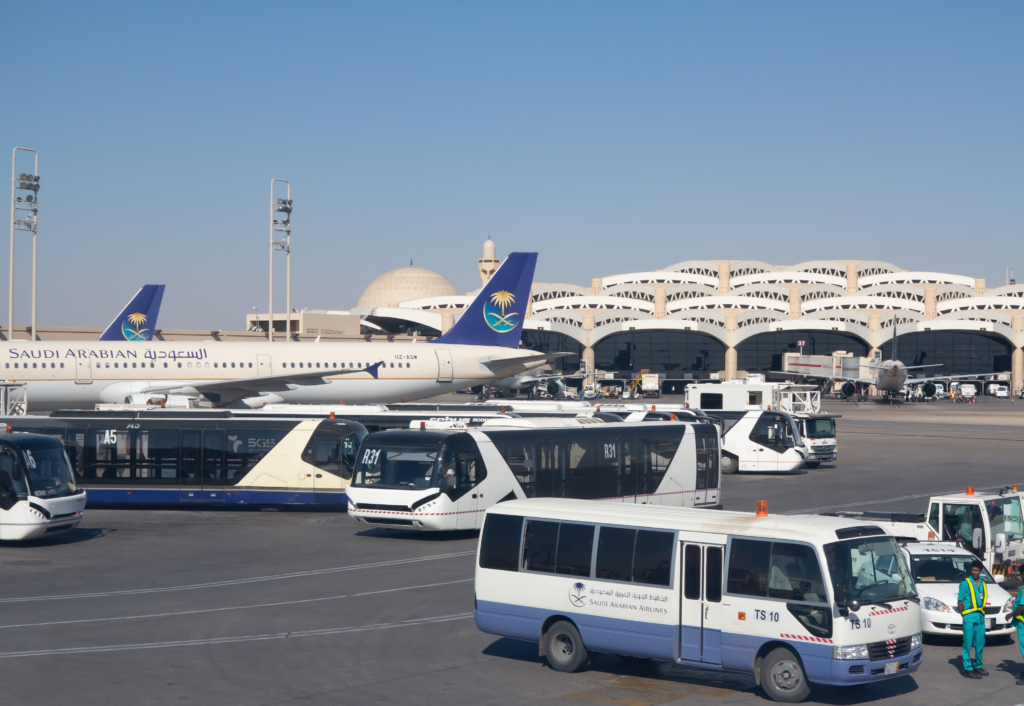
As of 19 October, two restrictive aviation notices remain in force at King Khalid International Airport.
- NOTAM A3650/26 requires all arriving and departing aircraft to obtain prior permission from Saudi Arabia’s General Authority of Civil Aviation.
- NOTAM A3651/26 prohibits airlines from using Riyadh as a planned diversion airport.
Both notices took effect on 17 October and have no specified expiry date.
The airport’s reopening does not automatically guarantee that airlines can reinstate scheduled services.
European and US regulators warn airlines about Saudi airspace
The European Union Aviation Safety Agency (EASA) still advises airlines against operating in parts of Saudi airspace.
Its revised Conflict Zone Information Bulletin, issued on 9 October, recommends avoiding two designated areas of the Jeddah Flight Information Region at all altitudes.
EASA advises caution elsewhere in Saudi airspace, citing missile and drone activity, air defence interceptions, falling debris and the risk of civilian aircraft being misidentified by military forces.
Operators must update security assessments and contingency plans, including arrangements for responding to sudden changes in air traffic instructions.
The bulletin remains valid until 16 November unless revised. While it does not prohibit all flights to Saudi Arabia, it sets standards for passenger safety and security.
The US Federal Aviation Administration (FAA) has issued a separate warning.
On 11 October, the agency advised US airlines to exercise caution when operating to or over Saudi Arabia because of military activity and interference with aircraft navigation systems.
The warning, effective until 10 December, identifies potential hazards at all altitudes, including during arrivals and departures.
The UK Foreign, Commonwealth & Development Office has also advised travellers against all but essential travel to Saudi Arabia, warning that further airport attacks and flight cancellations are very likely.
Aircraft damage raises insurance concerns
The attacks have already caused substantial damage to commercial aircraft parked at Riyadh.
As AGN reported last week, six aircraft with a combined insured value of approximately $375 million were damaged, according to an internal insurance report reviewed by The Wall Street Journal.
They included a Saudia Airbus A320 that was reportedly destroyed, a recently delivered Saudia A321neo and a Riyadh Air Boeing 787 that sustained significant damage.
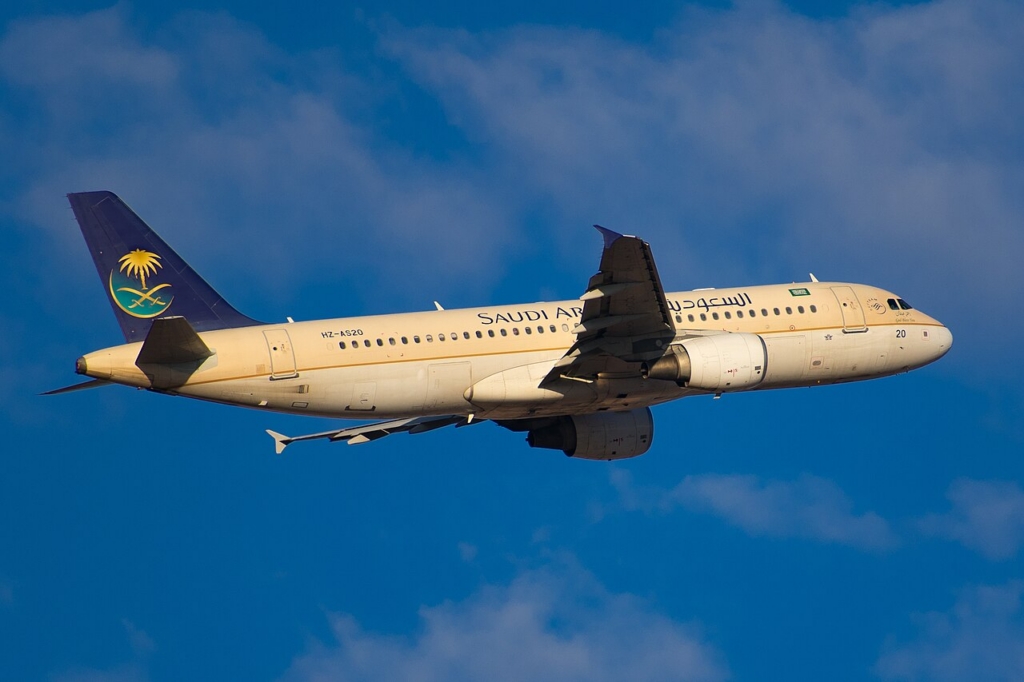
Saudi airlines moved aircraft away from Riyadh to reduce their exposure to further attacks. The Wall Street Journal reported that the evacuation involved aircraft worth up to $4 billion.
The damage could also affect aviation war-risk insurance costs.
Airlines generally maintain hull insurance against physical damage and additional war-risk coverage for specified hostile acts, including missile and drone attacks.
War-risk insurers can revise terms, charge additional premiums or invoke short-notice cancellation provisions when security conditions deteriorate.
The Wall Street Journal reported that the Riyadh attacks could influence premiums ahead of major airline policy renewals in November.
No blanket withdrawal of insurance coverage for flights to Riyadh has been confirmed. However, airlines must assess whether sufficient coverage remains available and what financial exposure they would face following another attack.
International airlines delay their return
Lufthansa has suspended Riyadh services until 18 November, while KLM has cancelled Riyadh and Dammam flights until 31 October.
Philippine Airlines has extended its Riyadh suspension until 29 November, and Cathay Pacific has postponed its planned return until the end of January 2027.
Delta Air Lines has also delayed the launch of its Atlanta–Riyadh service, originally scheduled for 23 October, until March 2027. The airline said it remains in contact with government and aviation partners while monitoring developments.

Carriers must consider the possibility of further attacks during arrivals and departures, sudden airspace closures and limited diversion options. Prolonged disruption also complicates aircraft rotations, crew scheduling and connecting services.
Some regional airlines are preparing to resume flights, while others continue operating selected services elsewhere in Saudi Arabia.
For carriers maintaining their suspensions, the immediate considerations are whether they can obtain operating approval, safely complete their flights and secure adequate insurance coverage.
Saudi authorities have reopened Riyadh, but international airlines must decide when it is safe and commercially viable to return.
Sign up for our newsletter and get our latest content in your inbox.


More from


October 17, 20264 min read