Possible fifth J-36 prototype spotted as analysts caution against comparisons with the F-47

4 min read
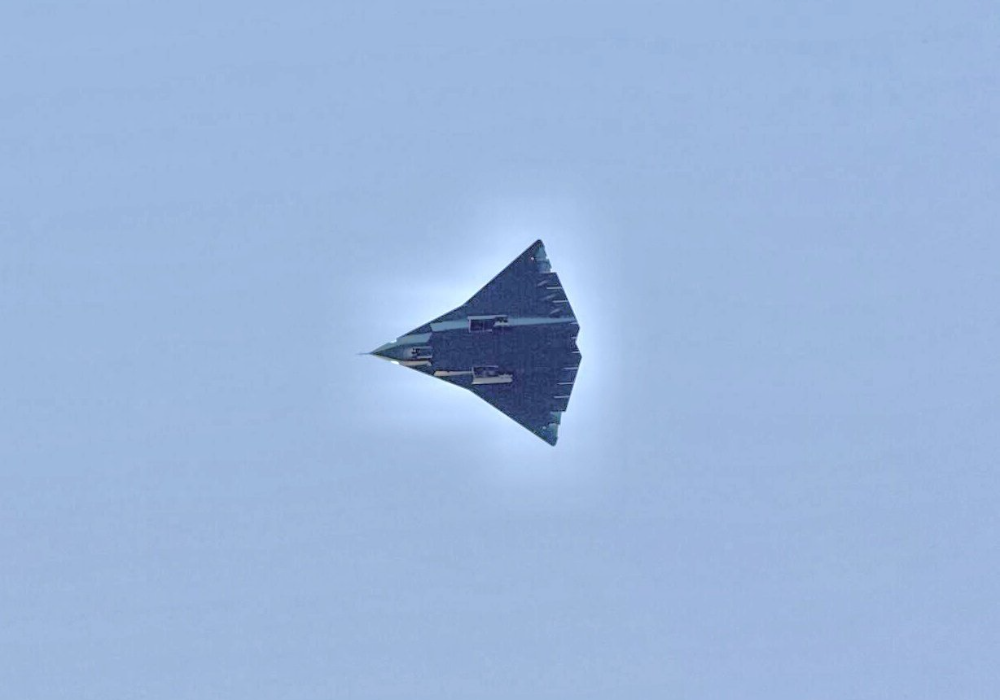
China appears to have flown another Chengdu J-36 prototype that features additional improvements and design changes. Some OSINT accounts now suggest the aircraft may enter service by the end of the decade, with maturity in the 2030s or beyond.
Possible 5th J-36 prototype seen in flight
At the end of 2024, the first prototype of China’s large next-generation J-36 fighter was seen in public for the first time flying over populated areas in broad daylight. In October 2025, another prototype was seen, followed by another in December 2025, and another in July 2026.
Apparently the 5th J-36 prototype/1st LRIP (?) made its maiden flight
— Hûrin (@Hurin92) July 23, 2026
If insiders are correct, we may see induction even before 2029 https://t.co/kGJzLcDVHG pic.twitter.com/pvYJKFjx8Z
The China-watching OSINT account, Hûrin, posted, “Apparently the 5th J-36 prototype/1st LRIP (?) made its maiden flight. If insiders are correct, we may see induction even before 2029.”
The Hong Kong-based South China Morning Post (SCMP) reported, “Fresh images and footage have emerged of what some observers say may be a fifth prototype of China’s J-36 sixth-generation combat aircraft.”
Each of these prototypes shows rapid iterations and design changes. This latest prototype appears to feature more changes to the aircraft’s nose, air intakes, engine nozzles, and the landing gear.
The SCMP quoted the China defence OSINT analyst, Andreas Rupprecht, as saying “So yes, the programme does appear to be relatively mature and progressing quickly.”
🇨🇳🇺🇸 NEW: China's J-36 Is Flying Again, While America's F-47 Remains Unseen
— Defence Index (@Defence_Index) July 24, 2026
Another video has emerged showing China's fifth J-36 sixth generation fighter prototype conducting a test flight.
With multiple J-36 prototypes already flying, China appears to be moving rapidly through… pic.twitter.com/gHRRqi6mkB
Rupprecht also told the publication that it is unwise to assume a rapid test programme will translate into an equally rapid operational service for the new fighter.
He said he expects the first pre-production batch to be delivered to the PLA Air Force before 2030 and that this would pave the way for a longer period of operational evaluation.
J-36 and F-47 appear designed for very different roles
SCMP paraphrased Rupprecht as saying, “Rather than serving simply as China’s next stealth fighter, the J-36 was likely to serve as a large, heavily armed command platform capable of directing collaborative combat aircraft while using powerful sensors and long-range weapons to control a broad area of airspace.”
Allegedly a J-36 – likely the later prototype- was seen again, but is it me or does it look a bit different? pic.twitter.com/BuBjhLs9wa
— @Rupprecht_A (@RupprechtDeino) July 12, 2026
Notably, the China defence watcher cautioned against comparing the J-36 with the US Air Force’s next-generation Boeing F-47 air dominance fighter.
He said that he is convinced the J-36 is something entirely distinct, a sort of “aerial air-defence node” that he compared with the concept of an Aegis-equipped US warship coordinating a wider combat network.
The large size of the J-36 may point to the PLA’s requirements to operate across the vast distances of the Asia-Pacific.
Greater internal fuel capacity could partly compensate for China’s more limited network of overseas bases, aircraft carriers, and aerial tankers compared with the United States, although the aircraft’s true design priorities remain unknown.
It is important not to think of the Sino-American rivalry as a two-horse race. Japan is a major military power with an increasingly independent defence posture centred on defending the south-west island chain through anti-access and area-denial capabilities.
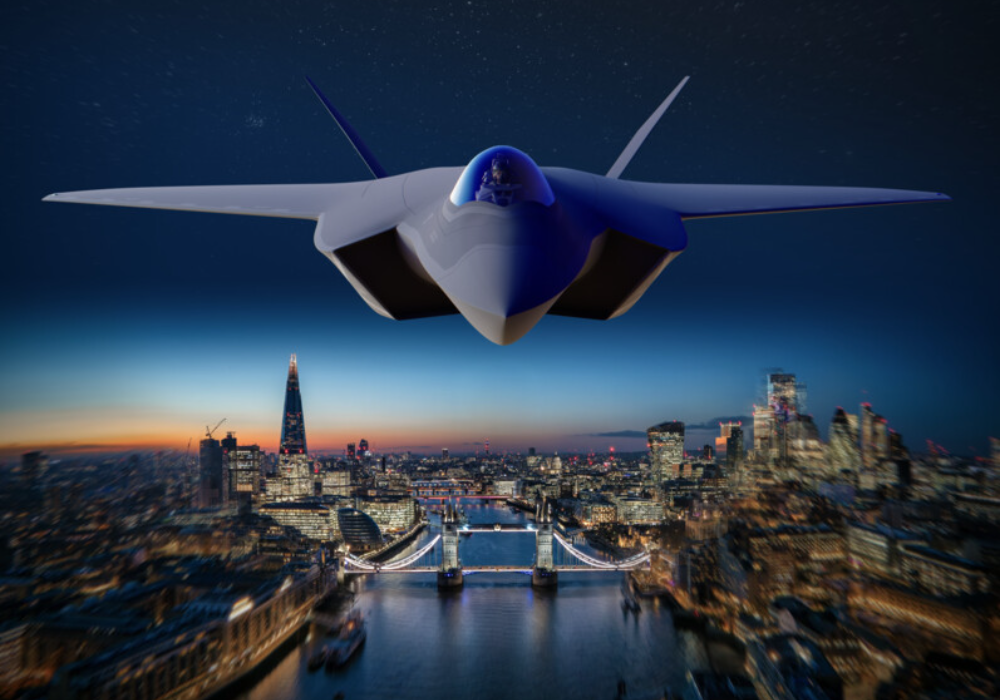
As an interesting data point, Japan is purchasing F-35A/Bs and upgrading its F-15s, suggesting it believes these will be effective into the 2030s and 2040s.
It also wants to replace its Mitsubishi F-2s (an extensively modified derivative of the F-16) starting around 2035 with the GCAP/Tempest fighter being developed with the UK and Italy.
Opposite approaches to public messaging
China and the United States appear to be taking markedly different approaches to public messaging around their next-generation aircraft programmes.

China has revealed relatively little about its next-generation fighters, including their requirements and intended capabilities. Yet sightings of demonstrators, prototypes over populated areas, and parades of new UAVs during events have provided observers with rare glimpses of ongoing developments.
The US has taken a different approach. It has extensively talked about its F-47 generation programme, including the costs, the expected combat radius (1,000+ nautical miles), and its intended role.
However, it has not visually shown the aircraft in public, including the demonstrators that are known to have flown in 2019/2020. The two official renders are partial and may include misdirections.