


India may turn to foreign fighter jets as Air Force chief warns of widening aircraft gap

6 min read

India could buy more foreign combat jets if its home-grown programmes cannot deliver aircraft fast enough to rebuild the force, the Indian Air Force chief has warned.
Air Chief Marshal A.P. Singh said the IAF needs to induct between 36 and 40 fighters annually for the next few years and acknowledged that foreign aircraft may have to fill gaps if India’s Advanced Medium Combat Aircraft (AMCA) and other programmes are delayed.
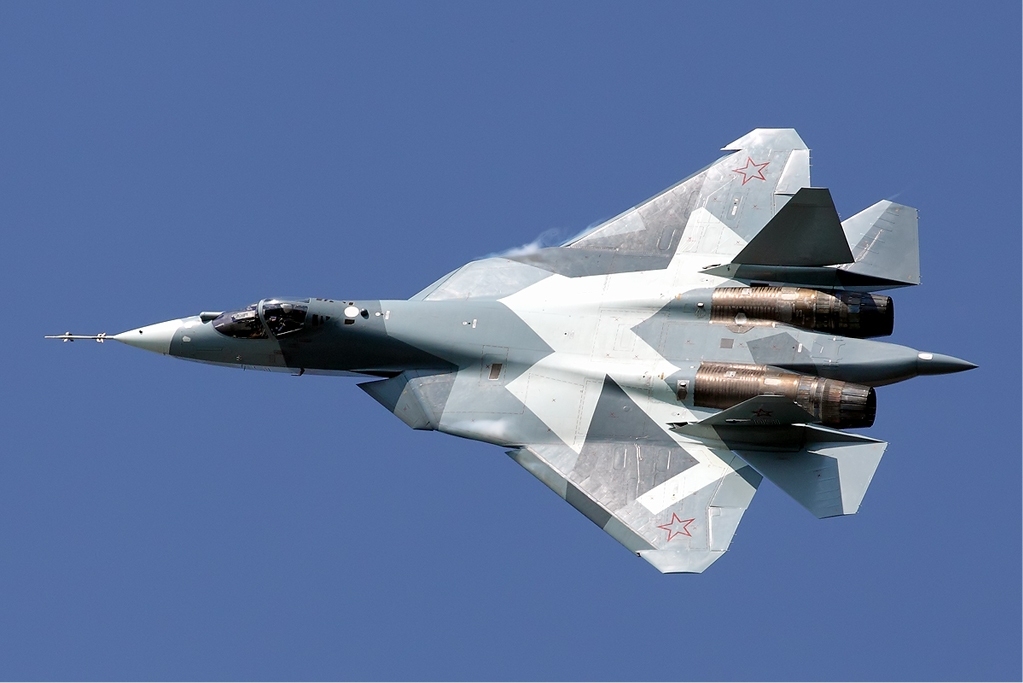
“We may have to look at other fighter platforms in case of delays in AMCA fifth-gen and other programmes to fill in the gaps,” Singh told reporters ahead of Air Force Day on October 8. He confirmed that Russia has offered its Su-57 fifth-generation fighter, but said no decision has been taken.
The comments will be closely watched by fighter manufacturers because India is already pursuing one of the world’s largest combat aircraft acquisition programmes. New Delhi is working towards the acquisition of 114 additional Rafales while simultaneously expanding orders for the domestically developed Tejas and pushing ahead with the AMCA stealth fighter.
Singh said he hoped the 114-aircraft Multi-Role Fighter Aircraft programme could be finalised during the current financial year, which ends in March 2027.
“I think if things go well, we should be able to sign it in this financial year,” Singh said. “That’s what my hope is. But it is a two-way process.”
India needs up to 40 fighters every year
The size of India’s requirement is being driven by a simple problem: aircraft are leaving the IAF faster than replacements have been arriving.

The service currently has 29 fighter squadrons against an authorised strength of 42, according to figures cited following Singh’s briefing. Each squadron typically has between 16 and 20 aircraft. Singh put the requirement at roughly two new squadrons every year for the next few years.
“We need to induct two fighter squadrons every year. That means anything between 36 and 40 aircraft should be produced and inducted,” he said.
The IAF believes it could begin approaching that rate if several programmes now underway deliver as planned.
Hindustan Aeronautics Limited is targeting production of up to 24 Tejas Mk1A fighters annually. Singh said that even if HAL delivers 20 aircraft a year, another roughly 12 aircraft annually could come through the proposed 114-fighter programme.

India is also moving to acquire 12 additional Su-30MKI fighters. Taken together, Singh said the various programmes could eventually allow the IAF to induct around 30 to 35 aircraft annually, potentially rising towards 40. That makes delivery rates almost as important to the IAF as the number of aircraft ordered.
India has ordered 180 Tejas Mk1A fighters across two contracts, but deliveries have fallen behind the original schedule. The delays have made it harder for the IAF to replace aircraft being retired from service. “There is some extra delay, and there is no doubt that it is going to hurt us,” Singh said.
Foreign manufacturers remain part of the equation
India’s long-term fighter plans remain centred on building a larger domestic aerospace industry.
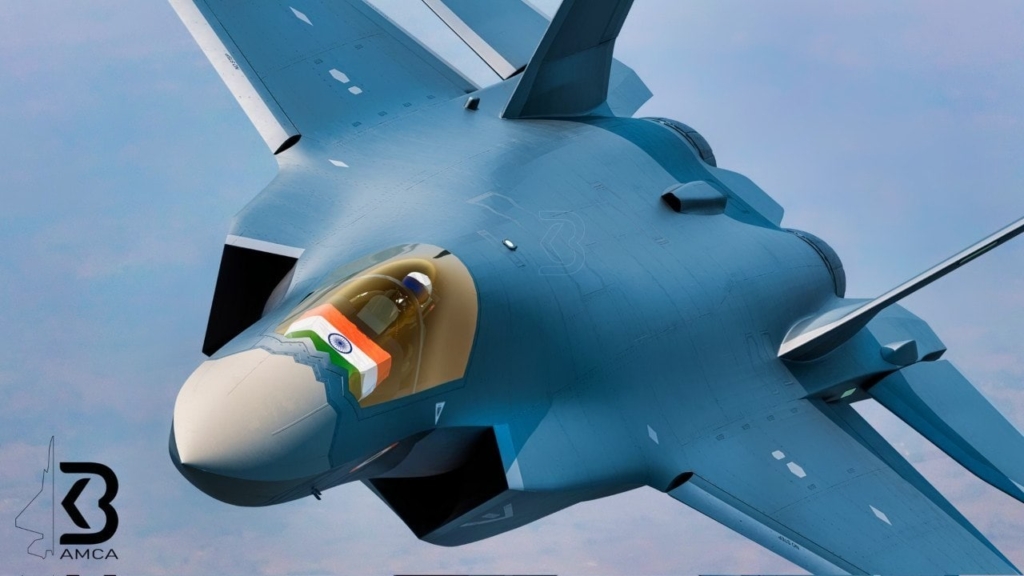
The future fleet outlined by Singh includes the Tejas Mk1A, the larger Tejas Mk2, Rafale and eventually AMCA, India’s planned fifth-generation stealth fighter. He said the IAF considers a mix of three or four fighter types desirable to cover different missions.
But the timetable leaves room for foreign aircraft if domestic programmes cannot arrive quickly enough. The immediate foreign element is the proposed purchase of 114 Rafales. India already operates 36 Rafales acquired under an earlier contract, while the Indian Navy is separately acquiring the carrier-capable Rafale Marine.
The bigger question could emerge around fifth-generation aircraft
AMCA has moved into the industry selection phase, but the programme remains years away from producing an operational fighter. Singh made clear that the IAF may have to consider alternatives if its development slips.
Russia has already offered the Su-57, making Moscow the first manufacturer publicly identified by Singh in connection with such an interim requirement. Though no purchase decision has been made.
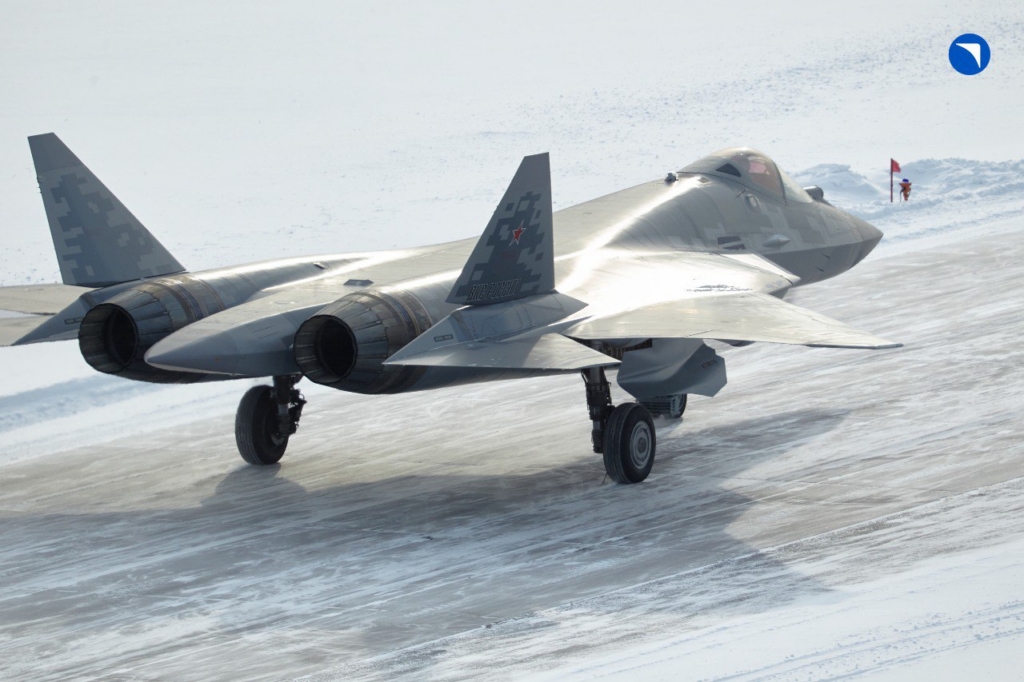
That distinction is important. Singh was not announcing a new foreign fighter competition. His comments instead underline the IAF’s concern that it cannot allow the wait for AMCA to create another gap in its combat fleet.
Pakistan’s fifth-generation plans add urgency
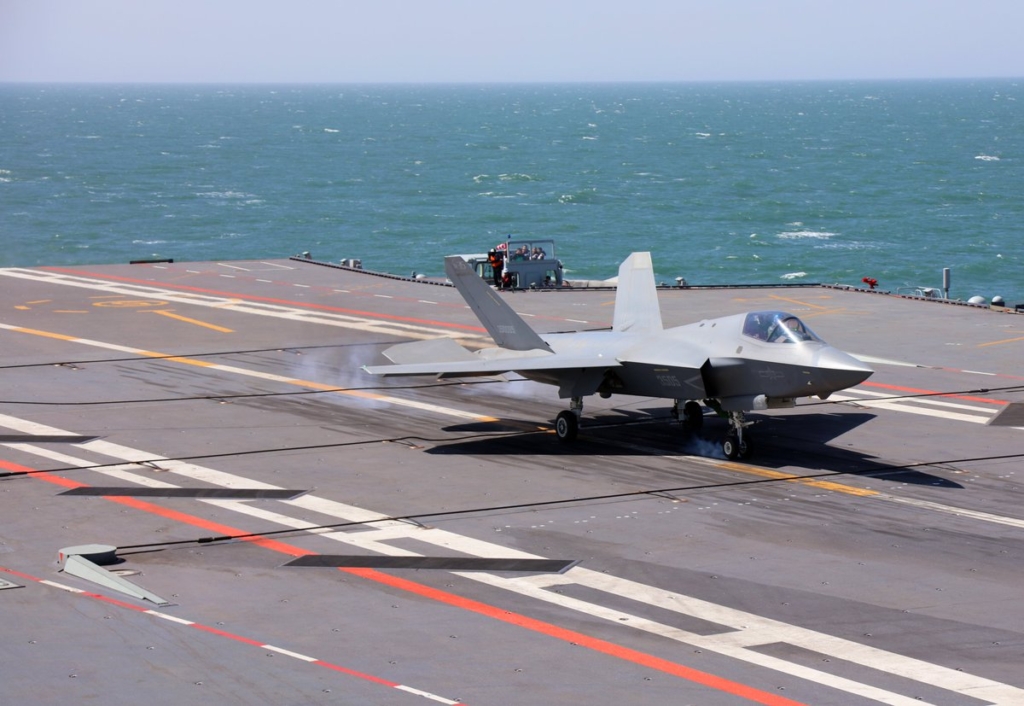
India is also watching fighter developments across its borders. Singh described reports that Pakistan could acquire China’s J-35 fifth-generation fighter as “a cause for worry”, although he cautioned against viewing the capability of an air force through one aircraft alone.
“Is it a no-go situation? I wouldn’t agree with that. We possess the necessary capabilities… it is not just about a single platform, but about how it is integrated into the entire system,” he said.
The J-35 is China’s second stealth fighter design after the J-20 and is being developed in land-based and carrier variants. A Pakistani acquisition would nevertheless change the fighter balance in the region by giving Islamabad access to a new generation of low-observable combat aircraft before India’s AMCA enters service.
Singh linked that possibility directly to India’s own fifth-generation requirement, saying the country needs to consider its options “if our adversaries are getting a fifth-generation aircraft”.
For aircraft manufacturers, that creates two distinct Indian requirements. The first is numbers. The IAF needs enough new aircraft to rebuild a fighter force that has fallen well below its authorised strength. The second is capability. India must decide whether it can wait for AMCA or needs a foreign fifth-generation aircraft to bridge the years before its own stealth fighter becomes operational.
Rafale could provide the biggest near-term increase
The 114-aircraft programme is therefore particularly important because of its scale and the speed at which it could begin adding aircraft once a contract is in place.

Singh said the IAF expects around 12 aircraft a year from the programme once deliveries are underway. Combined with higher Tejas production, that would begin moving annual inductions closer to the level the service says it needs.
The requirement also points to a wider challenge for any manufacturer seeking Indian business. New Delhi increasingly wants aircraft to be produced in India rather than simply imported, meaning production capacity, local industrial partnerships and the ability to sustain high delivery rates are likely to matter alongside aircraft performance.
Singh’s comments were not confined to aircraft numbers
The IAF is also strengthening its beyond-visual-range air combat capability, combining domestically developed Astra missiles with additional foreign weapons.
The Astra Mk1 is already in production, while Mk2 is progressing through development and Mk3 remains at an earlier research and development stage. Singh said additional batches of longer-range foreign missiles are also being pursued to meet near-term requirements.
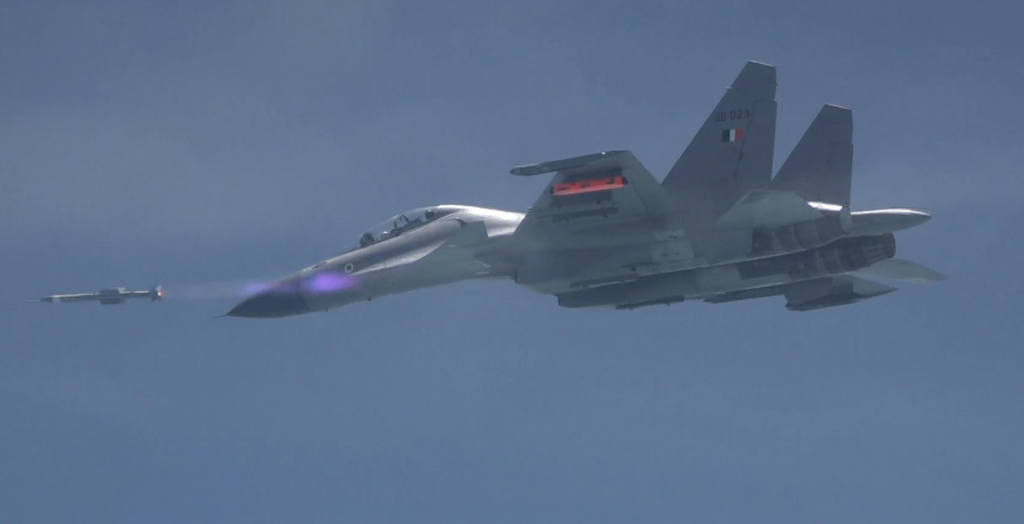
The Mk1 has a reported range of around 80 to 110km, while the Mk2 is being developed for considerably greater reach. India has also tested solid-fuel ducted ramjet technology associated with the longer-range Astra Mk3.
The IAF is simultaneously expanding its use of drones and loitering munitions, although Singh rejected the idea of creating a separate drone force on the lines of the United States Autonomous Warfare Command.
“Whether we need a separate drone force, I don’t think so,” he said. “They should be a part of the same setup, and we have to be operating together.”
Sign up for our newsletter and get our latest content in your inbox.


More from


October 25, 20266 min read

October 25, 20265 min read


