GE Aerospace conducts the world’s first hybrid electric flight above 30,000 feet

3 min read
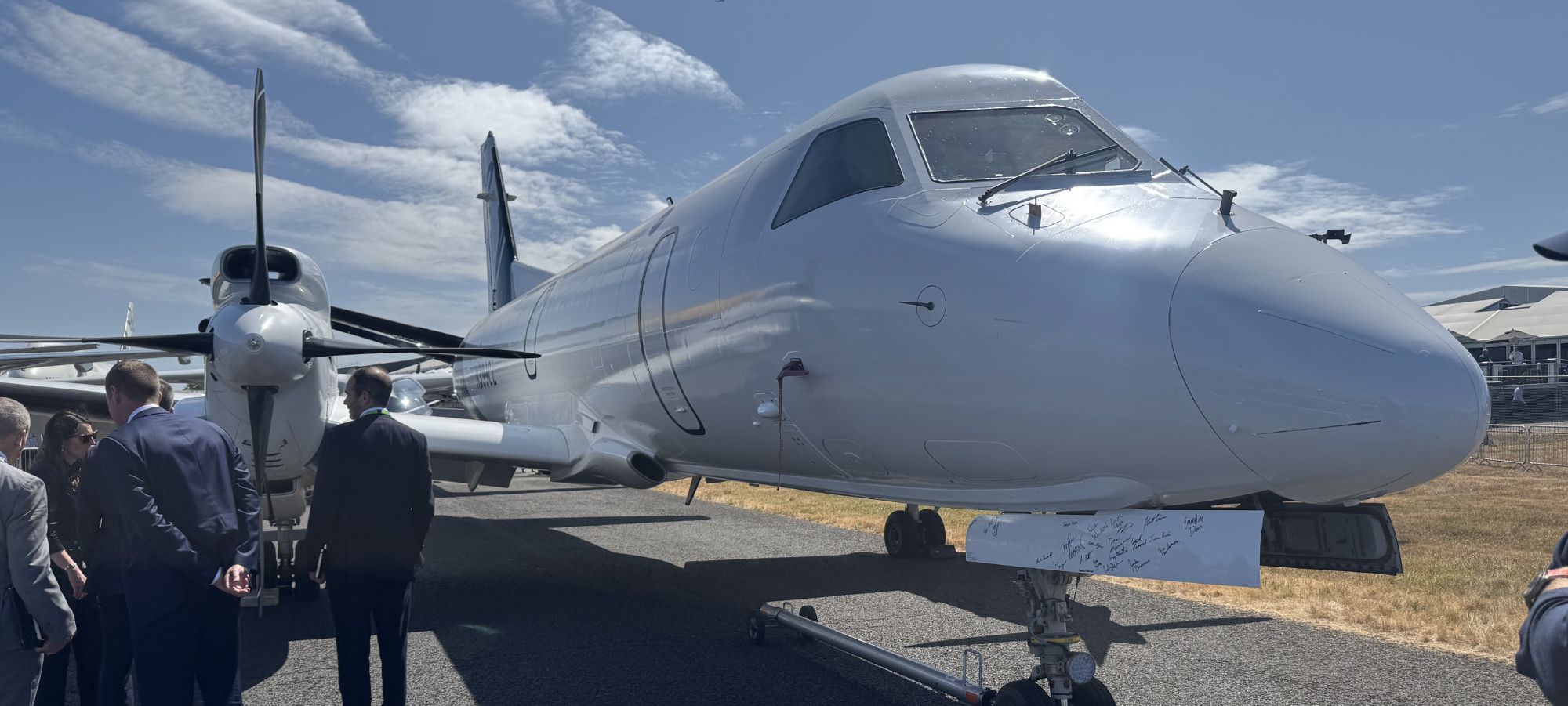
GE Aerospace has announced the completion of the first high-altitude hybrid-electric flight, achieved in collaboration with NASA, BETA Technologies and Boeing.
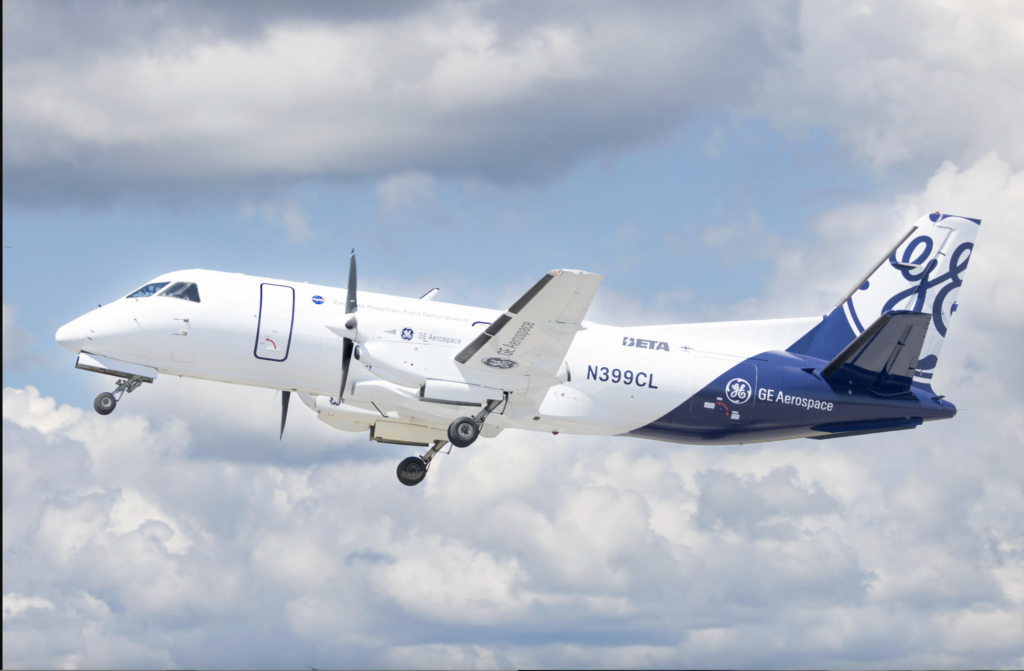
The American aircraft engine supplier partnered with BETA Technologies, NASA and Boeing to conduct the world’s first hybrid-electric flight above 30,000 feet. The modified Saab 340B aircraft powered by GE Aerospace CT7 turboprop engines reached altitudes exceeding 30,000 feet – matching the cruising altitude of most commercial passenger aircraft.
GE Aerospace completes single flight of more than two hours in hybrid-electric mode
The megawatt-class, multi-kilovolt hybrid electric propulsion system enabled a single flight of more than two hours while operating in hybrid electric mode, powering the propeller while simultaneously charging the battery. The technologies were developed through the NASA Electrified Powertrain Flight Demonstration (EPFD) project.
The aircraft’s right side housed a hybrid electric system within an inverted nacelle providing additional ventilation. The system integrated GE Aerospace-developed motor/generators, power converters, inverters, controllers, Avio Aero gearboxes, Dowty R390 propellers, heat exchangers, and a CT7 engine. BAE Systems supplied the batteries, while Aurora Flight Sciences (a Boeing subsidiary) provided the nacelle.
First high-altitude, hybrid-electric flight is a milestone achievement
H. Lawrence Culp Jr, Chairman and CEO of GE Aerospace, described the achievement as “one for the history books.”
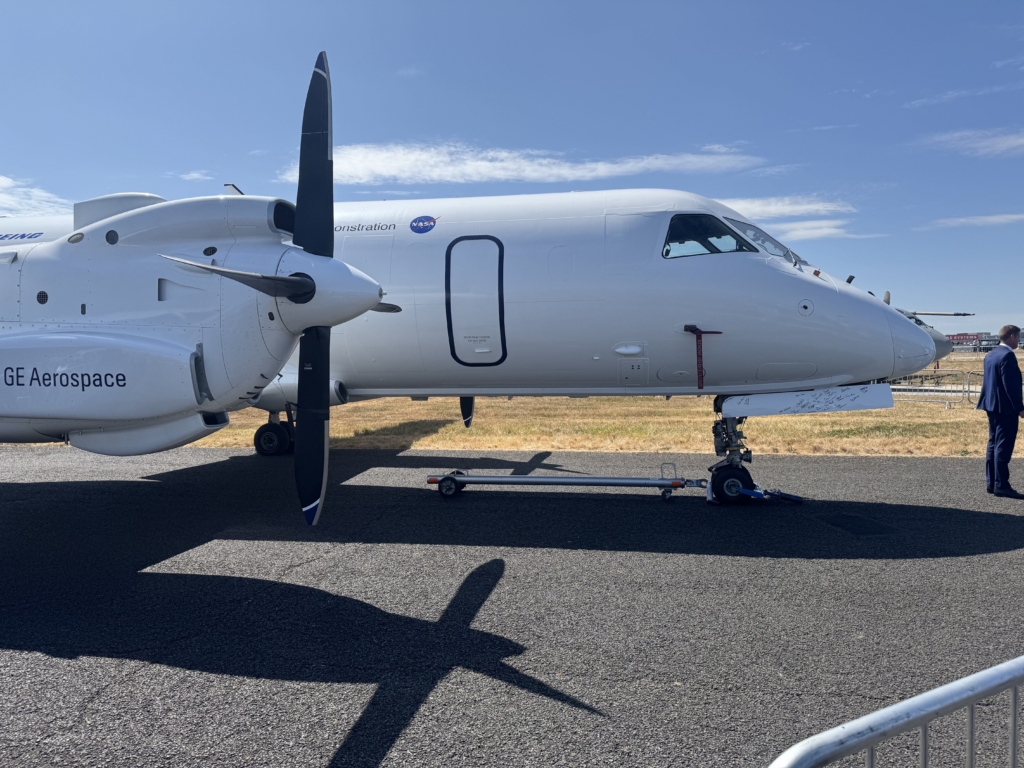
The milestone flight took place in US airspace with pilots from both GE Aerospace and BETA Technologies supporting the successful test campaign. BETA pilots then flew the aircraft on ferry flights to the UK for Farnborough International Airshow, where the aircraft will feature in flight displays and on the static. The aircraft operated in hybrid-electric during each leg of the journey, which included stops at Nuuk Airport in Iceland and Bournemouth Airport in the UK.
Kyle Clark, CEO of BETA Technologies underlined the importance of the flight-test programme in advancing the future of electric flight. “This hybrid electric system improved the high-altitude performance and climb capability while creating a flying laboratory to inform all future hybrid designs,” he said.
He also thanked the GE Aerospace team and NASA for their rigorous design, test and operational expertise.
“The ground and safe flight test campaigns, capped by a flight across the North Atlantic, is the first of many important milestones for hybrid electric technology,” he added.
This latest achievement builds on GE Aerospace’s earlier narrowbody hybrid-electric flight demonstration through the NASA HyTEC project in 2025, as well as the start of a strategic collaboration with BETA Technologies, also announced last year.
GE Aerospace takes flying test bed to the skies
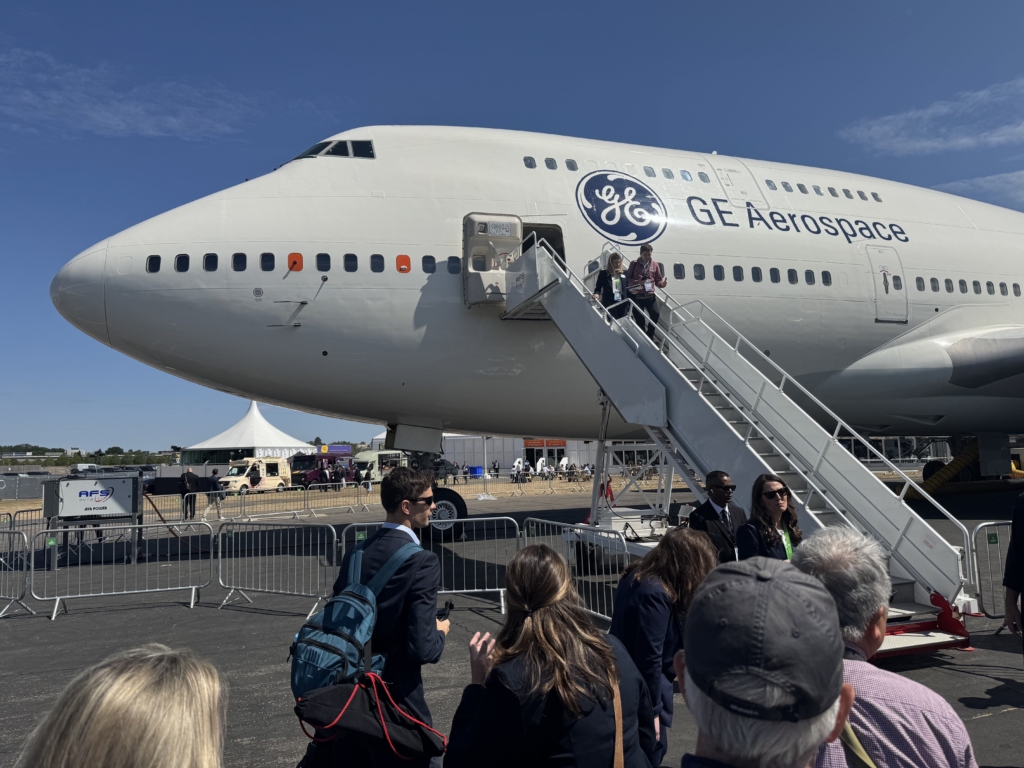
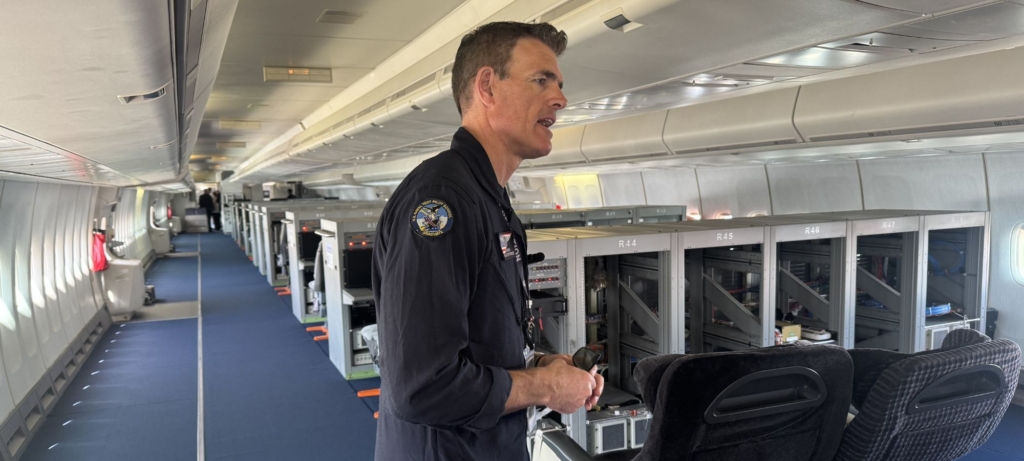
GE Aerospace is also showcasing a Boeing 7470400 flying test bed at this year’s Farnborough International Airshow. The aircraft, which features CF6 engines, has been transformed into a flying laboratory. The aircraft has been used for successful test campaigns of CFM Leap and GE9X engine programmes, while future test flights will support the CFM Rise programme. Prioritizing safety, durability, and efficiency, the Rise program targets more than 20% more efficient fuel burn than commercial engines in service today.