


China recovers Long March-10B rocket using world’s first net-capture recovery system

6 min read
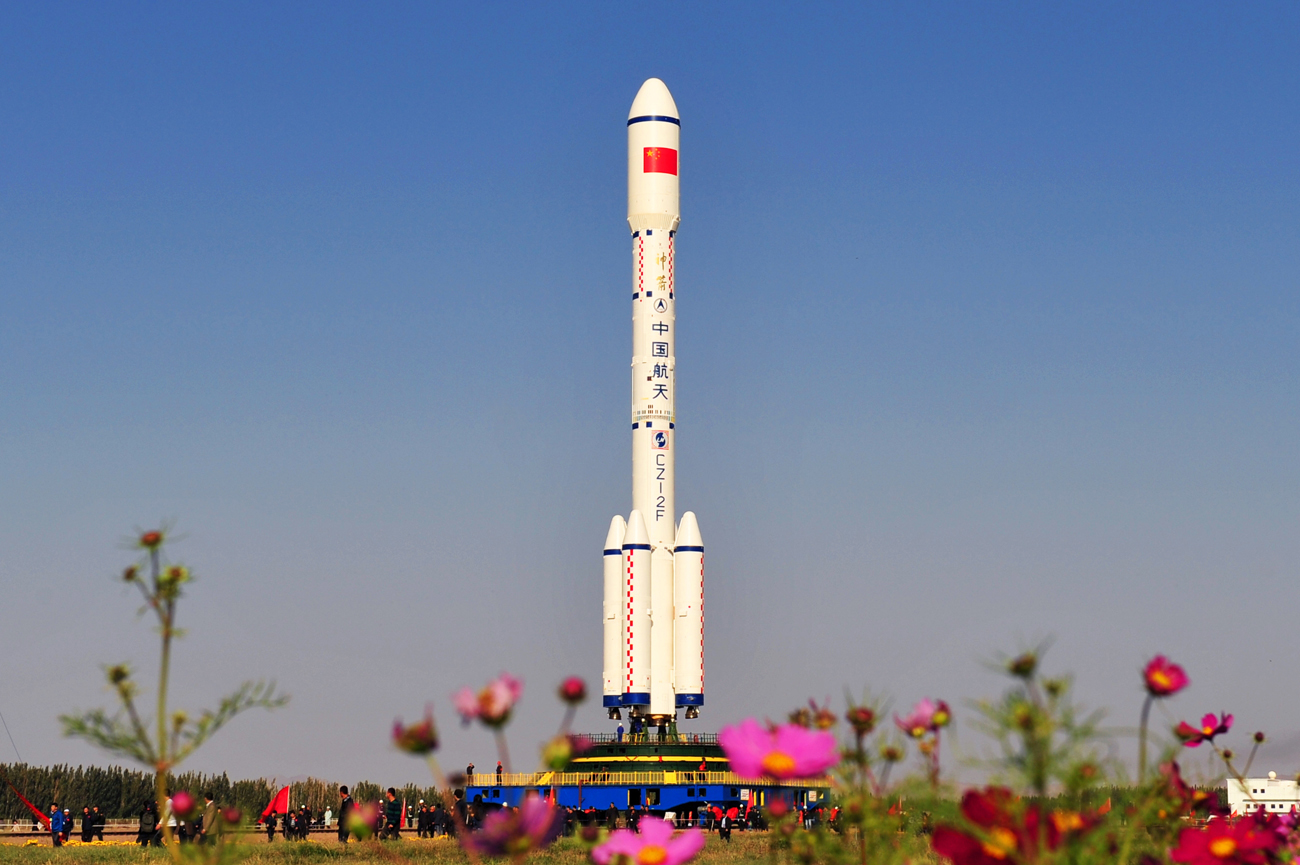

China has successfully recovered the first stage of its Long March-10B rocket using a sea-based net capture system, demonstrating a different approach to reusable launch vehicles as countries race to reduce the cost of access to space.
The maiden flight of the Long March-10B lifted off from the Hainan Commercial Space Launch Site on 10 July, placing its payload into orbit before the rocket’s first stage returned under powered flight and was captured by a purpose-built recovery vessel in the South China Sea.
Chinese state media described it as the world’s first successful net-based recovery of an orbital-class launch vehicle.
The recovery makes China one of only a handful of nations to demonstrate controlled recovery of an orbital-class rocket booster.
More significantly, it introduces an engineering approach that differs from the landing-leg systems pioneered by SpaceX and later adopted by Blue Origin.
While the achievement marks another step in China’s reusable launch programme, the next challenge will be proving that the recovered booster can be refurbished and flown again quickly enough to deliver the economic benefits that have transformed the commercial launch market.
More than one way to catch a rocket
Recovering a rocket booster after launch has become one of the defining technologies of modern spaceflight.
SpaceX demonstrated that reusing Falcon 9 first stages could dramatically reduce launch costs and support a much higher launch rate by landing boosters vertically on drone ships or landing pads using deployable landing legs. Blue Origin has followed a similar philosophy with both its New Shepard and New Glenn launch vehicles.
China has taken a different route.
Instead of equipping the Long March-10B with landing legs, engineers designed the booster to deploy four hooks during its descent.
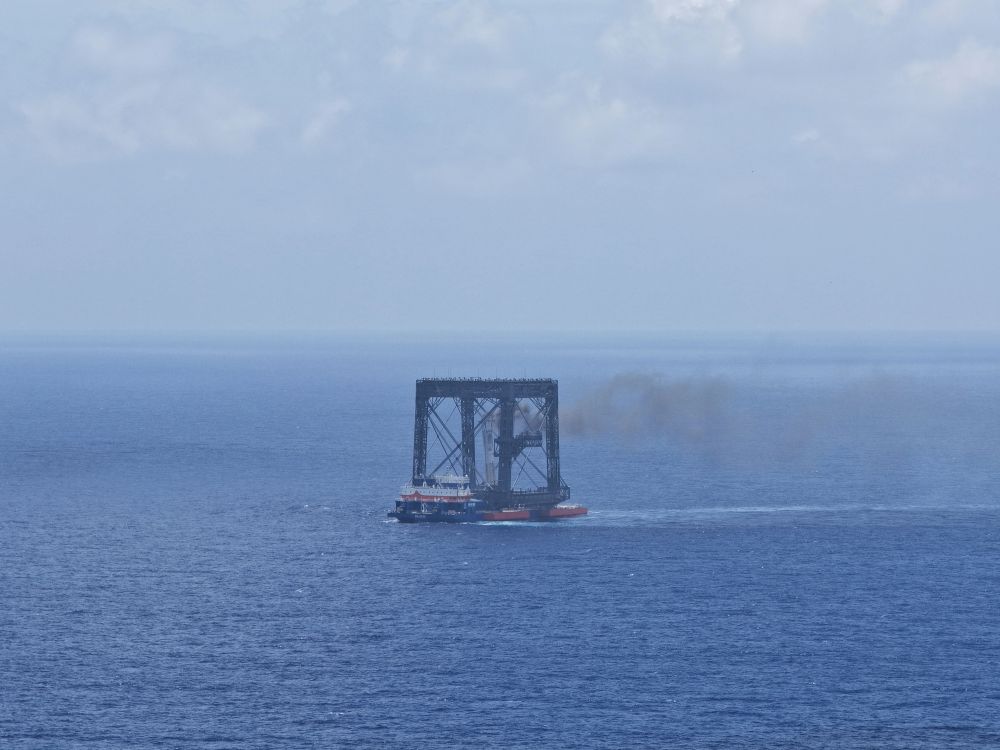
These engage tensioned steel cables mounted on the recovery ship, known as Linghangzhe, where a hydraulic damping system absorbs the remaining energy before the stage is secured for transport.
The concept shifts much of the recovery hardware from the rocket to the recovery platform itself.
Otra toma a vista de dron de la captura del Long March 10B.
— Space Nøsey (@SpaceNosey) July 10, 2026
Los que me seguís hace tiempo sabéis lo fan que soy y las esperanzas que le tenía a este método de captura, así que me hace especial ilusión.#LongMarch10B pic.twitter.com/Pikg8hNH0s
The return of Long March 10 booster, view from the ship https://t.co/ILLQ4rpRwv pic.twitter.com/EjJe8PxKcm
— CNSPACE (@CNSpaceflight) July 11, 2026
Removing landing legs reduces the mass carried by the booster, potentially allowing more propellant or payload to be carried during ascent. In return, the recovery vessel becomes a far more sophisticated piece of infrastructure, incorporating the net, damping system and securing equipment required to stabilise the returning stage in open water.
Whether that trade-off proves advantageous will depend on repeated operations rather than a single successful demonstration.
Long March-10B is designed with future lunar missions in mind
The reusable booster is more than a technology demonstrator.
Developed by the China Academy of Launch Vehicle Technology under the China Aerospace Science and Technology Corporation (CASC), the two-stage Long March-10B stands approximately 63 metres tall, has a five-metre-diameter core stage and is powered by seven YF-100K liquid oxygen and kerosene engines on its first stage. In its reusable configuration, the vehicle is designed to carry around 16 tonnes to low-Earth orbit.
The rocket forms part of China’s next-generation Long March-10 family, which is being developed to support the country’s future crewed lunar programme.
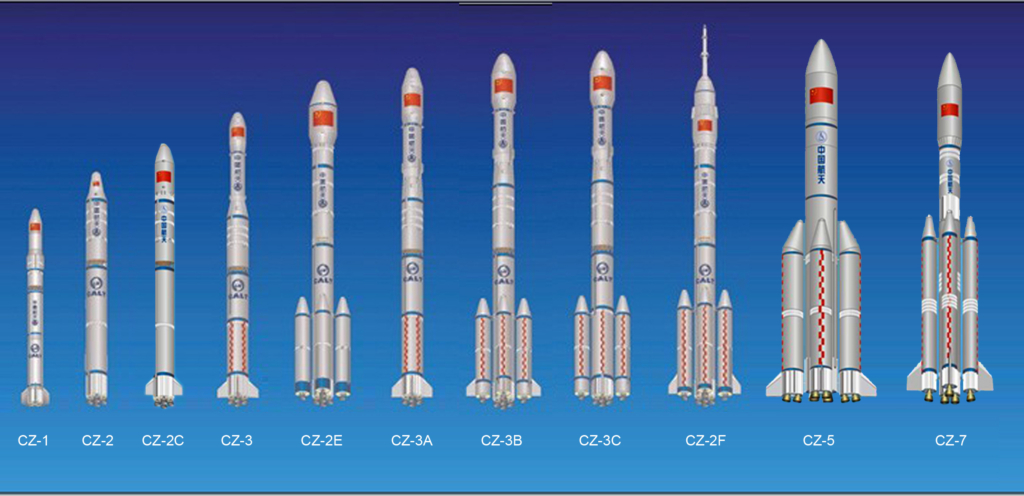
The wider Long March-10 architecture is expected to launch the Mengzhou crew spacecraft and the Lanyue lunar lander as China works towards its goal of landing astronauts on the Moon before 2030.
Earlier this year, CASC also completed an in-flight abort test of the Mengzhou spacecraft, another milestone in the programme’s development. In that context, developing a reusable first stage is not simply about lowering launch costs.
Future lunar missions are expected to require multiple launches to place crew vehicles, lunar landers and supporting hardware into orbit before departure for the Moon. Reusing boosters could reduce both the cost and complexity of sustaining that launch tempo.
Reusability has become the defining trend in launch systems
China’s latest demonstration comes as reusable launch technology becomes an increasingly important focus across the global space industry.
SpaceX remains the only company to have commercialised orbital booster reuse at scale, routinely recovering and re-flying Falcon 9 first stages.
The approach has enabled the company to dramatically increase launch frequency while reducing the cost per mission.
Blue Origin has also demonstrated recovery and reuse through its New Shepard programme and has begun recovering New Glenn first stages.
Japan has recently completed its own reusable rocket technology demonstration through JAXA’s RV-X vehicle, which successfully carried out a vertical take-off, hover and landing test as part of work supporting future reusable launch systems.
Honda has also demonstrated reusable rocket technology through its research programme.
Europe, meanwhile, continues development of the Callisto reusable launcher demonstrator through a partnership involving France, Germany and Japan.
Rather than following the same engineering path as SpaceX, these programmes illustrate that agencies and companies are exploring several different approaches to solving the same problem: recovering expensive rocket hardware without compromising payload performance.
Rocket recovery is only the first milestone
Although the Long March-10B successfully returned its first stage, a reusable launch system requires much more than a successful recovery.
The next challenge is determining how quickly the booster can be inspected, refurbished and returned to flight.
SpaceX took several years to progress from its first successful Falcon 9 landing to routine reuse, gradually reducing refurbishment times while proving that boosters could safely fly multiple missions.
Today, individual Falcon 9 boosters have completed numerous flights, making rapid reuse a normal part of commercial launch operations.
China has yet to demonstrate that level of operational maturity.
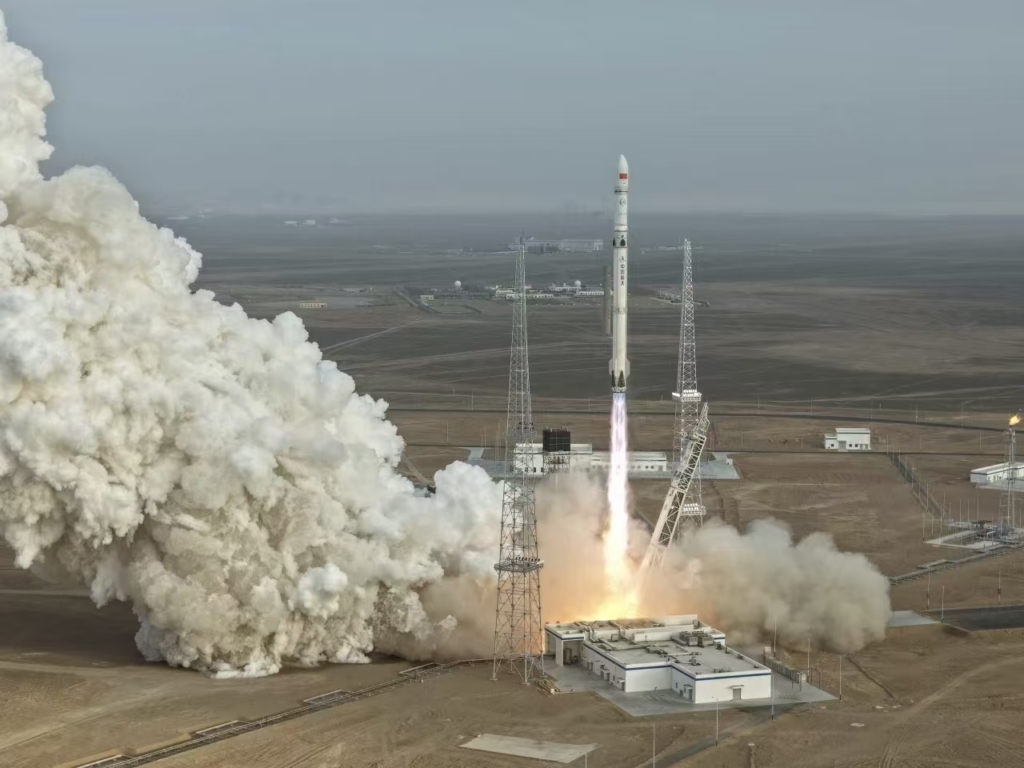
CASC has said it plans to fly the recovered Long March-10B first stage again before the end of the year, a milestone that would provide the first evidence of how the net-capture system performs over repeated missions.
Until then, questions remain about refurbishment requirements, turnaround time and the durability of both the booster and the sea-based recovery system.
Competition extends beyond launch vehicles
The Long March-10B recovery also reflects broader changes in the global space sector.
Governments are investing heavily in reusable launch technologies because lower launch costs make it easier to deploy large satellite constellations, support national space programmes and sustain ambitious exploration missions.
China’s Long March-10B has demonstrated that there is more than one way to recover an orbital-class rocket booster and that the global race to develop reusable launch systems continues to gather pace.


