UK aerospace and defence sectors add £46.8bn as aircraft backlog grows

5 min read

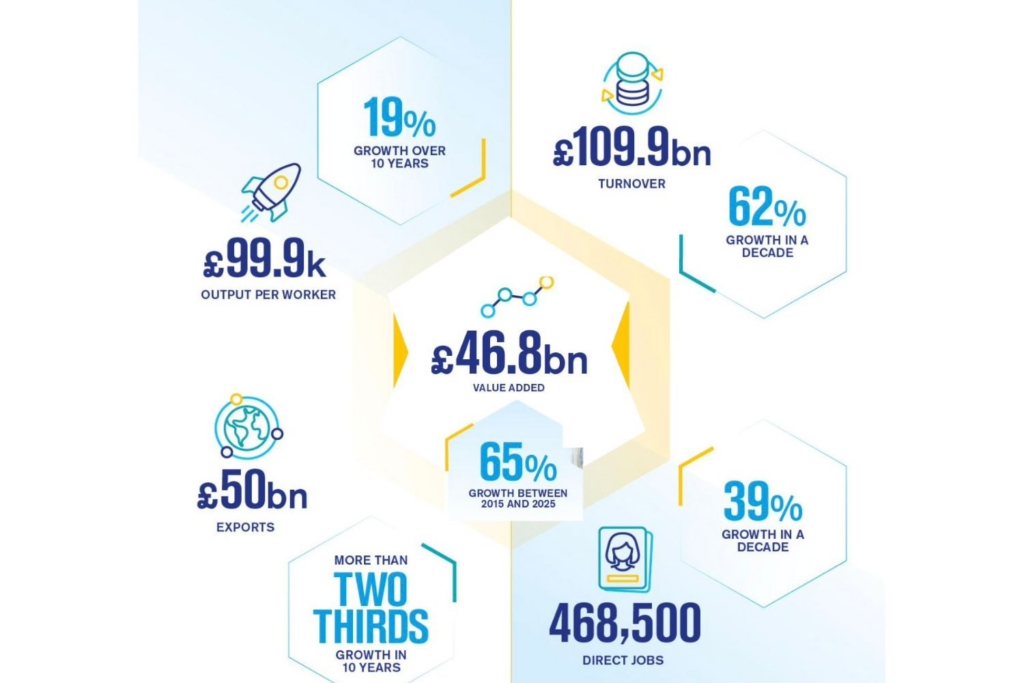
The UK’s aerospace, defence, security and space sectors added £46.8 billion to the economy in 2025, as new ADS figures show the scale of industries that support aircraft production, national security, exports and high-value jobs across the country.
The latest ADS Facts and Figures report shows the sectors generated £109.9 billion in turnover, delivered £50 billion in exports and supported 468,500 direct jobs.
The figures also point to long-term growth. Turnover has increased 62% over the past decade, value added has grown 65% between 2015 and 2025, and direct employment has risen 39% in 10 years.
Output per worker reached £99,900, up 19% over the decade, underlining the high-productivity nature of the industries represented by ADS.
Kevin Craven, chief executive of ADS, said the figures showed “the remarkable resilience of the sectors that we represent” despite a difficult geopolitical and economic backdrop.
“Our members are building the capabilities that the armed forces rely upon, developing the technologies that will shape the future of aviation, protect our national security and keep the world connected,” he said.
The numbers point to an industry that has recovered strongly from the pandemic, but is still constrained by supply chain pressure, skills shortages and the challenge of increasing production rates after several turbulent years.
The defence outlook also points to the potential jobs impact of higher UK spending. Aimie Stone, ADS chief economist, said ADS modelling suggests that raising defence spending to 3% of GDP could create around 50,000 additional defence jobs by 2035, with a rise to 3.5% supporting closer to 85,000 extra roles.
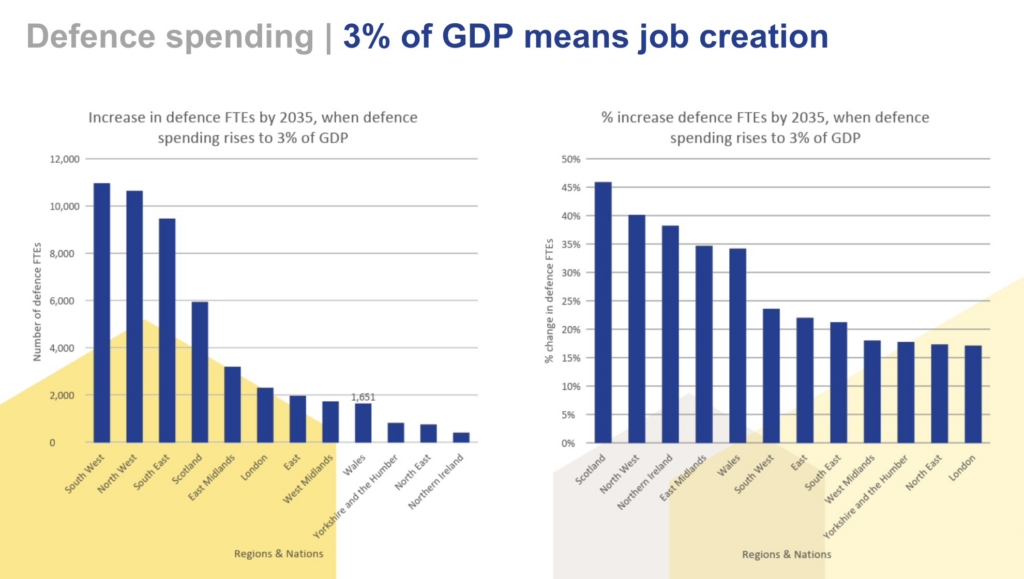
She said the modelling was useful because it shows “in the numbers that defence can generate jobs”, adding that this has previously been “a difficult conversation” for industry.
Aircraft backlog shows pressure on aerospace supply chain
According to ADS, commercial aircraft deliveries reached 518 in the first five months of 2026, a record for that point in the year and up 45% year on year. Orders have also remained strong, with 1,139 aircraft ordered in the first five months of 2026, while cancellations stood at just 82.
New aircraft affect everything from airline growth plans and route launches to fares, onboard comfort and fuel efficiency. For manufacturers and suppliers, however, the figures show both opportunity and pressure.
The global commercial aircraft backlog has reached around 16,900 aircraft, equivalent to roughly 12 years of work at current production rates.
Aircraft orders recover as airlines rebuild confidence
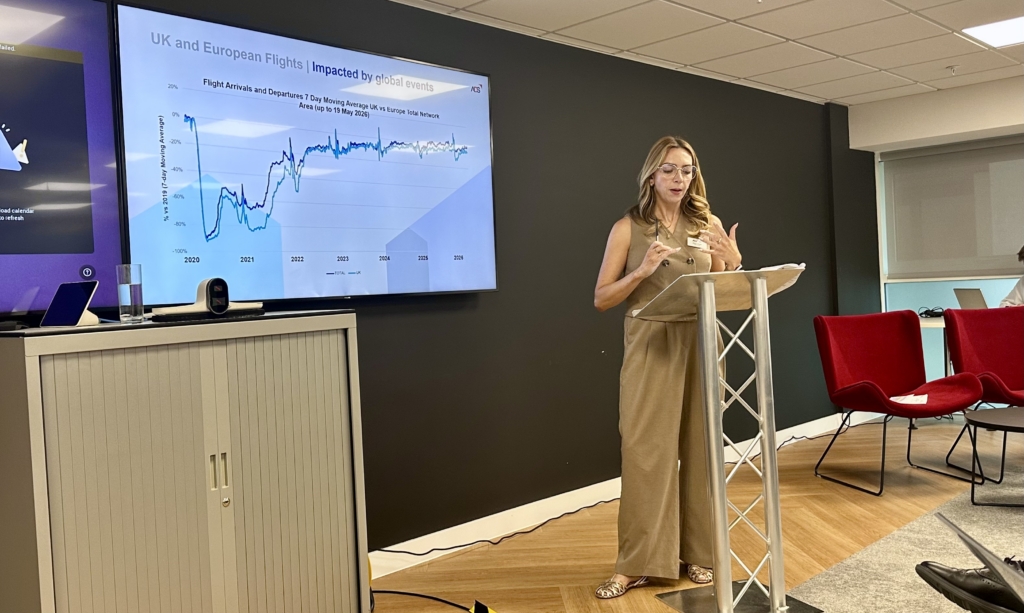
Aimie Stone said the data showed confidence returning to the aircraft market as flight activity continues to recover.
“The good news is that industry is well on its way to being back up to flights that we would have seen before,” she said, adding that demand is reflected in airlines and lessors committing to new aircraft.
Stone said the low level of cancellations was particularly important because it showed customers were sticking with their aircraft commitments.
“It does go to show that lessors or airlines, whoever is buying or committing those orders, are sticking with them,” she said. “They are not changing their minds.”
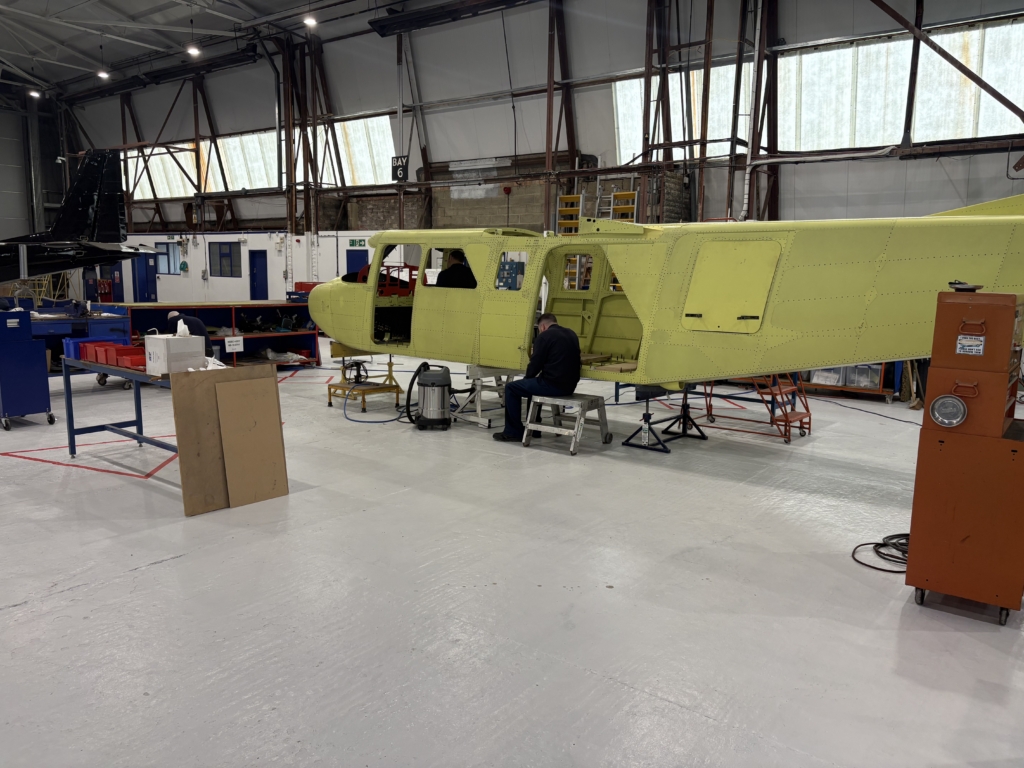
That’s a welcome signal after several years in which airlines have been forced to deal with delayed deliveries, engine availability issues and changing travel patterns. A strong orderbook gives manufacturers and suppliers confidence, but it also raises expectations that aircraft will arrive when promised.
The backlog is also increasingly skewed toward narrowbody aircraft, the type used on short and medium-haul routes. ADS figures show the single-aisle backlog reached 13,803 aircraft in 2026, compared with 3,106 widebody aircraft.
That reflects where much of the airline industry’s growth is concentrated: high-frequency domestic and regional markets, low-cost carrier expansion and replacement of older aircraft with more efficient models.
UK aerospace exports show why supply chain decisions matter
The UK has a major stake in whether manufacturers can meet that demand.
ADS figures show the UK aerospace sector employed 113,000 people in 2025, generated £14.2 billion in gross value added, recorded £41.5 billion in turnover and delivered £30.6 billion in exports.
Stone said exports were a major driver of aerospace growth, underlining the UK’s position in global aircraft supply chains.
“You can’t deny how important the UK is on the global scale,” she said. “We want to make sure that we are on the next generation of aircraft. We want to make sure that we are part of that next supply chain decision.”
The challenge is no longer finding demand, but ensuring UK suppliers have the investment, workforce, certification capacity and production resilience needed to capture a larger share of future programmes.
Kevin Craven said ADS members were already “developing the technologies that will shape the future of aviation”, but warned that growth should not be taken for granted.
Across the sectors represented by ADS, businesses are still facing rising costs, constrained access to finance and ongoing supply chain pressures, he said. Those challenges “limit investment, slow growth and ultimately affect our competitiveness”.
For aerospace specifically, Craven said the priority is “supporting production ramp-up, securing the UK’s role in future aircraft programmes and strengthening international regulatory cooperation”.
The message is clear: aircraft demand has returned, but the next phase of the recovery will be judged by delivery.
For airlines, that means whether they can get the aircraft they need to grow and replace older jets. For passengers, it could affect new routes, capacity and the speed at which more fuel-efficient aircraft enter service. For the UK, it is about whether one of its most export-focused industries can turn the global aircraft backlog into long-term jobs, investment and industrial growth.