


UK Defence Secretary John Healey resigns after seeing what’s in the Defence Investment Plan

10 min read
The UK’s Defence Secretary, John Healey, has resigned, warning that the government’s defence funding settlement “falls well short” of what is needed at a time of rising threats to Britain and NATO.
In a resignation letter to Prime Minister Kier Starmer, Healey said he had “no other option” but to step down, concluding that the Defence Investment Plan settlement would not provide the armed forces with the resources required.
“This is a letter I never expected to write, and I do so now with great regret and reluctance,” Healey wrote.
Healey noted his pride in the government’s record on defence, including support for Ukraine, the establishment of Britain as a leading voice for Europe in NATO and the publication of the Strategic Defence Review. He congratulated the Prime Minister on the decision to raise defence investment to 2.5% of GDP “three years earlier than anyone expected”.
However, he said the threat environment had worsened since Labour entered government and that the Defence Investment Plan needed to meet both immediate operational demands and longer-term reforms recommended by the Strategic Defence Review.
“Since then, you have been unable, and the Treasury has been unwilling, to commit the resources that the nation needs to defend the country at this time of rising threats,” Healey wrote.
DIP financial settlement ‘falls well short’ of what UK defence needs today
Healey’s letter noted that he had first seen the Defence Investment Plan (DIP) financial settlement on Monday afternoon this week. He said that the settlement “falls well short of what is required for defence and the country at this dangerous time.”
The outgoing defence secretary noted that, in the draft DIP, financial support is ‘backloaded’ and would rise to just 2.68% of GDP by 2030. The UK government has committed to spending 3.5% of GDP on defence by 2035, and Healey has campaigned for reaching 3% by 2030 as a pathway to this goal.
“This commitment would have strong cross-party support,” Healey wrote. “Other European allies are stepping up in this way.”
He further argued that, at the current levels of spending, GDP investment will reach 2.6% by next year. The incremental 0.8% rise proposed between then and 2030, Healey said, was forcing him “to make decisions that would reduce the readiness of our Forces and increase the risk to personnel on operations, and could make the country less safe.”
“After explaining to you that I would not be able to accept a DIP settlement that does not give our Forces the resources they need, I am now left with no other option than to submit my resignation as your Defence Secretary,” Healey concluded.
What is the Defence Investment Plan?
The Defence Investment Plan is the missing piece between Britain’s defence ambitions and the money needed to deliver them.
The Strategic Defence Review set out a 10-year vision for reshaping the Armed Forces, from rebuilding readiness and strengthening NATO commitments to investing in new technologies and giving UK industry a bigger role in national security. But a vision is only useful if it is funded.
The Defence Investment Plan is expected to show which capabilities the government will prioritise, how quickly spending will rise, and how the UK will turn strategic intent into real-world military power.
Delays are not only affecting the armed forces but also the industry that supplies them. Small businesses waiting more than a year for a decision are struggling financially, with some even shutting down as a result.
Its publication has been delayed amid a dispute over how much extra money defence should receive. Healey’s resignation has now turned that delay into a political crisis and raised a more important question: whether the UK is prepared to pay for the defence posture it says it needs.
ADS CEO laments the ‘damning reflection’ on the state of UK defence
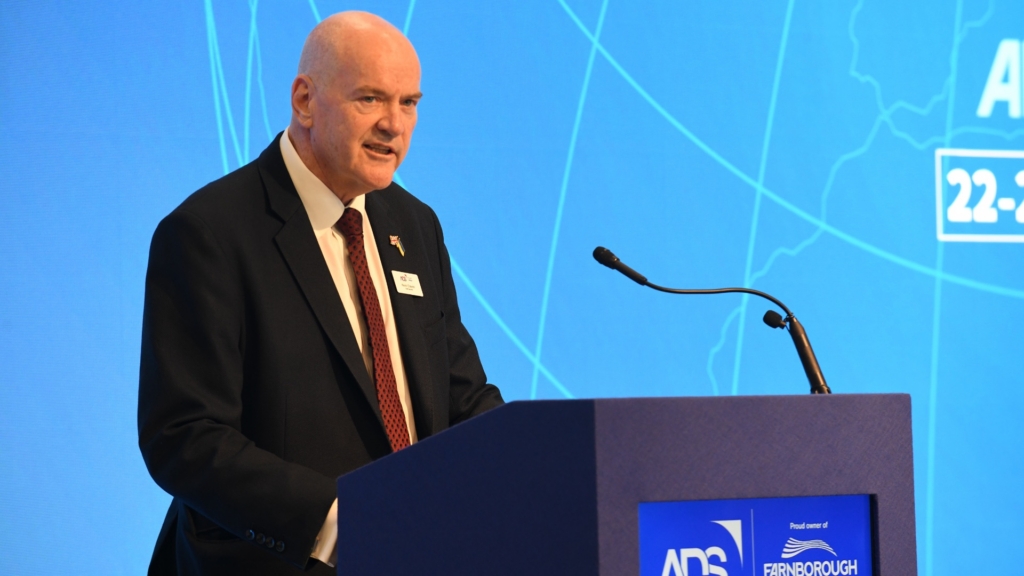
Kevin Craven, CEO of ADS – the UK’s trade body for the aerospace, defence, security and space sectors, representing over 2,000 businesses – expressed shock at the sudden departure of the minister.
“The news of the Rt Hon John Healey’s resignation today is one that has sent us reeling,” Craven said. “Over the years that I have known him, he has consistently shown himself to be an intelligent, supportive and highly principled man, who has the best interests of UK defence as top of mind in everything that he does.
“His resignation today is something to lament, and is truly a damning reflection on the current state of affairs.”
While Healey is the first resignation relating to the delayed DIP publication, many others have spoken out regarding the government’s lack of commitment. Just last week, the Public Accounts Committee published a scathing report on the delays, accusing the government of ‘squandering the opportunities’ provided by technological advancements to modernise the armed forces.
“Whatever the content of the DIP when it eventually does appear, the damage from its absence has been done — to the nation’s credibility, to its safety, to its armed forces, and to certainty within its entire defence industrial base,” said Sir Geoffrey Clifton-Brown, who chaired the committee.
Just yesterday, opposition leader Kemi Badenoch accused the prime minister of ‘dithering’ over defence spending and pressed the government to raise taxes to give the armed forces what they need.
Starmer has said that the plan would be published before a NATO summit in July. The concern now, however, will be that the DIP, when it is released, will not be everything it should.
The risk of getting the Defence Investment Plan wrong
Originally planned for publication in autumn 2025, the spending plan has been repeatedly delayed. Built off the back of the Strategic Defence Review, a 10-year vision to transform the armed forces, the plan was expected to serve as a commitment of the resources required to make that vision a reality.
But with the SDR now over a year old, the requirements have become more urgent, and more expensive. As Healey said in his letter, “the demands on defence have increased still further, as have the UK commitments you have rightly made to allies.”
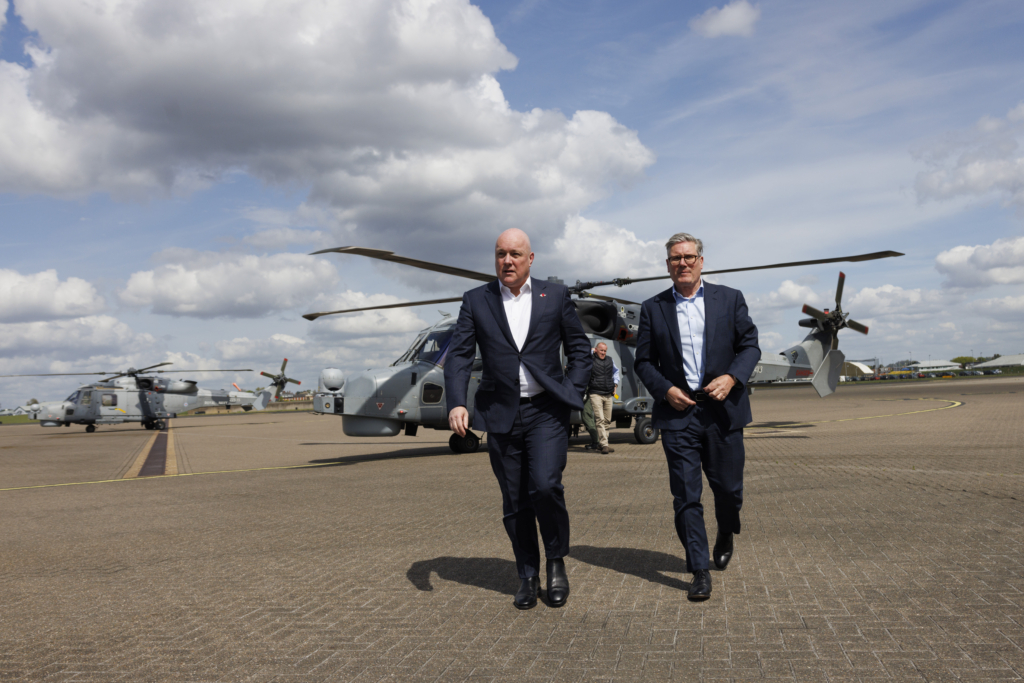
Alongside Sir Keir, Chancellor Rachel Reeves and Defence Secretary Healey have been wrangling over additional funding, after the MoD identified a £28 billion funding gap. However, Sky News reports that the government has only offered a £13 billion uplift, prompting Air Chief Marshal Sir Richard Knighton to write to the Prime Minister yesterday expressing concerns.
“The consequences for the UK, and indeed our allies, of getting our Defence Investment Plan wrong – as now seems certain – are of a magnitude far beyond our worst fears,” said ADS CEO Craven. “National security and defence of the realm is not an accountant’s job.”
The government may argue that the final plan cannot be judged before it is published. But for defence companies, the delay is not a procedural detail; it’s a commercial and strategic problem.
“It is imperative that an adequately funded Defence Investment Plan is published as soon as possible,” Craven added. “It should not take the resignation of an honourable man for that realisation to sink in.”
Defence Secretary Healey’s resignation letter in full
Rt Hon John Healey MP
11th June 2026
Dear Keir,
This is a letter I never expected to write, and I do so now with great regret and reluctance.
I am proud of what we have done in less than two years as a Labour Government. We’ve stepped up to lead internationally for Ukraine with the Coalition of the Willing and Ukraine Defence Contact Group, established Britain as a leading voice for Europe in NATO, raised defence investment to 2.5% of GDP three years earlier than anyone expected, launched the deepest defence reforms in 50 years, won the biggest UK defence export deals for decades, published a first-of-its-kind Strategic Defence Review, gave our Armed Forces the biggest pay rise in nearly 20 years, boosted military morale, fixed over 1,200 of the worst forces family homes, reset relations with European allies and signed major defence agreements with Germany, Norway and France.
You have led this as PM, earning wide respect at home and abroad. Like me, I know you are exceptionally proud of our Forces and all of those who work in UK Defence.
We came into government, recognising Britain faced a new era of threat which demanded a new era for defence. The SDR we jointly commissioned set the 10-year vision to transform our Armed Forces, strengthen alliances, invest in the technology that is changing warfare and back British industry to make defence an engine for growth.
This new era for defence required further investment through the Defence Investment Plan. The excellent and extensive cross-government work that completed in January, overseen by you, me and the Chancellor, confirmed the scale of the challenge and the rising demands on defence.
Since then, you have been unable, and the Treasury has been unwilling, to commit the resources that the nation needs to defend the country at this time of rising threats.
Since then, the demands on defence have increased still further, as have the UK commitments you have rightly made to allies. Conflict in the Middle East, with the UK now leading the multinational Strait of Hormuz military mission; High North security, with the UK now leading NATO’s Arctic Sentry mission; increased Russian activity towards the UK and NATO nations and increased attacks in Ukraine, with the Paris Agreement confirming a British deployment to Ukraine after a ceasefire.
We have worked to secure a Defence Investment Plan that does two things. First, deal with the increasing operational demands on defence now and step up the SDR actions to meet the increasing threat. Second, set a clear path to meet the new NATO commitment you agreed to spend 3.5% of GDP in 2035 through the next Spending Review.
As we have regularly discussed, I am certain that a headmark date for 3% of GDP on defence in 2030 is what Britain must set. This commitment would have strong cross-party support. Other European allies are stepping up in this way.
I know how hard you have worked to get to this point. And in funding the DIP, I fully recognise the strain this places on colleagues in other Departments, both now as you have required spending switched into defence and in the future. I am very grateful to those colleagues who have supported this, and I appreciate how difficult their choices will have been.
As I’ve outlined to you, there are credible ways of meeting the mid-term funding challenges, working multi-nationally and as other European nations are doing, to allow us to protect our ability to deliver the missions of our Labour Government.
However, your DIP financial settlement, which I was first given in full on Monday afternoon this week, falls well short of what is required for defence and the country at this dangerous time. The extra support is backloaded when the pressure of operations and imperative to speed up readiness to fight is in the first two years and it rises to just 2.68% of GDP in 2030, when we will reach 2.6% next year with the investment we are already making.
You spelled out the threats last week: “it is our intelligence assessment, and the assessment of other countries in NATO, that there could be an attack by Russia on NATO as soon as 2030.”
You know what defence needs. You made the argument for this powerfully in your speech at the Munich Security Conference back in February. Without a DIP that meets the moment in this way, I am being forced to make decisions that would reduce the readiness of our Forces and increase the risk to personnel on operations, and could make the country less safe.
After explaining to you that I would not be able to accept a DIP settlement that does not give our Forces the resources they need, I am now left with no other option than to submit my resignation as your Defence Secretary.
I wish you all continuing strength in the exceptional challenges you face as Prime Minister. As always, our Labour Government will continue to have my fullest support.
Rt Hon John Healey MP
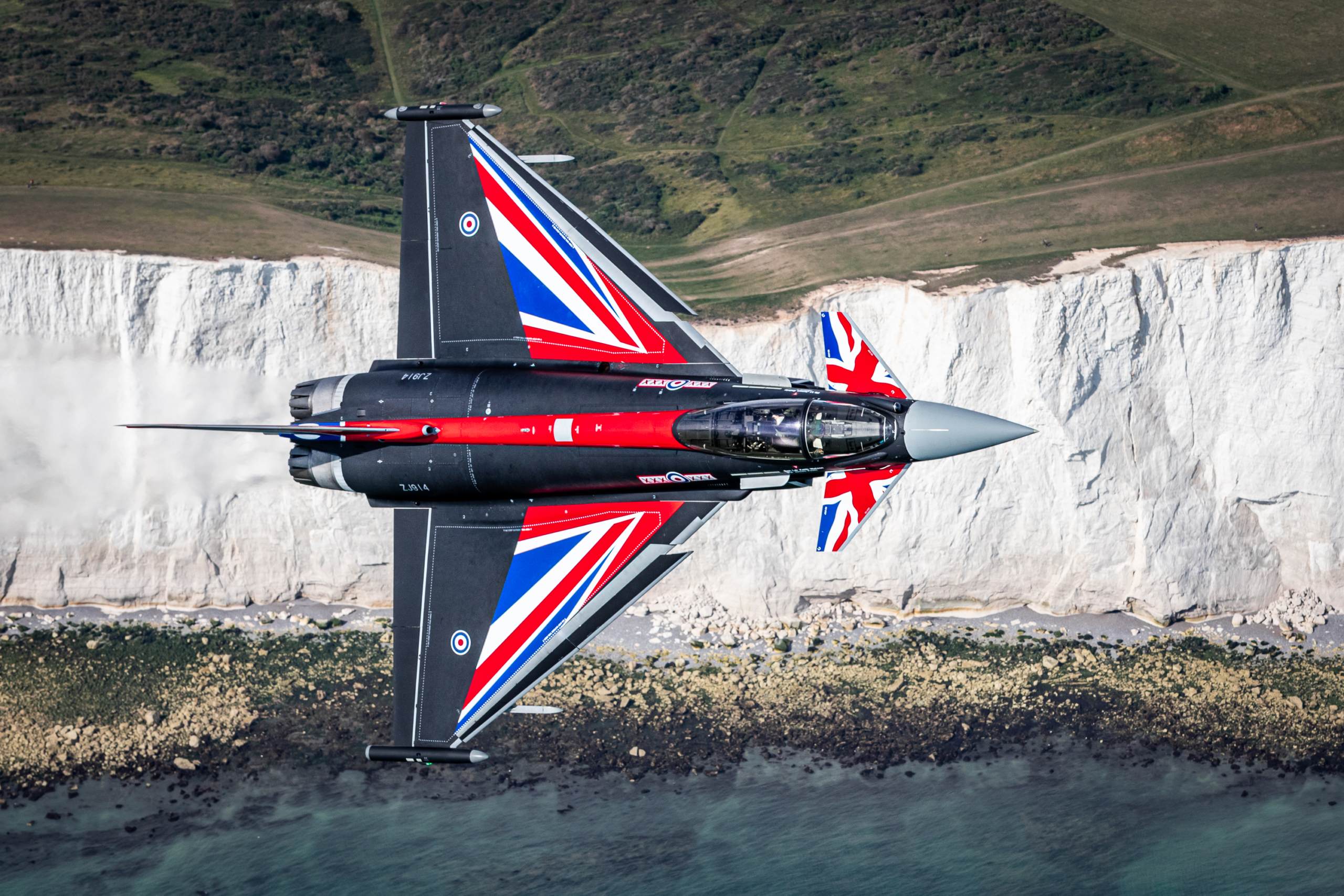
Featured image: RAF
Sign up for our newsletter and get our latest content in your inbox.


More from


September 11, 20265 min read

September 12, 20264 min read


