Uganda Airlines signs $985 million deal with Boeing for 10 passenger and cargo aircraft

5 min read
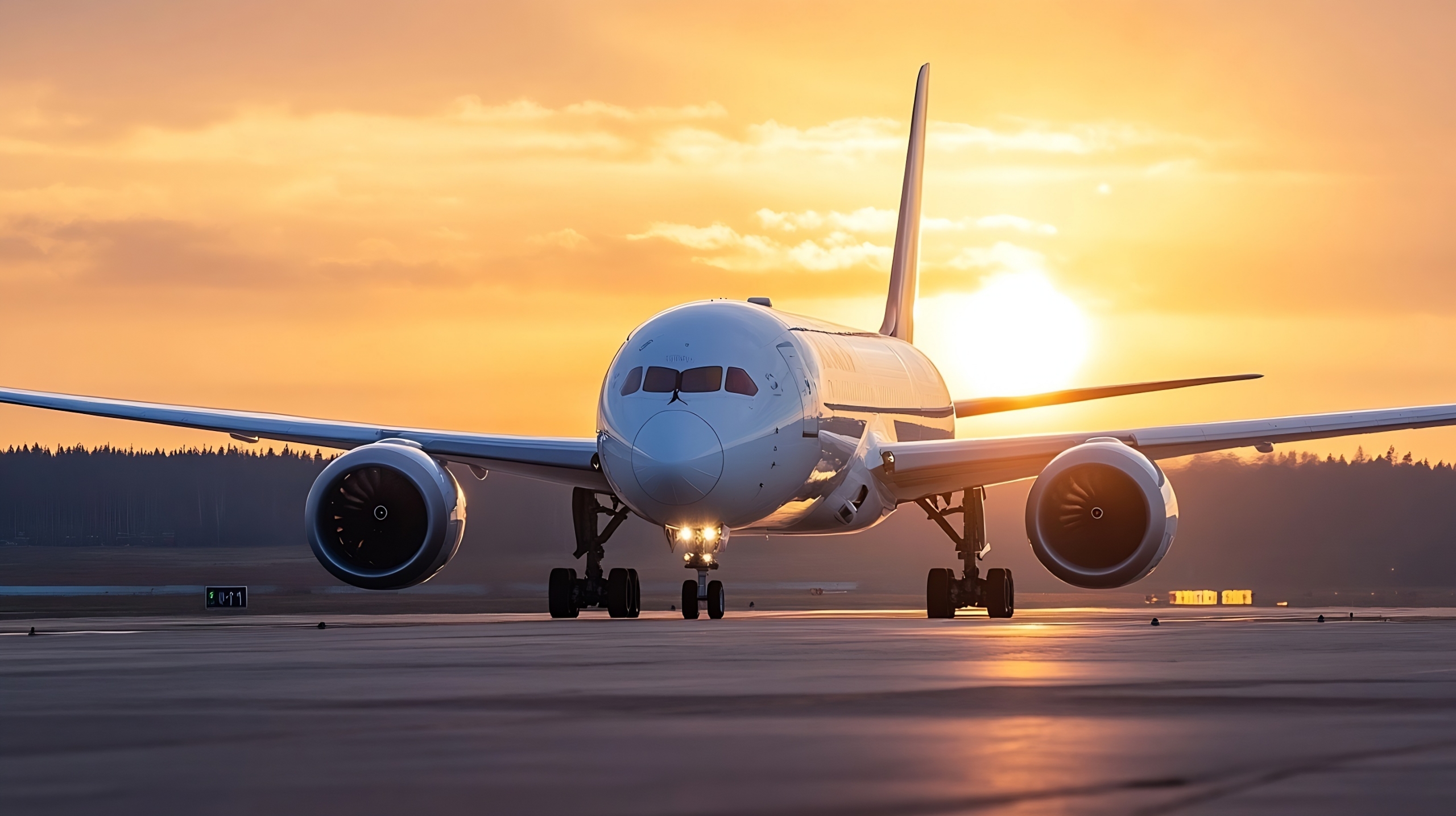
Uganda Airlines has signed an agreement with Boeing for the supply of ten aircraft, including passenger planes and freighters.
The deal, reported to be worth $985 million, will see the East African carrier accelerate a fleet modernisation plan that will allow it to serve more markets across Africa, Europe and the Middle East.
Uganda Airlines orders ten Boeing aircraft
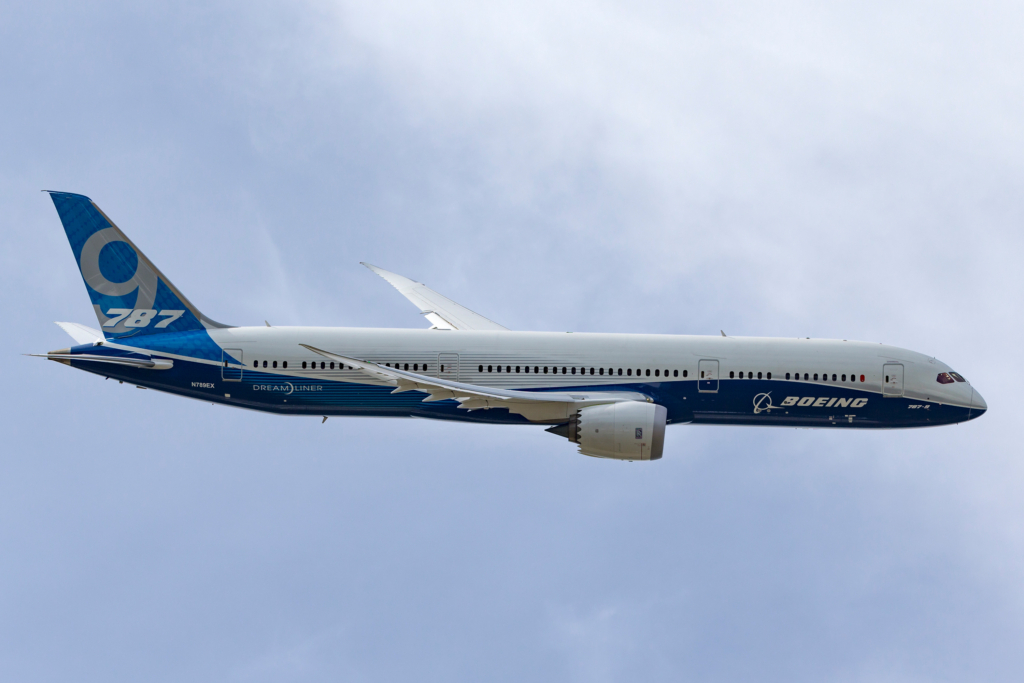
The agreement, signed in the presence of Uganda’s President Yoweri Museveni on 10 June, covers four Boeing 787-9 Dreamliner passenger aircraft, each capable of carrying 294 passengers, four Boeing 737 MAX family planes plus two freighters – a widebody Boeing 767 converted freighter and a narrowbody 737 converted freighter, according to Ugandan officials.
Uganda Airlines Acting Chief Executive Officer Girma Wake signed the agreement on behalf of the carrier, while Boeing’s Executive Vice President and Head of Sales for Africa, Anbessie Yitbarek, represented the US manufacturer.
President @KagutaMuseveni today witnessed the signing of a landmark agreement between @UG_Airlines and @Boeing for the acquisition of 10 new aircraft, a major step in expanding Uganda’s aviation capacity and global connectivity.
— State House Uganda (@StateHouseUg) June 10, 2026
The fleet expansion, which includes passenger and… pic.twitter.com/XuI5VQ5Vns
The signing ceremony was held at the State House in Entebbe in the presence of senior government officials, US Embassy officials, members of the Board of Directors of Uganda Airlines, and representatives of Boeing. The airline will make an initial deposit of more than $122 million to begin implementing the agreement.
According to a report in Business Insider Africa, the first phase of the agreement will cover the four 787 Dreamliners, although officials have not disclosed the full delivery schedule of the new aircraft.
“The fleet expansion, which includes passenger and cargo aircraft, will strengthen trade, tourism, and investment, and position Uganda as a key regional aviation hub,” Uganda’s State House wrote in a post on X.
In a statement, Uganda Airlines said the new aircraft would significantly increase the carrier’s ability to serve regional, continental and international markets while supporting the country’s economic transformation agenda.
Additionally, the airline said that the new aircraft would facilitate trade, investment, tourism, and cargo development in the country. This, in turn, would contribute to Uganda’s Vision 2040 programme, which aims to achieve middle-income status for the country by 2040.
“It is a very expensive project, but the President said that we have no other option,” said Works and Transport Minister Fred Byamukama. “We need to build our own airline. That is how Uganda can be connected to the rest of the world,” Byamukama added that the new planes would reduce Uganda’s dependence on transit hubs and support direct links with investors and tourists.
He also commented that he hoped that the new fleet members would better connect Uganda with the rest of the world and bring many international investors to the country.
Under the terms of the deal, Boeing has pledged technical support, training and capacity-building programmes to Uganda Airlines.
However, analysts believe that the commercial success of the deal will largely depend on Boeing’s delivery schedules, route economics and Uganda Airlines’ ability to convert the additional capacity into sustainable revenue.
Uganda Airlines operates a small and varied fleet
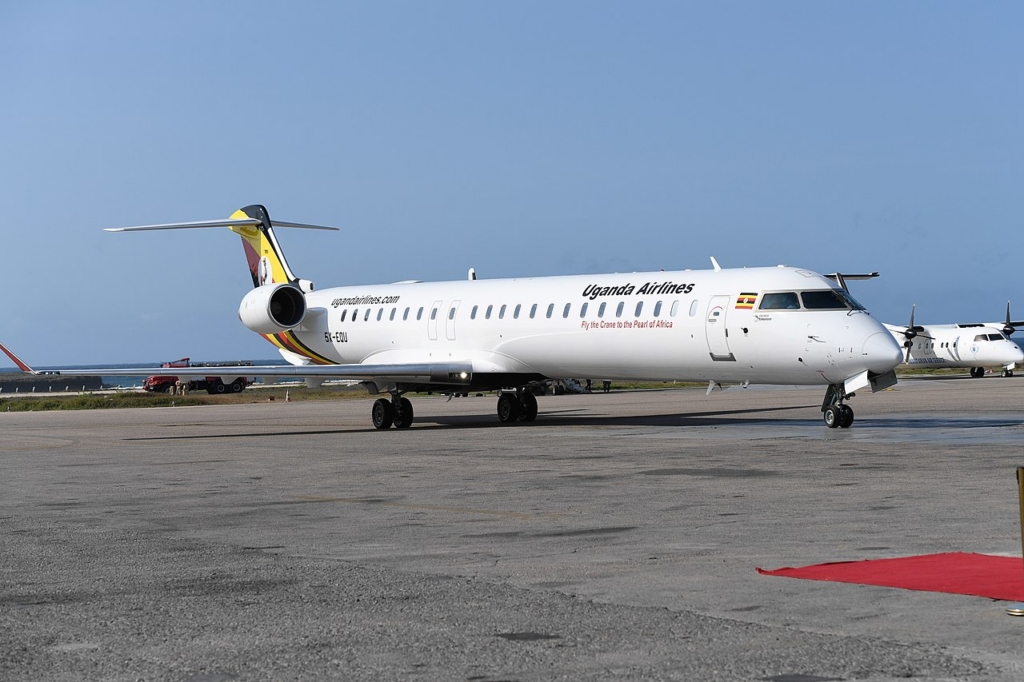
Uganda Airlines remains one of East Africa’s smaller national carriers, with just seven active aircraft in its current fleet. This includes two Airbus A330-800neos, one wet-leased Boeing 737 (from Ethiopian Airlines), plus four Bombardier CRJ-900 regional jets.
This compares to other East African carriers such as Ethiopian Airlines, which has 157 active aircraft and Kenya Airways with 34 planes.
Therefore, while this latest investment by Uganda Airlines will shore up its own operations, it is unlikely to cause any major competitive waves in the wider African market.
Uganda Airlines moves to shore up its operations
Uganda’s order follows months of operational disruption caused by aircraft shortages. In February, Uganda Airlines cancelled flights to Nigeria, London, Dubai and Mumbai after mechanical problems grounded its two long-haul Airbus A330s.
The airline temporarily secured a Boeing 787-8 Dreamliner from Ethiopian Airlines to restore some international services. Yet the issues with its small fleet underscored the carrier’s risks of relying on just a handful of aircraft.
In April, the carrier returned one of the two grounded Airbus A330-800neos to service. The aircraft, registered as 5X-NIL, flew an Entebbe (EBB) to Dubai (DXB) rotation on 17 April.
However, the grounding of the two A330s saw operational strain triggering widespread cancellations, with thousands of passengers disrupted as a result. At the time of writing, the other A330 (5X-CRN) remains grounded in Entebbe.
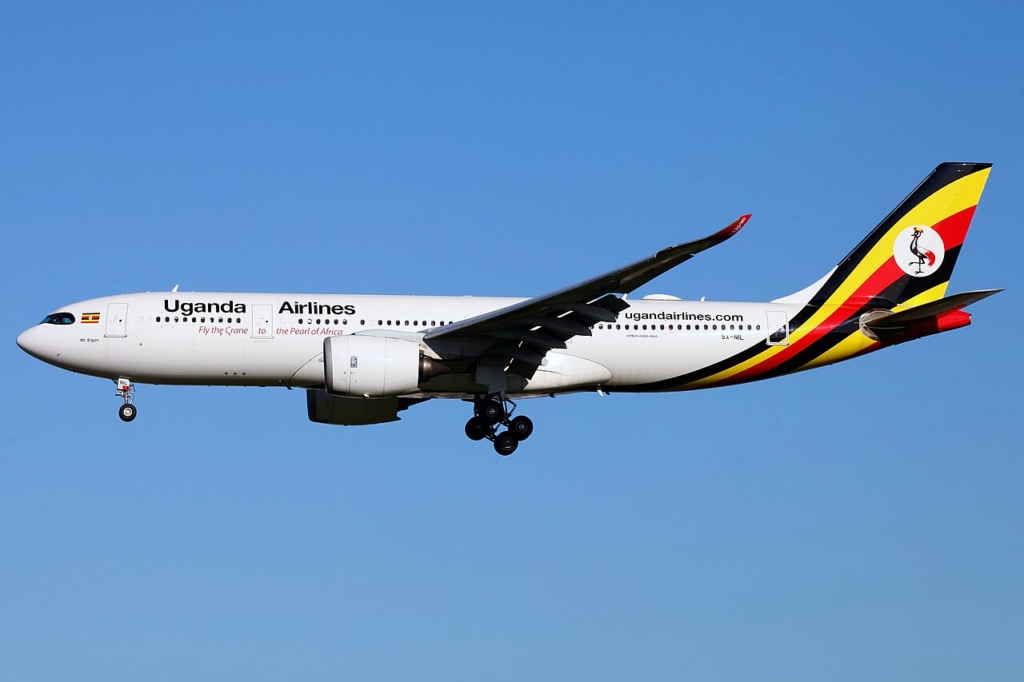
Then, in May, the airline announced it had leased an Ethiopian Airlines Boeing 737-800 to try to regain some stability in its regional operations.
The aircraft, which arrived in Entebbe on 12 May, is the first of two reportedly leased by Uganda Airlines for service across East Africa. Under the wet lease agreement, Ethiopian will provide crew, maintenance and insurance for the leased aircraft.
While the leasing in of aircraft has filled the gap in the airline’s schedules to an extent, the reputation damage caused to the airline has been widespread. Uganda Airlines will be hoping that by ordering new aircraft, some of that reputation can be restored in the longer term.
Featured image: Generative AI / stock.adobe.com