


Why Textron Aviation chose evolution over revolution for the new Cessna Citation Ascend

5 min read
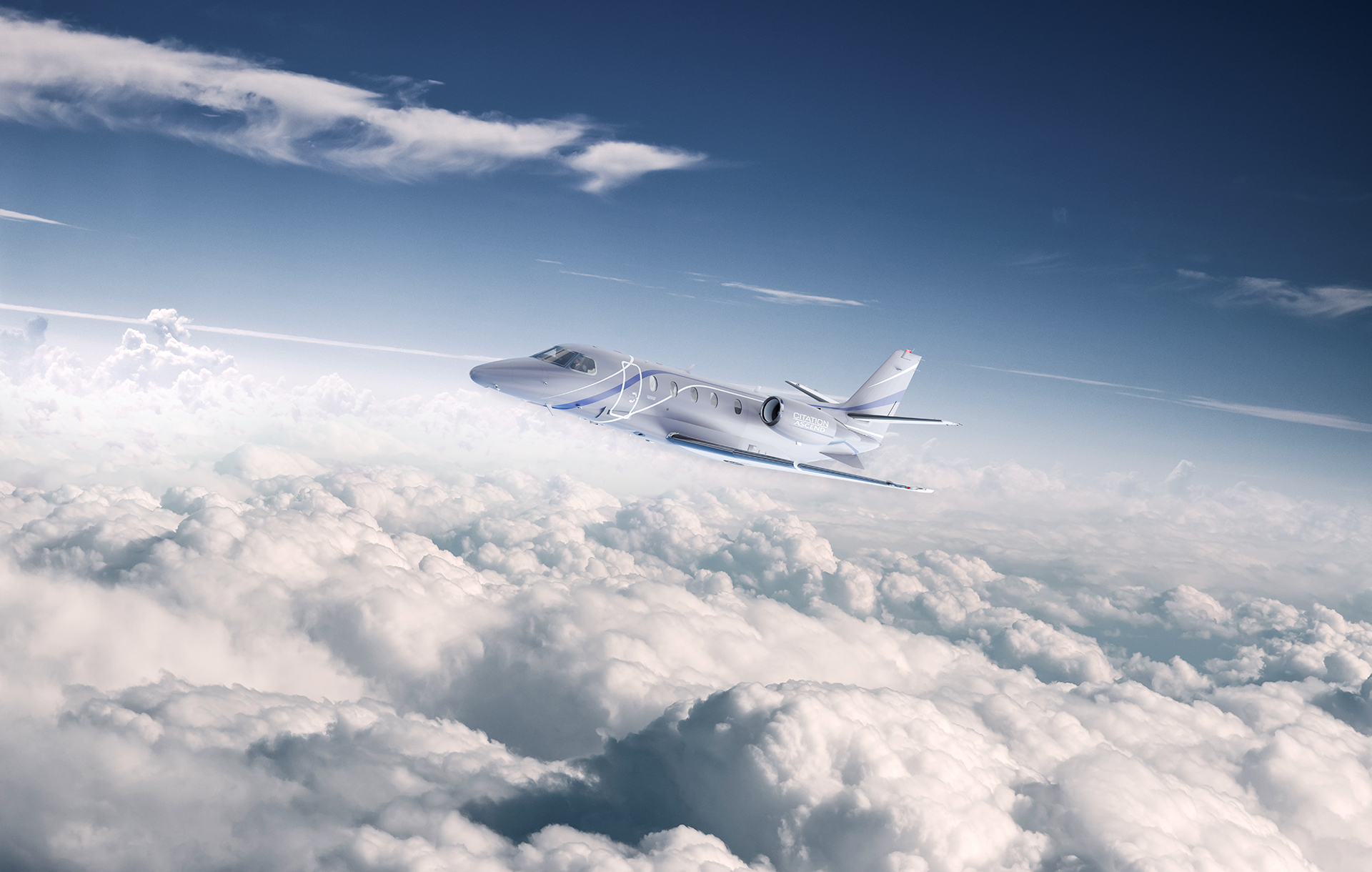
Textron Aviation’s Cessna Citation Ascend is one of the newest entrants in the business jet market. But its appeal rests on a familiar foundation.
Launched at EBACE in 2023, the Ascend secured FAA type certification in November 2025 and entered service at the end of the year, with a delivery to a retail customer on 30 December that year.
In May this year, the first fleet operator took delivery of not one but three Citation Ascends all at once. Launch customer NetJets signed a record-breaking agreement with Textron Aviation in 2023 for up to 1,500 Citations to be delivered over 15 years.
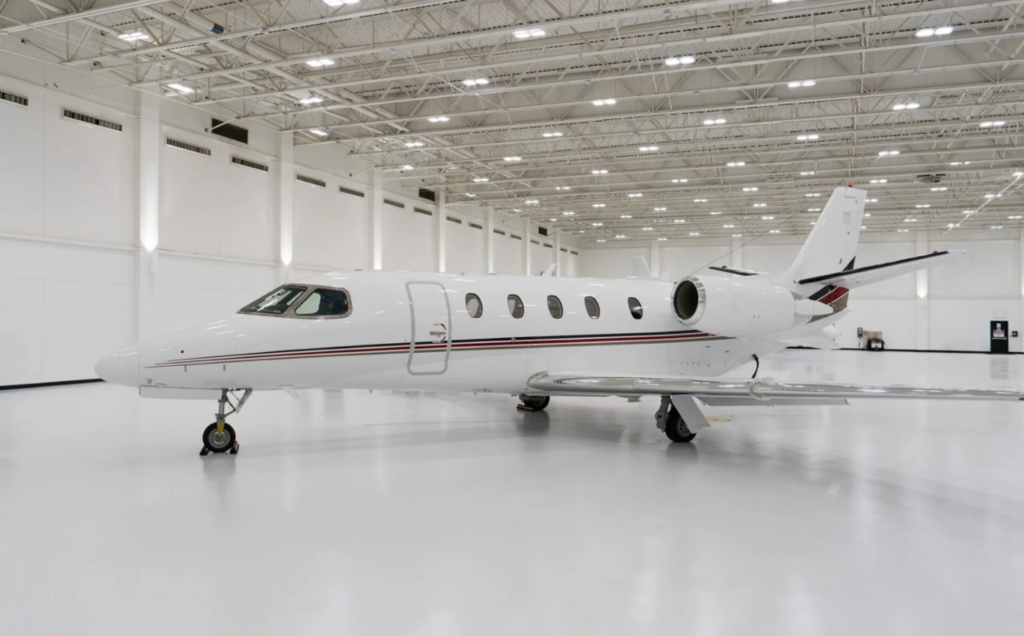
But the success of the Ascend, and ultimately much of the XLS family, rests on an aircraft that first flew in 1996; the Citation Excel, also known as the 560XL.
“The Cessna Citation 560XL series is the bestselling business jet family, and it’s a proven airframe,” Textron Aviation’s Duncan Van De Velde, vice president, Sales, Europe, told AGN in an exclusive interview. “In fact, a 560XL takes off or lands every 90 seconds somewhere in the world. There’s nothing else in the market like it.”
Building on the success of the Cessna Citation 560XL
Having seen great success with its Citation VII, Cessna saw an opportunity for an aircraft with the features of the Citation X, but aimed at a more traditional market. Announced in 1994, the first Model 560XL took flight in February 1996 and was certified in 1998.
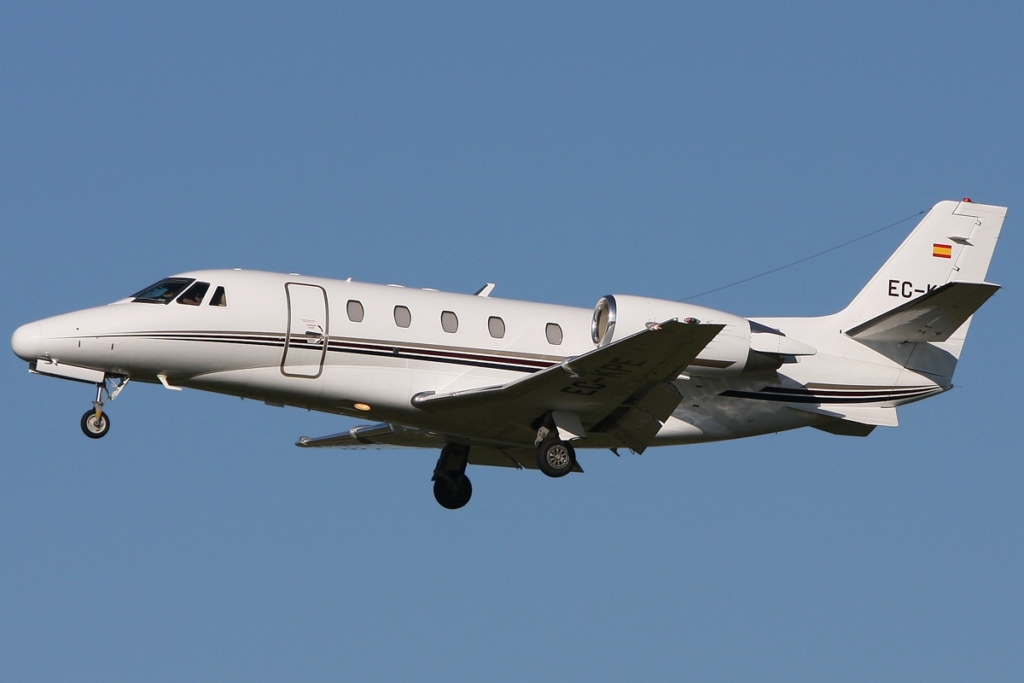
By the year 2000, a new aircraft was coming off the production line in Wichita every three days. In all, over 300 Excels were delivered before production switched to the XLS, with a new glass cockpit and upgraded engines.
Next came the ‘Plus’, or Citation XLS+, which added FADEC engine controls, even better engines and a redesigned nose.
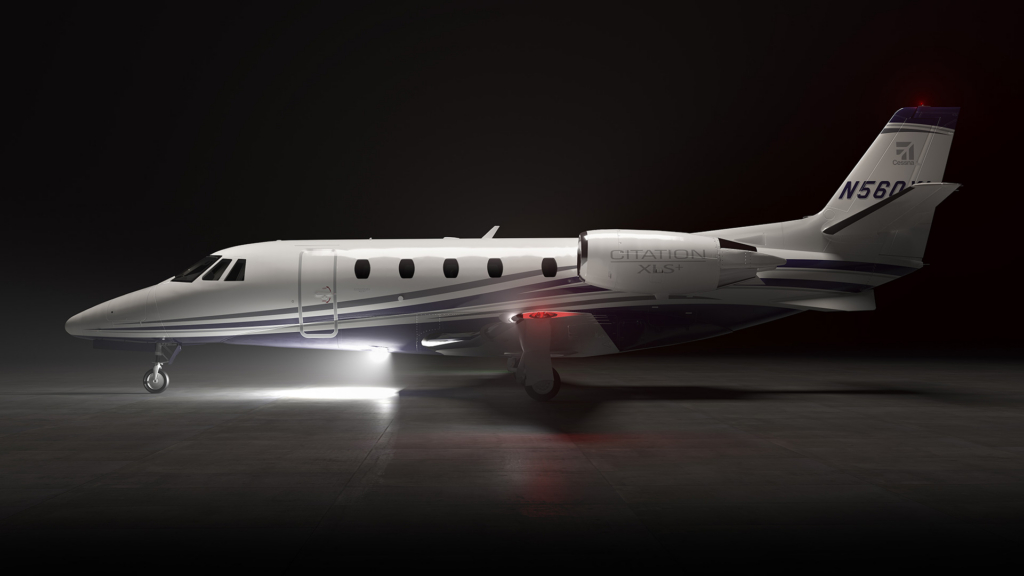
Now, the Ascend modernises the line again, with possibly some of the most important upgrades so far. Van De Velde explained the strategy behind upgrading a three-decade-old platform versus designing a clean-sheet aircraft.
“Our product strategy is to continuously upgrade our aircraft while also bringing clean sheet products to market,” he explained. “With the Citation Ascend, we see a next-generation evolution of a proven platform.
The Citation Ascend: Like the 560XL, but better
While the aircraft’s legacy might date back to the last century, the upgrades it has received have created a truly modern business jet. And like any good manufacturer, the aircraft was created with what the customer wants in mind.
“Textron Aviation worked with a Customer Advisory Board of owners, pilots, mechanics and passengers throughout the design of the Ascend to better understand what they wanted in the ultimate aircraft experience,” Van De Velde said. “We designed the Cessna Citation Ascend based on their feedback to really elevate the pilot and passenger experience.”
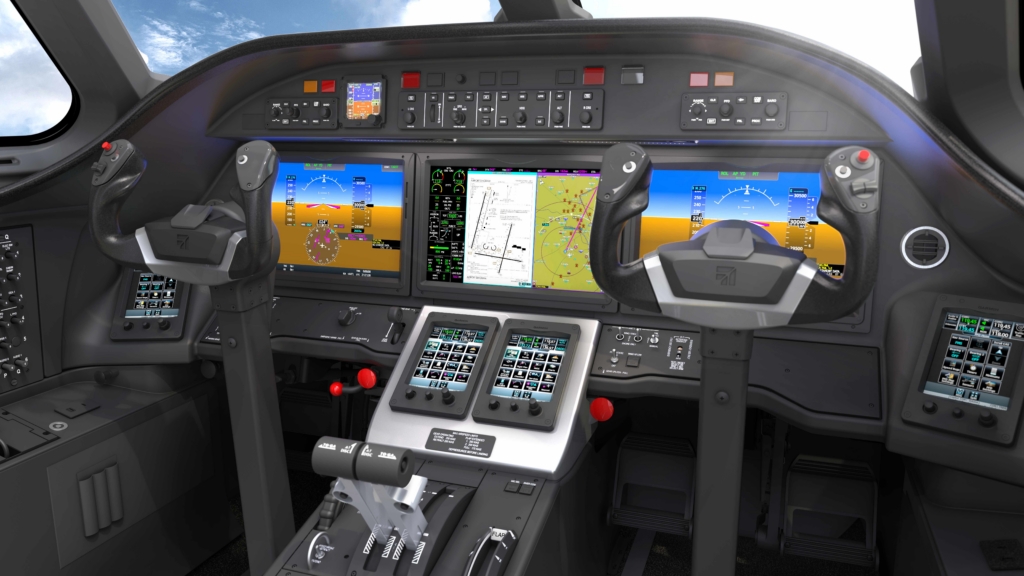
One of the biggest changes is in the cockpit, where the interface has been upgraded to the Garmin G5000 system. This is a first for the Excel line, and standardises the family with the rest of Cessna’s business jets.
“This will create a seamless experience for pilots as they move throughout our Cessna Citation jet lineup or operate multiple Citations,” Van De Velde explained. “This standardisation is due to direct feedback gathered from our Customer Advisory Boards.”
Powering the jet are a pair of Pratt & Whitney PW545D engines, with dual-channel FADEC controls. Compared with the Citation XLS+, the Ascend adds roughly 90 nautical miles of four-passenger range, extending the aircraft’s reach to around 1,940 nm.
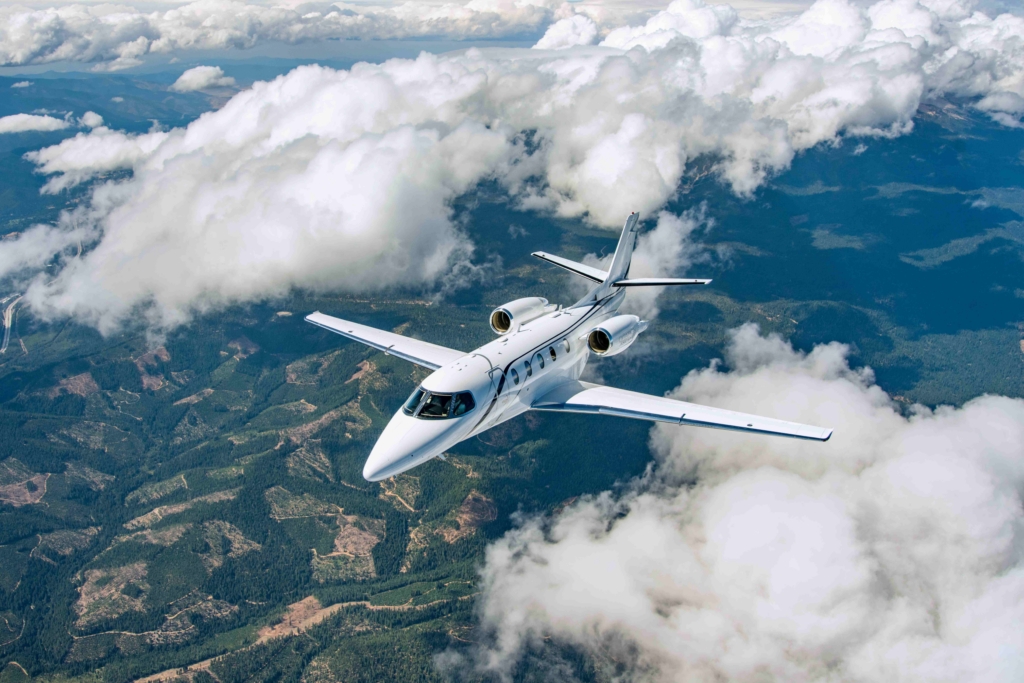
Payload gains are modest rather than transformative, but the Ascend combines slightly higher carrying capability with the additional range while preserving the short-field flexibility that made the 560XL family popular with operators.
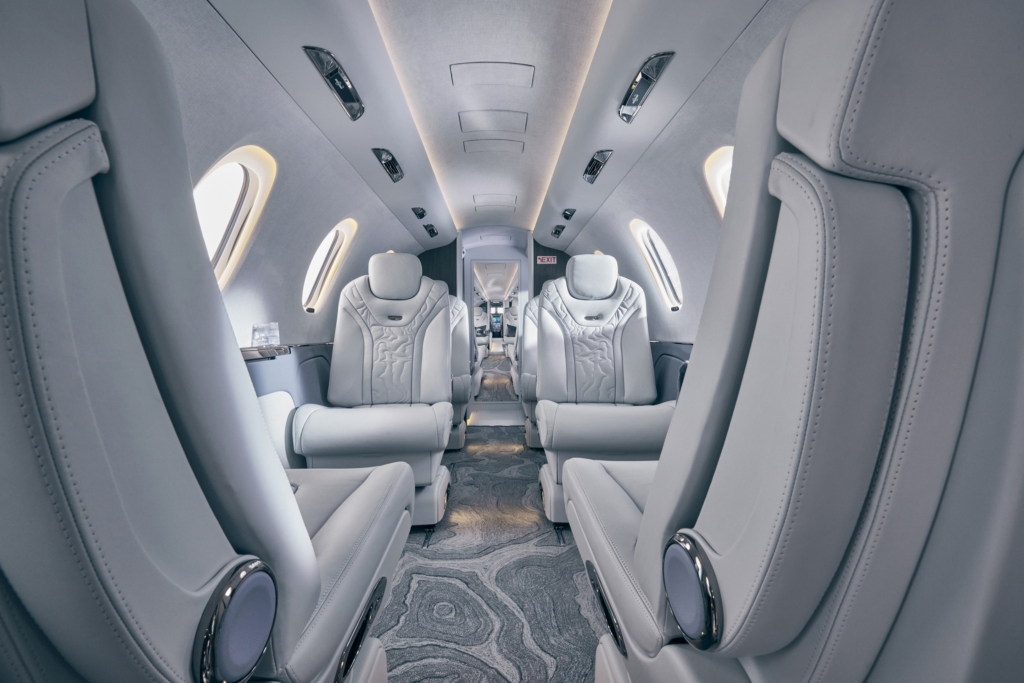
With the new engines comes a promise of a quieter cabin too. Textron Aviation has used enhanced sound dampening to create a quiet ambience usually reserved for larger jets.
“I can attest the cabin is noticeably quiet,” said Van De Velde, having been a passenger on the aircraft’s recent European tour. “The advanced acoustic treatment system in the aircraft allows passengers to engage in conversations, work or relax in an environment free of distractions, as cabin sound levels are similar to that of driving a car down the highway.”
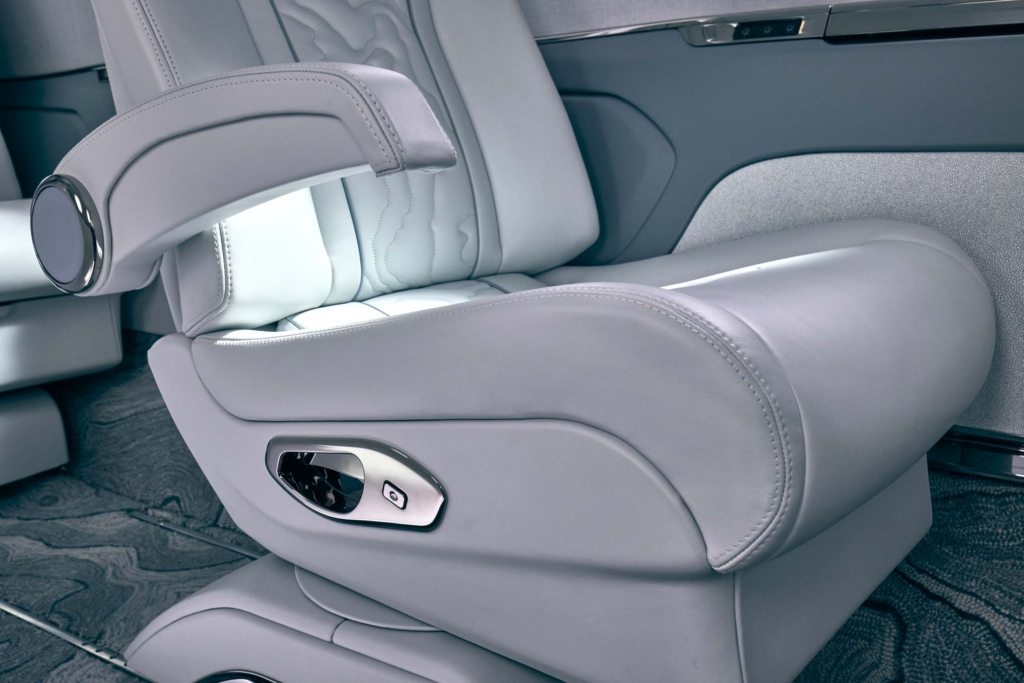
In the cabin, the Ascend has all the mod cons, from wireless phone charging to state-of-the-art cabin management systems. One of the more interesting features in the cabin is the optional Bongiovi ‘speakerless’ sound system… but how does that work?
“The system uses a series of 26 transducers and one subwoofer that delivers a high-fidelity, state-of-the-art audio experience to the cabin,” Van De Velde explained. “By integrating audio directly into the structure of the aircraft, customers gain a great audio experience in addition to cleaner lines, less visual distraction and a more relaxing cabin environment.”
The Citation Ascend is built to be an operator favourite
Textron Aviation has clearly worked hard to create a midsize business jet that really appeals to passengers. But the Ascend strives to appeal to operators, too.
The aircraft is also being pitched around dispatch reliability, easier maintenance planning and predictable ownership costs.
Van De Velde said the Ascend builds on the 560XL family’s “best-in-class maintenance intervals” with an 18-month or 800-hour airframe schedule, supported by extended warranty coverage across avionics, engines, paint and interior. That includes a five-year or 5,000-hour Garmin warranty, two years of paint and interior cover, and five-year or 3,000-hour engine protection.

Engine overhaul periods extend to 6,000 hours, with hot section inspections at 3,000 hours, while the aircraft is equipped with Pratt & Whitney’s FAST box and Textron Aviation’s LinxUs system to support diagnostics and maintenance planning.
That focus on predictability is also reflected in Textron Aviation’s support packages. Van De Velde said the company’s ProAdvantage programmes are designed to provide “factory-direct support for parts, labour and engines through a single monthly payment structure”, helping operators manage costs over the life of the aircraft.
The result, Textron Aviation argues, is an aircraft designed not only to improve the passenger experience, but to make day-to-day operations simpler for owners, flight departments and high-utilisation operators.
“Operationally, it provides strong payload capability and excellent short-field performance,” Van De Velde concluded, “giving customers access to a wider range of airports and mission profiles.”
Sign up for our newsletter and get our latest content in your inbox.


More from


September 17, 20263 min read


September 17, 20265 min read
September 17, 20263 min read


