


Airbus warns of A350 delays due to Spirit AeroSystems supply issues

3 min read
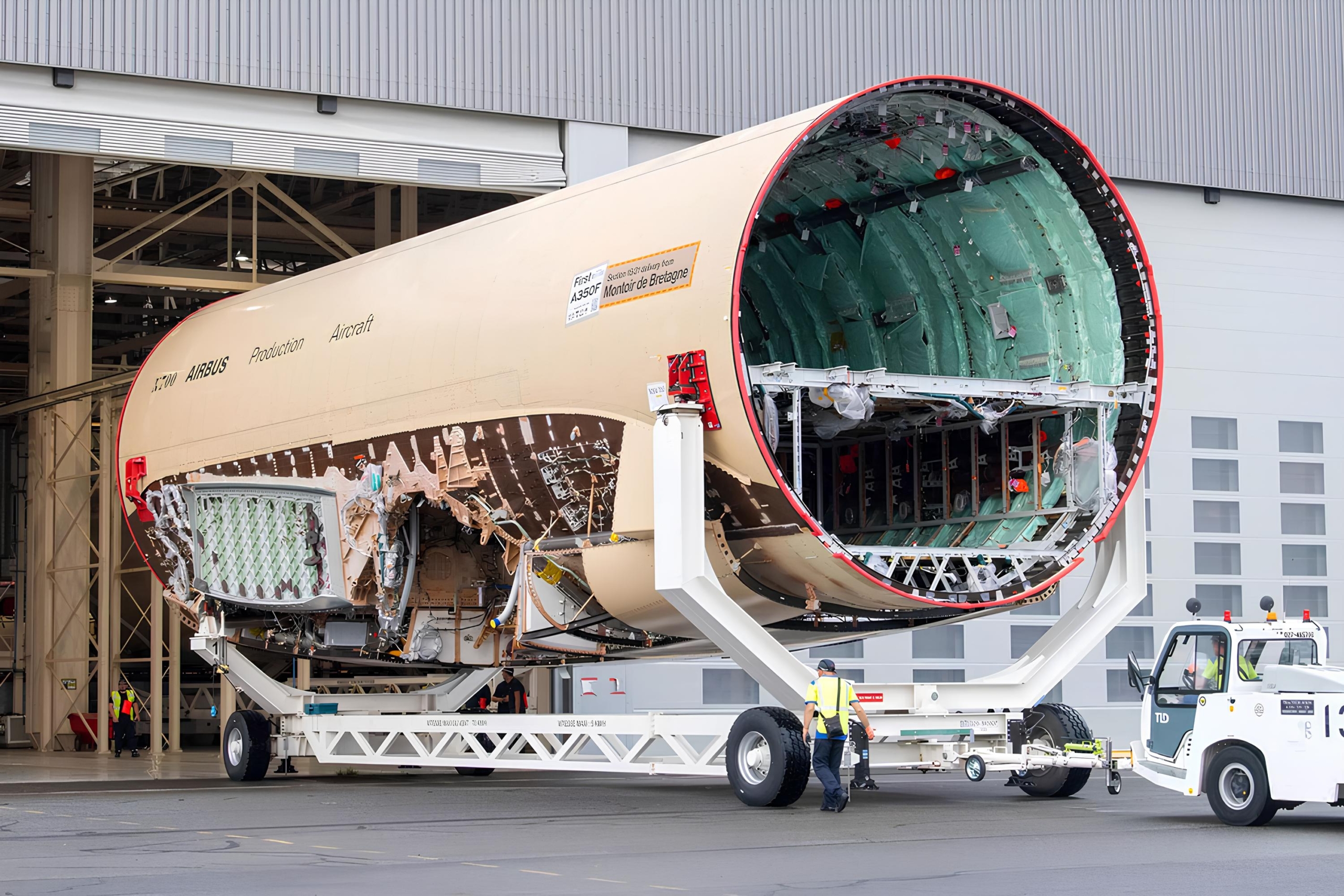
Airbus has warned some airline customers that deliveries of the Airbus A350 could face delays amid supply chain problems at former Spirit AeroSystems facilities now under Airbus control.
As Reuters has reported, citing industry sources, Airbus informed select customers on May 20 that ongoing disruption at the former Spirit plant in Kinston, North Carolina, is affecting the flow of major A350 fuselage sections.
Spirit AeroSystems’ return to Boeing complicates Airbus production
Airbus took over Spirit AeroSystems’ operations in North Carolina, as part of the supplier’s breakup following Boeing’s reacquisition of its former division. The European planemaker took charge of Spirit sites that produced critical components for Airbus aircraft; Kinston manufactures A350 fuselage sections.
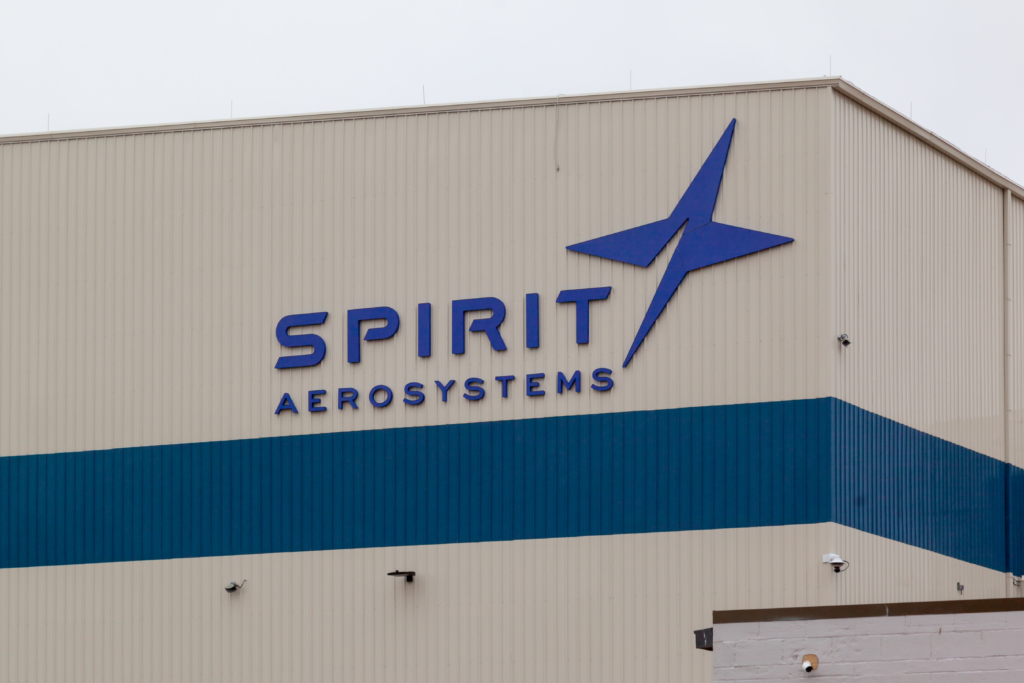
Industry sources told Reuters that staffing shortages and operational disruptions at Kinston during the transition have hampered Airbus’s efforts to stabilise production there. Some employees have reportedly chosen to return to Boeing-related Spirit operations during the restructuring, putting pressure on the Airbus production ramp-up.
Airbus’ A350 ramp-up complicated by key supplier
Airbus has set a target to deliver 870 aircraft this year, though most of the delivery burden will fall on its narrowbody aircraft production lines. The European planemaker has been working to increase A350 production rates while also facing industrial pressures.
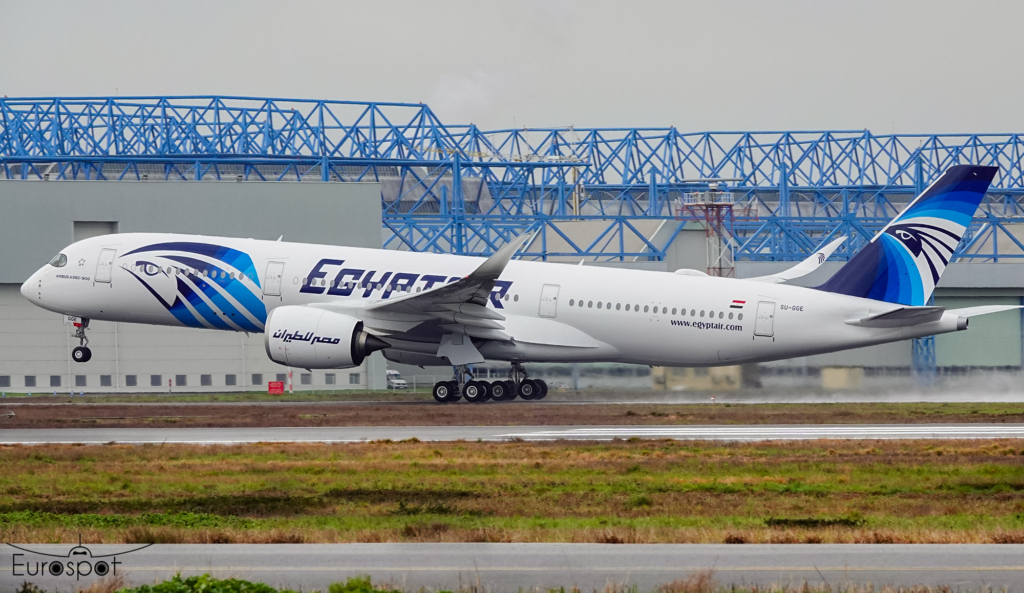
In January of this year, Airbus only delivered a single A350-900 to SWISS. In February, Airbus delivered two A350s: the first A350-900 to Egyptair, and an A350-1000 to Japan Airlines. By March, deliveries accelerated, with eight A350s delivered in total, including six A350-900s and two A350-1000s.
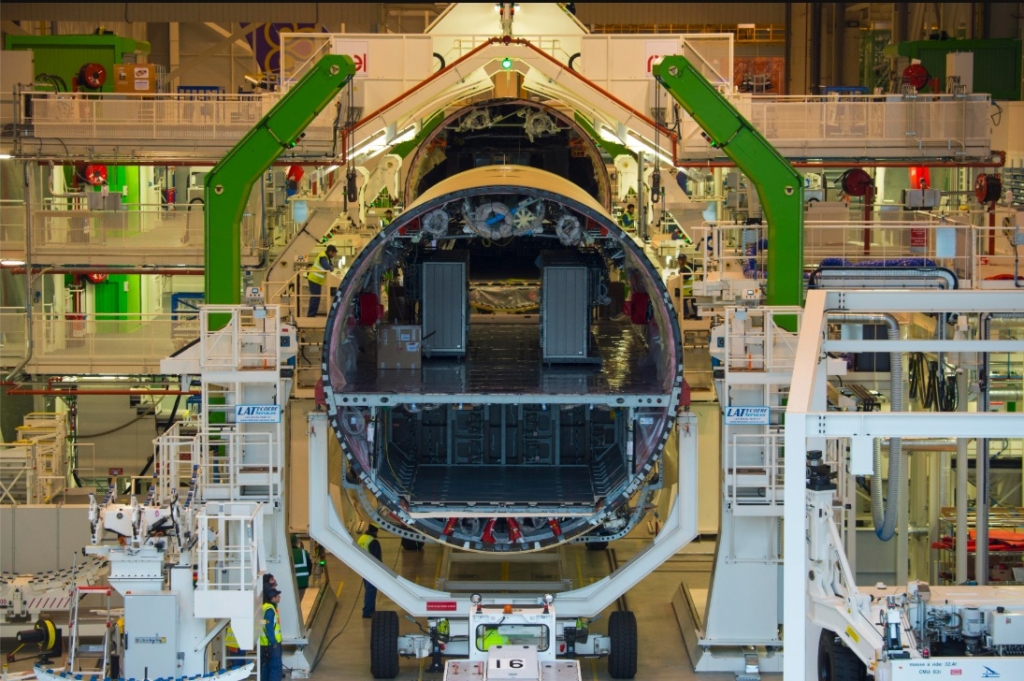
Demand for the widebody remains strong, with Airbus recording 35 new orders in the first quarter of this year, including 15 A350-900s and 30 A350Fs. During the Q1 earnings call in April, Airbus CEO Guillaume Faury confirmed plans to ramp up production rates to 12 A350s per month by 2028.
Airbus has not publicly confirmed the latest delays. Still, the warning could raise concerns for airlines, which have been facing long waits for widebody aircraft, as both Airbus and Boeing struggle with new aircraft certification and stable production.
Airbus A350F also faces delays
Spirit production delays are also affecting the new freighter variant of the aircraft, the Airbus A350F, which has already slipped by two years from its original service-entry target of 2025. In 2023, Airbus delayed the programme to 2026 due to supply chain and industrial pressures.

Early last year, Airbus pushed the entry-into-service target back again to the second half of 2027, citing ongoing supply chain disruptions, including issues at the Spirit AeroSystems facilities that produce fuselage sections for the freighter.
Despite the latest disruption, Airbus reportedly still expects the A350F’s first flight and first delivery timelines to remain on track for 2027.
Airbus needs to increase deliveries to stabilise its financials
The ongoing production complications have put pressure on Airbus’ bottom line, with revenue dependent on deliveries. In the first quarter of this year, Airbus reported that its commercial aircraft division was hit hardest, with EBIT Adjusted falling by 84% to €81 million.
“The Q1 results reflect the lower level of commercial aircraft deliveries,” said CEO Guillaume Faury in the company’s Q1 earnings announcement. Faury described the main issue facing the planemaker as a “desynchronization between production and delivery” during the earnings call.
Lower deliveries also resulted in negative free cash flow for Airbus, at –€2.5 billion. Airbus CFO Thomas Toepfer said he expected a positive reversal in the company’s cash flow during the second quarter as deliveries increase, with some aircraft built during the first quarter handed over.
However, Airbus’ delivery recovery will continue to depend on stable deliveries from its key suppliers.
Featured Image: Airbus
Sign up for our newsletter and get our latest content in your inbox.


More from

October 25, 20266 min read

October 25, 20265 min read


