


Damage Inc. II: The retired B-52 teaching Boeing new tricks

5 min read
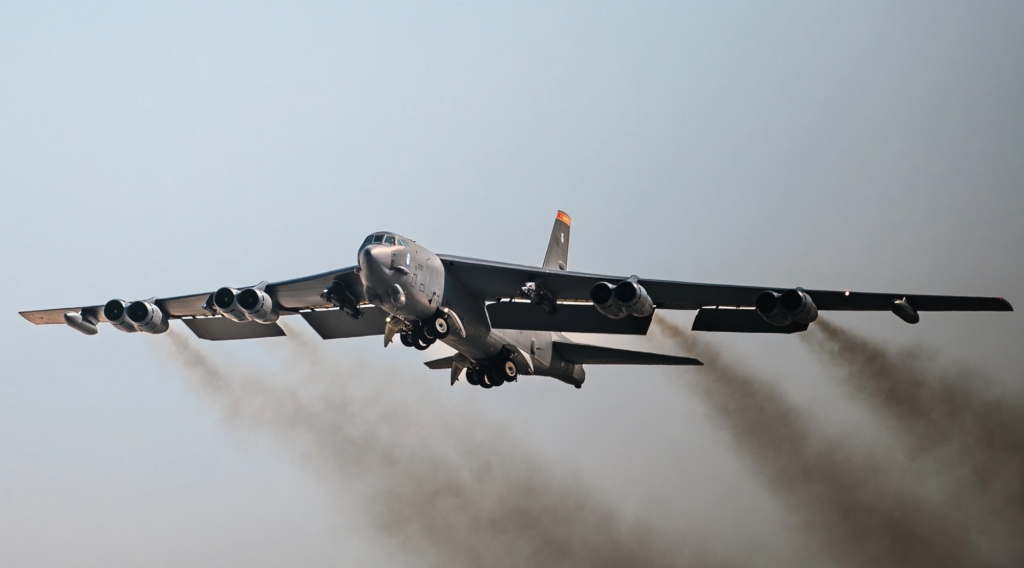
The US Air Force is moving forward with its Boeing Commercial Engine Replacement Program (CERP) to upgrade the B-52 with new Rolls-Royce engines and keep the aircraft flying beyond 2050.
In January 2026, AGN reported that the USAF had awarded Boeing a $2 billion contract for CERP, with the total cost many billions. While the programme may be overbudget and delayed, there are efforts like Damage Inc. II to reduce expenses and smooth the upgrade process.
B-52 Damage Inc. II hulk used for testing
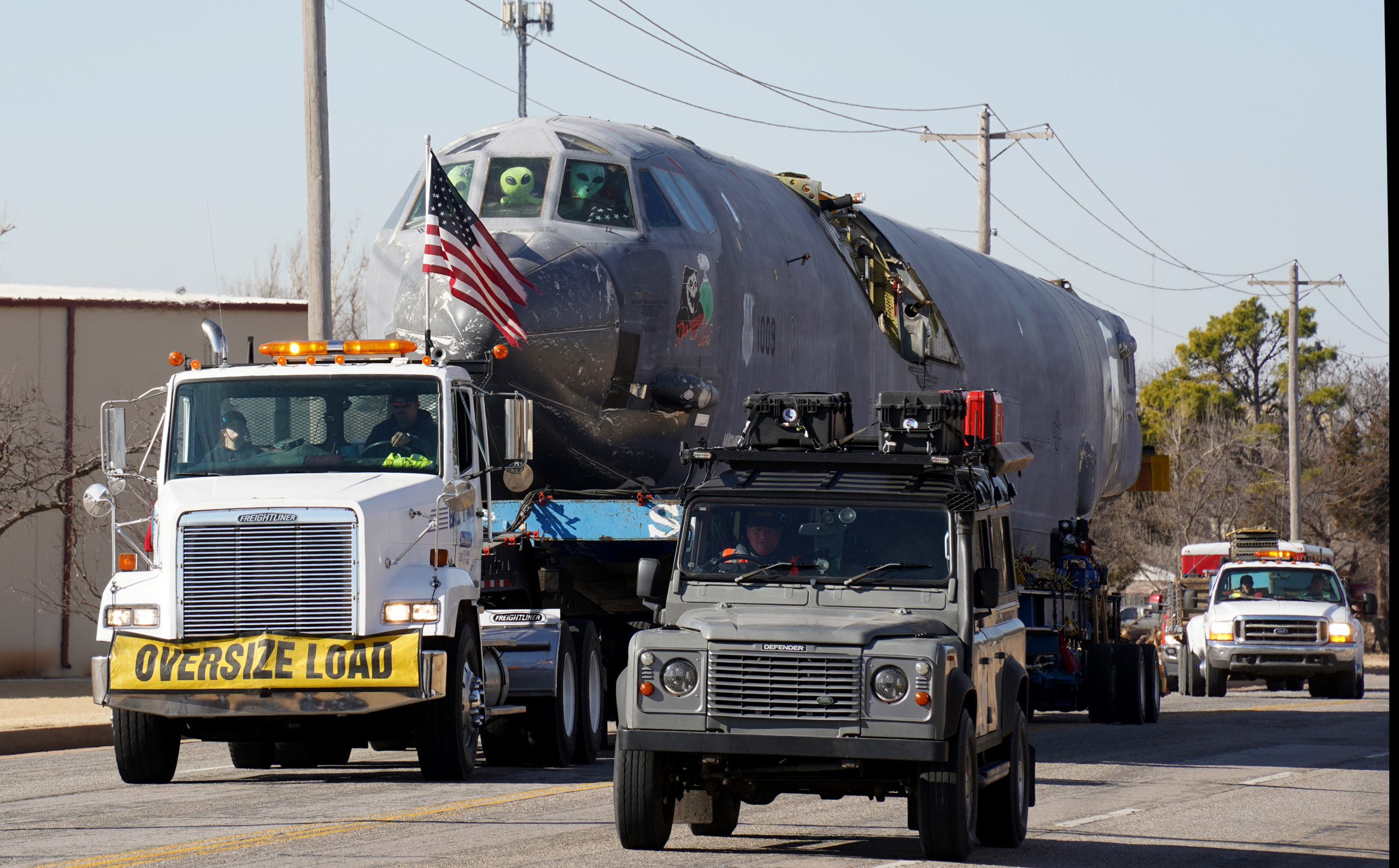
In 2022, an old retired B-52H nicknamed Damage Inc. II was dragged out of the Davis-Monthan boneyard to serve as a living test bed at the Boeing Oklahoma City B-52 High Bay Integration Lab. It had sat at the boneyard for over two decades.
Damage Inc. II is a full fuselage and wing of a decommissioned B-52 now serving as a test bed for B-52 modernization efforts. It is part of an effort to reduce CERP expenses. The aircraft still bears its nose art.
Among other things, CERP will see the aging Pratt & Whitney TF33-P-3/103 engines replaced with Rolls-Royce BR700 engines that currently power business jets.
In January 2026, Boeing quoted Jagbir Singh, B-52 CERP program director, as saying, “Being able to go and see a real B-52 gives engineers a better opportunity to understand the scope of the work, without taking any current active aircraft away from the fleet, while helping us save an incredible amount of time — especially on a project like airspeed probes.”
How Damage Inc. II helps reduce CERP costs
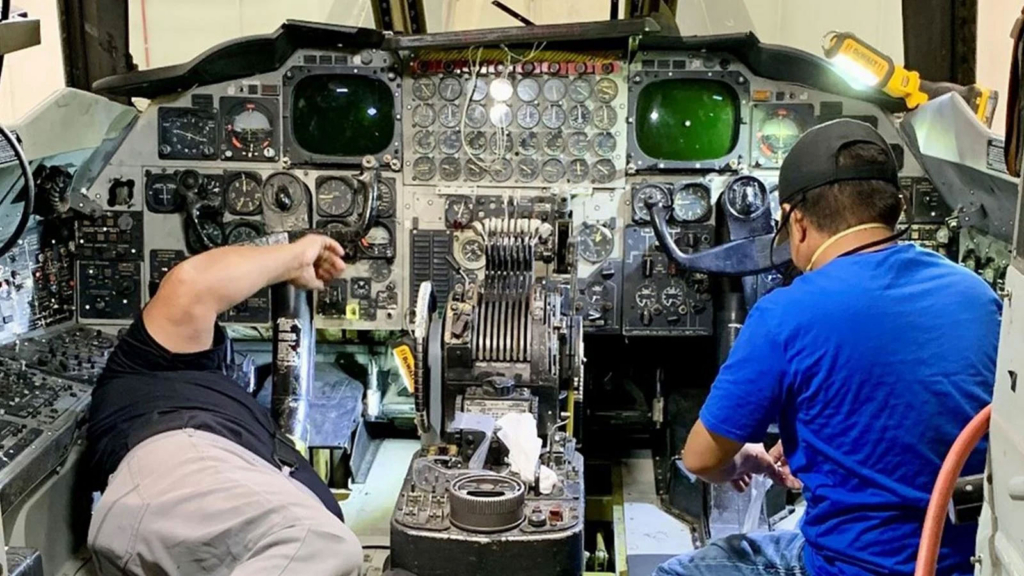
Boeing says, “The lab allows engineers to run proof-of-concept installations (PCIs), fit-check new components, and validate design changes, ensuring modifications will fit and work on the fleet before crews begin real upgrades on active aircraft.”
The programme helps engineers align new digital models of the bomber with the hands-on real world.
The age of the B-52 airframes means that each can be a little different, and they can be missing digital records. They have also had years of “beat to fit” fixes and paint-match repairs.
With Damage Inc. II, the Boeing team is able to find these differences early, refine the design of new parts, and avoid costly surprises during actual maintenance. For example, the team found that the fastener holes in the skin common to the attach-stringer were not the same as those in the drawings. This could have led to major repair issues.
Boeing says, “These small, early checks protect time, money, and aircraft availability.”
Boeing says PCIs at the High Bay had produced around $1.3 million in savings by April through reduced part and labour costs by preventing rework.
Day 1 of the #b52roadtrip with Damage Inc II in 2022, here we are passing under I-10 on Valencia in Tucson. There was a big deep breathe as this was the first bridge to pass under. #b52 #damageincii #b52roadtrip #boneyardsafari #aviationsafari pic.twitter.com/UmxE4PlIlT
— Boneyard Safari (@Boneyardsafari) January 6, 2026
Still, these savings are moderate at best, being a drop in the bucket in the multi-billion-dollar CERP programme. $1.3 million is comparable to the cost of a single JASSM missile.
The final WWII-style strategic bomber
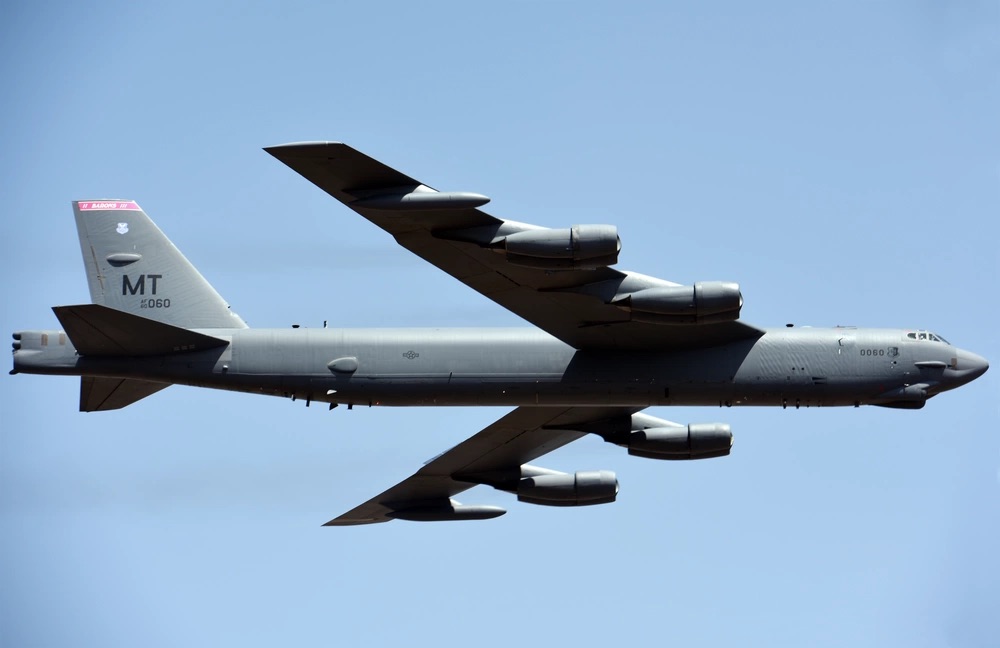
The venerable B-52 Superfortress “BUFF” first flew in 1952 and entered service in 1955. In some respects, the B-52 can be understood as the final jet-powered iteration of the US’s World War II series of bombers that includes the B-17, B-26, B-29, and B-36.
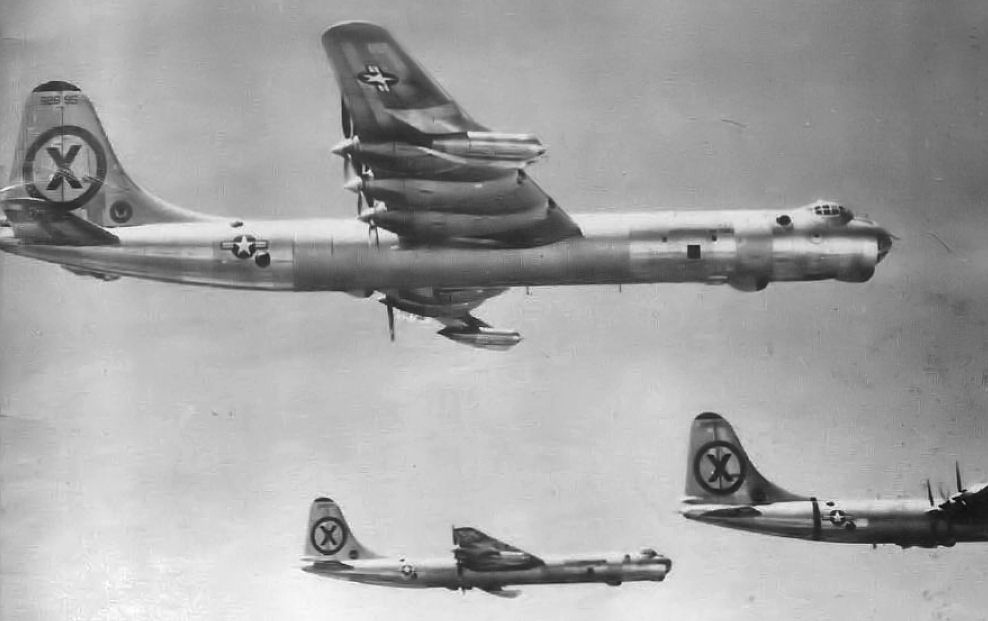
The B-52 is the last conventional tube-and-wing bomber built by the United States, designed to brute-force its way through enemy air defences WWII-style.
It was designed to absorb a large amount of flak fire and fight off early jet fighters. It was produced in sufficient numbers (744) to sustain attrition. The final WWII-like bomber sortie took place in 1972 with Operation Linebacker II over North Vietnam.
After the B-52, the USAF turned to speed and high altitude (B-58, XB-70) for survivability, then to moderate speed and low altitude with reduced RCS (B-1B), and finally to stealth (B-2, B-21).
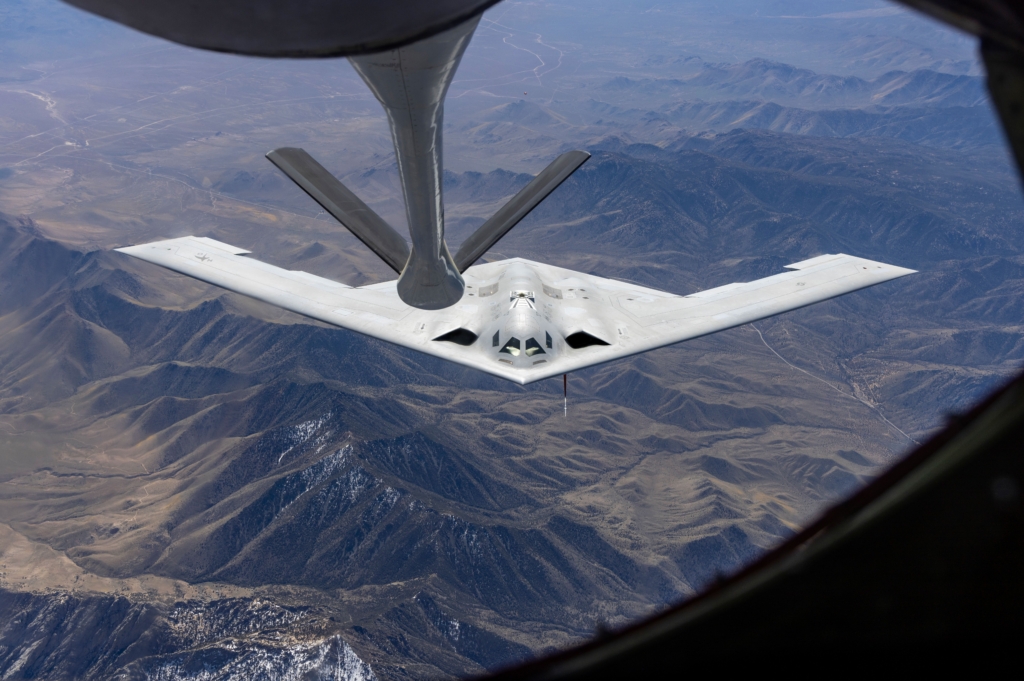
While the B-52 was designed to bomb the Soviet Union in the early Cold War and be a central nuclear bomb delivery platform, it has found a number of other roles over the years.
The B-52 was the mothership for the X-15 rocket airplane and the darkly comedic D-21B programme.
Future of the B-52J bomber
The B-52’s days as a machine gun-touting bomber forcing its way through defended airspace are long gone. Today, they are used as stand-off platforms launching stand-off munitions like JASSMs and upcoming hypersonic munitions.
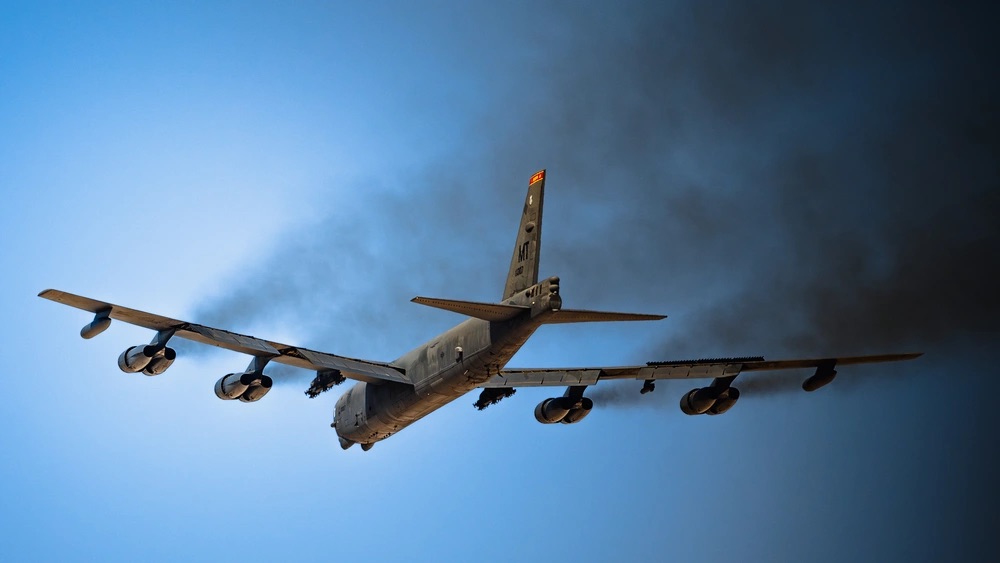
Only when enemy air defence is sufficiently degraded does the Air Force dare fly them over the target with stand-in munitions like JDAMs. This recently happened during Operational Epic Fury against Iran.
The re-engined B-52J bomber is to come with upgraded radars, networking, a modernised cockpit, and more. It is intended to complement the incoming B-21 Raider stealth bomber.
The B-21’s payload is comparatively restrained, and its mission is centred on penetrating heavily defended enemy airspace and attacking high-value targets. The B-52J is to be the missile truck launching a large number of long-range munitions from safe airspace.
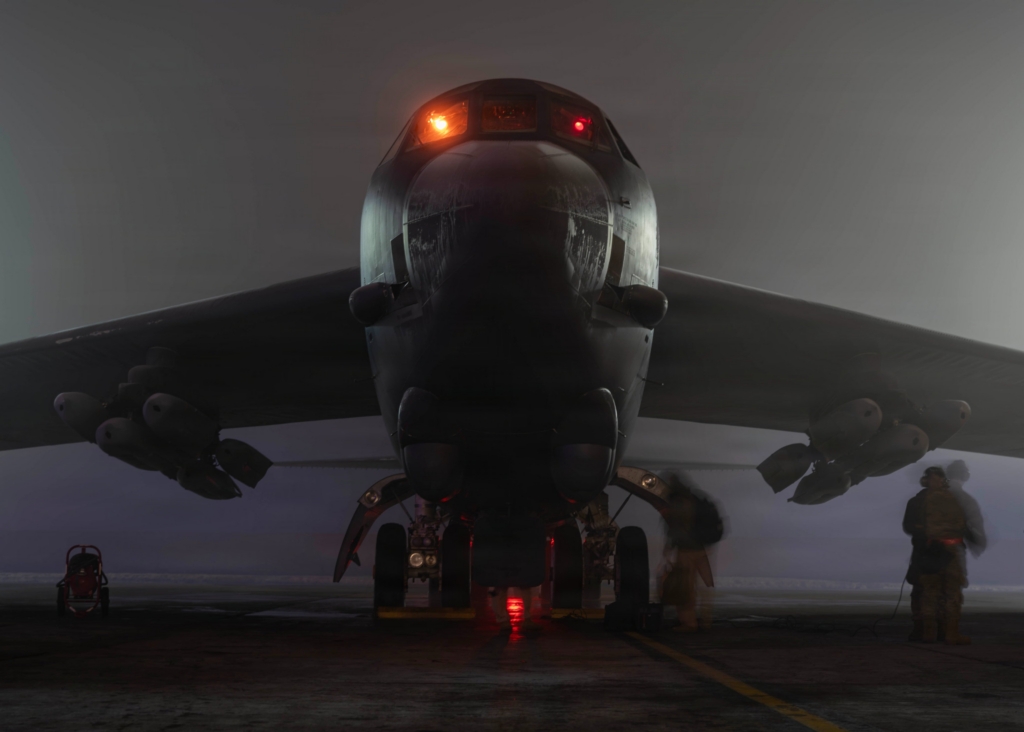
One reason why the USAF selected the older B-52 over the newer B-1B for the bomber truck role is that the B-52 airframes have plenty of service life remaining. Years of low-level flying in dense air have worn the B-1B airframes out.
Featured Image: US Air Force
Sign up for our newsletter and get our latest content in your inbox.


More from

October 3, 20267 min read


