


Southwest cracks down on humanoid robots over lithium battery risks

5 min read
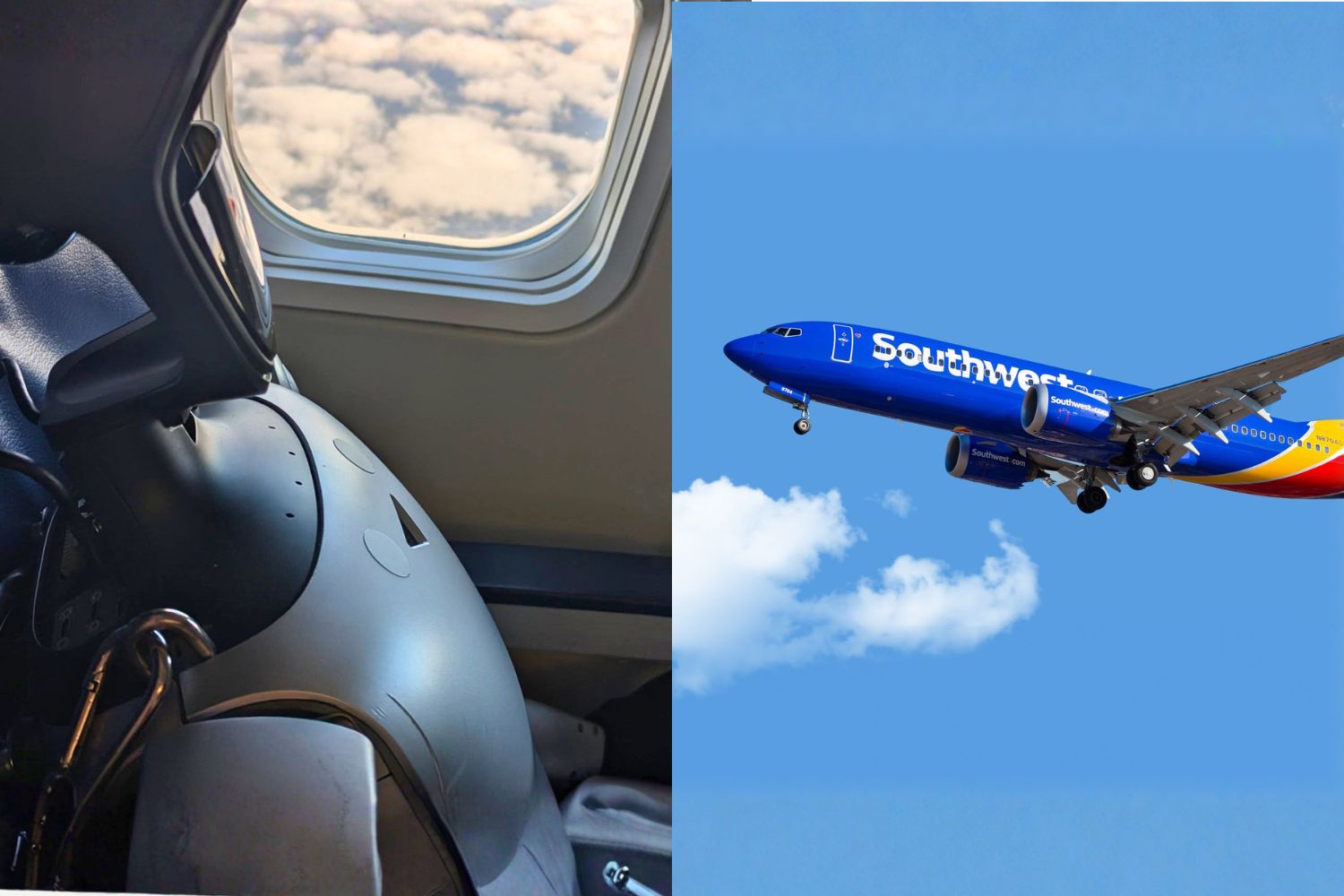
Southwest Airlines has banned humanoid robots from its flights after a widely shared incident involving a robot ‘passenger’ in Dallas this week.
The decision reflects growing concern across the airline industry regarding the risks posed by lithium-ion batteries onboard aircraft – although the humanoid’s owner insists there was no battery-related risk.
Southwest bans humanoid robots after viral Dallas flight
The policy change follows an unusual incident earlier this week involving a Texas passenger and a humanoid robot he has named “Stewie”, who were taking a Southwest flight.
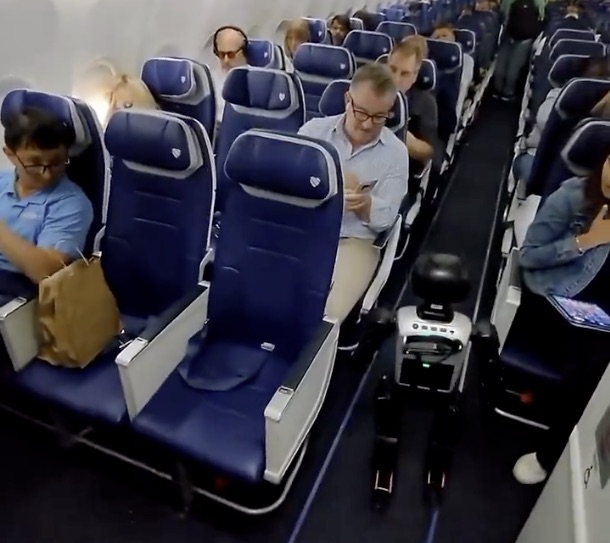
Rather than transporting the humanoid machine separately, in the hold, the robot’s owner, Aaron Mehdizadeh, who owns The Robot Studio, opted to bring it onboard a Southwest flight from Las Vegas to Dallas as a ticketed passenger.
We just got robots banned from Southwest Airlines. You’re welcome 🫡
— Aaron Mehdizadeh (@rentbotsTX) May 12, 2026
Yesterday we flew our humanoid robot Stewie from Las Vegas to Dallas on Southwest — something we (and others) have tried and failed multiple times because batteries are always the issue.
This time we cracked… pic.twitter.com/FqJjk1vSfQ
The 3.5-foot robot, which is used commercially at corporate events and public appearances, was reportedly assigned its own seat for the flight.
The robot’s owner says he changed its standard power unit for a lower-capacity battery that complied with airport security requirements before departure.
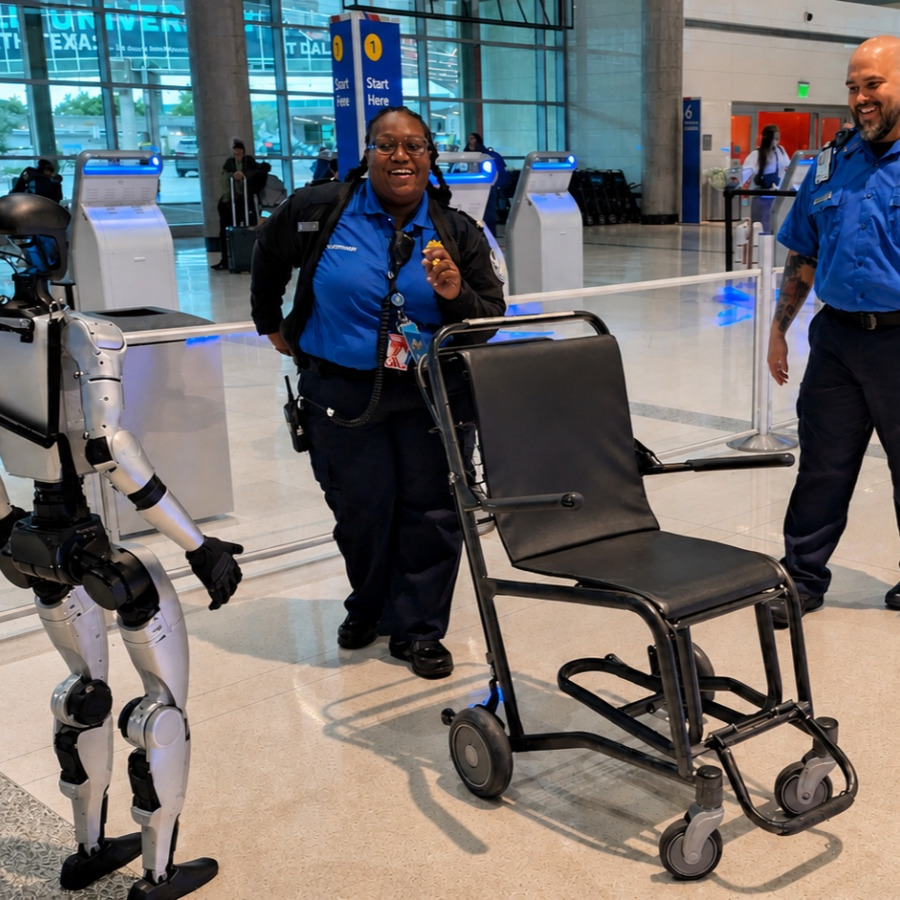
Videos filmed inside the terminal and onboard the aircraft spread online, showing the robot moving through the airport alongside passengers before being strapped into a window seat.
Why Southwest Airlines banned humanoid robots
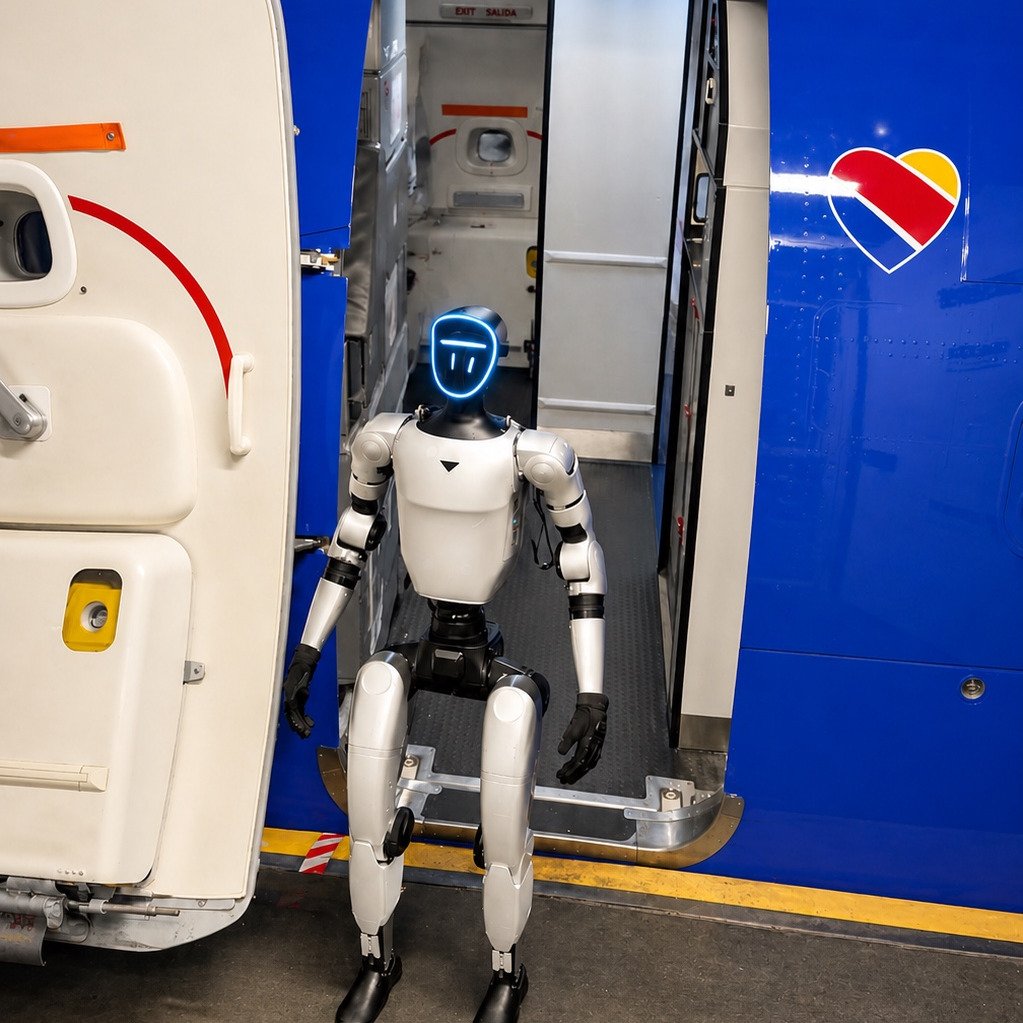
Soon after the flight, Southwest reportedly issued a company alert banning the transport of human or animal-inspired robot machines.
Citing the airline, CBS News Texas said that the rule was brought in to align with lithium‑ion battery guidelines.
However, owner Mehdizadeh has insisted that the battery used was similar in size to a laptop power source and was not in breach of existing battery rules.
Speaking to local Texan outlet MySA, Southwest Airlines spokesperson Lynn Lunsford said: “We have had a handful of recent experiences in which customers either bought seats for devices or tried to carry them on as baggage.”
Previous robot incidents already raised battery concerns
Last month, a Southwest Airlines flight was delayed on the ground for around an hour after a boarding issue involving a humanoid robot passenger.
The robot, weighing approximately 35kg and named Bebop, was due to travel from Oakland, California, to San Diego on Thursday, 30 April.
The device was being transported by Elite Event Robotics, a Texas-based company that rents out interactive robots.
While the robot was apparently popular with fellow passengers, it delayed the aircraft’s departure after it was found to be carrying a battery system that exceeded the limits for air transport.
Southwest Airlines said in a statement that the passenger had “purchased a seat for a device” but added that the “device’s lithium battery exceeded the maximum allowable size, so the customer was asked to remove it.”
Why do airlines treat lithium batteries as high-risk cargo?
Airlines treat lithium-ion batteries as high-risk objects because of their tendency to enter a condition known as thermal runaway, in which a cell can rapidly overheat, vent flammable gases, and ignite without warning.
In March, the International Civil Aviation Organization (ICAO) issued new guidelines limiting these devices to two per passenger, and passengers are prohibited from recharging them during flights.
Crew, however, are able to continue to carry and use these power banks in line with the operational requirements of the aircraft.
A lithium battery can catch fire if it overheats, is overcharged, damaged or suffers an internal fault.
IATA, the airline association, says that unlike conventional fires, lithium battery fires can be self-sustaining, meaning they may continue to burn and generate heat even after the initial trigger has been tackled.
Because of this, these fires require specialist suppression techniques and rapid intervention – something which crews are trained for.
If not brought under control quickly, the heat released can escalate significantly, increasing the risk of a more serious incident, both from the smoke and the flames.
Both pilots and cabin crew have special procedures for dealing with lithium-ion battery fires onboard aircraft. But the consequences can be severe.
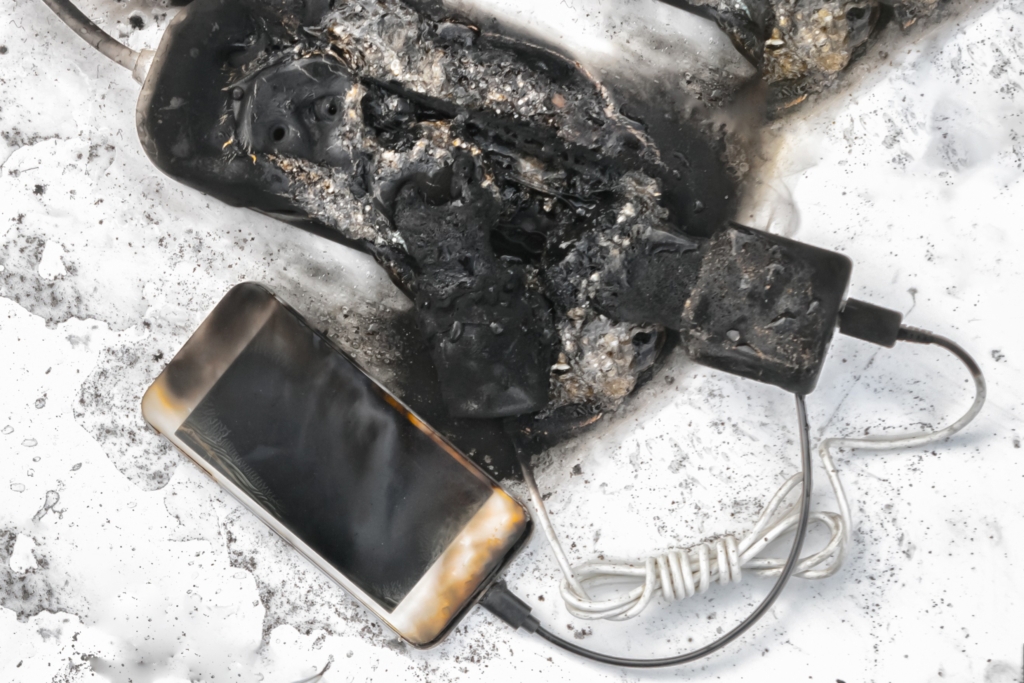
Last year, investigators determined that a portable power bank was the most likely cause of a fire that destroyed an Air Busan passenger aircraft at Gimhae International Airport in January 2025.
The aircraft caught fire while on the ground, and three people on board sustained minor injuries during the evacuation.
South Korea’s Ministry of Land, Infrastructure and Transport said the evidence it had seen suggests the fire may have started from a failure in the internal insulation of a lithium battery inside a passenger’s power bank.
Investigators found the device in an overhead luggage bin where the fire was first reported.
Airlines are still exploring humanoid robots for ground operations
There is one part of the airline industry that is seeking to benefit from the proliferation of humanoid robots: ground servicing of aircraft.
In Japan, a trial is starting this month that will see humanoids put to work across several parts of the airport operation.
This will include loading and unloading of baggage and cargo, and cabin cleaning.
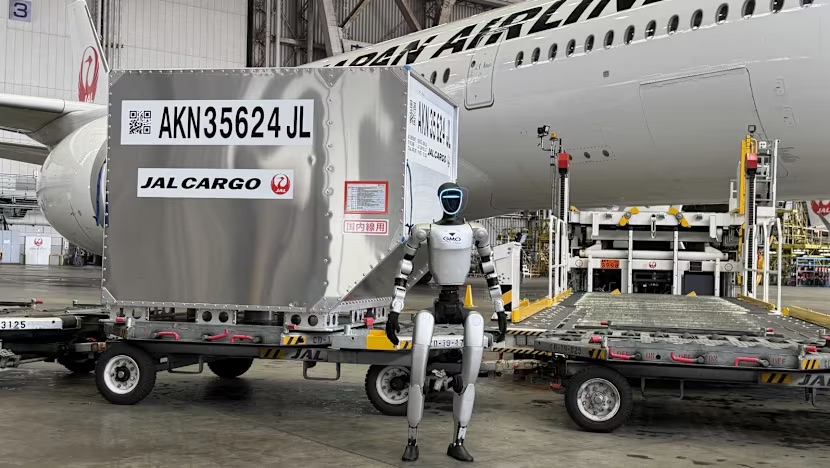
“Being human-shaped allows their introduction without significant modifications to existing airport facilities or aircraft structures,” said JAL.
“In the future, these robots are expected to be used across a wide range of tasks, from loading baggage to cabin cleaning, and even operating GSE.
“By combining cutting-edge AI technology with the unique flexibility of humanoid forms, the project aims to realise a sustainable operational structure through labour savings and workload reduction.”
A similar project is underway in the US. Azalea Robotics is working on ARC 1, which it calls the world’s first mobile, fully autonomous baggage manipulator.
The California-based company says ARC 1 will be capable of “robustly manipulating a large variety of bags”, and it can load bag carts and ULDs.
In cases when the robot finds a bag it cannot move, human baggage handlers will be brought in to work alongside the device.
Aerospace Global News contacted The Robot Studio for comment.
Featured image: Ashlee D. Smith / Southwest Airlines
Sign up for our newsletter and get our latest content in your inbox.


More from


September 17, 20265 min read

September 17, 20263 min read


September 18, 20263 min read

