


Ireland seeks SAF tax cut as Aer Lingus cancels hundreds of flights

3 min read
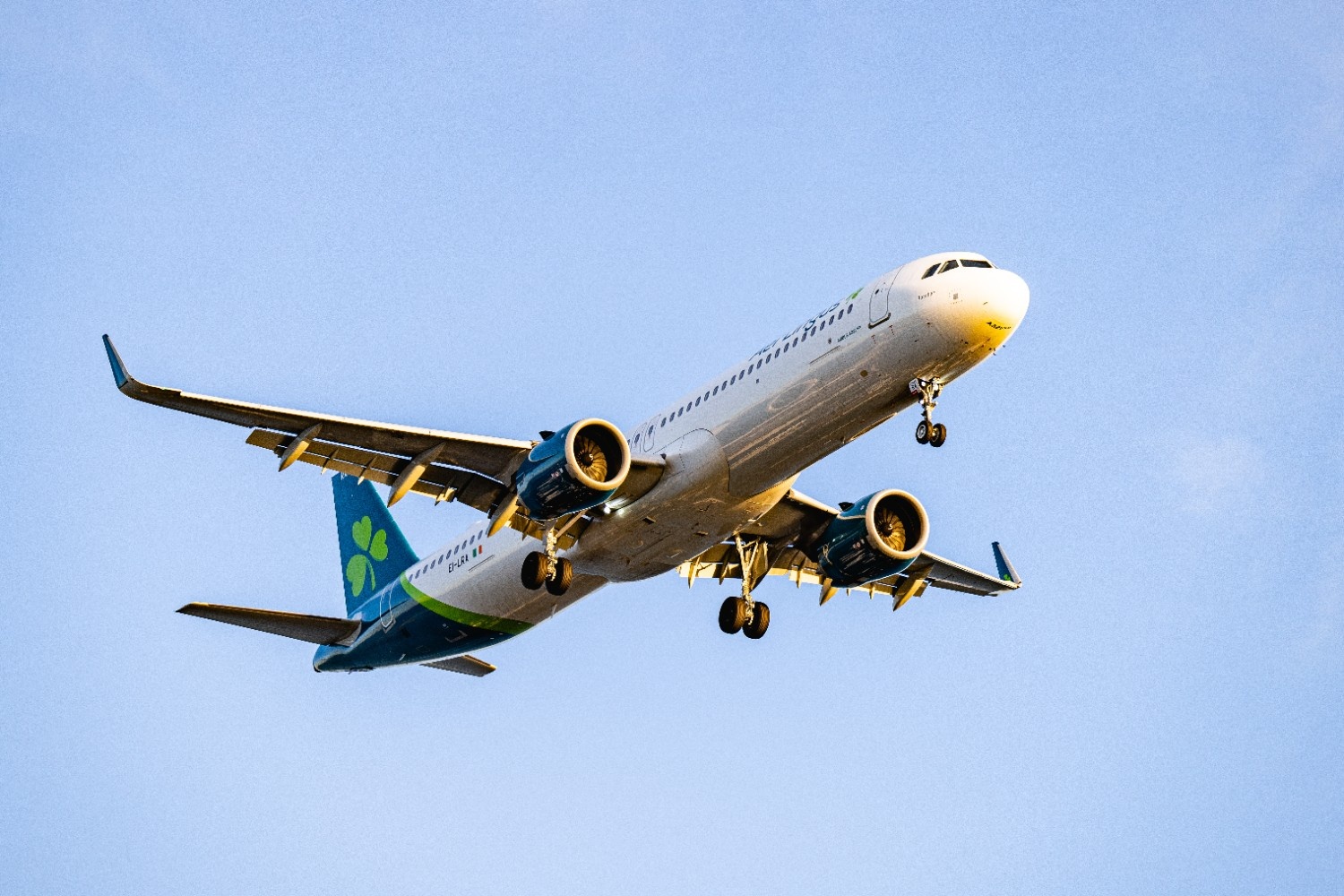
Ireland is set to ask the European Commission to temporarily remove tax on sustainable aviation fuel (SAF) imported from the United States in a bid to save summer flights.
With Europe alleged to have only six weeks’ jet fuel supplies remaining, and disruption related to the conflict in Iran ongoing, airlines are seeking to shore up supplies ahead of the busy summer season.
Irish airline Aer Lingus has cut around 500 flights from its schedule, only around 2% of its activity, but enough to affect thousands of passengers. The airline has attributed the change to ‘mandatory maintenance,’ although the jet fuel issue undoubtedly played a part in its decision.
Aer Lingus cuts hundreds of flights from its schedule
The schedule changes announced by Aer Lingus affect a range of flights, both transatlantic services to North America and intra-European flights.
According to reports, transatlantic routes impacted include services between Dublin and:
- Seattle
- San Francisco
- Minneapolis–St Paul
- Toronto
On the short-haul network, flights from Dublin to major European destinations are also affected, including:
- Amsterdam
- Athens
- Berlin
- Faro
- Zurich
UK routes are also seeing reductions, particularly high-frequency services to:
- London Heathrow
- Manchester
- Birmingham
- Edinburgh
- Newcastle
Flights from regional Irish airports, including Cork and Shannon, are also expected to be impacted, although to a lesser extent.
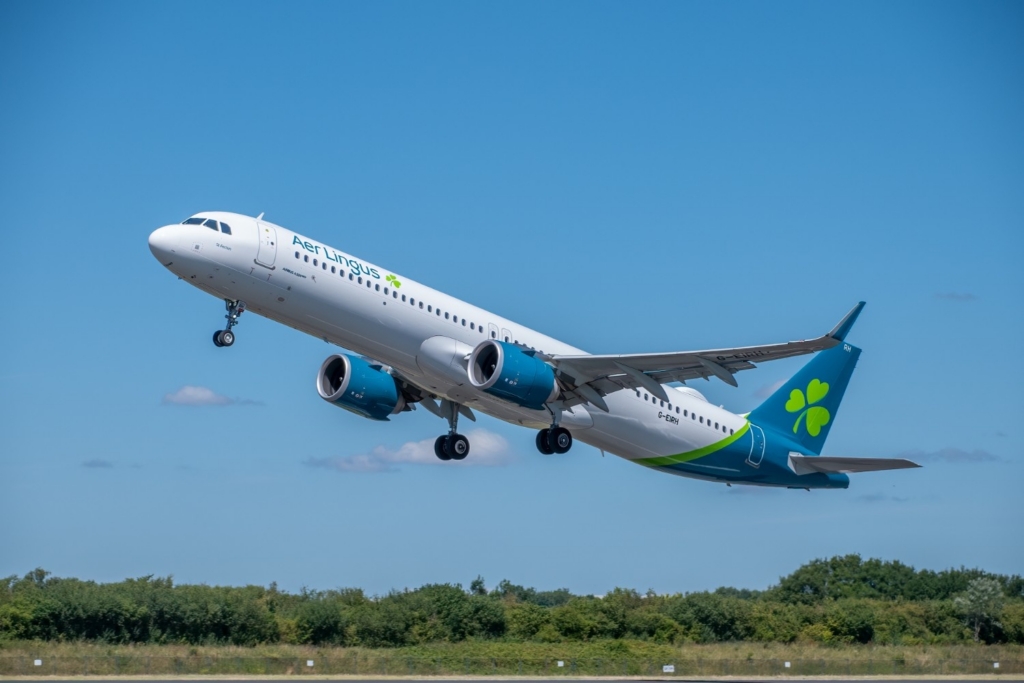
Aer Lingus said that the majority of affected passengers will be rebooked on alternative services, often on the same day, and that the changes represent a relatively small proportion of its overall schedule.
However, the scale and timing of the cuts have raised questions about whether operational pressures extend beyond routine maintenance, particularly as fuel costs continue to rise.
Ireland seeks to cut SAF import duties to reduce airline fuel costs
Ireland’s Minister for Energy, Darragh O’Brien, said he will formally request that the EU suspend tariffs on SAF imports from the US on an exceptional basis while the current crisis persists.
The duty, which stands at around 8%, reflects EU anti-dumping measures and the subsidised nature of US SAF production.
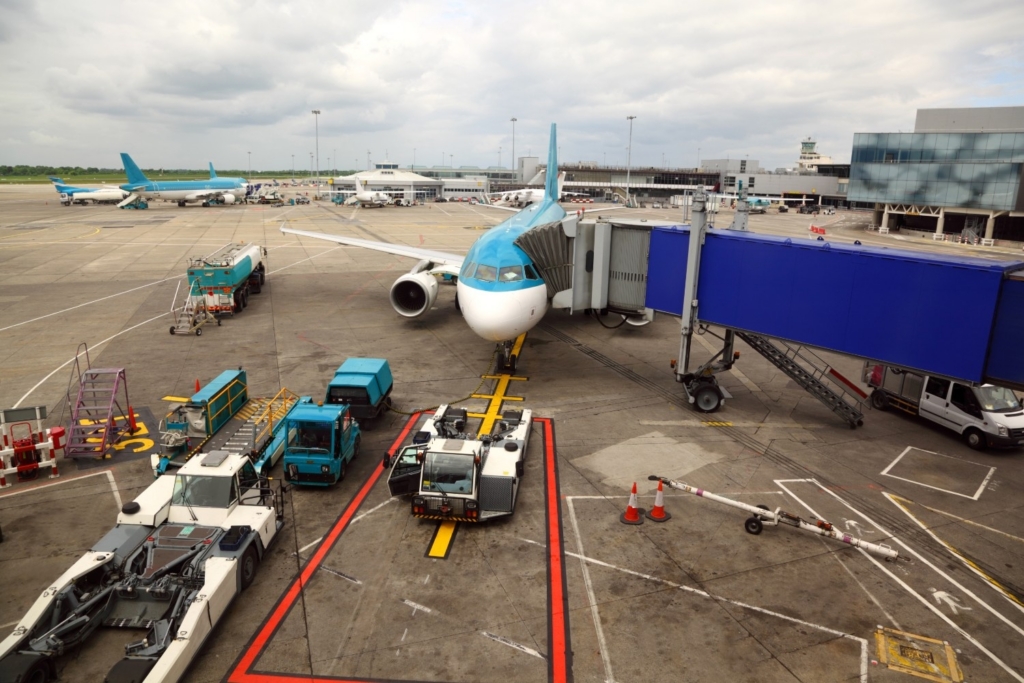
SAF is a lower-emissions alternative to conventional jet fuel and is mandated under EU rules to make up at least 2% of aviation fuel blends. However, its significantly higher production cost has made it a growing burden for airlines already dealing with volatile energy markets.
SAF can cost between three and seven times more than conventional jet fuel, meaning even modest blending requirements can significantly increase overall fuel bills.
Can cheaper SAF save summer flights?
Even if import duties were temporarily removed, the effect on airline operations may be limited.
Global SAF production remains constrained, and supply is insufficient to meet rapidly growing demand driven by regulatory mandates and airline decarbonisation targets.
As a result, any reduction in import costs is unlikely to materially alter the availability of SAF or significantly lower total fuel costs in the short term.
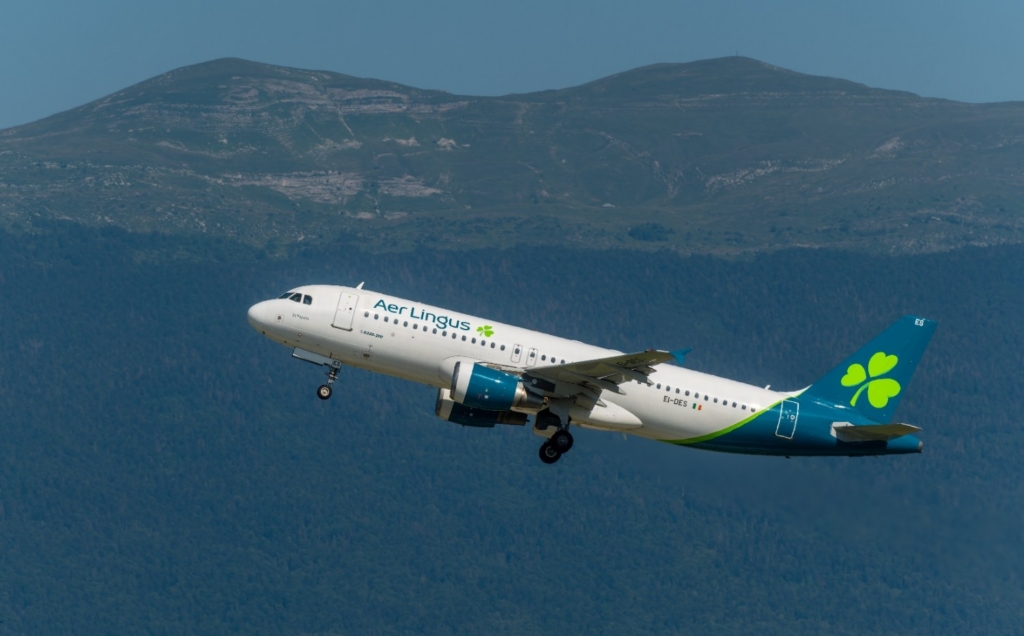
Ireland’s proposal, while potentially helpful at the margin, is unlikely to prevent further schedule adjustments if cost pressures persist.
Despite concerns about disruption, both government and industry sources have stressed that there is no immediate shortage of aviation fuel.
Ireland currently maintains reserves equivalent to around 70 days of supply, and both Ryanair and Aer Lingus are understood to have no concerns about availability.
Instead, the primary challenge is cost. Since February, Ireland has sourced all of its aviation fuel from the United States, exposing airlines to higher prices even as supply chains remain stable.
Featured image: hectorchristiaen / stock.adobe.com


